Paver Cleaning & Sealing on Long Island

BUNDLE & SAVE!

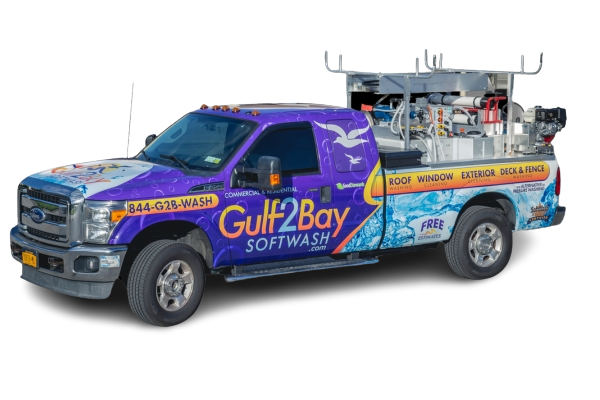
Gulf2Bay Softwash ford truck

Clean, Restore & Protect Your Outdoor Pavers

Gulf2Bay Softwash provides paver cleaning and sealing on Long Island for patios, walkways, pool decks and driveways. Our process removes organic buildup, restores joint stability with angular joint sand, and protects the surface with Trident sealer options built for coastal Long Island conditions.

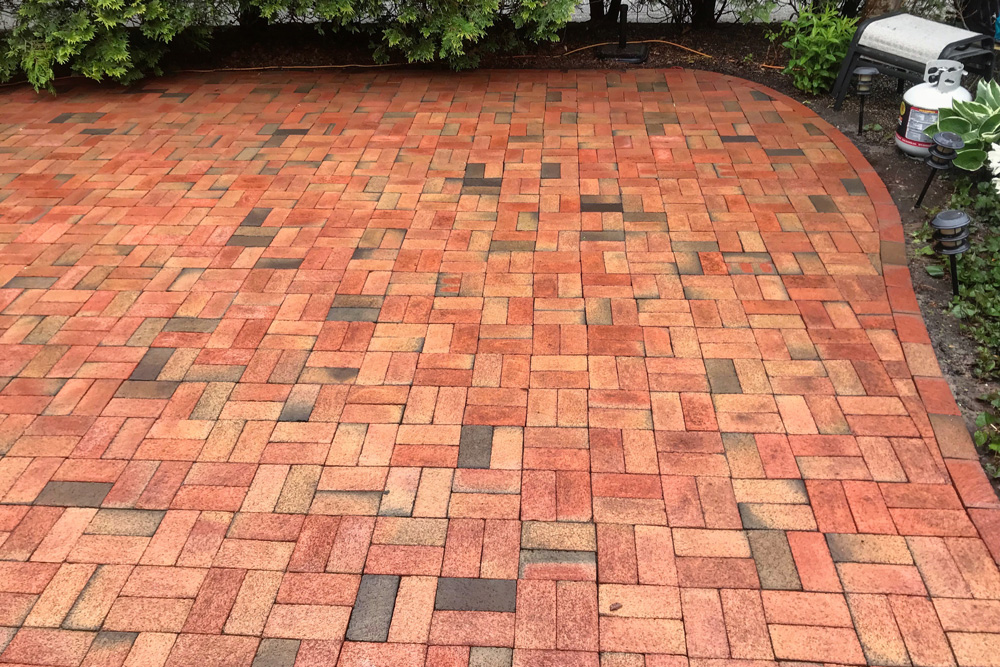
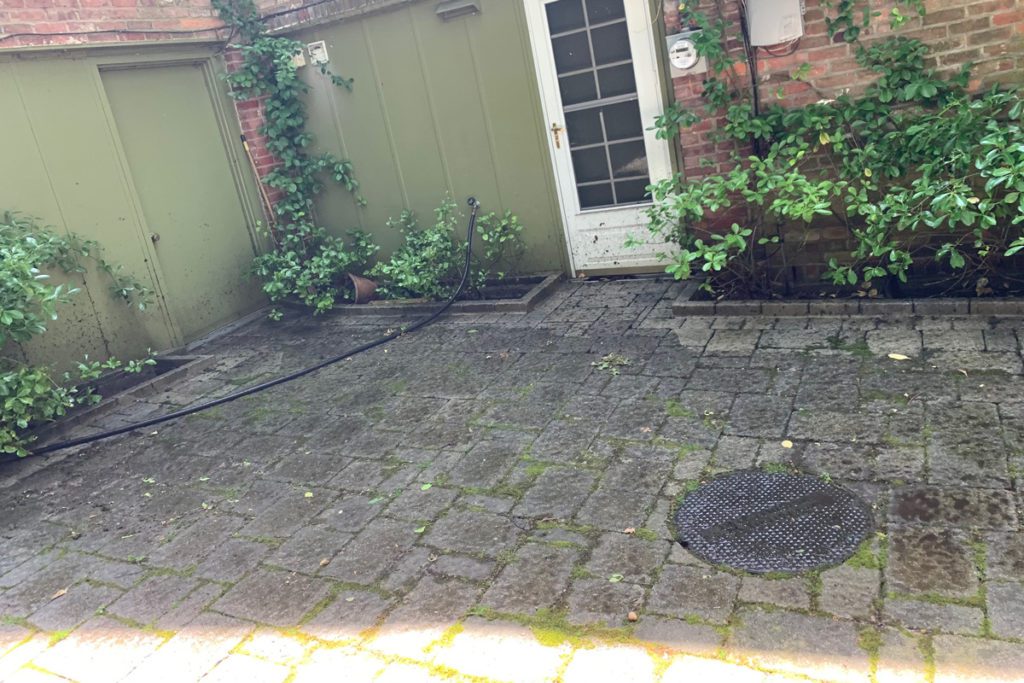
Paver patios, driveways, and walkways collect an enormous amount of dirt due to the porous nature of the material. Concrete pavers also have a high concentration of lime, which causes dark algae staining, known as Gloeocapsa Magma. Gulf2Bay Softwash provides paver sealing on Long Island with cleaning, joint sand stabilization and sealer options for patios, pool decks, walkways and driveways. With all the spills, caked-on dirt, and organic growth, it takes the right equipment and approach to get these decorative surfaces cleaned properly. After cleaning, it is recommended to add joint sand between the pavers to stabilize them and inhibit weed growth, as well as to reduce sand washout and prevent insect infestation. This is often followed by the application of either a matte or gloss sealer to keep everything protected and looking beautiful. Gulf2Bay serves homeowners and commercial property owners across Nassau County, Suffolk County, and the Hamptons — ideal for concrete pavers, brick, natural stone, travertine, and bluestone surfaces. Pricing varies based on square footage and surface condition; most patio and driveway jobs start around $400–$900. We also offer a proprietary joint stabilizing sealer that combines the best of polymeric sand and sealer in one application, providing superior long-term joint stability and weed prevention.
Our Long Island Paver Cleaning and Sealing Process
paver cleaning and sealing
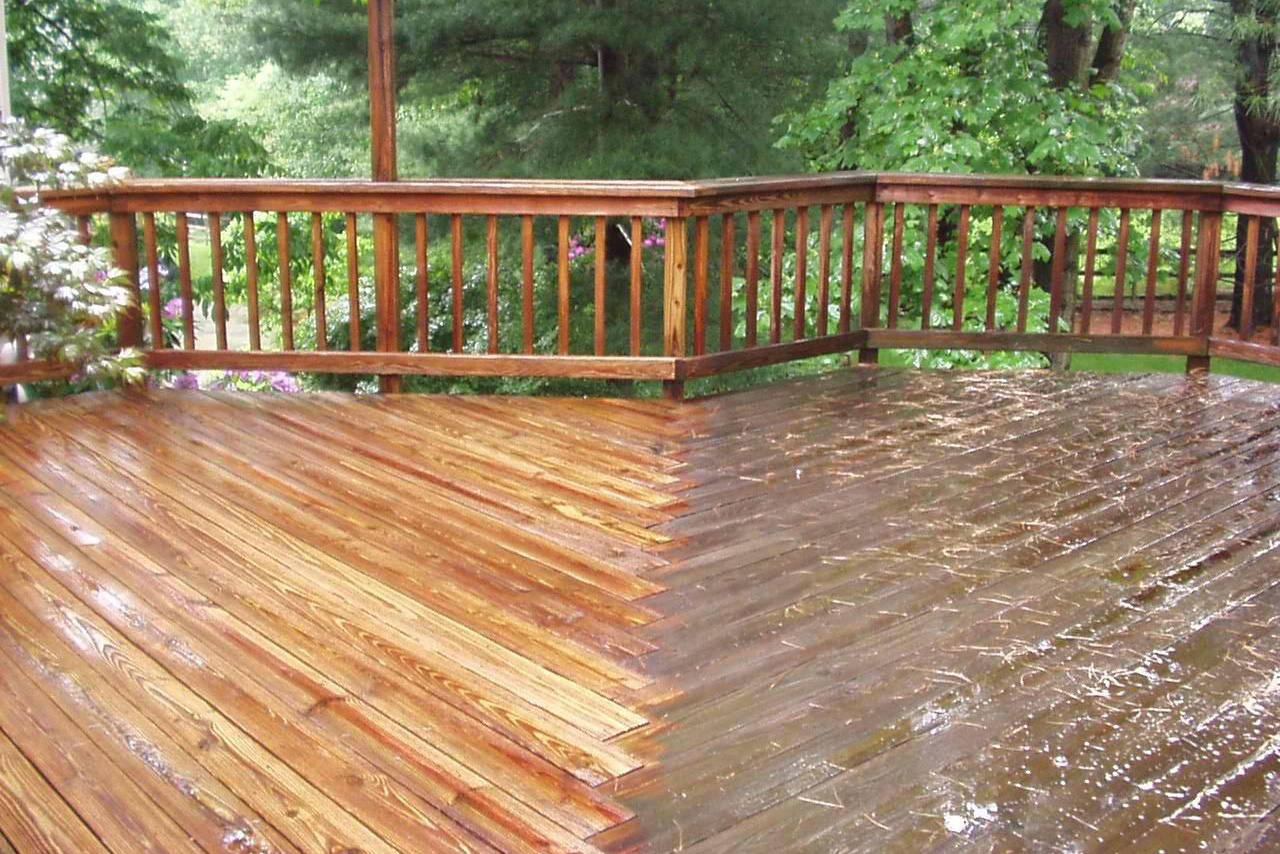
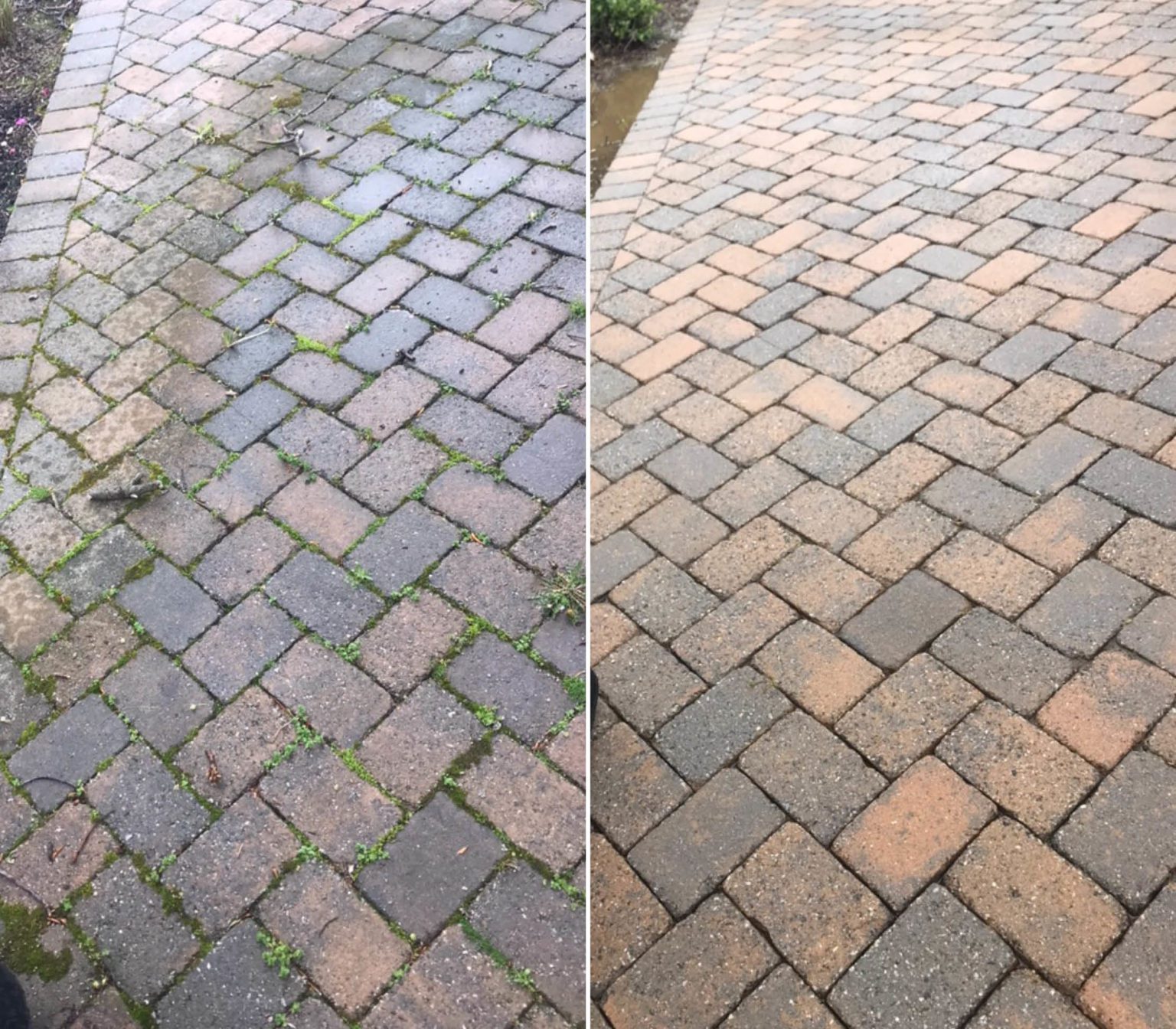
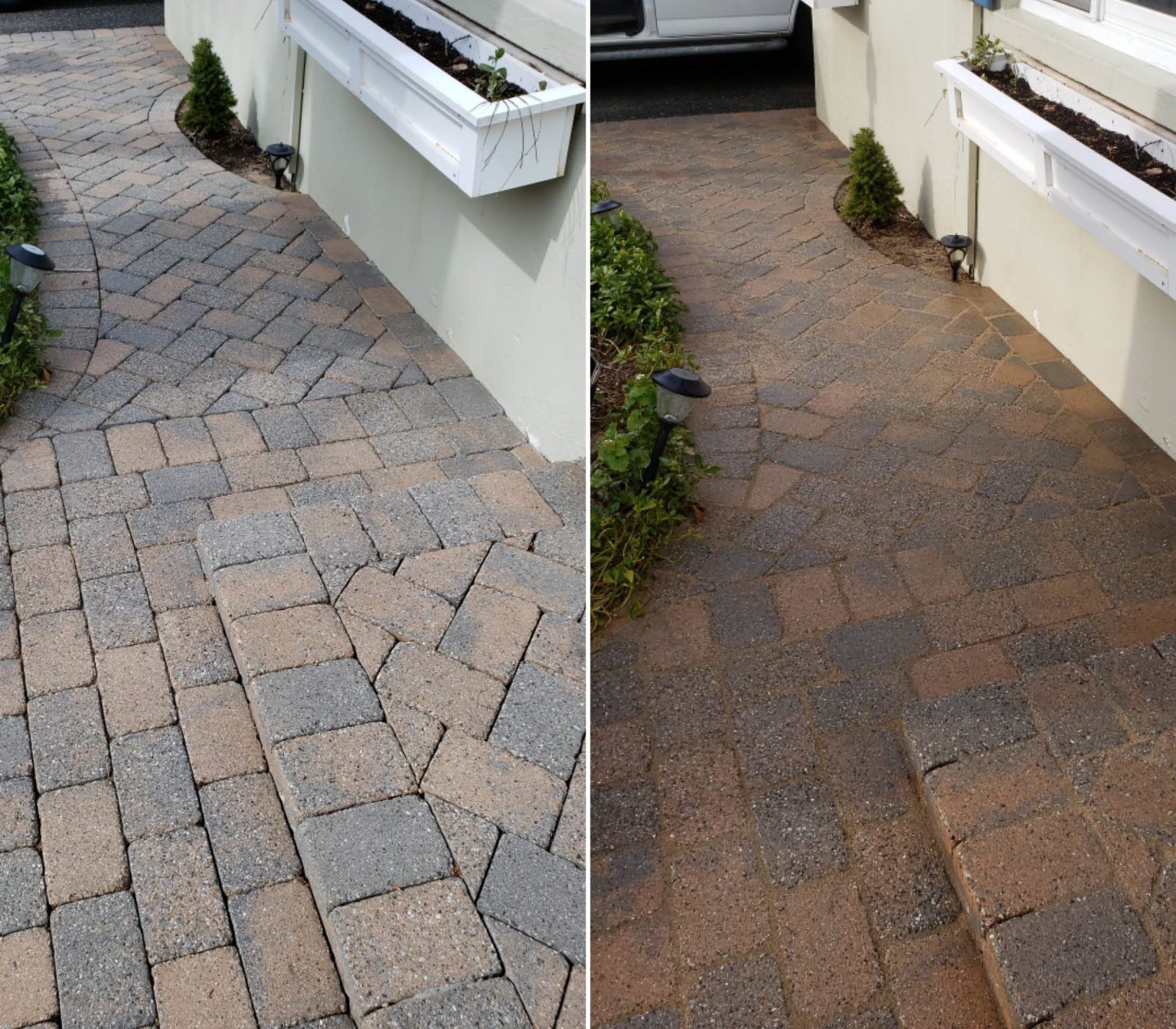
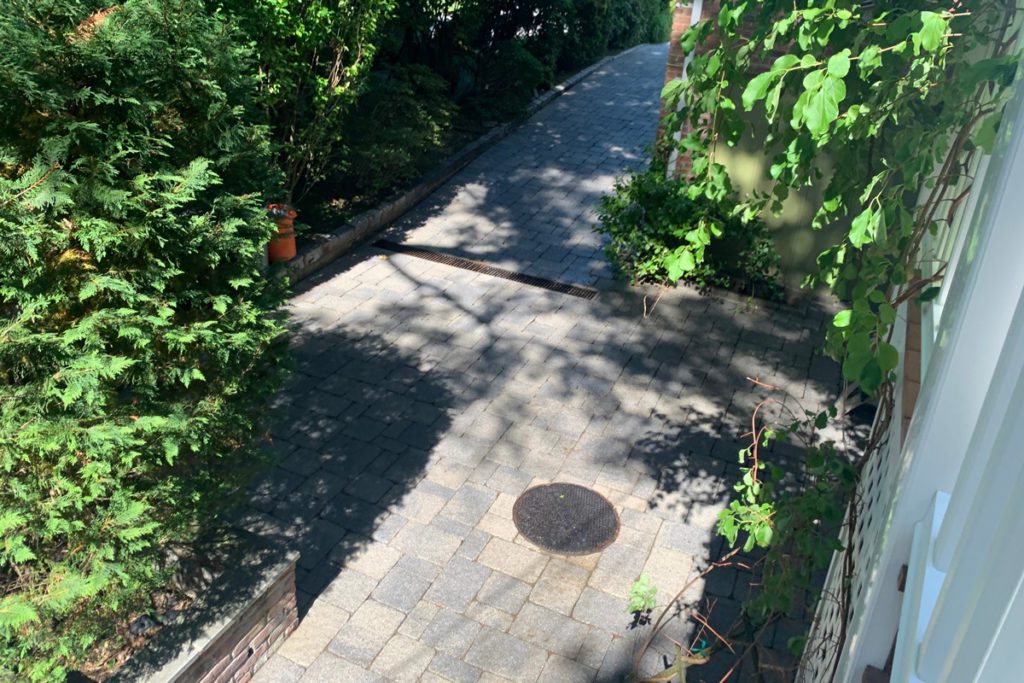
Paver Cleaning & Sealing Before and After
With proper care and maintenance, a surface investment like brick, pavers, or natural stone can last a lifetime.

Renew Your Pavers & Stone.

Whether the surface is brand new or has been installed for years, preparation of the pavers before sealing is vital to help achieve successful, beautiful, long-lasting results. Ideally, once a surface is newly installed and a sealer is applied, a maintenance plan should be put in place to keep it looking beautiful for a lifetime.

paver cleaning

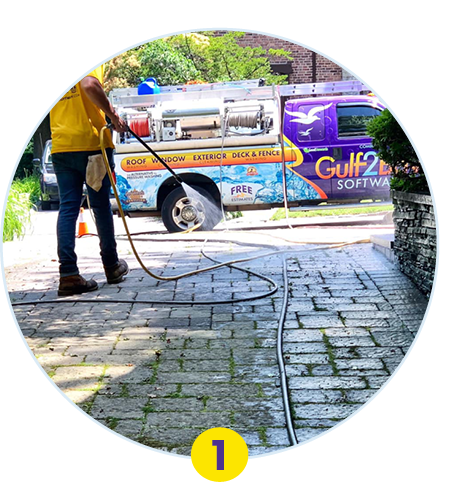
1. CLEAN

The first step is to give them a good wash. After removing and covering all furniture, plants, and equipment from the area, we make sure to sweep or blow away any loose soil and debris from the surface

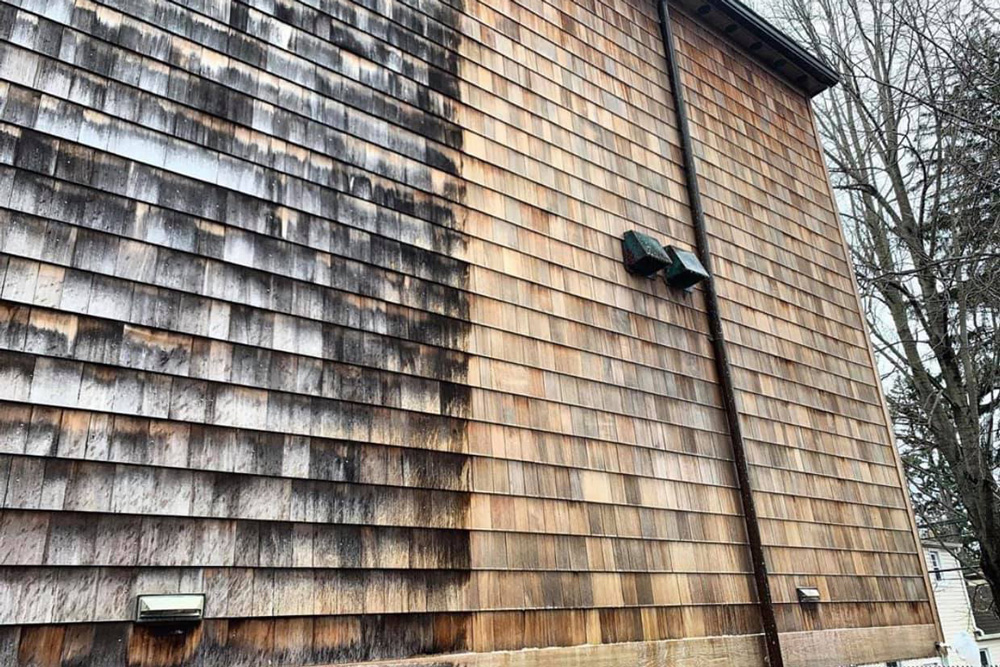
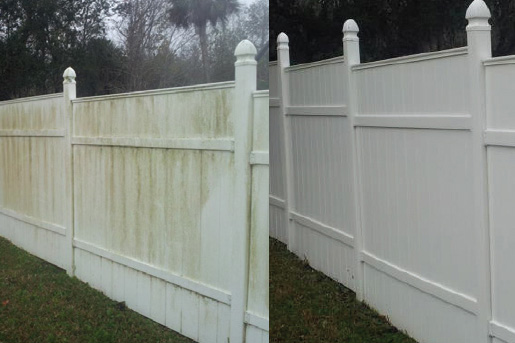
Our technicians survey the area for visible staining to determine stain types and quality that may require special cleaning. We choose the appropriate spot cleaner to remove any unsightly blemishes on the surface. This is followed by an overall surface wash, employed with eco-friendly additives that eradicates any harmful bacteria, algae, and moss growth, leaving the area disinfected and clean.

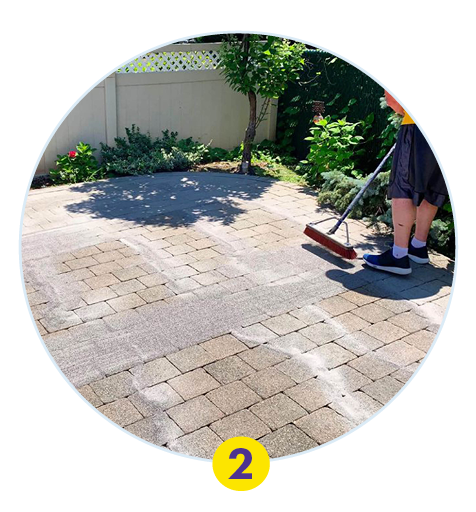
Joint sand is a necessary component to aid in the interlocking system of the paver, keeping them more stabilized and level. However, not all sand is created equal. Common particles like silica or play sand are rounder in shape and have no structure, making them easy to dislodge under pressure. The joint sand we utilize is angular in shape, which creates stability in the joint and prevents the particles from moving around. This interlocking method is applied between the pavers to keep them in place and prevent any open space for weeds and insects to infiltrate.

Most people identify with Polymeric Joint Sand as the ultimate jointing sand because of the bond it creates between the pavers. We commonly use this type of sand when cleaning and revitalizing paving structures. Based on our experience, we recommend using JSS in conjunction with sealer to get the ultimate in joint stabilization.

Paver Cleaning & Sealing

2. SAND

Paver Cleaning & Sealing

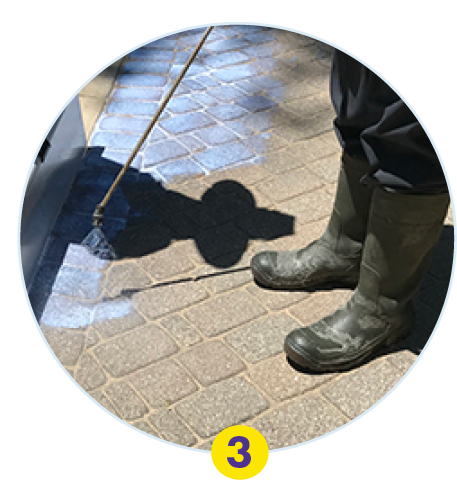
3. SEAL

Once the sand is applied and set, we coat the surface with either a film-forming or penetrating sealer. Selecting the right option is dependent on what the project owner is looking to achieve by sealing the surface.
Film-forming sealers form a breathable stain-resistant and UV-protected film on the surface, making it easier to clean and maintain. Most will provide a level of sheen from a matte to a semi-gloss, all the way to a heavier “wet look” with a variety of tone options. These types of sealers last anywhere from 2-4 years before the surface should be resealed.

Penetrating sealers permeate the surface to create a breathable non-film-forming barrier of protection. Some penetrating sealers contain silane/siloxane formulas, which offer a natural look without altering the surface enhancement or sheen level. They provide durable surface protection that includes superior water repellency and salt blocking. In areas more susceptible to staining, a fluorinated semi-penetrating sealer provides an extra layer of stain-blocking protection that won’t affect the appearance of your pavers or natural stone. Depending on environmental and site conditions, life expectancy for penetrating sealers is anywhere from 5-10 years before needing re-application. 

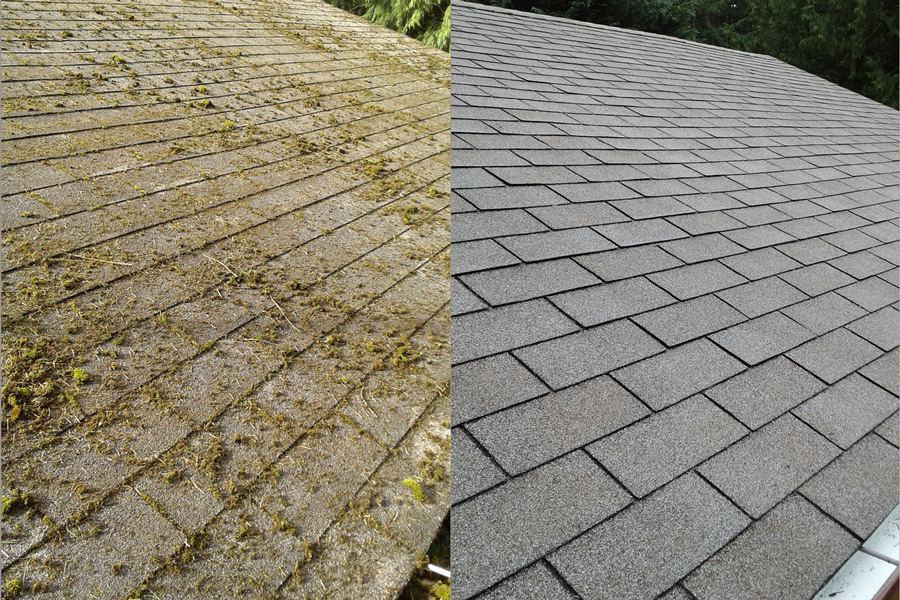
Impact: The danger of moss lies in its ability to retain moisture. When water settles on a clean roof, it can air dry without lingering for too long. When moss grows abundantly, it acts as a heavy blanket on top of your roof that holds the water in place. As it grows thicker, it lifts and loosens the shingles, allowing water to leak through. This extra moisture can lead to mold, rot, and eventually, the decay of the roof’s framing.

Ideally, once a surface is newly installed and a sealer is applied, a maintenance plan should be put in place to keep it looking beautiful for a lifetime.

We provide paver sealing across Long Island, including Nassau County, Suffolk County, Bay Shore, West Babylon, Babylon, Huntington, Smithtown, Oyster Bay, Hampton Bays, Riverhead and surrounding Hamptons communities.

Paver Sealing FAQs

How often should pavers be sealed on Long Island?

Most paver surfaces should be evaluated every few years, with timing depending on sun exposure, salt air, drainage, traffic and the type of sealer used. Gulf2Bay can inspect the surface during a free estimate and recommend the right maintenance interval.

What is joint stabilizing sealer?

Trident joint stabilizing sealer helps lock joint sand in place, reduce washout, limit weed growth and improve paver stability. Gulf2Bay uses Trident joint stabilizing sealer options with Fungal Guard for added protection against algae, mold and moss.

Do you clean pavers before sealing them?

Yes. Pavers should be cleaned before sealing so dirt, algae, mildew and stains are not trapped under the sealer. Gulf2Bay’s process combines cleaning, joint sand stabilization and sealing for a more complete restoration.

Can you seal patios, walkways, pool decks and driveways?

Yes. Gulf2Bay seals paver patios, walkways, pool decks and driveways across Long Island and the Hamptons. The estimate will account for surface size, condition, access and finish preference.

What sealer finish should I choose?

Natural-look penetrating sealers preserve the original appearance while improving water repellency. Film-forming sealers can add a richer matte, satin or gloss appearance. Gulf2Bay can recommend the best option for your paver type and desired finish.

Ready to restore and protect your pavers? Get a Free Estimate from Gulf2Bay Softwash for paver cleaning and sealing on Long Island.

Paver Cleaning & Sealing
trident logo

BUNDLE ANY 3 SERVICES AND SAVE 10% ON THE ENTIRE JOB!