Ultimate Deck Restoration Guide Before Christmas
Preparing a Christmas-ready deck means more than hanging lights; it requires a focused safety inspection, thorough cleaning, and weather-ready protection so guests stay safe and the surface looks its best for holiday gatherings. This deck restoration guide shows homeowners how to inspect, clean, and protect decks for safe, attractive holiday use while explaining when to call a professional for deck restoration. You will learn a clear deck inspection checklist, the safest deep-cleaning methods for holiday prep, and timing and product choices for staining and sealing before winter arrives.
The advice prioritizes practical steps you can complete in a weekend, plus indicators that call for professional intervention. For homeowners on Long Island seeking professional help, Gulf2Bay Softwash is a local provider specializing in eco-friendly soft washing and Deck Cleaning & Staining, mentioned here only to connect readers with a vetted professional option if needed. Read on for checklists, comparison tables, and step-by-step remediation that make a Christmas-ready deck both safe and photo-ready for holiday entertaining.
How do you perform a Christmas-ready deck safety inspection?
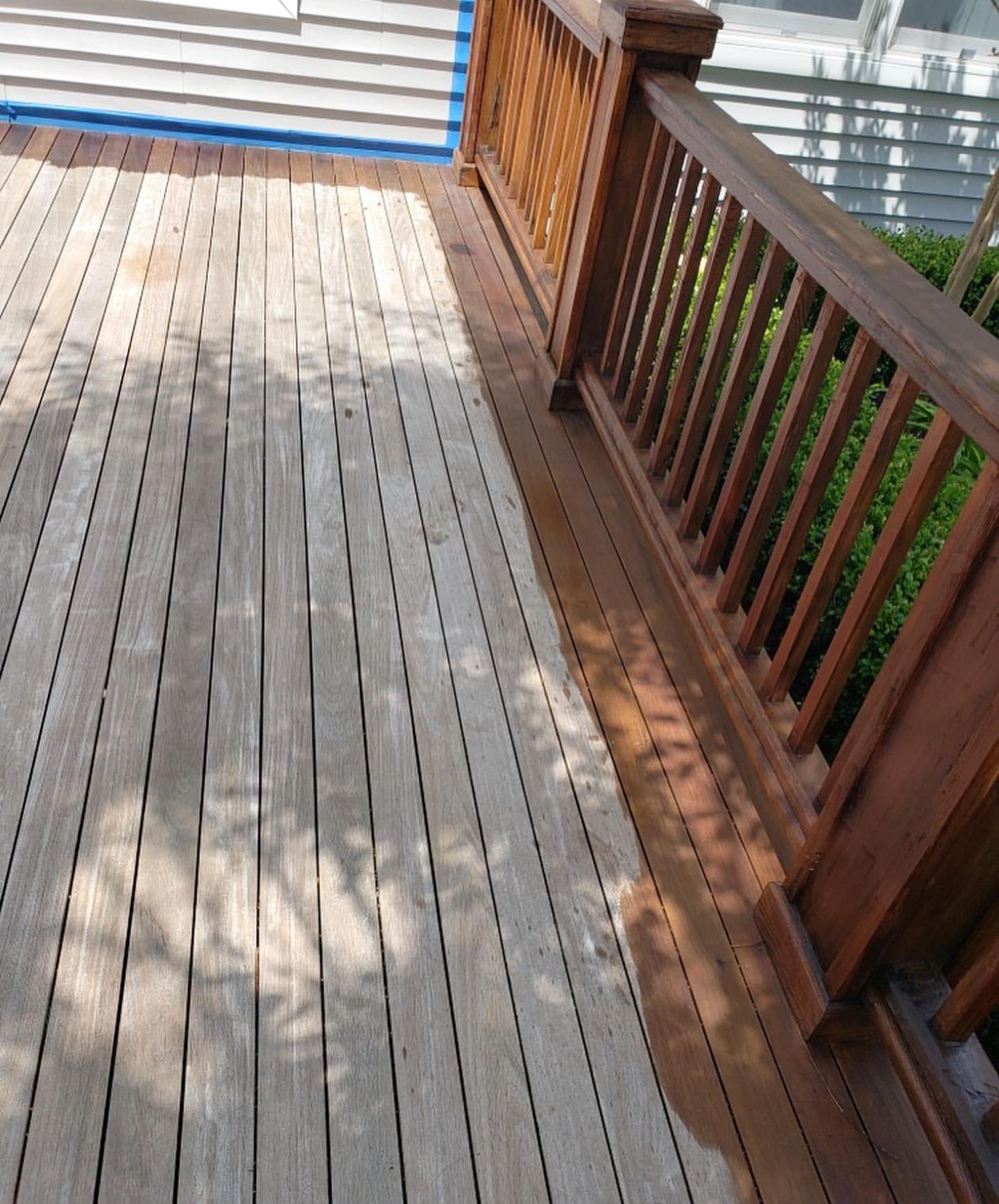
A Christmas-ready deck safety inspection is a structured review of visible and hidden deck elements to identify hazards that could cause trips, falls, or structural failure. Begin by scanning deck boards, railings, joists, and fasteners for movement, obvious rot, or loose hardware, then test handrails and stairs for rigidity; performing these checks reduces accident risk during holiday gatherings. Pay special attention to areas under planters and near gutters where water accumulates—a common issue we address during cedar restoration in the hamptons—because trapped moisture accelerates decay and hidden soft spots develop where boards look intact. The final step is prioritizing repairs into immediate-safety, short-term, and cosmetic buckets to guide DIY fixes versus professional intervention.
Inspect your deck using this numbered checklist to capture critical safety items before holiday use:
- Test railings and stair handholds for tightness and play; loose rails are immediate safety risks.
- Probe boards with a screwdriver at suspect spots to detect soft rot or delamination.
- Scan for protruding or rusted fasteners and replace or tighten any that move.
- Identify trip hazards, split boards, warped edges, or uneven transitions to doors.
- Check joists and ledger connections from below for sagging, rot, or insect damage.
This checklist prioritizes actionable safety tasks you can complete in an afternoon; after addressing visible hazards, the next step is distinguishing cosmetic concerns from issues needing professional inspection or structural repair.
What signs of damage or wear indicate that a restoration is needed?
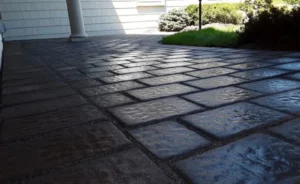
Visible and tactile signs help determine if a deck needs full restoration rather than spot repairs. Indicators include widespread soft or spongy boards, deep staining that resists cleaning, large patches of persistent mold or mildew, consistent water pooling, and multiple loose or corroded fasteners; these suggest underlying wood degradation or failing protective finishes. Warped boards that create gaps, sagging sections in the walking surface, or a ledger showing movement are structural red flags that require rapid attention. For composite decks, look for surface crazing, delamination at seams, and hardware corrosion issues that often need specialized remediation rather than standard refinishing. If you observe these signs across multiple areas, schedule repairs promptly; additionally, ensuring your walkways are safe with paver cleaning & sealing will help avoid further deterioration and ensure holiday safety.
When should you schedule a professional inspection before the holidays?
Schedule a professional inspection if you discover safety-critical signs or if your holiday date is within a tight timeline that leaves little room for DIY fixes. As a rule of thumb, homeowners should book a pro 3–4 weeks before a major holiday when repairs are likely, allowing time for estimates, material drying, and any follow-up work. Immediate professional attention is warranted for structural concerns such as joist rot, ledger separation, or large sagging areas because these issues can require permit-level repairs or structural shoring. If the deck is mainly cosmetic but you prefer a guaranteed result for holiday hosting, professional cleaning and staining can be scheduled on shorter notice, but factor in the recommended cure times for sealers and stains.
What is the best way to deep-clean your deck for holiday gatherings?
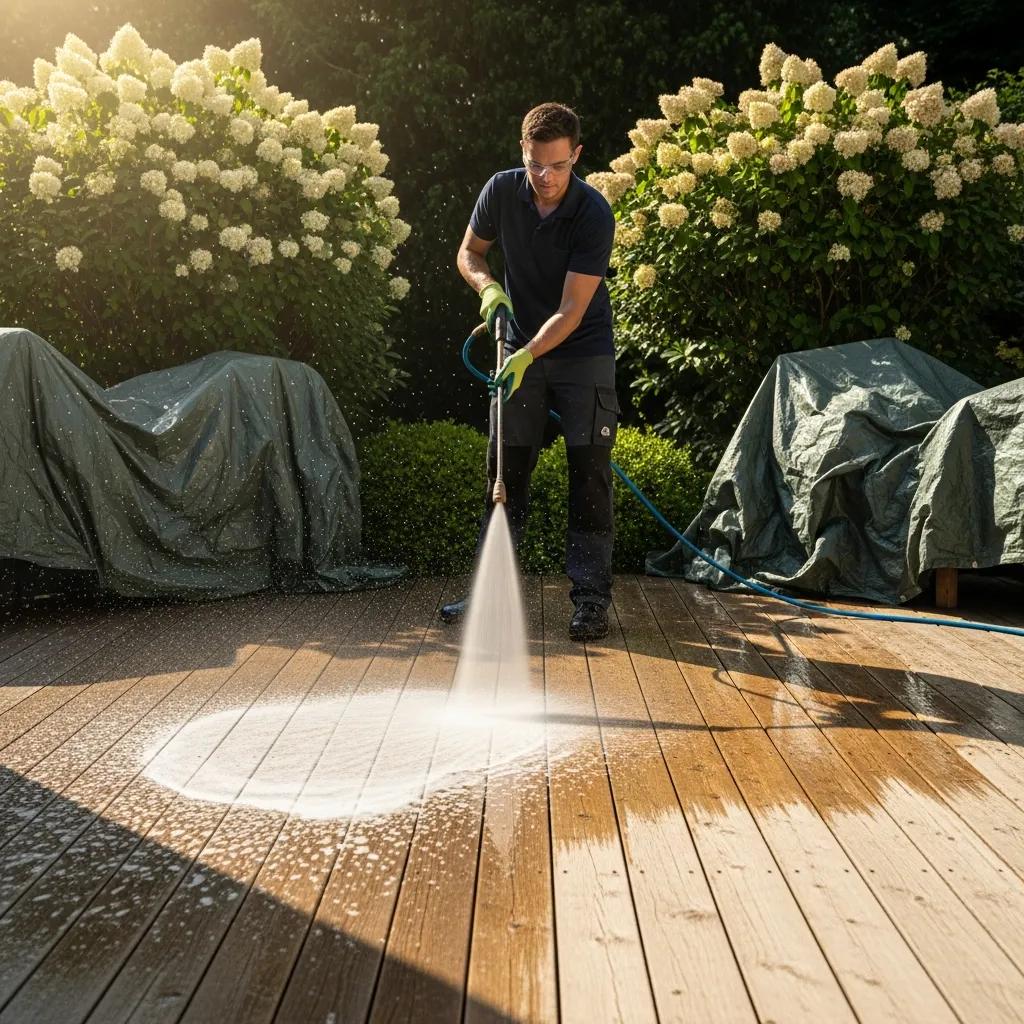
Deep cleaning a deck for holiday gatherings removes biological growth and grime while preserving the decking material and finish. Soft washing and gentle scrubbing accomplish this without damaging the fibers. Soft washing employs a low-pressure application of eco-friendly cleaning solutions to break down mold, mildew, and organic stains, thereby reducing the risk of damage compared to high-pressure washing, which can etch wood and strip finishes.
For DIY prep, remove furniture and décor, sweep debris, pretreat heavy mildew with a targeted cleaner, apply a soft wash or gentle detergent per directions, let dwell, then rinse on low pressure and allow full drying before decorating. For homeowners who prefer a professional approach or need heavy remediation, consider certified soft-wash technicians who specialize in deck cleaning for holidays to protect the substrate and nearby landscaping.
Below is a concise comparison of cleaning approaches to help decide which method fits your deck and holiday timeline.
| Method | Damage Risk | Eco Impact | Effectiveness | Ideal Surfaces |
|---|---|---|---|---|
| Eco-friendly Soft Wash | Low — preserves wood fibers | Low runoff risk when applied correctly | High for biological stains | Wood, composite, delicate finishes |
| High-Pressure Wash | High — can gouge and strip finishes | Higher runoff and splash | Fast for deep grime but aggressive | Concrete, heavily soiled hard surfaces |
| Hand Scrub + Mild Detergent | Minimal if done properly | Low | Good for spot cleaning and touch-ups | Stained wood, small areas |
This table shows that soft washing balances effectiveness and material safety for holiday deck cleaning; for heavy mold or structural concerns, a professional assessment is the recommended next step.
Why choose eco-friendly soft washing over high-pressure cleaning for holiday prep?
Eco-friendly soft washing uses biodegradable cleaning agents and low-pressure application to remove mold and grime without abrading wood fibers or degrading sealants; this preserves the deck’s structural integrity and finish. The mechanism relies on surfactants and targeted biocides that dissolve organic growth, followed by a gentle rinse that minimizes splash and runoff damage to plants and nearby landscaping.
Using soft washing reduces the likelihood of raised grain and splintering that often occurs after aggressive pressure washing, which helps coatings and stains adhere better when refinishing is planned. For holiday preparation, soft washing yields a clean, stable surface that allows faster return-to-use and reduces the risk of visible damage on the day guests arrive.
How do you remove mold, mildew, and grime safely before Christmas?
Effective mold and mildew removal follows a sequence: protect surrounding plants and hardware, apply a recommended eco-friendly cleaning solution, allow adequate dwell time for biological breakdown, agitate stubborn spots with a soft brush, then rinse gently and dry. Use PPE gloves and eye protection, and shield shrubs with plastic sheeting when treating a deck; neutralize runoff per product directions to minimize environmental impact.
For persistent infiltration beneath boards or recurrent growth after cleaning, professional remediation may be necessary because repeated surface treatments can indicate deeper moisture management or drainage issues. After cleaning, let the deck dry fully before applying any finish or arranging holiday décor to ensure adhesion and safety.
How can you protect your deck for winter with staining and sealing?
Staining and sealing add a protective layer that repels moisture and reduces freeze-thaw damage, extending deck life through winter months while improving aesthetics for holiday entertaining. The mechanism is simple: penetrating oils or stains saturate or coat the surface, creating a barrier against water absorption and UV degradation; this reduces swelling and splitting when temperatures fluctuate.
For wood decks, selecting the right finish and applying it under favorable weather conditions ensures the protective film cures properly and performs through winter. If you plan to stain or seal before winter, prepare by cleaning and allowing full drying, then follow the manufacturer’s cure-time guidance so the surface is fully set before the first freeze.
Choose finishes based on material and winter exposure; the table below summarizes common options and their ideal applications.
| Finish Type | Weather Resistance | Appearance | Ideal Material |
|---|---|---|---|
| Penetrating Oil | Moderate — soaks in, repels moisture | Natural, low sheen | Solid wood decks where the grain should show |
| Semi-Transparent Stain | High — film-forming with color | Tinted but shows grain | Wood requiring color uniformity and water shedding |
| Solid Stain | Very high — thick coating | Opaque, paint-like | Weathered wood or where a maximum UV/moisture barrier is needed |
This comparison helps match finish selection to material and winter exposure; next, timing ensures the product cures before cold weather arrives.
Which finishes resist cold weather and suit wood vs. composite decks?
Penetrating oils work well on dense, unfinished woods to preserve natural grain while offering moderate moisture resistance, but they require more frequent reapplication in harsh climates. Semi-transparent stains provide a balance of water-shedding and aesthetic enhancement for wood, promoting better freeze-thaw durability than oils while letting wood character show.
Solid stains offer the most robust barrier against moisture and UV for older or heavily weathered wood, but change the surface appearance significantly. Composite decks typically require manufacturer-recommended cleaners and, in many cases, do not need traditional stains; when enhancing composite appearance, use products specifically labeled for composite surfaces to avoid adhesion problems.
When is the optimal time to seal or stain before winter?
Apply stain or sealer when daytime temperatures consistently stay above the product’s minimum (commonly 50°F), and you have at least 48–72 hours of dry weather for proper curing. As a practical rule, aim to complete staining or sealing at least 3–4 weeks before expected freezing temperatures to allow full cure and adhesion, especially on Long Island, where late-season cold snaps can arrive early.
Avoid applying under high humidity or direct, intense sun, which can trap solvents or cause uneven drying; prepping the surface with a thorough clean and full drying period is essential. Finally, perform a small test area to confirm appearance and adhesion before treating the entire deck — and if your property also features cedar siding or a cedar roof, our cedar restoration on Long Island team applies the same meticulous prep-and-protect process to keep those surfaces in top condition heading into winter.
Why Gulf2Bay Softwash is the right choice for holiday deck restoration in Long Island?
Gulf2Bay Softwash is a local Long Island pressure-washing service that offers eco-friendly soft washing and a Deck Cleaning & Staining service, positioning them as a practical vendor for homeowners who prefer hiring professionals for holiday deck restoration. The company emphasizes eco-friendly soft washing methods and employs experienced, certified technicians, including SoftWash Systems™ Authorized Professionals, which supports reliable surface-safe cleaning and careful runoff management around landscaping.
Homeowners looking for a full-service option can request the Deck Cleaning & Staining service for combined cleaning and protective finishing, enabling a single coordinated visit ahead of holiday events. To start, homeowners typically request a quote or schedule an inspection to determine scope; this approach ensures the professional plan aligns with safety priorities and timing for winter-cure windows.
Eco-friendly methods, certified technicians, and the Deck Cleaning & Staining service you offer?
Gulf2Bay Softwash’s stated strengths focus on surface-safe, eco-conscious cleaning and combined restoration offerings such as Deck Cleaning & Staining, which addresses both cleaning and protective finish in one service flow. Their eco-friendly soft washing approach reduces the physical stress on wood while using biodegradable cleaners designed for biological stain removal, supporting both deck longevity and landscape protection.
The presence of certified technicians and SoftWash Systems™ Authorization indicates training in low-pressure techniques and appropriate chemical application, which helps ensure a consistent, material-appropriate result. Homeowners requesting the Deck Cleaning & Staining service can expect a coordinated process where cleaning, drying, and finish application are sequenced to meet curing windows before winter.
Local service areas, success stories, and how to start with our pressure washing service?
For homeowners on Long Island, engaging a local provider streamlines scheduling and ensures familiarity with regional weather patterns that affect staining windows and cure times. Begin by requesting an inspection or quote to identify safety priorities and timing needs; the initial assessment typically outlines recommended cleaning, any required repairs, and finish options to meet your holiday timeline.
Local case studies and before/after galleries, when available on a provider’s public materials, help confirm expected outcomes for similar deck materials and exposures. After the estimate, coordinate dates that allow the recommended drying and cure periods so your deck is fully ready for holiday use; please contact us to get started.
- Request an inspection or quote: Have a professional assess safety and restoration needs.
- Agree on scope and timing: Confirm cleaning, repairs, and finish curing windows.
- Schedule work with freeze-window in mind: Allow proper drying before the first freeze.