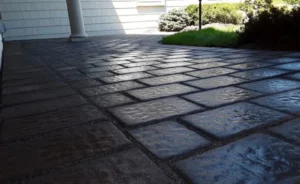
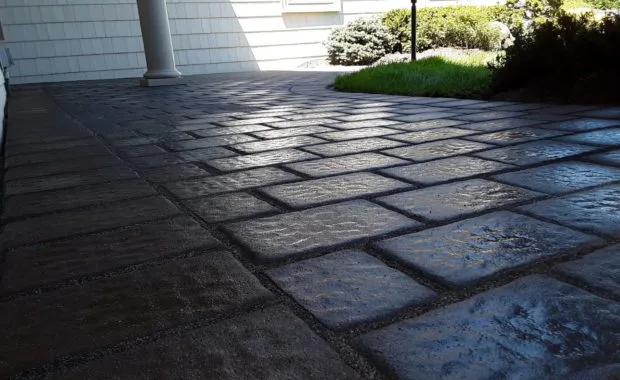
Sealing and cleaning your pavers is the very best way to protect the investment you’ve made in your walks, patios, driveways, pool decks, other hardscapes. Over time, pavers will get dirty and weeds will grow in between them. Since they are exposed to the elements, they require protection and regular maintenance to keep them looking beautiful for many years.
A quality paver cleaning can knock out weeds and remove stains to restore the surface like new. At Gulf2Bay SoftWash, we specialize in cleaning pavers and preparing them for sealing services. Our exclusive paver cleaning methods and products will give you the best results possible.
Protect Your Hardscape Investment
Pavers take a beating from more than just foot traffic. UV rays fade the color, freeze-thaw cycles crack the surface, and salt exposure along the South Shore eats away at the joints. Hamptons properties with coastal exposure see this accelerated damage more than most. The result is a faded, weed-riddled surface that detracts from your home’s curb appeal.
How Weeds and Moss Damage Paver Joints
When joint sand erodes, weeds move in. Their roots push deeper into the base, displacing the pavers and creating uneven surfaces. Moss traps moisture against the stone, accelerating freeze-thaw damage in Long Island winters. Regular cleaning and re-sanding stops this cycle before structural damage sets in.
The Professional Paver Cleaning Process
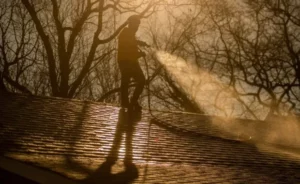
Here’s what a proper restoration looks like. First, we inspect the surface for damage, loose pavers, and problem areas. Then we apply a soft wash treatment to kill organic growth and break down ground-in dirt. Stubborn stains get spot treatment. After the surface dries, we stabilize the joints with fresh polymeric sand and apply a premium sealer. The sealing step locks out moisture, prevents weed regrowth, and restores the original depth of color.
What About Salt Damage on Suffolk County Properties?
Sodium chloride and calcium chloride used for de-icing on Long Island roads and driveways seep into paver joints and accelerate erosion. On waterfront Hamptons properties, salt spray deposits sodium onto exposed hardscapes year-round. This salt crystallization causes surface spalling — tiny pits and flakes that dull the paver finish. A professional cleaning and sealing routine counteracts this damage before it becomes permanent.
Sealing To Perfection
Why Polymeric Sand Beats Standard Joint Sand
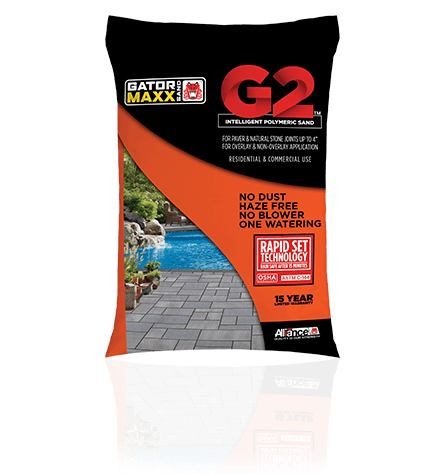
Polymeric sand contains polymers that activate with water, creating a flexible bond that locks the joints. GATOR MAXX G2 takes it further with intelligent polymers that resist weed growth, ant intrusion, and freeze-thaw heaving. For Long Island driveways that see salt exposure and freeze cycles, polymeric sand is the difference between a surface that lasts 10 years and one that needs re-sanding every season.
How Often Should You Clean and Seal Pavers?
For Long Island properties, spring is cleaning season. A thorough soft wash and joint reset after winter’s freeze-thaw cycle sets you up for the year. Sealing in early fall before the first frost locks in protection through the cold months. High-traffic areas like pool decks and driveways may need attention every 2-3 years. Patios and walkways can go 3-4 years between full restorations. Paver sealing in coastal Hamptons areas needs to happen more frequently — every 2 years instead of every 4 — because salt exposure breaks down the sealer faster.
Signs Your Pavers Need Resealing
Water stops beading on the surface. The paver color looks faded or chalky. Joint sand is washing out between rains. Weeds are sprouting in the cracks. If you see any of these, the sealer has worn through and your pavers are no longer protected.
More Benefits of Restoring and Sealing Pavers
Protection That Pays for Itself
The upfront cost of sealing is recovered in reduced maintenance and extended paver life. Unsealed pavers need replacement 5-7 years sooner in Long Island’s freeze-thaw climate. Sealing every 3-4 years costs a fraction of replacing the entire hardscape.
- Inhibits weeds and grass in joints
- Reduces moss growth
- Deters ants and other insects
- Prevents loss of sand in joints
- Helps repel oil, grease, grime and stains
- Easier routine cleaning
- Enhances color, texture and brightness
- Resists the effects of harsh weather conditions
- Provides protection from salt damage
- Reduces surface deterioration and wear
- Presents pavers from shifting
- Assures long lasting beauty and value
Why Clean Your Pavers? We save more than pavers!
Beyond Pavers: Concrete, Stone, and More
The same soft wash process that restores paver patios works on poured concrete walkways, natural stone entryways, and precast steps. The biodegradable cleaning solution is safe for all hardscape materials and won’t harm surrounding landscaping.
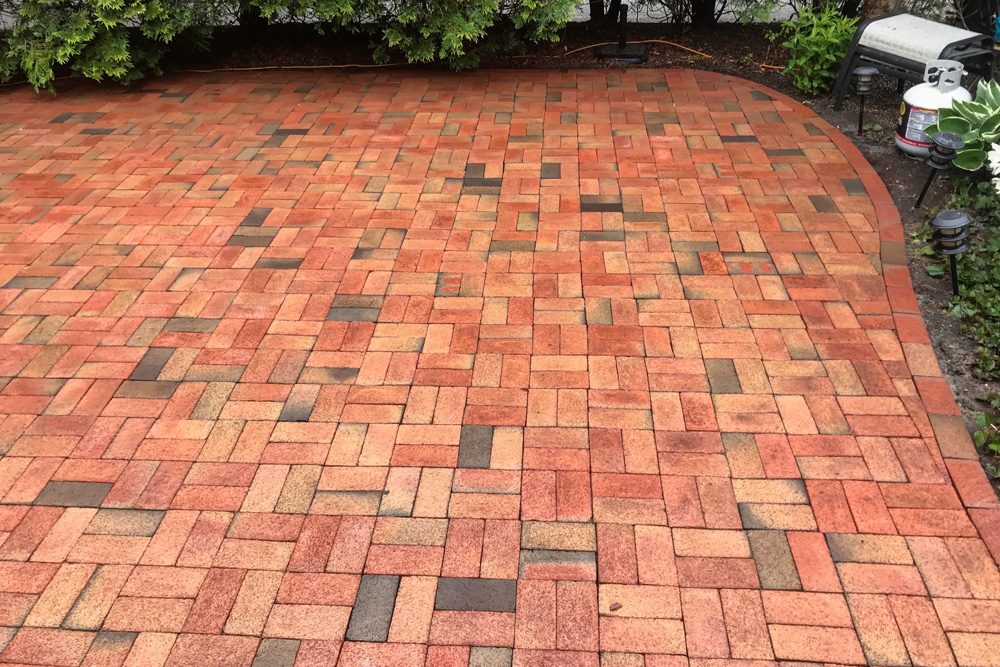
Gulf2Bay SoftWash can also clean and protect poured concrete, natural paving stones, stairs, and any part of your home’s exterior.
Call me at (631) 557-5484 to schedule a paver inspection and get your hardscapes looking like new.