How Often Should You Soft Wash a House?
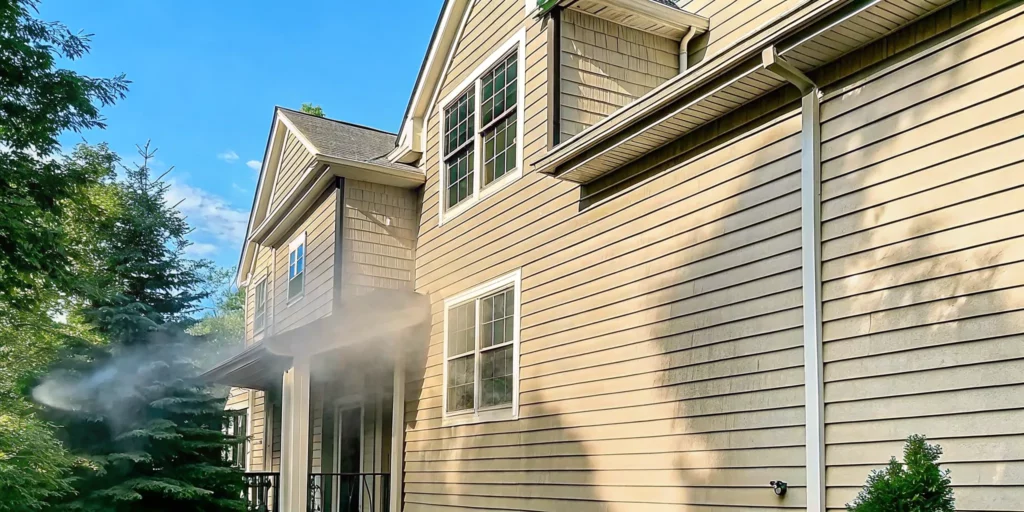
Green algae and dark streaks on your siding are clear signs that your home needs expert care. These growths trap moisture and can gradually damage exterior finishes. Choosing the right cleaning schedule helps you protect the house and improve curb appeal.
Request a residential house washing assessment from Gulf2Bay Softwash.
Most Long Island homes benefit from soft washing every one to three years. Homes exposed to heavy shade, dense trees, shoreline salt, or persistent moisture may need service every year. Inspect the siding each spring and schedule cleaning when green growth, dark streaks, pollen film, or salt residue appears.
Gulf2Bay Softwash evaluates the siding material, exposure, and visible growth before recommending a schedule. Long Island conditions vary from one property to the next, so the right interval is based on what the home faces rather than a fixed calendar.
How often should you soft wash a house on Long Island?
Most experts recommend that you soft wash your home every one to three years. This time frame keeps your siding safe and your home looking new. For many homeowners on Long Island, a yearly wash is the best choice. The local climate brings a lot of moisture and salt air. These things can make your house get dirty much faster than homes in drier areas.
Why the frequency varies
Several things change how often should you soft wash a house. One big factor is how much shade your home gets. If you have many tall trees, your siding might stay damp. Mold and algae love wet spots and will grow there quickly. In these cases, a yearly wash is needed to stop the growth before it stains your home. Soft washing is different from pressure washing. It uses low-pressure water and safe soaps to clean. This method is much gentler on your home. It also lasts four to six times longer than old-style pressure washing. Because the soaps kill the roots of mold and algae, they do not grow back as fast. This means you can often go longer between washes while still keeping your home safe. The type of siding you have also plays a role. Vinyl and metal siding can hold onto dirt and grime. To keep these surfaces in good shape, you should plan for regular house washing maintenance. This routine care helps your home last longer and look better. The CDC says that cleaning surfaces is a key first step to keep a home healthy and safe.
Spring is the best time to wash
The best time for this work is in the spring. Between March and May, you can wash away the dirt from the winter. This is a great time to treat algae before it hits its peak growth phase in the summer heat. If you wait until it is hot and humid, the green spots can spread across your whole house in just weeks. Living near the water adds more risk to your home. Salt from the ocean air can stick to your siding. Over time, this salt can eat away at paint and other finishes. A yearly soft wash removes this salt crust. This simple step can save you from having to repaint your house too soon. It is a cost-effective way to protect your home.
How to know when you are due
You should also watch for clear signs that your home needs help. These are not just ugly; they can also hurt your home. Algae can make building materials more porous, which leads to damage over time. Look for these common issues:
- Dark streaks on your siding or roof.
- Green moss or algae growth.
- Black spots or mold.
- Dirt buildup under the eaves.
You can do a simple check each season. Walk around your house and look at the shady sides. Check the areas under your gutters too. If you see dirt or mold, do not wait for the three-year mark. Getting an expert wash now will keep the problem from getting worse. Most pros offer free checks to help you decide if it is time to wash.
Why Long Island conditions change the schedule
Homeowners on Long Island face unique weather factors that dictate regular house washing maintenance schedules. Local climate traits like high humidity and salt air can cause dirt to build up faster than in drier regions. While most experts suggest cleaning your home once per year, specific property traits may require more frequent care to keep surfaces safe.
Salt air and shoreline exposure
Living near the water brings beauty but also creates a tough environment for your home siding. Salt spray from the Atlantic Ocean or the Sound can settle on walls, windows, and roofs. This salt crust traps moisture against the surface, which leads to damage over time. If your home is within a few miles of the coast, you might need to wash the exterior twice a year to stop salt from eating away at paint or metal trim.
The CDC notes that cleaning removes dirt and impurities, which is a key first step for home health (cdc.gov). For coastal homes, this regular cleaning is vital to prevent the pitting and wear caused by salt buildup. Keeping a fresh surface helps your home resist the harsh effects of the sea breeze all year long.
Tree canopy and shade factors
Properties with many tall trees or heavy shade often deal with faster algae growth. When sunlight cannot reach your siding, moisture stays on the surface much longer after a rain. This damp shade is the perfect spot for green algae and black mold to thrive. Algae can actually harm building materials by increasing how porous they are (academia.edu).
In these shaded areas, Long Island house washing may be needed more often than for homes in open sun. You should look for green streaks on the north side of your house or under low-hanging branches. If you see these signs, it is time to schedule a soft wash before the growth spreads to your roof or gutters. Early action keeps the growth from staining your siding or causing deep rot.
Humidity and seasonal growth cycles
The high humidity on Long Island creates a boom-and-bust cycle for biological growth. Warm, damp air in the summer helps mold and lichen grow quickly. Once these organisms take hold, they can survive through the winter and return even stronger in the spring. This is why a proactive plan for professional house washing services is so important for local property value.
Many homeowners find that an early spring wash is best for removing winter grime before the heat arrives. Treating surfaces early stops algae colonies from hitting their peak growth phase. By washing your home in the spring, you clear away the food source for mold and keep your siding bright all through the busy summer months. This timing helps you get the most out of each cleaning service while protecting your home from seasonal wear.
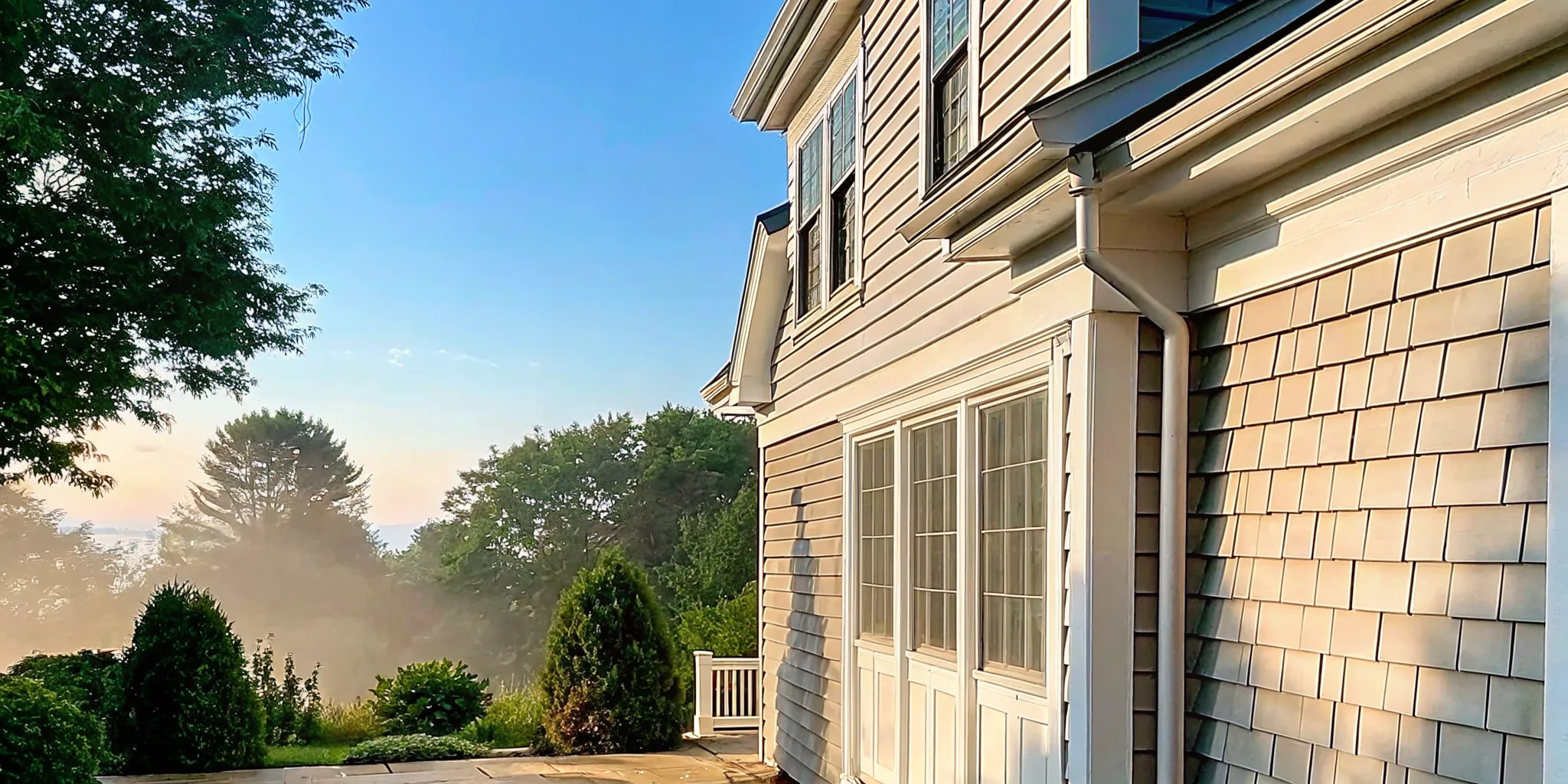
A condition-based soft washing frequency guide
You may wonder how often should you soft wash a house to keep it safe. Most experts say a full clean every one to three years is a good goal. This cycle keeps dirt from building up on your walls. It also stops growth before it can hurt your home. Your own plan will depend on your local area and the type of siding you have.
Factors that change your timing
Your home site plays a big part in its cleaning needs. Homes with many trees nearby often see more moss and grime. Large trees create shade that keeps walls damp for a long time. This wet shade helps algae grow fast on your siding. Regular house washing maintenance helps stop this damage before it starts.
The perks of the spring window
Early spring is the best time to wash your home in New York. The months from March to May offer a great window to remove winter grime. Algae starts to grow fast as the air gets warm and damp. Treating your siding early stops these plants before they peak. A fresh wash in the spring sets your home up for the sunny months ahead.
The CDC notes that you should clean your home when it is clearly dirty. For most Long Island homes, this happens at least once a year. If you have vinyl or metal siding, a yearly wash is the best way to keep it bright. Early spring is often the best time for professional exterior cleaning to clear away winter dirt.
Compare cleaning needs by home site
| Site Light | Washing Cycle | Main Concern |
|---|---|---|
| High Shade | Every 1 year | Algae and moss growth |
| Full Sun | Every 2-3 years | Dust and sun fading |
| Near Coast | Every 1 year | Salt and wind grime |
| Wooded Areas | Every 1-2 years | Tree sap and mold |
Signs your home needs a wash
You do not need to wait for a fixed date to book a clean. Look for clear signs that growth is starting on your walls. Dark streaks on your roof or siding are often a type of hardy algae. These small plants can trap water and eat into your home parts. This leads to holes and rot over time.
Check for these signs on your home siding:
- Dark green or black stains on the north side of the house.
- Thick mud or dirt near the base of the walls.
- Gray or brown spots that do not go away after a rain storm.
- Moss or lichen growing in the gaps between your siding panels.
Routine care keeps these pests away from your home. It also helps keep your home value high for years to come. Soft washing lasts much longer than old high-pressure sprays. It uses safe soaps to kill growth at the root. This method means you spend less time on house chores and more time being in your home.
What signs mean your house needs soft washing?
Checking your home for dirt and growth is a smart part of how often should you soft wash a house. You do not always need to wait for a full year to pass. Instead, look for clear clues on your siding and roof that it is time for a deep clean. Local weather or nearby trees can make a house get dirty much faster than others.
Visible growth and stains
One common sign you need Long Island house washing is the sight of green or black spots. These are often living things like algae, moss, or lichen that thrive in wet spots. Black streaks on your roof or siding are usually a type of hardy algae. These growths are more than just a cosmetic issue for your home.
Living colonies can cause real harm to building materials over time. Research shows that algae can lead to more surface pores and material decay. You can find more about how these growths affect building health through academic studies on material decay. Cleaning these surfaces when they are visibly dirty helps keep your home in good shape.
Grime and pollen buildup
If your siding looks dull or grey, it may have a layer of dust and grime. This buildup often happens near busy roads or areas with many trees. Pollen can also coat your house in a yellow film during the spring months. These layers can trap moisture against your home. Keeping surfaces clean is a key step to help stop the spread of germs and dirt according to guidelines from the CDC.
You may also see thick webs from spiders or nests from bugs in the corners of your eaves. While these may seem small, they add to a dingy look. A full wash removes these traces and brings back the bright look of your home. Choosing professional house washing services can lift these layers safely without the risk of damage from high pressure.
Does siding type affect how often you should clean?
The type of siding on your home is a big factor in your maintenance plan. Some materials trap dirt and pollen more than others. This changes the answer to how often should you soft wash a house. You must look at what your home is made of to pick the best schedule. Location also plays a part, as homes near the water or woods face more salt and damp air.
Vinyl and composite siding
Vinyl is a common choice for many homeowners on Long Island. It is tough, but its smooth surface can still collect dust and mold. Static can even pull dirt to the surface on dry days. Experts often say you should clean vinyl or metal siding at least once a year. Regular care keeps the colors bright and prevents stains from setting in. This annual check helps you find small issues before they become big repairs. Composite siding acts much like vinyl but can have a wood-like grain that holds onto more grime.
Stucco and painted surfaces
Stucco has a rough feel that fast catches spores and dirt. This material can hide algae deep in its small pits. These growths can cause damage over time through a process called acidolysis. This makes the surface weak and prone to cracks. Research shows that algae can break down building materials by making them more porous. Because of this, stucco might need regular house washing maintenance to stop the growth before it spreads. Painted wood or brick also needs a light touch. Soft washing protects the paint bond while removing the chalky film that builds up from the sun.
Cedar and natural wood
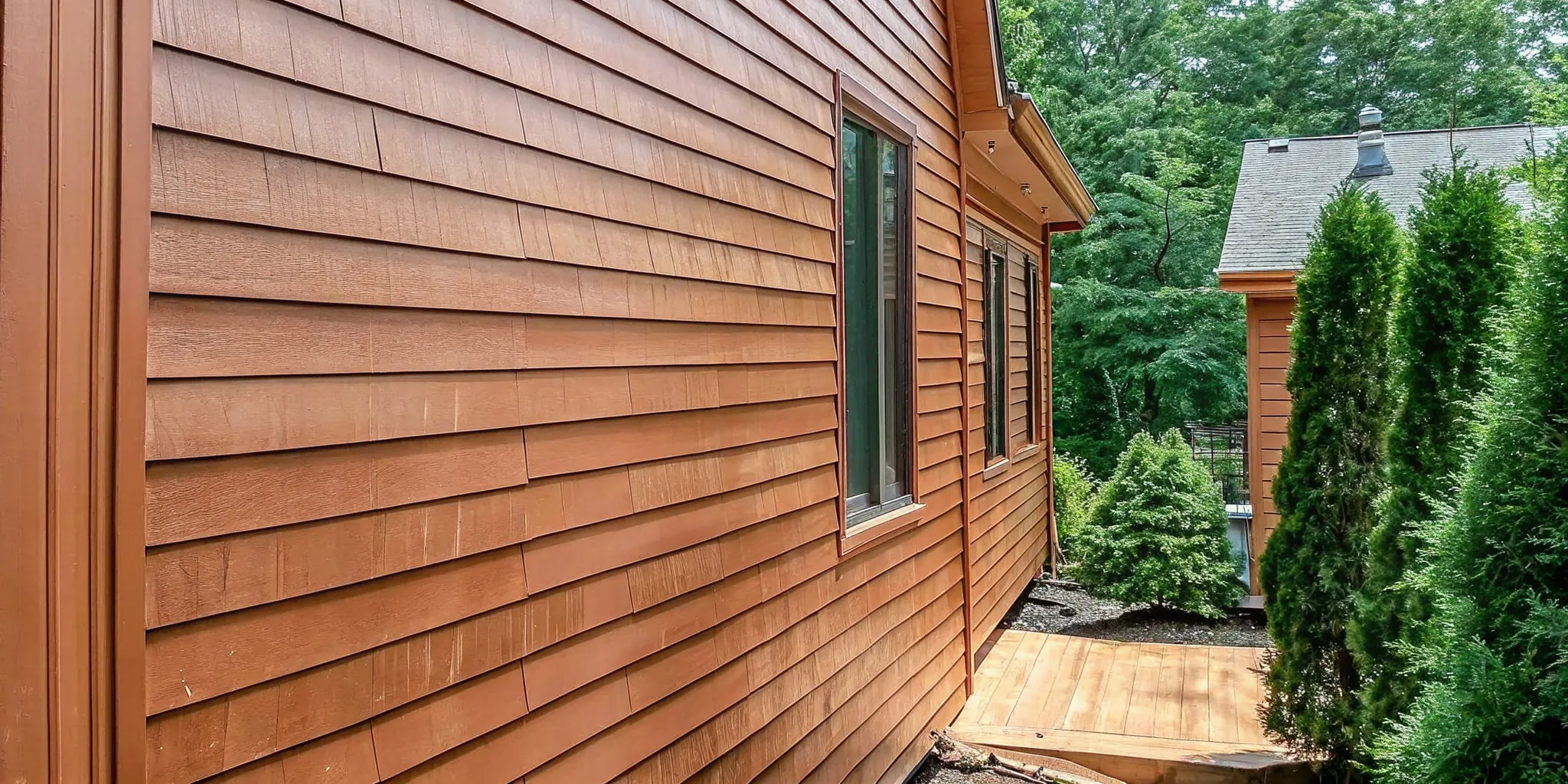
Natural wood, like professionally restored cedar, is beautiful but needs a soft touch. Harsh pressure can strip the finish or gouge the wood. When you ask how often should you soft wash a house with wood siding, the answer depends on the shade and humidity. Wood in the shade stays wet longer. This leads to moss and rot. Professional house washing services use low pressure to clean wood without any damage. This helps the wood last longer and look its best. Clean wood also takes stain and oil better, which saves you money on future paint jobs.
Cleaning removes most dirt and germs, which is a needed first step to keeping a home safe. Using Long Island house washing experts ensures the right mix of soaps and water for your specific siding. A custom plan keeps your home exterior in top shape for years. You should check your siding every spring to see if winter storms left behind debris or salt. Taking an early step now avoids the cost of deep stains or wood rot later.
Book a Gulf2Bay Softwash assessment before staining becomes harder to remove.
What happens during a professional house soft wash?
A professional soft wash is a safe way to clean your home. It uses low water pressure and special soaps to kill mold and algae. Unlike high-pressure washing, this method will not hurt your siding or roof. It is the best choice for wood, vinyl, and stucco. Most pros suggest a regular house washing maintenance plan. This keeps your home in good shape. Experts at the CDC note that cleaning removes dirt and germs from surfaces. This step is key for a healthy home.
Pre-wash check and setup
The process starts with a full check of your home. A pro will look for loose siding or cracks that could let water inside. They also cover your plants and outdoor lights to keep them safe. This careful start is why many homeowners choose professional house washing services instead of doing it themselves. After the check, the team sets up their tools and mixes the soaps.
Applying the soaps
Next, the team sprays a gentle soap on the walls. This mix is eco-friendly and safe for your family. It sits on the surface for a few minutes to break down dirt and kill algae. You might wonder, how often should you soft wash a house to keep it clean? Most experts say you should do it at least once a year. This keeps dark streaks and moss from growing on your siding. The soaps do all the hard work so there is no need for high pressure.
Low-pressure rinse
Once the soap has done its job, it is time to rinse. The team uses a low-pressure stream of water to wash away the soap and dirt. This pressure is about the same as a garden hose. It is safe for all types of siding, like vinyl and cedar. Regular rinsing helps your home stay clean for 4 to 6 times longer than old-style washing. After the final rinse, your home will look bright and new again.
- Site check: A pro looks for any damage or weak spots on the home exterior.
- Plant care: Workers cover your garden and grass with tarps or water them down first.
- Soap spray: The team uses low pressure to put the cleaning mix on the siding.
- Wait time: The soap sits for 10 to 15 minutes to kill mold and lift dirt.
- Soft rinse: A low-pressure rinse clears away the soap and all the grime.
- Final check: The team walks around the home to make sure every spot is clean.
How to plan your next house washing
Many folks want to know how often should you soft wash a house to keep it safe and clean. Planning your next wash starts with looking at your walls and the local weather. While some people pick a set date, it helps to watch for signs that your home needs care.
Watch for clear signs
Take a walk around your home to find dirt or dark streaks. These marks often mean algae or moss is growing on your walls. This growth is not just an eye sore. Algae can make your walls weak and more likely to trap water. If you see green or black spots, you should plan to wash your home soon.
Cleaning your home is a key task for anyone. It is the best way to clear away dirt and germs that build up over time. The CDC states that you should clean surfaces when they are clearly dirty or as needed. This simple step helps to keep your living space in top shape.
Pick the right time
On Long Island, many people plan their wash in the spring between March and May. This helps to remove winter salt and mud before the summer heat sets them in. Spring is also the time when algae grows the most, so a wash can stop it in its tracks.
But you can plan a wash at any time of year. Some people prefer the fall to clear away dust from the dry months. A clean home before the cold hits can stop stains from sitting on the walls all winter. Good regular house washing maintenance prevents long-term harm to your home.
Set a yearly plan
The best way to protect your home is to set a plan. Most pros say you should get a Long Island house washing at least once a year. This rule works well for vinyl, metal, and other walls. Routine care keeps your home looking new and helps it last for many years.
Soft washing is a great choice for this plan because it is safe for your home. It uses very low water pressure and safe soaps to kill dirt and roots. This method lasts up to six times longer than old pressure washing. By planning a soft wash each year, you keep your home clean without the risk of harm.
For related exterior care, explore Gulf2Bay Softwash’s deck restoration service, or contact the team for a property-specific recommendation.
Frequently Asked Questions
Can soft washing damage my flower beds and lawn?
Expert soft washing uses low pressure and safe soaps that are good for your property. To protect your plants, crews often wet the soil and rinse the leaves before and after the cleaning job. This ensures that the soaps only target the grime on your siding without harming your yard. This careful approach makes it a safer choice than high pressure methods for homeowners who care about their gardens.
Does soft washing a house last longer than pressure washing?
Yes, soft washing often lasts four to six times longer than old pressure washing methods. While high pressure only removes the surface dirt, soft washing uses soaps to kill the roots of mold and algae. This deep clean stops the living growth from coming back as fast. According to expert advice from Lighthouse Softwash, regular care helps keep your home outside in top shape for a much longer period.
Is there a specific time of year I should avoid house washing?
You should avoid soft washing during the peak of winter when the air is below freezing. Ice can trap cleaning soaps or damage your pipes if the water freezes too fast. Most pros on Long Island suggest booking your service between early spring and late fall. According to timing guides from Best Power Wash LI, spring is the best time to wash away winter grime and stop algae before it grows.
How do I get a price for soft washing on Long Island?
Most expert cleaning firms offer free on-site checks to give you a fair price. They will look at the size of your house and the type of dirt on your siding. This helps them create a plan that fits your needs. If you need several jobs done, ask about a price drop for a bundle. Many teams offer a ten percent discount when you book three or more services like roof and gutter cleaning.
Ready to set up your house washing schedule?
Contact Gulf2Bay Softwash for a residential house washing recommendation.
Leaving dirt and green algae on your siding does more than look bad. These growths can cause real harm to your home if they stay too long. They trap moisture and can rot your wood or stain your siding for good. Taking care of your home now saves you from big repair bills later on. A fresh clean will also make your house look like new right away. Our team can help you pick the best time for your Long Island house washing based on your local spot and the trees around your yard. We use low pressure water to make sure your siding stays safe and sound during the work. You can relax knowing that your property is in good hands with our skilled team.
Ready to book? Call (631) 894-6751 to request a residential house washing assessment.