IPE Deck Maintenance Long Island: A Seasonal Care Schedule
An IPE deck can handle Long Island’s coastal climate, but its appearance still changes under salt air, strong summer sun, damp shade, and winter debris. The right IPE deck maintenance Long Island homeowners need is not a rigid annual treatment. It is a seasonal inspection and care schedule based on how the boards look, feel, and drain. Cleaning removes buildup, oiling helps retain a rich brown color, and restoration addresses weathering that routine care can no longer correct.
Request a Gulf2Bay deck assessment to identify the right level of care before surface buildup or uneven weathering becomes harder to address.
What Makes IPE Deck Care Different on Long Island?
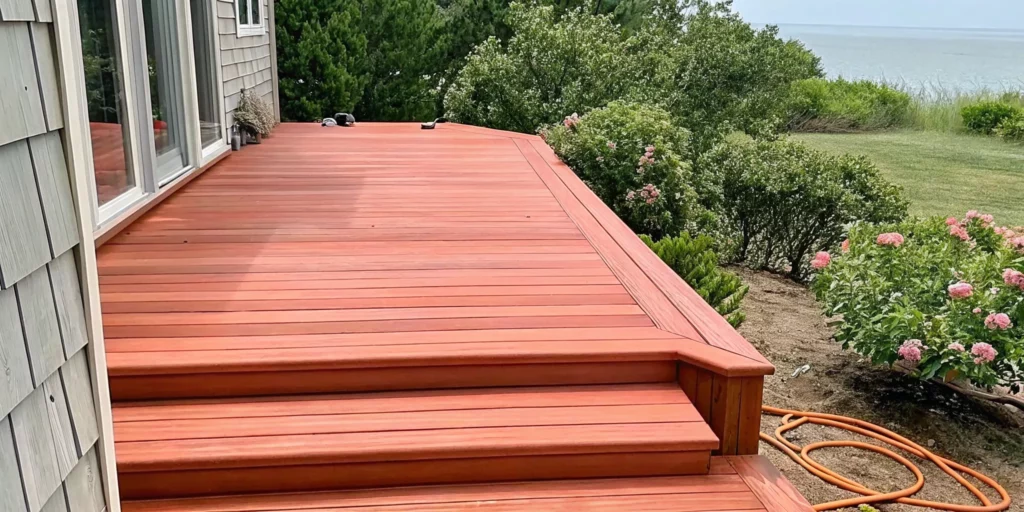
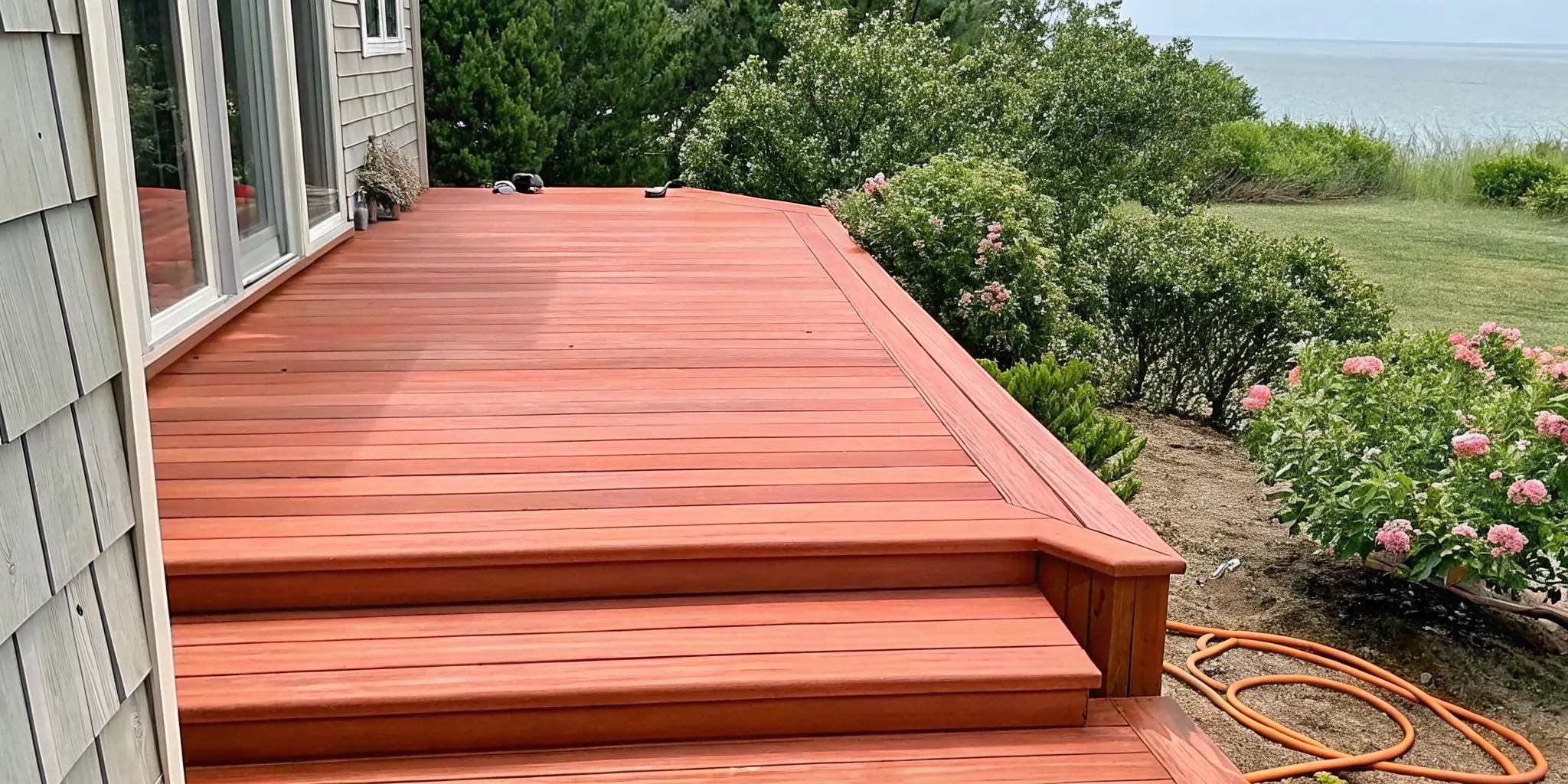
IPE is a dense Brazilian hardwood valued for outdoor applications. Its density and natural durability make it different from softer deck woods, but they do not make the surface immune to weathering. On Long Island, several exposure patterns can affect one deck at the same time:
- Salt air and windblown residue: Homes near bays, harbors, and the ocean can collect a fine film on horizontal surfaces. Salt also attracts moisture, so leaving heavy residue in place can keep the surface damp.
- Strong UV exposure: An open south- or west-facing deck can lose its brown tone faster than boards beneath an awning or tree canopy.
- Moisture and shade: Areas near plantings, under furniture, or beside a shaded home wall may stay damp longer and collect organic growth.
- Freeze-thaw weather: Winter moisture, snow, and trapped debris can expose drainage or fastening problems that are less obvious during summer.
The result is rarely uniform. One sunny section may turn silver-gray while a shaded corner develops dark buildup. A useful schedule accounts for those microclimates instead of treating the entire deck according to the most weathered board.
That same material-specific assessment is important when planning professional cedar siding restoration for another exterior wood surface.
The Short Answer: How Often Does an IPE Deck Need Maintenance?
Inspect an IPE deck at least twice each year, once in spring and once in fall. Clean it when dirt, pollen, salt residue, leaf tannins, or organic growth are visible. If retaining the warm brown color matters to you, assess the finish every 6 to 12 months in high-sun or coastal settings. More sheltered decks may need color maintenance less often.
Oiling is mainly an appearance decision. IPE naturally weathers toward a silver-gray patina when left unfinished. Some homeowners prefer that look. Others want to retain or restore the darker brown tone. Neither choice removes the need to keep the deck clean, clear drainage gaps, and investigate slippery areas or damaged boards.
A Seasonal IPE Deck Maintenance Schedule
Use the following calendar as a starting point, then adjust it for your deck’s exposure, surrounding landscape, and desired color.
Early Spring: Inspect After Winter
Begin once snow and ice are gone and the deck has had time to dry. Remove leaves, twigs, and material trapped between boards. Pay close attention to spots where winter debris held moisture against the surface.
- Check for raised fasteners, loose boards, splinters, and movement.
- Look beneath planters, rugs, furniture feet, and grill mats for dark outlines or trapped moisture.
- Confirm water can move through board gaps and away from the structure.
- Compare high-sun areas with shaded sections to identify uneven color or buildup.
- Note slippery areas, which may signal organic growth rather than ordinary dirt.
A spring inspection is also the right time to decide whether the deck needs ordinary cleaning or a deeper restorative process. The related guide to deck cleaning versus deck restoration explains the practical difference between those service levels.
Late Spring: Clean Before Peak Outdoor Season
For many Long Island homes, late spring is the best window for routine cleaning. Moderate temperatures make the work easier, and removing pollen, winter residue, and damp-season buildup prepares the deck for regular use.
IPE needs a controlled method. Start with dry debris removal and a careful assessment of stains and organic growth. Use products and methods appropriate for hardwood, follow product directions, protect nearby surfaces and plants, and avoid aggressive cleaning that scars the grain. High pressure used too close to the boards can leave visible marks and create an uneven surface.
Explore Gulf2Bay’s deck restoration service if the surface has widespread gray weathering, uneven color, or embedded buildup that routine cleaning will not resolve.
Early Summer: Decide Whether to Preserve Brown Color
After cleaning, allow the deck to dry fully and inspect the true surface condition. This is when homeowners who prefer IPE’s brown tone can decide whether oiling is appropriate.
An oil made for dense hardwood can deepen the color and slow visible UV graying. It does not work like a thick, film-forming coating. IPE absorbs a limited amount, so application technique matters. One thin, even coat and complete removal of excess product are important. Too much oil can leave a sticky surface, uneven sheen, or a finish that takes too long to cure.
Do not oil over dirt, salt residue, organic growth, or a damp surface. Check the product’s directions for preparation, weather, drying time, and application. If rain, direct heat, or heavy humidity will interfere with curing, wait for a better window.
Mid-Summer: Perform a Quick Coastal Exposure Check
Summer does not usually call for a full maintenance project, but a five-minute inspection after heavy use or coastal weather can prevent small issues from lingering.
- Move rugs and furniture occasionally so covered sections can dry.
- Rinse or gently remove visible salt and windblown residue when needed.
- Clean spills promptly according to the finish manufacturer’s guidance.
- Check shaded edges and stair treads for slippery buildup.
- Keep planters elevated and avoid allowing irrigation to soak one area repeatedly.
Uneven weathering often starts where furniture, shade, or irrigation creates a different exposure pattern. Periodic checks help you catch those patterns before the contrast becomes pronounced.
Fall: Clear Debris and Prepare for Wet Weather
Fall maintenance is less about changing the deck’s color and more about moisture management. Leaves and acorns can hold water against the boards and may leave dark marks or tannin stains. Sweep often enough to keep the deck and drainage gaps clear.
Inspect railings, stairs, transitions, and the perimeter. Check whether nearby gutters discharge onto or beside the deck. If the deck remains wet long after surrounding areas dry, investigate the cause rather than covering the symptom with another finish coat.
Not sure whether the deck needs cleaning, oiling, or restoration? Ask Gulf2Bay to assess the current condition and recommend the appropriate next step.
Winter: Avoid Damage During Snow and Ice Removal
During winter, focus on safe access and gentle snow removal. Avoid chopping or scraping the wood with sharp metal tools. Follow the deck and finish manufacturer’s guidance before using ice-melting products because some products can discolor wood or affect nearby materials.
There is usually no reason to oil or conduct cosmetic restoration during cold, wet conditions. Record any problem areas you notice, then reassess them in spring when the surface is dry and the full condition is visible.
Cleaning, Oiling, or Full Restoration: Which Does Your Deck Need?
These three services solve different problems. Choosing the wrong one can create extra work or hide a condition that needs closer attention.
| Level of Care | Best Fit | Typical Goal |
|---|---|---|
| Routine cleaning | Surface dirt, pollen, salt film, light organic buildup, or leaf residue | Return the deck to a clean, usable condition without changing sound wood |
| Oiling | A clean, dry deck when the homeowner wants to retain or deepen brown color | Improve color and slow the visible effects of UV weathering |
| Full restoration | Heavy gray weathering, blotchy previous finish, embedded buildup, surface damage, or widespread uneven appearance | Correct deeper appearance problems and prepare the surface for a consistent finish plan |
Cleaning is often the starting point because buildup can hide the true color and condition. Oiling should follow correct preparation rather than act as a shortcut around it. Full restoration requires a closer assessment, especially when an old coating, aggressive pressure marks, or damaged boards are involved.
Should You Let IPE Turn Silver-Gray?
Yes, if you like the look. Natural gray weathering is a valid finish choice for IPE. The important distinction is between a consistent silver-gray patina and a deck that is dirty, slippery, stained, or weathering unevenly.
A gray deck still needs routine cleaning and inspection. If the color is consistent and the boards are sound, you may choose not to oil. If the gray appearance is blotchy, dark in damp zones, or mixed with remnants of an old finish, a professional assessment can clarify whether cleaning or restoration is the better next step.
Common IPE Maintenance Mistakes to Avoid
Using Excessive Pressure
More force is not automatically more effective. Aggressive pressure, a narrow tip, or working too close can mark the surface and create uneven results. The method should match the wood and the condition being treated.
Applying Too Much Oil
Dense hardwood does not absorb unlimited finish. Leaving excess oil on the surface can cause tackiness and uneven sheen. Follow product directions, use a thin application, and remove unabsorbed material within the specified time.
Oiling Over an Unprepared Surface
Oil cannot correct dirt, salt residue, mildew, old finish problems, or trapped moisture. Applying it before proper preparation can lock in an uneven appearance and make later correction harder.
Treating Every Part of the Deck the Same
A sunny poolside section and a shaded area beneath trees may need different attention. Inspect each exposure zone and address the actual condition rather than applying one treatment automatically across every board.
Ignoring Structural Warning Signs
Cleaning and finishing are surface-care tasks. Loose boards, movement, unstable railings, significant checking, or suspected framing problems need appropriate repair evaluation. Gulf2Bay also provides deck building services for homeowners considering more substantial deck work.
When Is the Best Time for IPE Deck Maintenance on Long Island?
Spring and early fall are often practical windows because temperatures can be moderate and outdoor spaces are easier to clear. The actual best time depends on the job:
- Inspection: Early spring and fall, plus after major storms.
- Routine cleaning: When buildup is visible and a suitable dry-weather window is available.
- Oiling: After correct preparation, when the wood is fully dry and weather conditions meet the product requirements.
- Restoration: During a stable weather window that allows each preparation and finishing stage to be completed correctly.
A calendar reminder is useful, but condition should drive the final decision. Two decks a few streets apart can weather at different rates because of orientation, tree cover, distance from the water, and daily use.
A Simple Monthly Check for Waterfront and Coastal Decks
During the main outdoor season, walk the deck once a month and look for four things: residue, moisture, traction, and color consistency. Sweep debris, check whether shaded sections stay damp, notice any slippery spots, and compare exposed boards with covered areas. This quick routine does not replace seasonal care, but it gives you an early warning when conditions are changing.
For broader exterior upkeep, review Gulf2Bay’s residential cleaning services and coordinate deck care with the rest of your home’s seasonal maintenance.
Plan IPE Deck Care Around the Deck You Have
The best maintenance schedule is specific to your deck. Preserve a brown finish with timely cleaning and careful oiling, or let the boards develop a silver-gray patina while keeping them clean and safe. In either case, watch the high-sun zones, damp corners, drainage gaps, and places where furniture or planters alter exposure.
A condition-based plan prevents unnecessary treatments and makes it easier to recognize when routine care is no longer enough. Contact Gulf2Bay Softwash for a deck assessment and a recommendation based on your Long Island property’s exposure, current finish, and desired appearance.