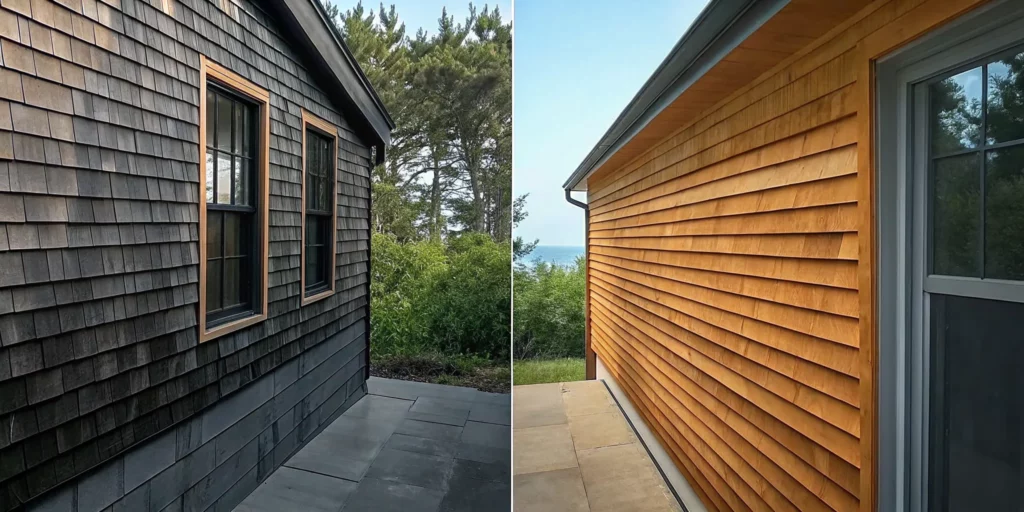
Replacing cedar siding can cost a Hamptons homeowner more than fifty thousand dollars. Most weathered wood only needs a special soft wash and deep care to regain its beauty. Restoration stops the rot and protects your home value for a small part of the price.
Cedar siding restoration vs replacement is a major choice for Hamptons homeowners that depends on the structural health of your wood and your total home care maintenance budget. Expert restoration is the right path when boards are solid but have a soft gray patina from the sun or blotchy mold from local coastal rain. This expert process uses soft washing to kill mold spores and deep care to remove stains before adding a good sealer to block water and UV rays. Replacement is only needed if boards have deep rot across fifteen percent of the wall, which helps you avoid a fifty thousand dollar full siding replacement project bill.
Picking which path to take needs a clear look at the damage and the total costs. We have made a simple guide to help you make this choice for your Hamptons home. To help you choose, start with the short answer below.
Cedar siding restoration vs replacement: the short answer
Homeowners in the Hamptons often face a tough choice when their cedar siding starts to look old. The choice usually comes down to the depth of the damage. Most wood issues, such as graying or dark spots, are only on the surface. In these cases, you can save the wood through expert care. But if the wood is soft or rotting, you may need to buy new boards for your home.
What condition signals point toward restoration?
Restoration is usually appropriate when cedar boards remain firm and damage is limited to gray weathering, surface stains, mildew, or a failing finish. Soft, crumbling, deeply split, or repeatedly wet boards need closer evaluation for repair or replacement.
Most people on Long Island face a tough choice when their wood exterior starts to fade. You must decide if your home needs a full rebuild or just an expert refresh. Finding the right signs early can save you many thousands of dollars. Cedar is a tough wood, but it is not immune to the salt air and sun of the Hamptons. Many issues that look like total failure are actually good options for restoration.
The same condition-first approach helps homeowners decide between deck cleaning versus restoration for other exterior wood surfaces.
| Condition | Restoration is usually appropriate | Replacement may be safer |
|---|---|---|
| Board strength | Boards remain firm | Boards are soft or crumbling |
| Visible issue | Gray weathering, mildew, or failed finish | Deep rot, major splits, or insect damage |
| Damage area | Localized and repairable | Widespread across walls |
| Moisture source | Identified and corrected | Recurring leaks behind siding |
Surface weathering and color changes
One of the first things you will notice is a change in color. Sunlight turns raw wood into a soft gray patina over time. This happens because UV light breaks down the wood cells. This silver look is often just on the surface and does not mean the wood is weak. You can find more on how sunlight affects wood siding from college research. While some people like this look, it can hide deeper problems if the wood stays dry for too long.
You might also see a blotchy or stained look on your walls. This is often caused by mold and mildew that grows when rain hits the wood in spots. These dark spots are not just ugly. They signal that your finish has worn off. If the wood still feels firm to the touch, a deep cleaning and new stain can bring it back to life. Our team uses soft washing to kill these growths without hurting the wood fibers.
Biological growth and moisture signs
Moisture is the main cause of almost every wood problem. When water gets into the wood, it can lead to peeling paint, rot, and cracks. Black or green streaks on your cedar are clear signs that moisture is trapped. This living growth feeds on the wood and the dust that settles on it. If left alone, these small plants can cause the fibers to break down.
Check for signs of water entry near the ground or around windows. If the damage is kept to small spots, you can likely fix them. Experts suggest that if less than 15 percent of your wall is damaged, restoration may be a smart move. It allows you to keep the high value of your real cedar while stopping the spread of rot. Once we kill the mold with eco-friendly tools, we can seal the wood to keep water out.
Structural health and fiber checks
Before you commit to a plan, you need to check the state of the boards. Take a small tool and gently press on any dark or soft spots. If the tool sinks in, you have rot. If the wood feels solid and just looks dry, it likely only needs a new coat of stain. You should also look for “checking” or small cracks that run with the grain. These are normal for old wood, but deep cracks may need help.
Cupping is another signal to watch for. This happens when the boards curve or pull away from the wall. Minor cupping can sometimes be fixed by restoring the water balance of the wood. However, if the boards are crumbling or falling apart, restoration might not be enough. Keeping a firm plan for cedar care can prevent these issues from starting. Catching these signals early keeps your home safe and nice.
How does professional cedar siding restoration work?
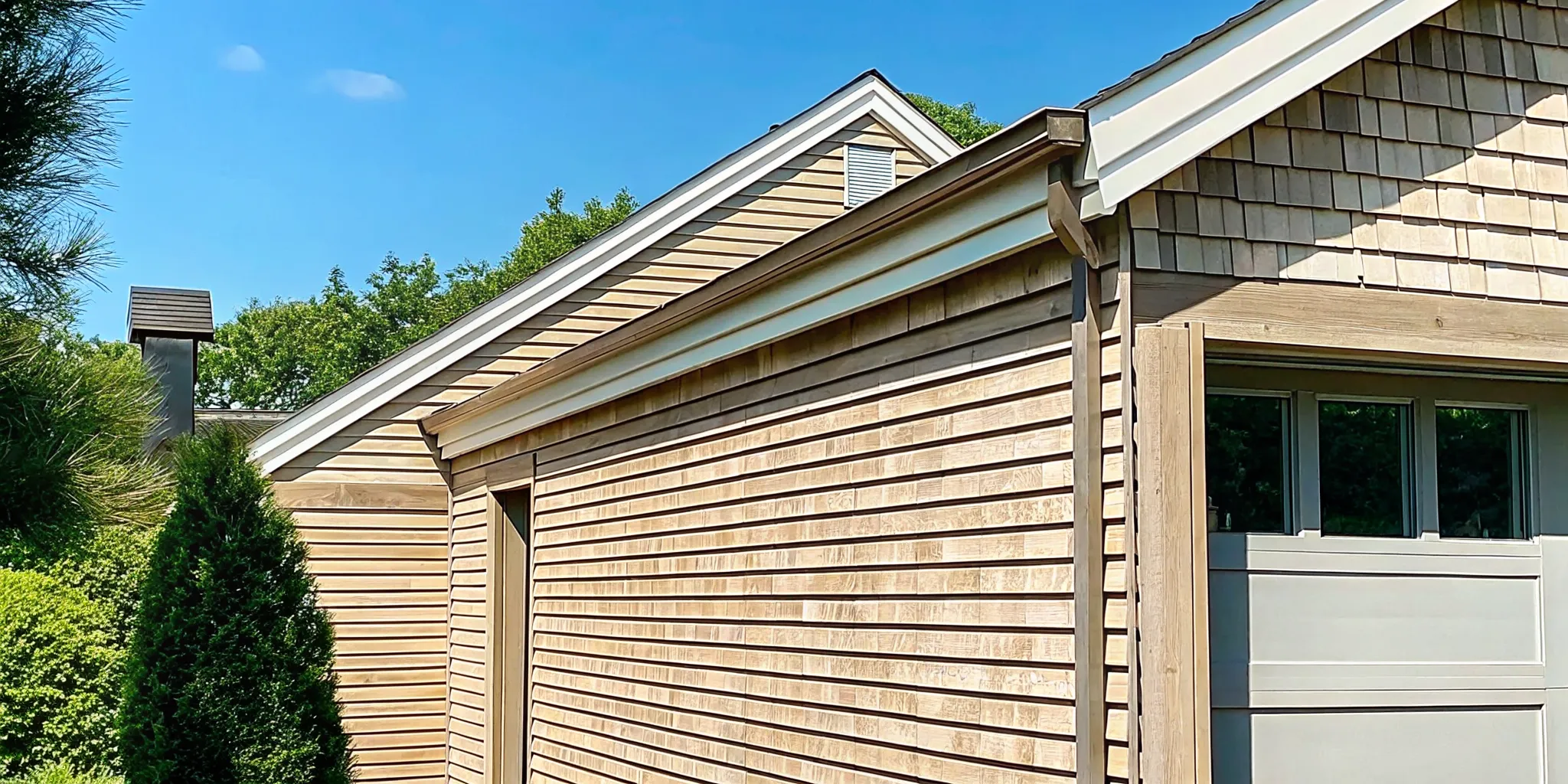
Professional cedar siding restoration starts with a condition assessment, followed by low-pressure cleaning, wood preparation, drying, and application of a compatible protective finish. The goal is to preserve sound boards while correcting surface contamination and uneven weathering.
Expert wood care is a detailed task. For many Hamptons homes, the natural look of wood is a key part of curb appeal. Choosing cedar siding restoration vs replacement depends on the state of your boards. If the wood is still strong, a deep clean and fresh stain can save you a lot of money. The professional process brings back the rich color of the wood while stopping rot.
Checking for wood damage and site safety
The first part of the job is a full check of every board. An expert looks for rot, cracks, and mold. This helps find out if a fix is enough or if you need new siding. If only a few boards are bad, you can swap them out. This is much cheaper than a full siding job. Many people find that a good clean is all they need to make the wood look new.
Safety is also a major goal. Workers cover plants, flowers, and windows before they start. They use tarps and tape to shield the whole area. This keeps the cleaning soaps from harming your yard or home. A clear plan at the start helps the job move fast and keeps your property safe.
Soft washing and wood prep
Next, the team uses a low-pressure wash. High-pressure water can rip wood fibers and leave ugly scars. Soft washing uses a gentle flow to kill mold and algae at the root. This is very vital because mold and mildew from uneven wetting can cause dark, blotchy stains on your siding. The soaps kill the growth without hurting the soft cedar surface.
After washing, the wood may need a special prep step. This step helps remove gray cells and dark stains called tannins. It opens the wood pores so the new stain can soak in deep. This prep work ensures the new finish sticks well and lasts for many years. It is a key part of the care that makes the wood look its best.
- Full wood check: Experts look at every board to find rot or deep cracks that need a fix.
- Site safety: The team covers plants and windows to keep them safe from cleaning soaps.
- Soft wash clean: Low-pressure water and soaps kill mold, moss, and algae without wood damage.
- Wood prep: Workers use a brightener to remove deep stains and open the wood pores.
- Drying time: The cedar needs two to three days to dry before the team can apply a finish.
- Applying the stain: A fresh coat of oil-based stain protects the wood from sun and rain.
Drying and applying the final finish
Once the wood is clean, it must dry. Water trapped inside the wood can block the stain from soaking in. Most pros wait for two or three dry days. They might use a small tool to check the moisture level in the boards. Water in wood is a top cause of rot and peeling paint. Staining wood while it is still damp will lead to a bad result.
The last step is the finish. A high-grade stain or sealer blocks UV rays from the sun. This stops the wood from turning gray and keeps it strong. For the best result, you should do this work every two to six years. This simple task keeps your home looking great. It also helps you avoid the high cost of a full siding job.
When is cedar siding replacement the safer choice?
Replacement is the safer choice when decay is widespread, boards are structurally soft, insects have caused deep damage, or leaks keep returning behind the siding. Localized damage may still allow individual board replacement instead of a full residing project.
Most wood siding issues come from water. Problems like rot, cracks, and peeling paint are all linked to moisture in wood. While cleaning can fix many surface issues, deep damage might need a full change. You should look for signs that the wood is too soft to save.
Check for wood rot and decay
Soft spots in your cedar often mean it is time for a change. If you can push a tool into the wood with ease, the rot is likely deep. This decay happens when wood stays wet for too long. For many homeowners, restoration works best for surface mold, but it cannot fix wood that has lost its strength. If more than 15 percent of a wall has deep rot, you may need to buy new boards.
Look for insect damage
Insects like termites or bees can eat through cedar over time. This damage can hide behind the boards where you cannot see it. You may also see boards that warp or pull away from the house. When wood bends or cracks, it lets more rain get behind the siding. This water can cause big problems for the frame of your home. If you see wide areas with holes or loose sections, a carpentry check is the best move to stay safe.
Failed joints and recurring leaks
Metal joints help keep water out. If these fail, water will get behind your cedar every time it rains. You might see stains on your inside walls or smell mold. Recurring leaks often mean the siding setup has failed. In these cases, just fixing the wood on top will not stop the leak. You may need to pull off the old cedar to fix the water barrier underneath. This helps to keep your home dry and safe for years to come.
Why Hamptons homes need a property-specific assessment
A property-specific assessment accounts for salt exposure, sun orientation, landscaping, drainage, and prior coatings. These factors vary from one Hamptons home to another and directly affect whether cedar can be restored safely and how it should be finished.
Every Hamptons home has its own needs. You cannot use the same plan for every wood wall. An expert must look at the home first. They check how the wind blows and how the sun hits the boards. This helps them choose between cedar siding restoration vs replacement.
A pro check looks for signs of wear that you might miss. It finds where the sea air has done the most harm. It also checks for rot in hidden spots. This step ensures that the work fits the house exactly. A custom plan saves time and protects your home value.
Facing the coastal climate
Sea air is tough on wood. Salt can stay on the siding. This traps wet air near the grain. Most wood problems start with dampness. Wet wood can lead to rot, cracks, or warped spots. Experts at UMass say that water is the main cause of nearly all wood damage.
Sun also plays a big part. Strong light breaks down the wood face. This makes it look gray. A report from UGA shows that bare wood will turn gray in the sun. A site check finds the spots with the most sun damage. This helps plan the best way to clean and seal the cedar.
What should you ask during a cedar siding assessment?
Ask how the contractor distinguishes surface weathering from rot, which boards need repair, how plants and adjacent materials will be protected. What cleaning pressure will be used, and how long the wood must dry before finishing.
A pro review helps you choose between cedar siding restoration vs replacement. This visit is your chance to see how an expert views your home. You want a team that knows the difference between surface dirt and deep rot. Ask clear questions to find out how they plan to save your wood. This will help you see if the wood needs a simple fix or if it is time for new boards.
How do you find rot versus weathering?
Weathering is normal for wood. Sunlight turns raw cedar into a soft gray color over time. This gray look is just on the surface. It does not mean the wood is weak. But rot is a much bigger issue. Most wood problems come from moisture getting trapped inside the wood fibers.
Ask how the team finds these wet spots. They should check for soft wood, peeling paint, or boards that have warped. A pro will look at the areas near the ground or under the roof. These spots often stay wet for too long. If only a small part of the wall has rot, you can usually stick with cedar siding restoration instead of a full change. You can save money if you catch the rot early. Many pros say that if the damage is less than 15 percent of the wall, you can just swap out those few boards.
How will you protect my home and plants?
Cedar care uses cleaners and stains. You should ask what they do to keep your yard safe. At Gulf2Bay Softwash, we use eco-safe tools like solar-powered pumps. This helps us work quietly and keeps your lawn healthy. Ask if they use soft wash methods. High-pressure water can tear wood fibers and cause big leaks.
A good plan should also cover your windows and nearby stone. Ask if they will do a test patch. This shows you how the final stain will look on your wood. It also proves the cleaners are safe for your house. You want to know that your exterior cleaning plan will not harm your plants or your home. We always cover small bushes and wet the grass to keep it safe from our soaps.
What is the plan for drying and care?
Wood must be dry before you apply a stain. If you stain wet wood, the finish will fail fast. Ask how long they wait after washing the house. They should use a moisture meter to check the wood. This tool shows if the wood is ready to soak up the sealer. Without this step, your new finish might peel in just a few months.
You should also ask about the future. Clear wood finishes do not last very long. You will need to apply them every year or two to keep the wood safe. Stains with more color last longer but hide the wood grain. Make sure the team gives you a clear list for future care:
- Check for new mold or mildew spots every spring.
- Clean the wood with a soft wash every few years.
- Apply a fresh coat of stain when the color starts to fade.
- Keep bushes trimmed away from the siding to help the wood dry.
- Keep gutters clear so overflow does not repeatedly soak the cedar.
This helps you keep your home looking great for many years. A clear plan ensures your wood stays strong and stays nice.
How can you protect restored cedar siding?
Protect restored cedar by controlling moisture, keeping gutters and vegetation away from the siding, checking high-exposure walls regularly, cleaning gently, and renewing the finish before it fails. Preventive care is less disruptive than waiting for decay.
Restoring your wood home is a big win for your curb appeal. Once you finish the work, you want to keep the boards looking new. Good care can help you avoid the high cost of a full new install. When you look at the advantages of cedar restoration, the wood’s life depends on your care. Simple habits keep the siding strong when you weigh cedar siding restoration vs replacement.
Stop moisture from hurting the wood
Water is the biggest threat to your cedar siding. On Long Island, the salt air and heavy rain can soak into the grain. Wet wood can warp, crack, or start to rot. You should check your gutters and pipes to make sure they move water away from your walls. Leaks from above can leave stains that are hard to fix later. If water sits on the wood, it will damage the wood fibers.
Experts at the University of Massachusetts say almost all wood problems come from water. This covers things like peeling paint and wood rot. In coastal spots, the damp air keeps the wood wet for a long time. Keeping your wood dry will help your finish last much longer. You should also trim bushes so they do not touch the boards. This lets air flow and dry the surface.
Set a cleaning and stain schedule
You do not need to wait for damage to act. A gentle wash once a year can remove salt and dirt before they cause harm. Soft washing is a safe way to keep the wood clean without using high pressure. High pressure can tear the wood or force water behind the boards. Salt air can be very harsh on exterior wood, while reliable gutter cleaning helps reduce repeated overflow near cedar walls. A light cleaning keeps the finish looking bright and fresh.
Schedule a Professional Cedar Siding Assessment
Frequently Asked Questions
What is the cost difference between cedar siding restoration and replacement?
According to Infinity Roofing, new wood siding can cost between $20,000 and $30,000 or more for a whole house. In contrast, restoring and fixing old boards costs much less. Expert work often saves owners 40 to 60 percent compared to the cost of all new siding. By acting early and choosing to restore your cedar, you can keep your home safe from the weather and save a lot of money over time.
How often should cedar wood siding be painted or stained?
Experts say cedar siding needs paint or stain every six years or less. This timing depends on how much sun and salt air your home gets. Clear coats are not as strong and may need care every one or two years. Routine work stops the wood from rotting or drying out. It also keeps your house looking fresh. This path is much cheaper than waiting until you need to buy all new siding.
Can you replace individual cedar siding boards?
You can replace single cedar boards if the damage is only in one spot. Experts suggest fixing the siding if the bad area is less than 15 percent of your wall space. This is a great way to save money and avoid a big siding job. But if rot has spread deep behind the wood, you might need a larger fix. A free site visit can help you see which choice is best for your home.
Why does cedar siding turn gray?
Raw wood turns gray when it sits in ultraviolet light from the sun. Some people like this look, but it can lead to blotchy spots from mold or mildew. A good cleaning and fresh stain can bring back the warm wood colors. This work also stops water from soaking into the wood and causing it to warp or rot. Keeping the wood sealed is the best way to make your siding last for a long time.
What causes rot in cedar siding?
Most issues with cedar siding come from moisture problems. When water gets into the wood, it can cause peeling paint, warping, and rot. This often happens if the siding is not sealed well or if it stays wet for too long. Proper care, like soft washing and staining, helps keep the wood dry. This protects the structure of your home and prevents large damage that could lead to buying all new siding.
Ready to request a cedar siding assessment for your Hamptons home?
Letting your cedar siding sit without the right care often leads to deep wood rot that is very hard and expensive to fix later. When you act now, you can stop small issues from turning into a full wall replacement that would cost you much more time and money. Our soft wash method safely removes mold and salt while keeping the natural beauty and strength of your wood siding intact for many seasons. Starting your project today means your home will be ready for harsh weather and look its best when you want to enjoy your outdoor space.
Ready to get an expert opinion? Request Your Cedar Assessment to request a cedar siding assessment and start your restoration today.