Long Island Masonry Contractors: What a Masonry Service Can Do for Retaining Walls and Pool Decks
Retaining walls and pool decks are foundational hardscape elements that protect soil, define outdoor spaces, and create safe, attractive areas for recreation on Long Island properties. This article explains what masonry services address these structures, how targeted cleaning and restoration preserve structural integrity, and why regular maintenance matters for safety and property value.
Readers will learn the core construction and restoration services for retaining walls and pool decks, the differences between soft washing and pressure washing for masonry cleaning, and a practical maintenance schedule tailored to Long Island’s climate. Practical examples, short checklists, comparison tables, and actionable guidance are included to help homeowners decide when to perform DIY tasks and when to call professionals.
Throughout, the focus is on protecting materials such as stone, pavers, and concrete from algae, efflorescence, and freeze-thaw damage while maintaining slip resistance and curb appeal.
What Are the Key Masonry Services Offered for Retaining Walls and Pool Decks?
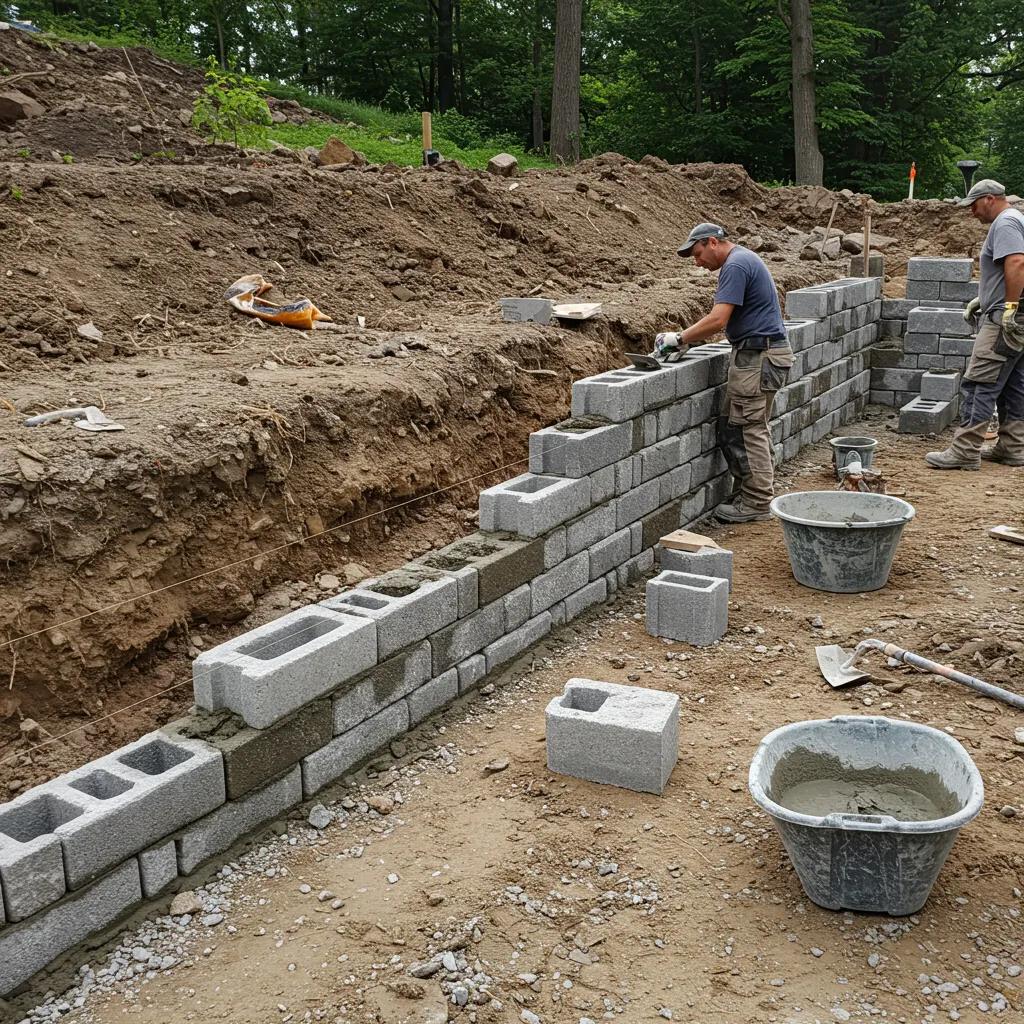
Long Island masonry contractors provide a range of services that cover the lifecycle of retaining walls and pool decks from build to ongoing maintenance. These services combine structural work (foundations, drainage), surface restoration (repointing, patching), finishing (sealers, anti-slip treatments), and cleaning to extend lifespan and appearance.
The right combination of materials — stone, concrete, pavers, or concrete block — plus attention to drainage, determines long-term performance and reduces costly repairs. Local climate and site conditions on Long Island influence material selection and the sequencing of restoration and sealing to ensure durability and safety.
How Do Long Island Masonry Contractors Build and Restore Retaining Walls?
Building and restoring retaining walls begins with a stable footing, proper backfill, and integrated drainage to relieve hydrostatic pressure and prevent frost heave. Long Island masonry contractors commonly use materials such as natural stone, concrete block, and segmental pavers, selecting mortar types and joint treatments appropriate to the substrate and exposure.
Restoration tasks include repointing mortar joints, resetting displaced units, correcting grading, and repairing or adding drainage features; these interventions restore load paths and visual continuity. Signs that a wall needs professional attention include bulging, stair-step cracks, slumping, or persistent ponding at the base, and identifying those cues leads naturally to choosing the right cleaning and sealing approach.
What Pool Deck Construction and Maintenance Services Are Available?
Pool deck work covers durable surface installation, coping integration, and safety-focused finishes such as textured sealers or non-slip overlays that reduce wet-surface risk. Material options include broom-finish concrete, pavers set on a compacted base, and natural stone with appropriate bedding; each requires different joint treatments and sealing approaches to prevent water infiltration.
Routine maintenance tasks are sealing, joint sand replacement for pavers, and spot repairs for cracks or heaved areas to keep surfaces safe and level. A seasonal inspection focus on joints, drainage away from the pool, and surface texture helps prevent slip hazards and costly resurfacing down the line.
The core masonry services for retaining walls and pool decks include the following:
- Construction and installation: Site preparation, footings, and material-specific installation.
- Restoration and repair: Repointing, resetting, drainage correction, and crack repairs.
- Surface treatments: Sealers, anti-slip finishes, and joint stabilization.
These services preserve structural performance and aesthetics; understanding them helps homeowners prioritize inspections and cleaning.
Why Is Professional Cleaning Essential for Long Island Retaining Walls and Pool Decks?
Professional cleaning protects masonry by removing biological growth, salts, and pollutants that accelerate material breakdown and create safety risks. Cleaning prevents algae and moss from lifting pavers or softening mortar, reduces efflorescence that can indicate water movement through masonry, and restores traction on pool decks to lower slip incidents.
Regular professional care is cost-effective compared with reactive repairs because it addresses root causes — microbial growth and trapped contaminants — rather than treating surface symptoms alone. For homeowners, predictable cleaning schedules also support timely sealing and prolong the visual and functional life of hardscape investments.
Different masonry problems have distinct causes and professional remediation benefits; the table below summarizes common issues and how targeted cleaning addresses them.
| Problem Type | Common Cause | Professional Cleaning Benefit |
|---|---|---|
| Algae and moss | Shade, moisture, organic debris | Removes growth, restores traction, prevents joint damage |
| Efflorescence | Salt migration from moisture | Eliminates salts and identifies moisture sources for repair |
| Stains and discoloration | Organic matter, pollutants, rust | Restores appearance and prepares surface for sealing |
This quick comparison shows that cleaning is the diagnostic step that reveals underlying issues needing repair or drainage correction. Removing biological growth and salts not only improves aesthetics but also reduces future structural interventions by addressing moisture and contamination.
For homeowners seeking professional cleaning options on Long Island, Gulf2Bay Softwash offers pressure washing and eco-friendly soft washing performed by trained technicians with local expertise. Their approach emphasizes microbial remediation and surface-safe methods that prepare masonry for sealing and long-term protection.
How Does Retaining Wall Cleaning Prevent Damage and Enhance Appearance?
Cleaning retains wall performance by eliminating organisms and salts that penetrate mortar and stone, slowing chemical and biological degradation. Removing moss and algae prevents moisture retention at joints, which reduces freeze-thaw cycling and mortar loss during winter conditions common on Long Island.
Visually, cleaned walls restore original color and texture, which improves curb appeal and signals good property upkeep to potential buyers. Regular cleaning also uncovers hidden structural issues — such as hairline cracks and displaced units — prompting timely repairs before small problems escalate.
What Are the Benefits of Pool Deck Cleaning for Safety and Longevity?

Pool deck cleaning focuses on slip resistance and stain removal to keep the swimming area safe and inviting for families and guests. Eliminating algae, sunscreen buildup, and organic stains restores texture and reduces the chance of slips, while cleaning prepares surfaces for sealers that lock out moisture and staining agents. Proper cleaning before sealing ensures sealer adhesion and maximizes protective life, reducing the frequency of costly resurfaces. A clean, well-sealed deck maintains its finished appearance and reduces long-term repair needs tied to water infiltration and material wear.
How Does Soft Washing and Pressure Washing Improve Masonry Restoration and Hardscape Maintenance?
Soft washing uses low-pressure application of specialized cleaners and biocides to remove organic growth safely, while pressure washing employs higher mechanical force suitable for durable surfaces; both restore appearance and prepare masonry for repair or sealing. Soft washing is ideal for delicate stone, mortar, and paver joints because it targets microbes chemically rather than blasting surfaces, minimizing surface erosion. Pressure washing removes heavy dirt and old coatings from robust concrete and some pavers but must be applied by skilled operators to avoid etching or joint damage. Environmental choices and runoff management are important considerations when selecting the method.
Soft washing is often the safer first step for sensitive masonry because it combines cleaning chemistry with low pressure to biodegrade algal and fungal films without harming stone or mortar. For homeowners evaluating services, consider professional options that balance microbial remediation with surface preservation — and for those comparing service types, remember the need to Promote Pressure Washing Service when heavy-duty restoration requires mechanical cleaning and surface preparation.
| Material Type | Cleaning Method | Recommended Approach / Notes |
|---|---|---|
| Natural stone | Soft washing | Low-pressure biocide treatment; avoid aggressive pressure |
| Pavers | Soft wash + targeted pressure | Start with soft wash; gentle pressure for deep stains |
| Concrete | Pressure washing | Use controlled pressure and trained operators to prevent surface damage |
This mapping clarifies that the method selection depends on material sensitivity and contamination type, supporting a tailored restoration plan that balances effectiveness and preservation.
What Makes Soft Washing Ideal for Delicate Masonry Surfaces Like Stone and Concrete?
Soft washing operates through formulated detergents and biocides applied at low pressure to penetrate and biodegrade organic films on masonry. This method reduces the risk of surface erosion, mortar loss, and discoloration that high-pressure streams can cause on delicate stone and older concrete.
Soft washing also has residual antimicrobial effects, lowering short-term regrowth and extending the interval before the next clean. In practice, soft washing is the preferred option for heritage stonework, repointed masonry, and any surface with fragile joints, and it pairs effectively with sealing to lock in protection after cleaning.
Which Masonry Surfaces Benefit Most from Pressure Washing Services?
Pressure washing suits robust surfaces such as thick broom-finish concrete, some modern pavers, and heavily stained areas where soft washing alone cannot remove entrenched dirt or coatings. When applied by professionals, controlled pressure levels and nozzle selection can strip old sealers, remove oil or paint overspray, and prepare concrete for resurfacing.
However, pressure washing risks etching, raising aggregate, or dislodging joint sand if used improperly, so experienced operators are essential. Choosing pressure washing should follow an assessment of material tolerance and the restoration goals for the hardscape.
How Can Long Island Homeowners Maintain Their Masonry Structures for Lasting Beauty and Value?
A straightforward maintenance routine preserves masonry performance: inspect seasonally, clean proactively, and reseal where appropriate to block moisture and stains. Homeowners should prioritize drainage checks, removal of organic debris, and immediate attention to joint loss or cracks to avoid accelerated degradation. Engaging professionals for periodic deep cleaning and sealing helps protect against microbial growth and salt-related deterioration common in coastal and humid Long Island environments.
Scheduling maintenance around spring and fall helps prepare surfaces for peak use and winter freeze-thaw cycles while preserving appearance and marketability.
The following checklist outlines practical homeowner actions for retaining walls and pool decks:
- Seasonal inspection: Check for cracks, bulging, or standing water every spring and fall.
- Routine cleaning: Remove leaves and organic debris monthly; plan professional cleaning annually or as needed.
- Sealing and joint care: Reapply sealers every 2–5 years depending on exposure and reseal pavers after joint sand replacement.
These steps reduce long-term repair costs and sustain safety and curb appeal; when in doubt, professionals can assess subtle signs that warrant intervention.
What Are the Best Practices for Retaining Wall and Pool Deck Maintenance?
Best practices begin with visual inspections to catch early deterioration and include keeping drainage systems clear to prevent water pressure behind walls. Regular sweeping and gentle rinsing remove organic material that fosters algae and moss, and timely professional cleaning prevents biological infiltration of mortar joints.
For pool decks, maintain non-slip textures and address chemical spills or stains quickly to preserve finishes. Recognizing symptoms such as persistent damp patches, efflorescence deposits, or displaced pavers should trigger professional evaluation to prevent structural escalation.
How Often Should Masonry Cleaning and Sealing Be Scheduled?
Cleaning frequency typically ranges from annual to biennial, depending on shade, nearby vegetation, and salt exposure; sealing intervals commonly fall between two and five years based on traffic and climate. High-shade, high-moisture areas or properties adjacent to salt spray will require cleaning and sealing toward the more frequent end of the range.
Monitor surfaces after winter and heavy storms to adjust schedules, and treat cleaning as preparatory work for effective sealing. For homeowners ready to arrange professional inspections or estimates, Gulf2Bay Softwash provides Long Island-focused cleaning and soft wash/pressure washing services and can supply a tailored quote to protect hardscape investments.