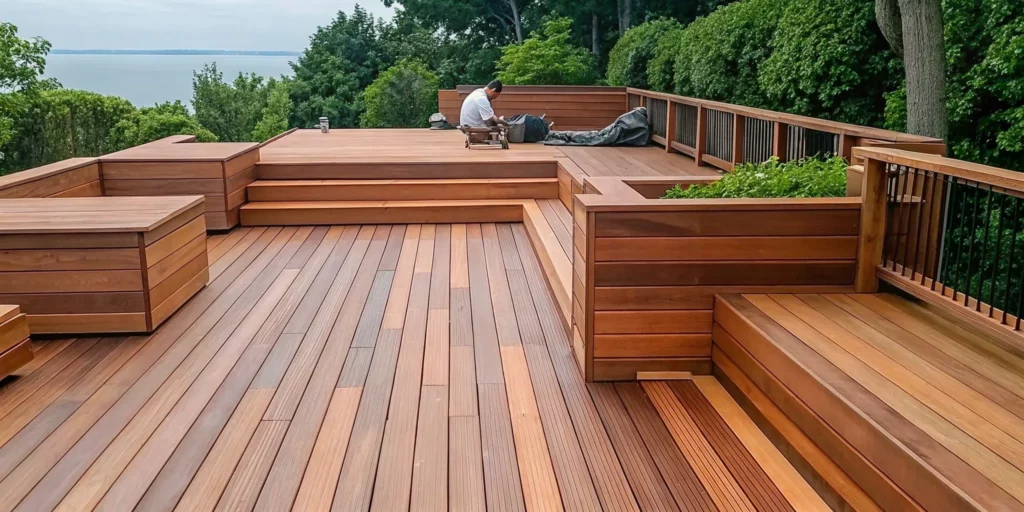
Salt air in the Hamptons turns a luxury Ipe deck from rich brown to dull silver faster than most homeowners expect. The change is not just cosmetic. It signals that the wood is losing its natural defenses against the elements. Without prompt action, that fifteen-thousand-dollar investment in Brazilian hardwood starts to crack, splinter, and degrade from the inside out.
Ipe deck restoration is the most effective way to reverse sun and salt damage on luxury exotic hardwoods. While Ipe is famously dense with a Janka rating of 3,680 pounds-force, outdoor weathering still attacks its surface layer over time. Professional restoration removes the gray oxidation and mildew using low-pressure chemical cleaning instead of abrasive pressure washing. The process finishes with a deep-penetrating oil such as Brazilian Rosewood Oil that feeds the wood from within and restores its original rich brown luster. This two-phase approach ensures the finish absorbs into the grain rather than sitting on top where it can become sticky or peel. Proper restoration prevents splitting, warping, and costly board replacement.
Schedule your professional ipe deck restoration today. Call (631) 557-5484 or request a free on-site assessment to protect your luxury hardwood deck.
Why Does High-Pressure Washing Ruin Ipe and Exotic Hardwoods?
High-pressure washing damages Ipe and similar exotic hardwoods by forcing water into the end grain, raising surface fibers, and stripping the wood’s natural decay resistance. Despite Ipe’s extreme density, a pressure washer at 2,000+ PSI can tear through its tight cellular structure and create microscopic pockets where moisture and mold thrive. Soft washing at under 90 PSI with biodegradable cleaners is the only safe method for these premium hardwoods.
Ipe wood is famous for its extreme strength. It has a Janka rating of 3,680 pounds-force, which makes it much harder than oak. Because of this density, many people think they can use high pressure to clean it. But using 2,000 PSI or more on your deck is a big mistake. Even though ipe is a naturally strong wood, high pressure can tear through its tight fibers. This damage leads to costly repairs that you could avoid with better care.
Pressure damage and wood rot
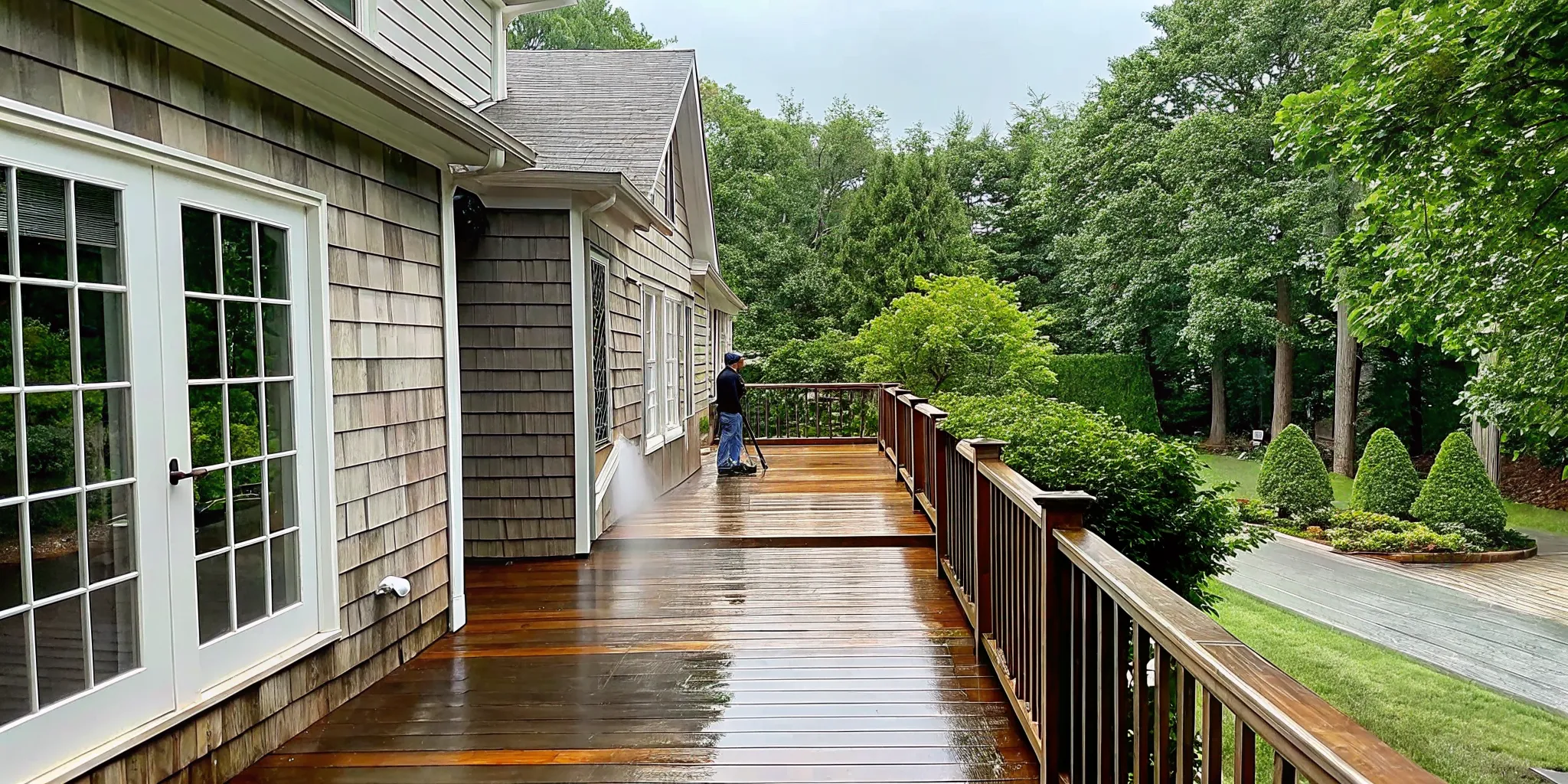
High-pressure washing does more than just clean. It forces water deep into the end grain of the wood. When water gets trapped inside, it starts to rot the wood from the inside out. Ipe heartwood has great strength against fungi and termites. But blasting the wood breaks these natural guards. It creates small pockets where moisture and mold grow. Outdoor wood faces many threats, and weather affects the look and life of any deck. High pressure makes these problems worse by opening wood pores too wide.
Raising the grain and surface scarring
Using too much pressure often causes “fuzz” on the wood. This happens when water pressure lifts the top layer of wood fibers. These fibers then dry and become sharp splinters, making your luxury deck unsafe for bare feet. Once the grain is raised, the only fix is to sand the whole surface. Restoring sun-damaged hardwood decks should not require losing the wood itself. Sanding removes the top layer of the wood. Since ipe grows slowly, every bit you sand away is a loss of value.
Some companies suggest a mix of power washing and sanding. This is risky for coastal decks in the Hamptons, where salt air and sun are very harsh. Sanding leaves the wood bare and at risk. It can also lead to uneven spots that trap dirt. A better path is to clean the wood without cutting into it. This keeps the smooth feel that makes exotic hardwoods so special.
The soft wash solution
The best way to clean ipe is through soft washing. This method uses low pressure, usually less than 90 PSI. It relies on safe, biodegradable soaps to kill mold and algae at the root. Soft washing is much gentler than a standard power wash. It uses about one-third of the water, making it a better choice for the earth. Because it cleans more deeply without harm, a professional ipe deck restoration using this method lasts four to six times longer than pressure washing.
By using the right tools, you protect your home’s value and get a clean deck without the risk of wood rot or splinters. This process is safe for your plants and pets. When you choose a soft wash, you are choosing to be a good steward of your property.
What Is the Soft Wash Restoration Process for Ipe Decks?
Professional ipe deck restoration follows a seven-step sequence: inspection, soft wash application, manual scrubbing, brightener prep, drying, penetrating oil application, and excess removal. Each step is calibrated for exotic hardwoods. The drying period alone requires at least 48 hours to ensure the wood is dry enough to accept the oil finish. Skipping any step reduces the lifespan of the restoration by months.
Professional ipe deck restoration is a technical task. It needs more than just a quick rinse. Exotic hardwoods are very dense. They have tight grain that resists standard stains. We use a refined system based on 20 years of work in the Hamptons. Our team follows a seven-step method to protect your home. This process helps your deck look new and stay strong.
Initial Inspection and Prep
We start every job with a full check of the wood. We look for rot or deep cracks. While Ipe heartwood is resistant to fungal attack, the surface can still weather. Our SoftWash Systems training ensures we find every issue before we start. We also cover nearby plants to keep them safe from our low-pressure cleaners.
Cleaning and Brightening
Next, we use a low-pressure soft wash. We apply safe soaps that break down dirt and mold. We scrub the wood with thick brushes to reach deep into the grain. This step is vital for restoring sun-damaged hardwood decks. After the wash, we apply a wood brightener. This opens the pores and reduces mill glaze. It preps the wood to soak up the final oil.
The Restoration Sequence
- Professional Inspection: We check for structural rot and surface wear to ensure the wood is fit for service.
- Soft Wash Application: We use safe soaps and low pressure to kill mold and algae at the root.
- Manual Scrubbing: Our team uses thick brushes to agitate the grain and remove gray wood fibers.
- Brightener Prep: We apply a brightener to balance the pH and open the pores for better oil soaking.
- Drying Period: We wait at least 48 hours to ensure the wood is thoroughly dried before we apply any finish.
- Oil Application: We apply a penetrating oil, like Brazilian Rosewood Oil, to feed the wood and restore its color.
- Excess Removal: We wipe off any pooled oil after 30 minutes to prevent the surface from becoming sticky.
Finishing for Long-Term Results
The final steps are the most critical. We do not apply any finish if we expect rain within the next 48 hours. This rule keeps the oil from washing away. Once applied, we wipe the surface to remove excess product. This prevents a tacky film that can trap dirt. Our process keeps your deck in top shape for years. We suggest a professional check every one to two years to keep the wood protected.
When Does Your Ipe Deck Need Restoration vs. a Simple Recoat?
An Ipe deck needs full restoration when the wood has turned silver-gray that does not rinse off, when deep cracks or splinters appear, or when old oil has turned sticky and trapped dirt. A simple recoat is only appropriate for decks that were oiled recently and still repel water. Most Hamptons Ipe decks with more than a year since their last treatment need the full soft wash restoration process because salt air and UV exposure have already degraded the surface layer.
Signs of Wood Damage
Ipe wood is famous for its tight grain and dark brown color. Over time, salt air and hot sun turn this wood into a silver-gray shade. This change happens when the sun hits the wood cells. If the gray color does not rinse off with water, the top layer of wood has died. You may also see deep cracks or small splinters. These signs show that a simple new coat will not work. A full deck restoration service is the best way to save the wood from rot.
Choosing Between Care and Repair
A light recoat is for decks that still look good. If your deck was oiled lately and only has minor wear, you can just add a new layer. But most Ipe decks in the Hamptons face very harsh weather. Weathering changes how wood looks and how well a new coat sticks to the deck. If you see mold deep in the grain or sticky spots from old oil, you need a deep cleaning. This process removes the old finish and opens the pores of the wood so it can breathe. This prep work ensures the new oil stays in the wood and does not peel away.
The Cost of DIY Mistakes
Many homeowners try to save money with DIY work. But Ipe is very dense. This means most oils cannot get deep into the wood on their own. People who do it themselves often use too much oil. This leads to sticky pools that do not dry. This waste of product can cost more than hiring an expert. A pro knows how to apply a thin, even coat. They use the right tools to make sure the oil goes where it is needed. They also know how to wipe away extra oil before it turns into a gummy mess.
Gulf2Bay Softwash uses high-grade oils like Brazilian Rosewood Oil. We also use products like Ipe Oil Plus. This oil can make your results last up to 15 percent longer than other types. Because Ipe is so dense, you must redo the finish often. Most pros say you should reapply finish every one to two years to keep the wood safe. Our expert work comes with a 5-year warranty. This gives you peace of mind that your home is safe and your deck looks its best for years to come.
What Is the Best Finish for an Ipe Deck on Coastal Long Island?
The best finish for a coastal Long Island Ipe deck is a penetrating oil like Brazilian Rosewood Oil rather than a film-forming sealant. Penetrating oils soak into the dense wood fibers, allowing the deck to breathe while blocking moisture and UV rays. Film-forming sealants sit on the surface and eventually crack, trapping water beneath and promoting rot. Studies from the National Institutes of Health confirm that weathering degrades surface coatings over time, making deep-penetrating finishes the more durable choice for high-end exotic hardwoods.
Picking the right finish for an Ipe deck in the Hamptons is a big choice. The salt air and hot sun can be very hard on wood. Many people use thick paints or film sealants, but these often fail on dense hardwoods. Ipe is so hard that these coatings cannot soak in. Instead, they sit on top and eventually crack or peel. This traps water under the film, which can cause rot or mold in the deep grain.
Penetrating oils vs film sealants
Penetrating oils like Brazilian Rosewood Oil work by soaking deep into the wood. They do not form a plastic shell on the surface. This lets the wood breathe while still blocking water and UV rays. For luxury homes on Long Island, this look is better because it keeps the natural glow of the wood. Using a high-quality oil is key for preparing your ipe deck for seasonal maintenance and long-term health.
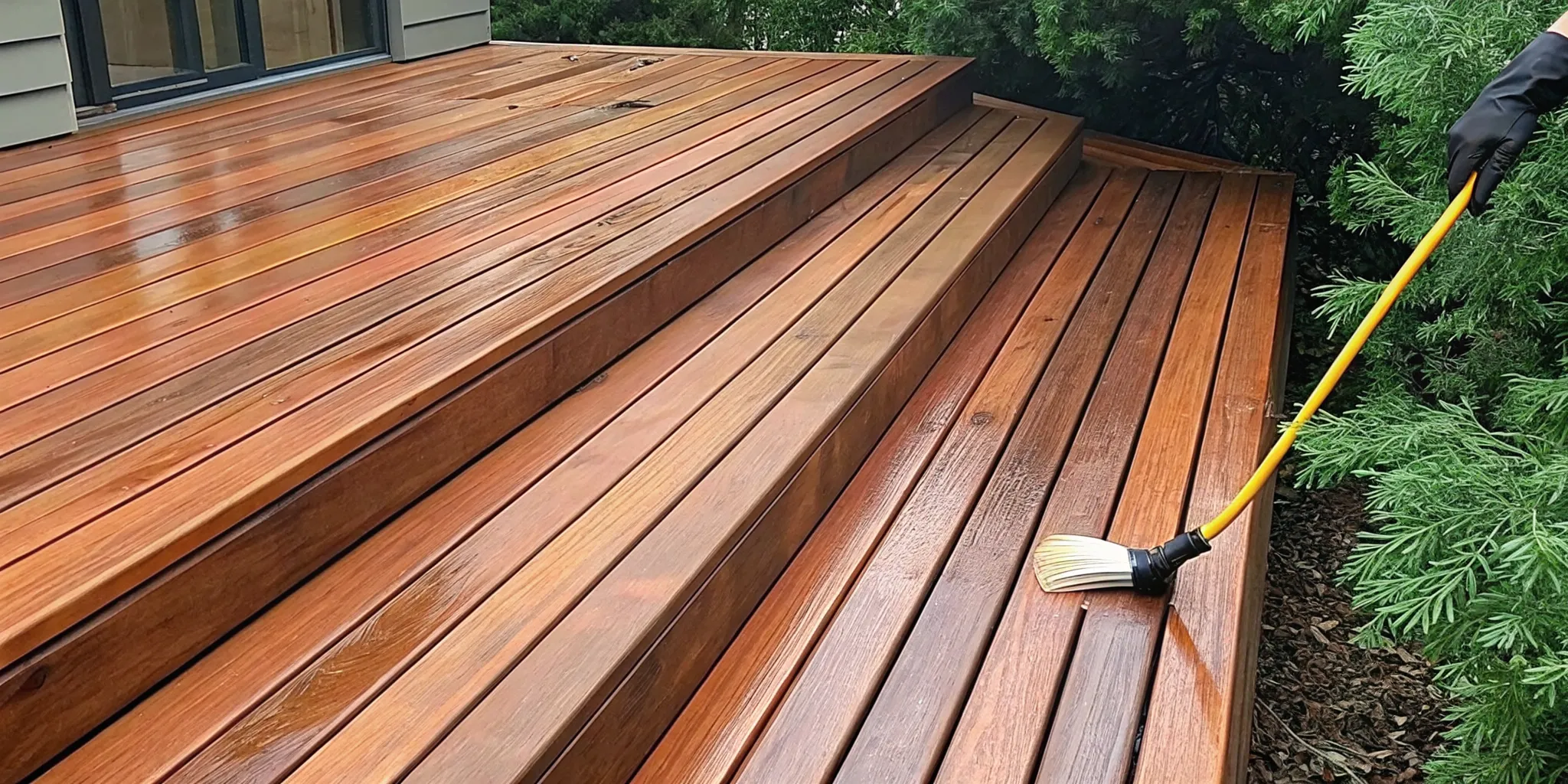
Studies from the National Institutes of Health show that weathering affects wood life and how well coatings work. If you let the wood weather without any care, it will turn a silver-gray color. While some like this look, it means the wood has no shield against the sun. This can lead to deep cracks and splinters over time. Expert ipe deck restoration with a penetrating oil stops this damage while making the rich brown tones stand out.
| Feature | Brazilian Rosewood Oil | Film-Forming Sealant | Natural Weathering |
|---|---|---|---|
| How it works | Soaks into pores | Sits on top | No protection |
| UV Defense | Very high | High then cracks | None |
| Main Risk | Needs re-oil | Peeling and rot | Cracks and graying |
| Finish Look | Natural luster | Plastic or shiny | Dull silver-gray |
The power of Ipe Oil Plus
If you want the best results, you should look at top-tier products. Some options like Ipe Oil Plus can give you up to 15% longer results than standard oils. This is a big help for homeowners who want to spend less time on deck care. These oils use special resins that grab onto the dense fibers of the wood. This keeps the color bright even in the harsh salt air of the Gold Coast.
Coverage and care cycles
When you plan your project, you must know how much oil you need. Most hardwoods are so dense that one gallon covers about 250 square feet. This is much less than soft woods like cedar. Because the wood is so hard, it can only take in a small amount of oil at once. This is why a pro hand-wipes the deck to ensure a clean finish without sticky spots.
Upkeep is a part of owning a high-end deck. You should plan to re-oil the wood every one to two years. This schedule keeps the wood from drying out or turning gray. Regular care ensures your deck stays a safe and pretty part of your home for many decades. If you skip this, the sun will slowly bleach the wood and sap its natural oils.
How Should You Maintain Your Restored Ipe Deck Throughout the Year?
Seasonal maintenance for a restored Ipe deck in the Hamptons follows a simple cadence. In spring, soft wash the surface and inspect for winter damage. In summer, monitor high-traffic zones and touch up oil as needed. In fall, clear leaves promptly to prevent moisture stains. In winter, use plastic shovels and avoid de-icing salts. Professional deep cleaning and re-oiling every 12 to 18 months keeps the wood protected and extends the life of the restoration.
Your deck is a big part of your home value. Keeping it in top shape needs a steady plan. While Ipe is strong, the harsh salt air and sun in the Hamptons can be tough on any wood. A regular care plan helps you avoid the cost of a full ipe deck restoration later. By following a seasonal guide, you keep the wood safe and looking great.
Spring and summer deck care
When spring arrives, start with a full check of the wood. Look for any damage from winter storms or ice. Check for mold, mildew, or algae in damp spots. A good preparing your ipe deck for seasonal maintenance routine begins with a soft wash. This method uses low pressure and safe soaps to clean the surface. It gets rid of grime without fuzzy wood fibers or scarring the grain.
In the summer months, keep an eye on high traffic zones. Areas near stairs or doors can wear out faster than the rest of the deck. If the color starts to look dry or pale, it may need a light touch up. When you add oil, make sure the weather is dry. You should not apply any wood finish if rain is likely in the next 48 hours. This gap lets the oil soak deep into the dense wood pores.
Fall and winter care
The fall brings leaves and wet debris. You must clear these away as often as you can. Leaves trap water against the wood. This moisture creates the perfect home for mold and rot. Wet leaves can also leave dark stains that are hard to clean. Use a leaf blower or a soft broom to keep the gaps between boards clear. This keeps air moving so the wood can dry out after rain.
Winter care is all about safe snow clearing. If you need to clear snow, use a plastic shovel. Metal edges can leave deep gouges in the wood surface. Never use rock salt or de-icing salts on your deck. These salts draw out the natural oils and can cause the wood to crack. If the surface is slick, a light sprinkle of sand is a safer choice for the wood and the yard.
Expert care cycle
Most Ipe decks need expert care every 12 to 18 months. This cycle includes a deep clean and a fresh coat of oil. Ipe heartwood has a high resistance to rot and bugs. But even the best wood needs help with the sun. Outdoor weathering changes how well the oil protects the wood. Expert help ensures the finish goes on even and lasts as long as possible.
- Check the wood for gray spots or fuzzy textures.
- Look for loose boards or popping screws.
- Test the water bead to see if the seal is still strong.
- Schedule a soft wash to remove deep dirt.
Gulf2Bay Softwash gives a five year warranty for your peace of mind. We use a multi-step process to keep your deck in peak shape. Our team knows how to handle luxury woods in the Long Island climate.
Frequently Asked Questions
What is the best way to clean an Ipe deck?
The best way to clean an Ipe deck is through a professional soft wash. High pressure can gouge the wood and cause permanent damage. Soft washing uses special, safe cleaners and very low water pressure to remove dirt and mold. This method keeps the wood beautiful while preparing the surface for a new finish.
How long does an Ipe deck restoration last?
An Ipe deck restoration typically lasts between one and two years before it needs care. Ipe is a very dense hardwood that does not allow much oil to sink deep into the grain. Because of this density, the protective finish wears off more quickly than it does on softer woods like cedar.
How can I avoid a sticky finish on my Ipe deck?
You can avoid a sticky or shiny finish by wiping away any extra oil shortly after use. Since Ipe is so dense, it can only take in a small amount of product at once. Any oil that sits on top of the wood will become tacky and attract dirt if left to dry. Professionals suggest that you wipe off or brush out all puddles about 30 minutes after you apply the finish.
Do I need to sand an Ipe deck before restoration?
Sanding is often needed during the restoration process to remove heavy graying and old surface coatings. This step opens the wood grain and helps the new oil bond well. For the best results, you should make sure the wood is completely dry before you start the sanding or staining work.
Ready to Restore Your Hamptons Ipe Hardwood Deck?
If you leave your deck to the sun and salt air, the wood will turn gray and brittle which leads to deep cracks and rot. This damage can cost you a lot more to fix if you wait too long to book a pro for your yearly home care. Setting up your deck care now keeps your wood strong and safe for your family so you can enjoy the view all year long.
Are you ready to protect your home and keep your deck looking its best all year? Our local team is here to help you today. Call (631) 557-5484 to schedule your free on-site assessment and quote for professional ipe deck restoration in the Hamptons and across Long Island.