Long Island Deck Building: Expert Tips for Deck Maintenance, Cleaning, and Restoration
A well-built deck is the heart of Long Island outdoor living, and proper maintenance is what keeps that space safe, attractive, and long-lasting. This guide explains how deck building, routine care, targeted cleaning, and timely restoration preserve structural integrity, reduce costly repairs, and maintain curb appeal for decks across Suffolk and Nassau counties. Homeowners will learn to identify biological threats like mold and algae, choose between soft washing and traditional pressure washing, understand restoration steps beyond cleaning, and estimate local cost ranges for typical services.
Practical seasonal schedules and prep checklists tailored to Long Island weather will help you plan maintenance around spring rains, summer humidity, fall leaf drop, and winter freeze-thaw cycles. Throughout the article, we integrate material-specific tips for wood, cedar, and composite decks and show when a professional cleaning and restoration service makes the most sense.
How Can Proper Deck Maintenance Extend the Life of Your Long Island Deck?
Proper deck building and maintenance is routine inspection and protection that prevents moisture penetration, biological growth, and surface breakdown, which together extend structural life and reduce replacement needs. Maintenance works by removing organisms that retain moisture, sealing wood to slow water ingress, and catching small repairs early before they become structural failures. The result is fewer repairs, better safety underfoot, and preserved aesthetics that retain home value. Below is a compact table linking common issues to causes and preventive actions to help homeowners prioritize maintenance.
Different deck problems arise from distinct causes and respond to specific preventive steps.
| Issue | Cause | Preventive Action |
|---|---|---|
| Mold and algae staining | Persistent moisture and shade | Regular cleanings and trimming vegetation |
| Surface softening and rot | Water infiltration into deck boards | Apply sealant and repair flashing |
| Slippery surfaces | Biofilm growth and debris | Low-pressure cleaning and anti-slip finish |
This table clarifies how targeted actions interrupt decay pathways and prepares you to check for early warning signs before deeper repairs are needed. Regular inspection then leads naturally to identifying the organisms that cause the most damage.
What Are the Common Deck Problems Caused by Mold, Algae, and Fungus?
Mold, algae, and fungus thrive in Long Island’s humid environment and appear as black or green staining, fuzzy growth, or slippery biofilm on deck boards and stairs. These organisms retain moisture against wood, accelerate finish breakdown, and create safety hazards from slick surfaces that increase slip risk during wet periods. Composite decks can still suffer aesthetic staining and embedded spores that reduce slip resistance even though structural rot is less likely. Homeowners can perform quick DIY checks by inspecting shaded areas, scraping small patches to see if growth returns, and testing for soft spots near fasteners to catch early rot before professional restoration is needed.
Why Is Pressure Washing Essential for Long Island Deck Care?
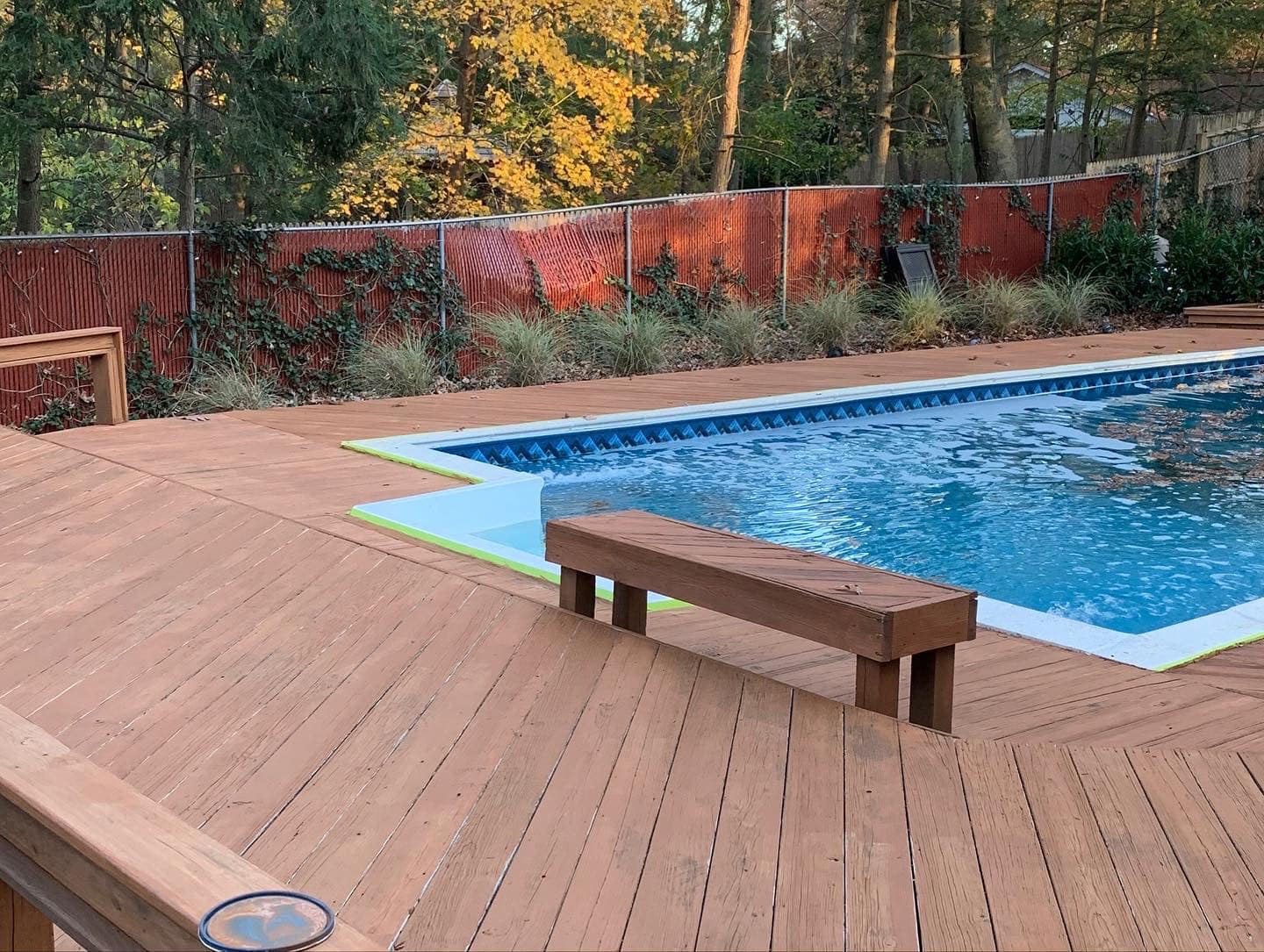
Pressure washing, when applied correctly, removes embedded grime, organic growth, and old finishes to prepare the surface for staining or sealing and to restore slip resistance. The mechanism is both mechanical removal of debris and the application of cleaners that neutralize organisms, which together enhance adhesion for protective coatings. Improper high-pressure techniques can gouge soft wood, so gentle methods and professional calibration are important to avoid damage. Understanding safe cleaning approaches leads directly to choosing the right service method for each deck material.
Pressure Washing and Restoration for Structures
It examines the cleaning, restoration and rehabilitation of structures through pressure-washing, hydro-blasting and ultra high pressure water jetting (UHP).
Commercial-industrial cleaning, by pressure-washing, hydro-blasting and UHP-jetting: The business operating model and how-to manual for 450 specific …, 2012
What Are the Best Cleaning and Restoration Services for Long Island Decks?
Choosing between soft washing, pressure washing, and full restoration depends on deck material, condition, and desired outcome; each method has clear trade-offs. Soft washing uses low pressure and biodegradable solutions to remove organics without damaging wood fibers, while pressure washing relies on higher force to strip finishes and deeply clean surfaces. Full restoration bundles cleaning with inspection, minor repairs, sanding, and staining or sealing to both improve appearance and protect structure. The short comparison table below helps match methods to materials and priorities so homeowners can decide when to DIY and when to hire professionals.
Below is a concise comparison of common cleaning approaches and when to use them.
| Method | Suitable Materials | Pros | Cons |
|---|---|---|---|
| Soft washing | Wood, cedar, composite | Gentle, eco-friendly, kills organisms | Requires proper chemicals and dwell time |
| Pressure washing | Stained/painted wood, concrete | Fast, removes old finish | Risk of surface damage if misapplied |
| Full restoration | Weathered wood decks | Restores appearance and protection | Higher cost, needs drying time |
How Does Soft Washing Differ from Traditional Pressure Washing for Decks?
Soft washing combines low-pressure water with targeted biodegradable detergents that break down mold, algae, and biofilm and then rinse them away gently from deck boards, railings, and stairs. The mechanism relies on chemical action followed by light rinsing, which preserves wood grain and prevents etching that high-pressure streams can cause. Soft washing is particularly suitable for older or softer wood species and for cedar restoration where surface integrity matters. Knowing this difference helps homeowners choose services that prioritize longevity and finish adhesion.
What Does Professional Deck Restoration Include Beyond Cleaning?
Professional restoration typically begins with a detailed inspection, followed by minor structural repairs, sanding rough or raised grain, and applying stain or sealant appropriate for the material and exposure. The process ensures that fixable defects are corrected before protective coatings are applied, which maximizes coating life and maintains safety. Restoration may also include replacing isolated boards or tightening fasteners, and it ends with post-service guidance on care intervals and drying times. When repairs reveal larger structural issues, the team will recommend a contractor for reconstruction rather than cosmetic restoration.
In Long Island, an eco-friendly soft wash and comprehensive restoration are often the best approach; local providers offer these combined services for material-sensitive care. For example, Gulf2Bay Softwash specializes in eco-friendly soft washing and deck restoration services that remove biological growth while preserving wood, making them a practical option for homeowners seeking gentle yet effective maintenance.
How Much Does Deck Cleaning and Restoration Cost in Long Island?
Typical Long Island pricing varies with service scope, deck size, and condition, but homeowners can use regional ranges to set expectations and plan budgets. Costs reflect time, materials, travel within Suffolk or Nassau counties, and any required repairs; fuller projects that include sanding and staining naturally cost more than routine maintenance cleanings. Below is a simple cost comparison table to illustrate typical local ranges and what those prices usually cover for common service types.
Estimate typical service prices for planning and comparison.
| Service | Typical Cost Range (Long Island) | Notes |
|---|---|---|
| Soft wash cleaning | $150–$400 | Best for mold/algae removal on most decks |
| Pressure wash only | $100–$350 | Effective but riskier for soft wood |
| Staining/sealing | $400–$1,200 | Depends on deck size and prep needed |
| Full restoration | $800–$2,000+ | Includes repairs, sanding, and staining |
What Factors Influence the Cost of Deck Pressure Washing and Restoration?
Several variables drive price, including deck square footage, existing finish thickness, degree of biological growth, accessibility, material type, and need for repairs or sanding. Heavily stained or rotted areas increase labor and materials costs, while composite decks often require specialized cleaners that add modestly to the price. Accurate quotes typically require on-site inspection or clear photos to verify condition and scope, which ensures homeowners avoid surprises when scheduling work.
Are There Savings When Bundling Deck Cleaning, Staining, and Restoration Services?
Bundling services reduces mobilization and often yields a percentage discount; combining cleaning, staining, and sealing in the same visit is cost-effective and ensures proper surface prep before coating. Many Long Island providers offer explicit bundle incentives to encourage comprehensive maintenance schedules. Gulf2Bay Softwash, for instance, advertises a promotion where customers can “Bundle Any 3 and Save 10 percent,” which can lower total project costs when cleaning, staining, and restoration are booked together.
Bundling makes sense when multiple treatments are needed and when weather windows allow proper drying and curing between steps.
When and How Should You Schedule Seasonal Deck Maintenance in Long Island?

A seasonal schedule tailored to Long Island weather helps prevent damage from humidity, storms, and freeze-thaw cycles and preserves finish life. Plan a spring deep clean and inspection after winter to remove debris and check for freeze-related damage, perform spot maintenance during summer to address spills and mildew, prep and seal surfaces in early fall before leaf fall and heavy rains, and do a visual inspection mid-winter after storms to catch any urgent issues.
The checklist below lays out practical timing and homeowner prep steps for each season so a professional visit fits into a sensible maintenance cycle.
Seasonal care prevents small issues from becoming expensive repairs and eases restoration timing.
- Spring deep clean and inspect the deck for loose boards and rot.
- Summer spot clean and remove organic debris after storms.
- Fall re-seal or stain as needed before heavy leaf fall and rain.
- Winter inspect after storms and remove heavy snow promptly to avoid load stress.
Preparing for professional service preserves workflow and drying times.
What Is the Recommended Deck Cleaning Schedule to Prevent Damage?
Annual deep cleaning and inspection are the minimum for most Long Island decks, with additional spot cleaning after heavy storms or periods of shade that encourage growth. Wood decks often benefit from two cleanings a year—spring and fall—while composite decks typically need one annual soft wash and spot attention. Staining or sealing should follow a deep clean in a dry season and ideally be scheduled every 2–3 years, depending on exposure and product performance. Following this schedule reduces organism load and extends the interval between costly restorations.
How Can Homeowners Prepare Their Decks for Long Island Weather Changes?
Before any professional visit, clear furniture and plan for drying times, trim nearby vegetation to reduce moisture and debris, and document problem areas with photos to share with the technician. Secure loose items and remove potted plants that trap moisture against deck boards, and ensure water can run freely away from ledger connections to minimize hidden water damage.
These simple prep steps speed service, lower labor time, and improve outcomes from cleaning and restoration. When you are ready to schedule a free quote or discuss a bundle for cleaning, staining, and restoration, Gulf2Bay Softwash serves Long Island homeowners and can provide locally tailored estimates; contact us to arrange an evaluation.