Long Island Fence Cleaning: The Secret to a Picture-Perfect Backyard with Professional Soft Washing
Imagine walking into your backyard and immediately noticing a dull, stained fence that ages your entire property. Long Island fence cleaning transforms this eyesore by eliminating mold, algae, and weather damage, restoring vibrancy and increasing value. This guide explains why professional cleaning matters, explores gentler soft washing techniques, details the fence types that benefit, showcases Gulf2Bay Softwash’s eco-friendly expertise, and explains how homeowners can schedule an estimate.
Why Is Professional Fence Cleaning Essential for Long Island Homeowners?
Professional fence cleaning addresses stubborn organic growth and surface deterioration by combining targeted detergents with controlled water pressure to deliver effective restoration without harm. This process protects wood fibers, preserves vinyl integrity, and prevents metal corrosion, directly boosting curb appeal and extending service life. Homeowners benefit from consistent surfaces that resist weathering, while neighborhood aesthetics and property value see measurable improvement.
What Common Problems Affect Long Island Fences?
Organic contaminants and environmental stressors often compromise fence appearance and structure. Common issues include:
- Persistent green algae that discolors surfaces and accelerates decay
- Black mildew patches that trap moisture and weaken materials
- Embedded dirt and pollen that obscure natural finishes
- UV-induced fading and cracking that shorten lifespan
These conditions undermine both visual quality and structural resilience, making routine cleaning a critical preventative measure.
How Does Regular Cleaning Improve Fence Longevity and Curb Appeal?
Regular maintenance prevents damage progression and maintains a polished exterior.
| Benefit | Mechanism | Result |
|---|---|---|
| Enhanced Aesthetics | Removes stains and restores original hue | Boosts overall property presentation |
| Extended Lifespan | Eliminates moisture-trapping organisms | Reduces rot, warping, and splits |
| Increased Value | Maintains uniform, well-kept surfaces | Attracts buyers and supports premium offers |
Routine cleaning cycles close gaps in protection and pave the way for advanced methods like soft washing.
How Does Soft Washing Provide a Gentle Yet Effective Fence Cleaning Solution?

Soft washing offers a low-pressure cleaning technique that uses biodegradable detergents to dismantle organic buildup safely. By combining surfactants and precisely regulated water flow, this method penetrates mold, algae, and mildew at the root without abrasive force that can damage delicate components or loosen fasteners.
What Is Soft Washing and How Does It Differ from Pressure Washing?
Soft washing applies chemical action to break down contaminants, while pressure washing relies on high-velocity water to blast them away.
| Method | Key Feature | Risk | Ideal Application |
|---|---|---|---|
| Soft Washing | Low-pressure spray | Minimal risk of surface etching or fracture | Vinyl, wood, composite fences |
| Pressure Washing | High-pressure stream | Potential for splintering, denting, or seal removal | Concrete, brick, stone surfaces |
Chemical dissolution in soft washing results in deeper cleansing and longer-lasting results.
Why Is Soft Washing Ideal for Wood, Vinyl, and Composite Fences in Long Island?
Soft washing excels on common Long Island fence materials for these reasons:
- It dissolves mold and mildew without stripping protective stains on cedar and treated lumber
- It lifts embedded algae on vinyl surfaces without causing discoloration or warping
- It reaches gaps in composite boards, preserving structural integrity and finish
Local humidity and coastal conditions increase organic growth, making soft washing the most suitable maintenance approach.
What Types of Fences Can Be Expertly Cleaned in Long Island?
Long Island homeowners encounter a range of fence materials from classic wood to modern composite. Each type requires specific techniques to ensure thorough decontamination while preserving structural and aesthetic integrity.
How Is Wood Fence Cleaning and Mold Removal Performed?
Wood fence cleaning begins with an eco-friendly detergent soak that penetrates grain and dissolves fungal hyphae deep within. Technicians then rinse at low pressure, avoiding fiber damage, followed by targeted spot treatment for stubborn black streaks. This sequence restores natural wood tones and inhibits rapid regrowth.
What Are the Best Practices for Vinyl and PVC Fence Cleaning?
For vinyl and PVC barriers, experts recommend:
- Applying a pH-balanced cleaner to loosen dirt and mildew
- Agitating with a soft brush to reach textured grooves
- Rinsing thoroughly to prevent soap residue and spotting
These steps maintain original brightness without chemical staining.
How Are Composite and Metal Fences Cleaned and Maintained?
Composite and aluminum fences benefit from a two-step process: gentle detergent application to dissolve residues, followed by low-pressure rinsing that does not loosen panel seams. Metal fences receive supplemental rust-inhibiting treatments and a protective sealant to guard against corrosion in coastal air.
How Does Gulf2Bay Softwash Stand Out in Long Island Fence Cleaning Services?
Gulf2Bay Softwash distinguishes itself through specialized soft washing protocols tailored to local environmental conditions. By combining advanced surface-safe equipment with proprietary biodegradable solutions, the company ensures fences receive a deep yet gentle treatment that conventional power washing cannot match.
What Eco-Friendly Solutions Does Gulf2Bay Use for Fence Cleaning?
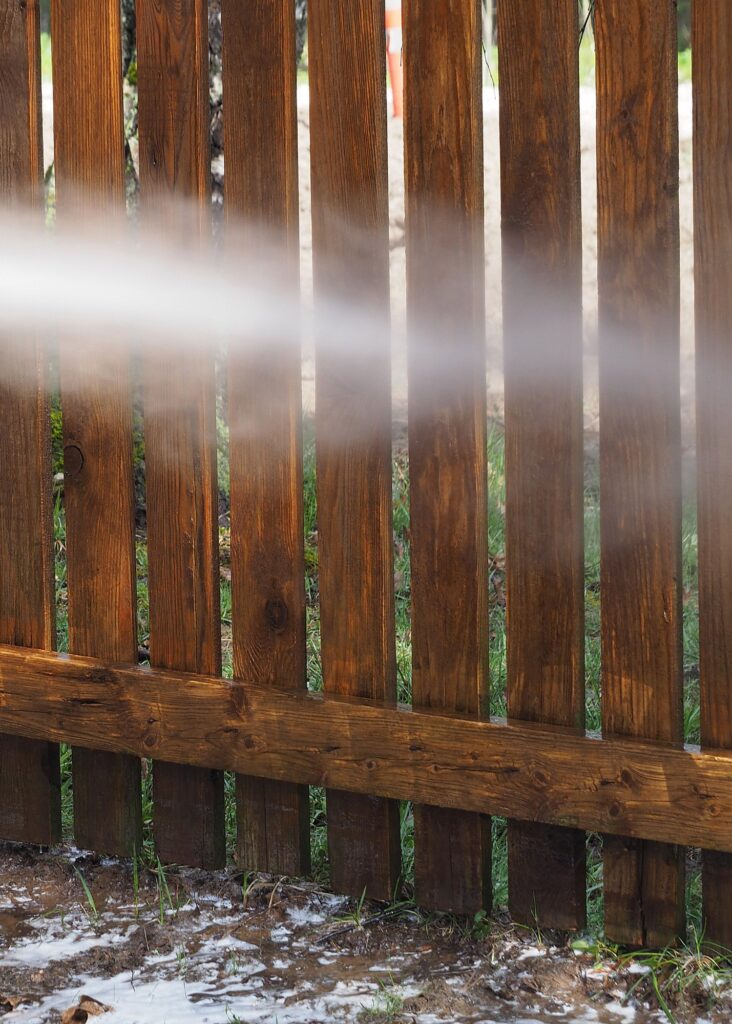
Gulf2Bay integrates green chemistry with performance efficiency:
- Biodegradable surfactants that target organic stains without harming plant life
- Phosphate-free formulations to protect soil and groundwater
- Rapid-break detergents that rinse away cleanly, reducing chemical footprint
These choices preserve fence surfaces and the surrounding landscape.
How Do Experienced Technicians Ensure Safe and Effective Cleaning?
Technicians at Gulf2Bay undergo rigorous training in pressure regulation and chemical mixing. They conduct pre-treatment inspections, adjust equipment for optimal spray patterns, and monitor surface tension to prevent damage. This expertise yields consistent results and safeguards homeowner investments.
How Can Long Island Homeowners Get a Free Estimate and Schedule Their Fence Cleaning?
Securing a free estimate and convenient scheduling involves a simple, transparent process. Homeowners provide fence dimensions, material type, and condition details, then receive a customized, no-obligation quote reflecting local rates and recommended service frequency.
What Factors Influence the Cost of Fence Cleaning in Long Island?
Several variables determine pricing:
- Fence material and height, which affect cleaning time
- Degree of organic buildup requiring specialized detergents
- Accessibility and length of service perimeter
- Seasonal demand fluctuations that impact technician availability
Understanding these factors helps homeowners anticipate investment and plan maintenance effectively.
How Often Should You Schedule Professional Fence Cleaning for Optimal Results?
Most fences on Long Island perform best when cleaned every 12 to 24 months. Factors such as tree cover, shade, humidity, and proximity to coastal air may justify more frequent soft washing. Consistent cycles maintain surface health and prevent the accelerated decay discussed earlier.
A well-maintained fence not only frames a picturesque backyard but also reflects long-term care and boosts property value. By choosing professional soft washing from Gulf2Bay Softwash, Long Island homeowners can ensure a gentle, thorough restoration and ongoing protection for every fence type. Take the step today toward a cleaner, more vibrant outdoor space and enjoy a renewed investment that stands up to local challenges.