A paver patio can look solid from the curb while hiding worn joints, stubborn staining, and a failing old sealer. Those details explain why paver sealing cost on Long Island cannot be reduced to one dependable square-foot number. The most useful estimate is based on the condition of your actual surface, the preparation it needs, and the finish you want.
Get a free estimate from Gulf2Bay Softwash at (631) 894-6751.
This guide explains what changes a professional quote, what should be included, how joint stabilization affects the project, and how to compare estimates without choosing on price alone. It is written for Long Island homeowners who want to preserve a valuable outdoor living area and avoid paying twice for incomplete preparation.
What does paver sealing cost on Long Island?
Paver sealing cost on Long Island typically ranges from $0.50 to $2.00 per square foot for comprehensive cleaning and sealing. The final estimate depends on surface condition, joint erosion, access, preparation, repairs, sealer type, and the finish selected. An on-site assessment is the best way to define an accurate scope.
A clean, accessible patio with stable joints requires a different scope than a driveway with oil staining, missing joint material, weeds, drainage concerns, or old coating residue. That is why a site assessment is the best starting point for a useful proposal.
National price ranges can provide context, but they do not account for Long Island labor, access, surface condition, or the exact materials selected. Treat online averages as planning figures rather than a guaranteed local price. A professional proposal should explain the work behind the number.
| Cost driver | What the contractor evaluates | Why it matters |
|---|---|---|
| Surface area | Total measured paver area | Changes material and labor requirements |
| Condition | Stains, weeds, algae, old coating, and damage | Changes preparation time |
| Joint work | Depth, erosion, and missing sand | May require substantial stabilization |
| Access | Equipment route, water access, and nearby features | Changes setup and protection needs |
| Finish | Natural, enhanced-color, or gloss appearance | Changes product selection and application plan |
An estimate should distinguish cleaning, repair allowances, joint stabilization, sealing, and optional work. Clear scope makes it easier to compare value and reduces surprises after work begins.
The factors that shape your estimate
Measured area and layout
Contractors begin by measuring the paver surface. Large open patios may be simpler to treat than smaller areas with steps, tight borders, built-in kitchens, pool edges, or many transitions. Layout affects masking, application control, and the time needed to protect nearby materials.
Current condition and preparation
Preparation is often the biggest difference between a low quote and a complete one. Organic growth, grease, rust, efflorescence, weeds, and failed coatings may each require a different approach. Sealer should not be used to hide unresolved contamination. The surface must be properly cleaned and allowed to reach suitable application conditions.
Gulf2Bay Softwash approaches exterior care as property preservation. For delicate surfaces, the company emphasizes low-pressure soft washing rather than relying on aggressive pressure alone. Learn more about its Long Island exterior cleaning approach.
Access, repairs, and protection
Limited access can add setup and labor. Crews may also need to protect siding, plantings, pool components, doors, and adjacent masonry. Loose or sunken pavers, broken edges, and drainage problems should be identified before sealing. Sealer cannot correct a structural problem underneath the installation.
What is included in professional paver sealing?
Professional paver sealing includes assessment, thorough cleaning, suitable drying time, joint stabilization when needed, even sealer application, and a final curing review. Each step supports the appearance and performance of the finished surface. A written estimate should identify which steps and materials are included.
A professional project is a sequence, not a single coat applied to the surface. Ask whether each stage below is included in your proposal.
- Assessment and measurement: The contractor reviews the paver type, current coating, joint condition, staining, drainage, and access.
- Cleaning and preparation: The scope addresses organic growth, dirt, and applicable stains while protecting adjacent property.
- Drying and condition check: The surface needs suitable conditions before joint work and sealing proceed.
- Joint stabilization: Missing or deteriorated joint material is replaced as specified, then activated and allowed to set according to the selected system.
- Sealer application: The selected finish is applied evenly under appropriate weather conditions.
- Curing and final review: The contractor explains traffic restrictions, reviews the finish, and provides care guidance.
Skipping a stage can reduce the initial invoice while increasing the chance of an uneven appearance or early maintenance. Ask for a written scope that states what happens if hidden conditions are uncovered.
How joint stabilization affects the project
Joint stabilization can increase the project cost because it adds material, preparation, placement, activation, and cleanup. It also helps reduce sand washout and supports a more complete restoration. The proposal should state how much joint work is needed and where the deepest erosion appears.
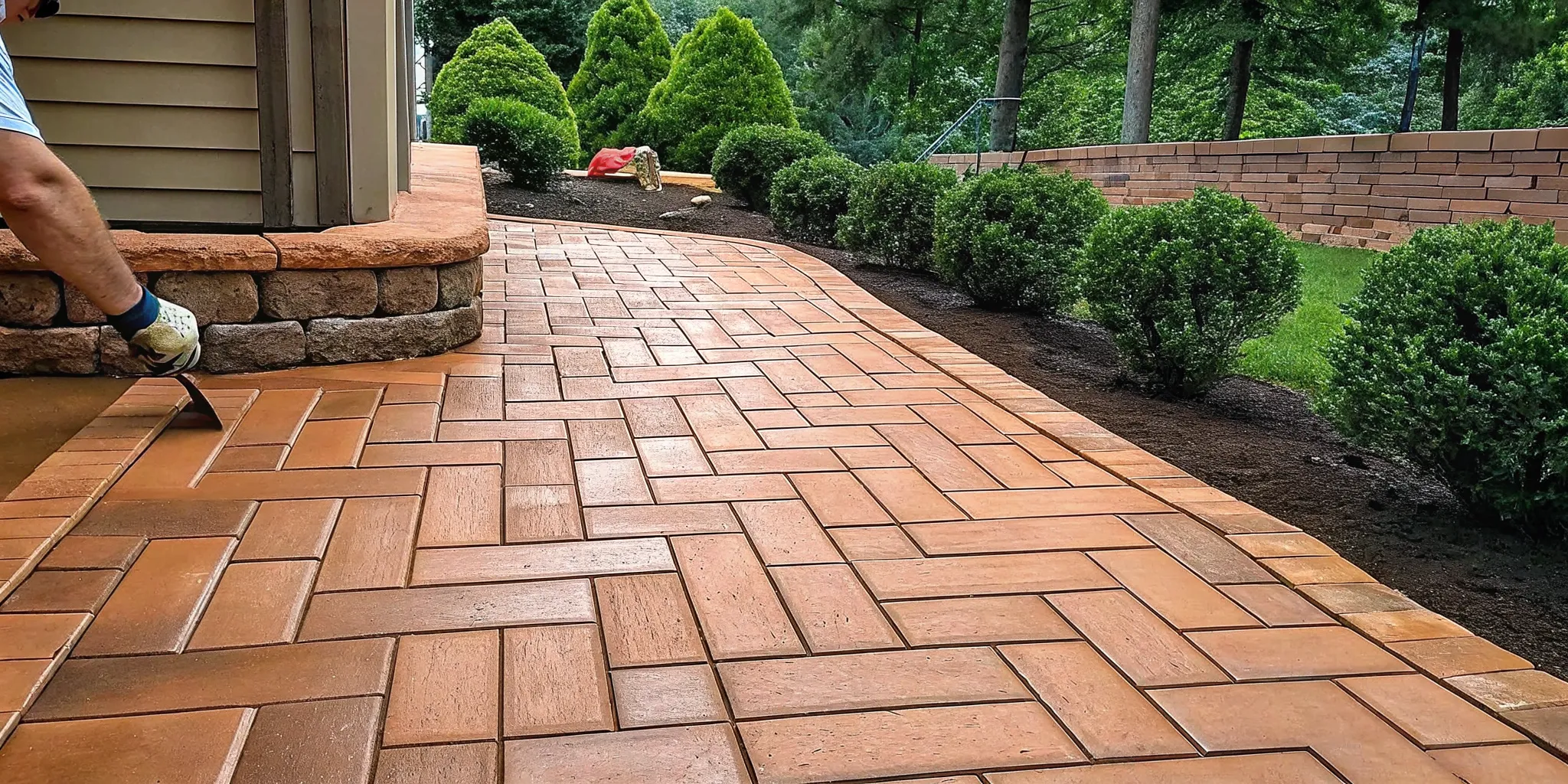
Why paver joints matter
The joints between pavers are part of the installation. When joint material erodes, edges lose support and spaces become more inviting to weeds and debris. Stabilizing those joints can improve the finished appearance and support a more complete restoration.
When additional joint work is needed
A contractor should inspect joint depth and condition across the entire area, not just one convenient corner. Heavy erosion, washout near downspouts, ant activity, and previous incomplete sanding can increase the amount of work. Areas with deep loss may need more material and careful placement.
Joint stabilization changes paver sealing cost because it adds material, preparation, cleanup, and time. It should appear as a clear part of the proposal rather than an unexplained add-on. If your surface has movement or drainage defects, address those issues before treating joint sand as the complete solution.
Why joint depth changes the scope
New joint material needs enough space to settle and perform as intended. If old sand fills most of a joint but has failed near the top, a crew may need to remove loose material before refilling it.
Edges, steps, and drainage paths deserve close attention. Water often carries joint material away from these areas first. A careful assessment maps those weak points so the proposal reflects the full installation.
Which paver sealer finish should you choose?
Choose a paver sealer finish based on the surface, desired appearance, traction needs, and maintenance expectations. Penetrating sealers preserve a natural look and can provide water and salt resistance. Film-forming sealers can enhance color and range from matte to high gloss.
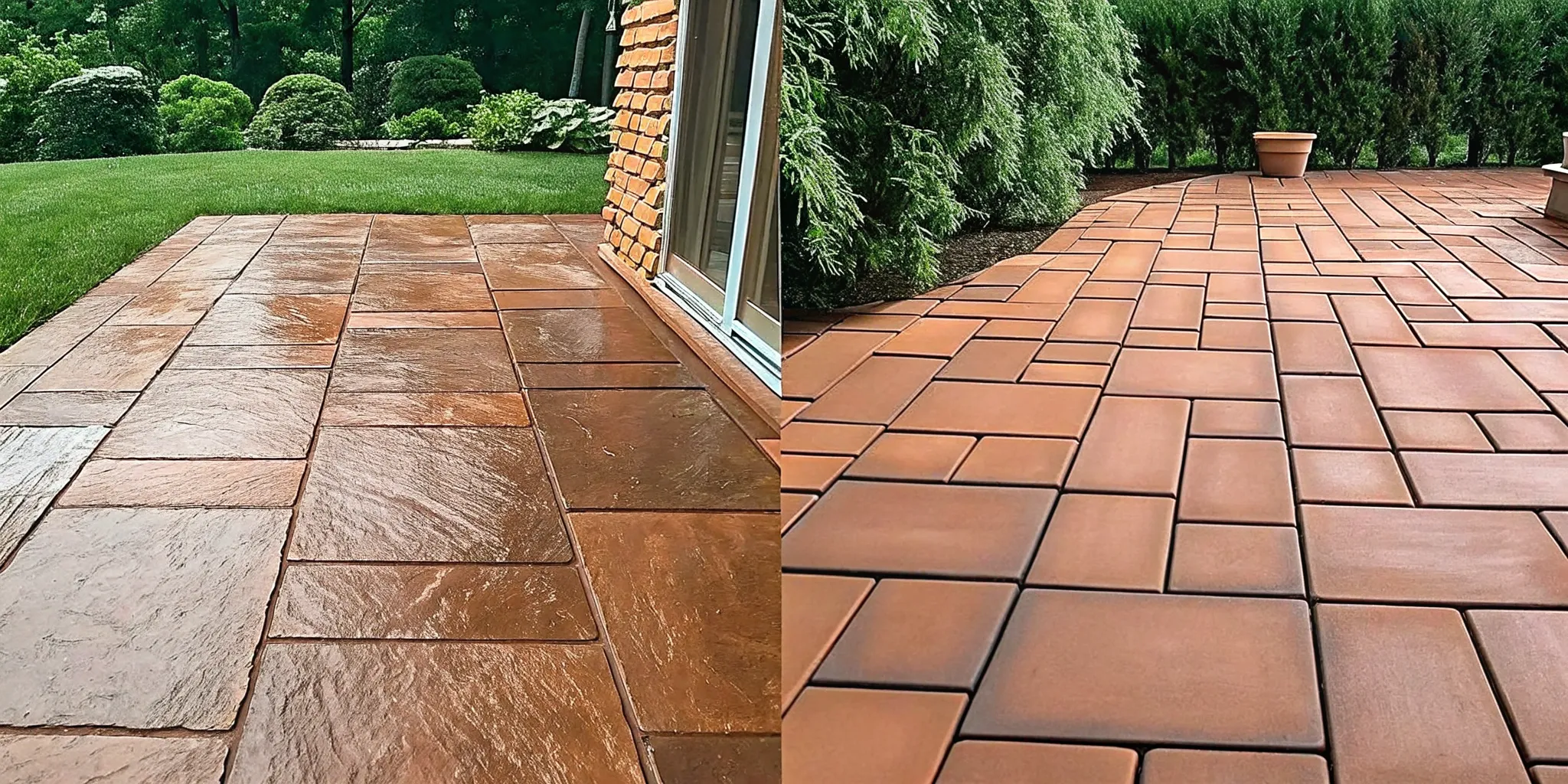
Natural-look finish
A natural-look finish is appropriate for homeowners who want protection without dramatically changing the paver’s appearance. It can suit understated patios and properties where surrounding stonework already provides visual interest.
Enhanced-color finish
An enhanced-color finish can deepen the perceived color of the pavers and create a freshly restored look. Test expectations on the actual surface because color response varies by paver material, age, and condition.
Wet-look or gloss finish
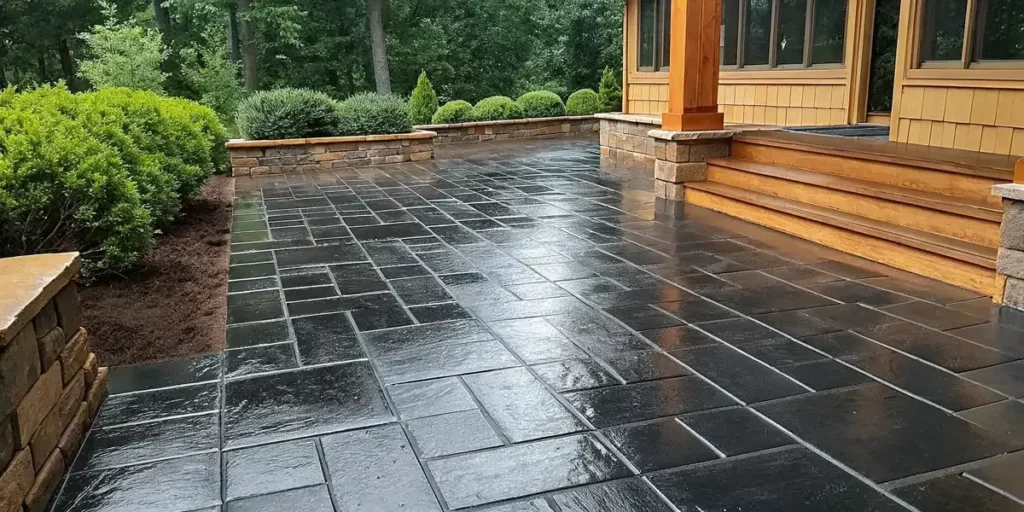
A glossier finish creates a stronger visual change. It may highlight color, but it can also make surface differences more noticeable. Discuss traction, poolside use, maintenance expectations, and the existing coating before selecting it.
The right choice is not simply the most expensive option. It is the finish that fits the surface, the home’s design, and the way the area is used. Ask to see realistic examples and confirm whether the quoted system is appropriate for your pavers.
Ask for a small appearance test
Pavers respond differently based on age, porosity, prior treatments, and color. A small test area can help set expectations before the full application. It also gives the contractor a chance to identify unexpected residue or absorption.
Discuss how the selected finish will look in sun and shade. Pool surrounds and walking paths also need a practical conversation about traction. A beautiful result should still fit the daily use of the space.
How often should Long Island pavers be resealed?
Resealing intervals vary by product and exposure. Film-forming sealers may last about two to four years, while penetrating sealers may last five to ten years. Sun, coastal salt, drainage, traffic, winter weather, surface preparation, and maintenance can shorten or extend those intervals.
There is no responsible one-size-fits-all interval. A sunny driveway and a covered patio can age very differently even when treated at the same time. For more preparation guidance, see how professional paver cleaning on Long Island supports restoration.
Inspect the surface regularly. Warning signs include fading appearance, reduced water repellency, visible joint erosion, persistent organic growth, and areas where an old finish looks uneven. An inspection can determine whether the surface needs routine cleaning, localized attention, or a full resealing scope.
Simple care helps protect the result. Remove leaves and debris before they hold moisture, address drainage or irrigation problems, clean spills promptly, and avoid harsh methods that can damage joints. For seasonal context, read Gulf2Bay’s guide to paver sealing after winter on Long Island.
Use a seasonal inspection checklist
In spring, look for joint loss, movement, and areas where winter moisture collected. During summer, check high-traffic areas and places exposed to irrigation. In fall, keep leaves from sitting on the surface and creating stubborn organic staining.
Photographs make it easier to compare changes over time. Take a few pictures from the same locations after service and during later inspections. That record helps separate gradual weathering from a sudden problem that needs attention.
How to compare paver sealing estimates
Compare paver sealing estimates by reviewing the complete written scope, not only the total price. Look for measured area, preparation, stain treatment, joint work, selected sealer and finish, property protections, curing guidance, exclusions, and change-order terms. Similar totals can represent very different levels of work.
Planning the project around weather also matters. Gulf2Bay’s guide to the best time for paver restoration on Long Island explains seasonal considerations.
- Does the quote describe how the surface will be cleaned and prepared?
- Does it identify stains, old coating, repairs, or drainage concerns?
- Is joint stabilization included, and how is its scope determined?
- Does it name the intended finish and explain why it suits the surface?
- Are nearby siding, plantings, pool features, and masonry protected?
- Does the contractor explain weather scheduling and curing restrictions?
- Are optional services and potential change orders clearly separated?
Ask what is not included. For example, leveling sunken pavers and correcting a failed base are different from cleaning and sealing. Honest exclusions help homeowners plan and prevent a cosmetic project from being mistaken for structural repair.
Choose the proposal that demonstrates a clear understanding of your property and desired result. The lowest bid may omit preparation that becomes expensive to correct later. Gulf2Bay’s broader paver sealing service information can help you prepare questions for an assessment.
Questions to ask during the site visit
Ask the contractor to point out the areas that need the most preparation. Discuss how stains, joints, drainage, and an existing coating affect the plan. A strong professional should explain why each recommended step belongs in the scope.
Confirm how the property will be used during cleaning and curing. Homeowners may need to move vehicles, furniture, planters, or pool accessories. Clear scheduling helps the crew work efficiently and protects the curing finish.
What a clear proposal should document
A useful proposal gives both sides the same expectations. It should identify the work area, major preparation, finish selection, joint work, known exclusions, and conditions that could change the scope.
It should also explain what happens if weather delays the project. That detail matters because cleaning, joint work, sealing, and curing each require suitable conditions.
Get a free estimate from Gulf2Bay Softwash at (631) 894-6751.
Frequently asked questions about paver sealing cost
Why is paver sealing expensive?
The price reflects preparation, cleaning, joint stabilization, materials, application, protection of nearby surfaces, and curing guidance. Difficult stains, access, repairs, or failed old coatings can add labor.
Is sealing pavers worth it?
Sealing can be worthwhile when the surface is properly prepared and the selected finish matches the paver system and homeowner’s goals. It is not a substitute for correcting drainage, base failure, or major movement.
Does polymeric sand increase the quote?
Yes, when joint stabilization is needed it adds material and labor. The contractor should inspect joint condition and explain the included scope rather than assuming every installation needs identical work.
Can I get a paver sealing price by phone?
A rough planning discussion may be possible, but a reliable proposal usually requires measurements and an inspection of condition, joints, access, and finish preferences.
Why the cheapest quote can cost more later
A short scope may leave behind old coating, weak joints, or stains that show through the finished surface. Correcting those issues after a new application can be more involved than addressing them during the original preparation.
Price matters, but it should be evaluated beside scope and expected care. A complete proposal helps you understand what you are buying and why each stage supports the final result.
Get a free paver sealing estimate
Your pavers, joint condition, finish preference, and access all influence the right scope. Gulf2Bay Softwash can assess your Long Island property and prepare a clear proposal based on the work your surface actually needs.
Call Gulf2Bay Softwash at (631) 894-6751 to get a free estimate.