Professional Concrete Cleaning Services in Long Island, NY
Professional concrete cleaning restores the appearance and safety of driveways by combining targeted chemical treatment with controlled rinsing to remove organic growth, stains, and surface residue. This article explains how professional concrete cleaning works, why soft washing often outperforms high-pressure methods for biological contamination, which stains can be removed, and realistic Long Island cost drivers for homeowners.
You will learn step-by-step cleaning mechanics, practical stain-removal approaches for oil and rust, maintenance strategies, and how sealing preserves results. Gulf2Bay SoftWash appears as a local Long Island resource where relevant, noted for SoftWash Systems™ Authorized technicians and eco-friendly cleaning agents when discussing professional service choices and the Driveway and Concrete Cleaning product.
Read on for actionable guidance, comparison tables, EAV-style stain and cost charts, and clear maintenance checklists that help you plan a lasting driveway restoration.
Why Choose Professional Concrete Cleaning for Your Driveway?
Professional concrete cleaning is a targeted exterior cleaning service that removes surface contaminants and biological threats using engineered cleaners and controlled application methods, producing safer, longer-lasting driveways. The mechanism combines chemical breakdown of organisms and stains with calibrated rinsing to prevent damage and reduce regrowth, which yields improved curb appeal and reduced maintenance needs.
Choosing professional help avoids common DIY mistakes—over-pressurizing concrete, using harmful bleach, or incomplete stain removal—that can accelerate deterioration. The next section lists the primary homeowner benefits and explains how cleaning protects concrete at a structural level.
What Are the Key Benefits of Professional Concrete Driveway Cleaning?
This section lists the principal benefits of hiring professionals for driveway cleaning and explains each outcome briefly to aid homeowner decisions. Professionals deliver an aesthetic uplift, improved safety, and extended surface life through methods that reach beneath visible grime.
Using eco-friendly cleaning agents reduces chemical runoff and protects landscaping, while certified technicians apply the correct mixture and dwell time for consistent results. Below are the core benefits homeowners can expect after a professional cleaning.
- Immediate curb appeal improvement that increases perceived property value.
- Reduced slip risk by removing algae, mold, and mildew that create slick surfaces.
- Prolonged concrete lifespan by eliminating biological growth that causes pitting.
The list above clarifies why a professional approach produces measurable value beyond cosmetic results and prepares homeowners for the technical protections described next.
How Does Concrete Cleaning Protect and Restore Your Driveway?
Concrete cleaning protects surfaces by removing the agents—algae, moss, efflorescence—that chemically and physically degrade concrete, and by applying protective follow-up treatments when needed. The chemical pre-treatment weakens root structures of biological growth, the rinse phase clears residues, and optional sealing restores pore protection, which together slow future deterioration.
Professionals use calibrated equipment and cleaners to prevent etching or washout of joint sand, preserving structural integrity. Understanding these steps leads to a comparison of soft washing versus traditional pressure washing and when each method is appropriate.
How Does Pressure Washing and Soft Washing Work for Concrete Driveways?
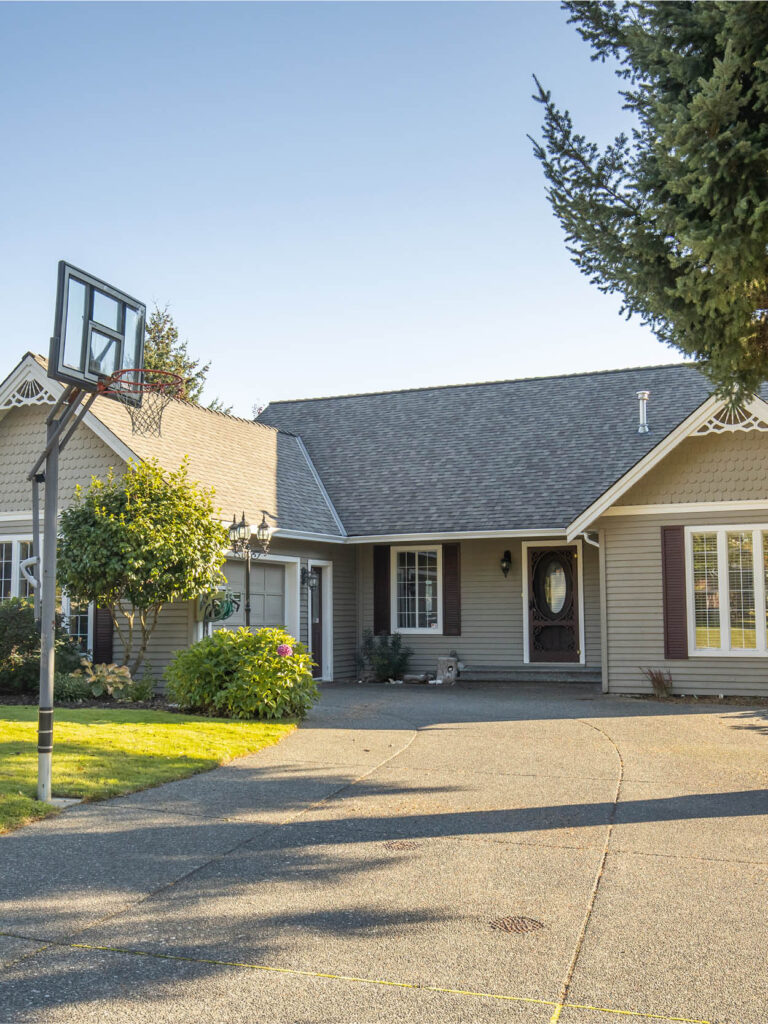
Pressure washing and soft washing are two exterior cleaning approaches that differ in pressure, chemistry, and typical applications; both aim to clean, but they operate by different mechanisms and produce distinct outcomes. Pressure washing relies on high psi mechanical force to blast away dirt and deposits, while soft washing uses low-pressure application of biodegradable agents to kill organisms before rinsing.
For driveways with biological growth, soft washing reduces surface damage and yields longer-lasting results; for heavy, set-in inorganic deposits, controlled pressure techniques may be necessary. The next subsections compare the two methods in detail and explain why soft washing is the preferred option for many driveway issues.
What Is the Difference Between Pressure Washing and Soft Washing Concrete?
Pressure washing uses elevated water pressure to remove hard deposits quickly but risks surface etching, joint washout, and exposure of aggregate when misapplied; it excels on stubborn dirt and thick paint removal. Soft washing combines low-pressure spraying with formulated cleaning agents that chemically dissolve and kill algae, mold, and mildew, making it effective for biological stains with minimal surface damage.
The choice depends on stain type and surface condition: biological contamination responds best to soft washing, while heavy-duty surface restoration sometimes requires selective pressure. This practical contrast guides homeowners to the safer, surface-preserving option for typical driveway concerns.
Why Is Soft Washing a Safer and More Effective Cleaning Solution?
Soft washing is safer because it targets the biological root cause with biodegradable algaecides and surfactants that kill organisms through chemical action, preventing regrowth and avoiding the micro-abrasion that high-pressure water can create. SoftWash Systems™ Authorized technicians apply dwell time and dilution science to ensure active agents work effectively without harming landscaping or nearby materials.
The result is longer-lasting cleanliness, reduced need for repeat treatments, and lower risk to pavers and concrete aggregate. This understanding of soft wash mechanics naturally leads into what specific stains and contaminants professionals can remove.
What Types of Stains and Contaminants Can Professional Concrete Cleaning Remove?
Professional cleaning addresses a wide range of driveway contaminants, from organic growth to inorganic stains, using matched methods—chemical, mechanical, or combined—to restore surface appearance and function. Below is an EAV-style comparison showing typical stain types, the professional removal method used, and expected outcomes to help homeowners set realistic expectations.
| Stain Type | Removal Method | Expected Result / Notes |
|---|---|---|
| Oil stains | Degreaser + agitation, possible poultice | Significant lightening; deep-set stains may require repeat or sealing |
| Rust stains | Chelating agents or rust removers | Often removed with minimal etching if treated promptly |
| Tire marks | Solvent degrease + mechanical scrubbing | Effective removal on surface deposits; deep rubber transfer may persist |
How Are Oil, Rust, and Tire Marks Removed from Concrete Driveways?
Professionals use a sequence: apply a targeted chemical (degreaser for oil, chelator for rust), allow dwell time to break bonds, agitate with brushes or low-pressure mechanical tools, then rinse and evaluate for repeat treatment.
For deep oil penetration, poultices can lift hydrocarbons over multiple applications, while rust often responds to specialized chelators that convert or dissolve iron staining without aggressive blasting. Tire marks combine solvents and abrasion for best effect; technicians balance effectiveness with surface preservation. These methods set expectations for results and possible additional steps like sealing to lock in improvements.
Advanced Techniques for Oil and Rust Stain Removal from Concrete Surfaces
Methods, compositions and kits for masking and subsequent removal of oil, grease, rust and other stains from a variety of rough solid surfaces, including, but not limited to stone, concrete, asphalt, stucco brick, and ceramic.
The methods include coating the stains with an opaque or translucent thin film of a composition that makes the stain practically indistinguishable against the background, exposing the coated stain to the elements, such as, sunlight, air, moisture, resulting in spontaneous transformation, degradation and subsequent removal of the stains from the solid surfaces.
A Method for Masking and Removing Oil Stains from Rugged Solid Surfaces, N Muradov, 2008
How Do Professionals Eliminate Algae, Mold, and Mildew from Concrete Surfaces?
Biological contaminants are treated with biodegradable algaecides and fungicides applied at low pressure, allowed to dwell to kill roots, then rinsed to remove residue, which prevents immediate regrowth and restores slip resistance. The chemical kill-step is crucial because merely blasting organisms off leaves root structures intact and encourages quick return.
Eco-friendly formulations protect plants and pets when used correctly by trained technicians, and follow-up maintenance reduces recurrence. Knowing this chemical + rinse approach helps homeowners decide on soft washing over purely mechanical alternatives.
How Much Does Professional Concrete Driveway Cleaning Cost in Long Island?
Cost for professional cleaning varies based on measurable factors—area size, stain severity, accessibility, method required, and optional sealing—and typically follows per-service component pricing rather than one flat rate.
Below is an EAV-style cost-component table that outlines common service elements, what drives their price, and typical impact for local Long Island projects to help homeowners estimate budgets before requesting quotes.
| Service Component | Cost Factor | Typical Range or Impact |
|---|---|---|
| Square footage | Time and materials scale with area | Larger driveways increase base cost proportionally |
| Stain severity | Additional treatments and dwell time | Deep oil or rust treatments increase labor and materials |
| Sealing / Paver sealing | Type of sealer and prep needed | Adds protection cost; joint stabilizer is extra for pavers |
Key cost influencers include the visible condition and whether sealing or joint stabilization will be added; this transparency makes it easier to compare quotes. For local homeowners, obtaining a free estimate is the recommended next step to get a tailored price based on an on-site assessment.
What Factors Influence the Price of Concrete Cleaning Services?
Primary factors are square footage, severity and type of stains (oil vs organic), surface access and slope, and whether restoration tasks like joint stabilization or sealing are requested, each adding labor and materials. Travel time and required equipment configuration can also affect smaller Long Island properties, and difficult access increases setup time.
Understanding these variables helps homeowners prepare for realistic quotes and identify where savings are possible, such as pre-clearing vehicles and minimizing obstructions prior to service.
Are There Additional Costs for Sealing and Restoration After Cleaning?
Sealing and restoration are optional but recommended for longevity; sealing choices include penetrating sealers for concrete pores and joint stabilizing sealer for pavers, both adding separate line items based on area and product. Sealing protects against new stains, reduces water intrusion, and preserves sand in paver joints, which lowers long-term repair costs.
Expect added cost for sealer materials and application time, but consider this an investment that extends the useful life of cleaned surfaces. Homeowners should request sealing options when obtaining a free estimate.
How Can You Maintain Your Driveway After Professional Concrete Cleaning?
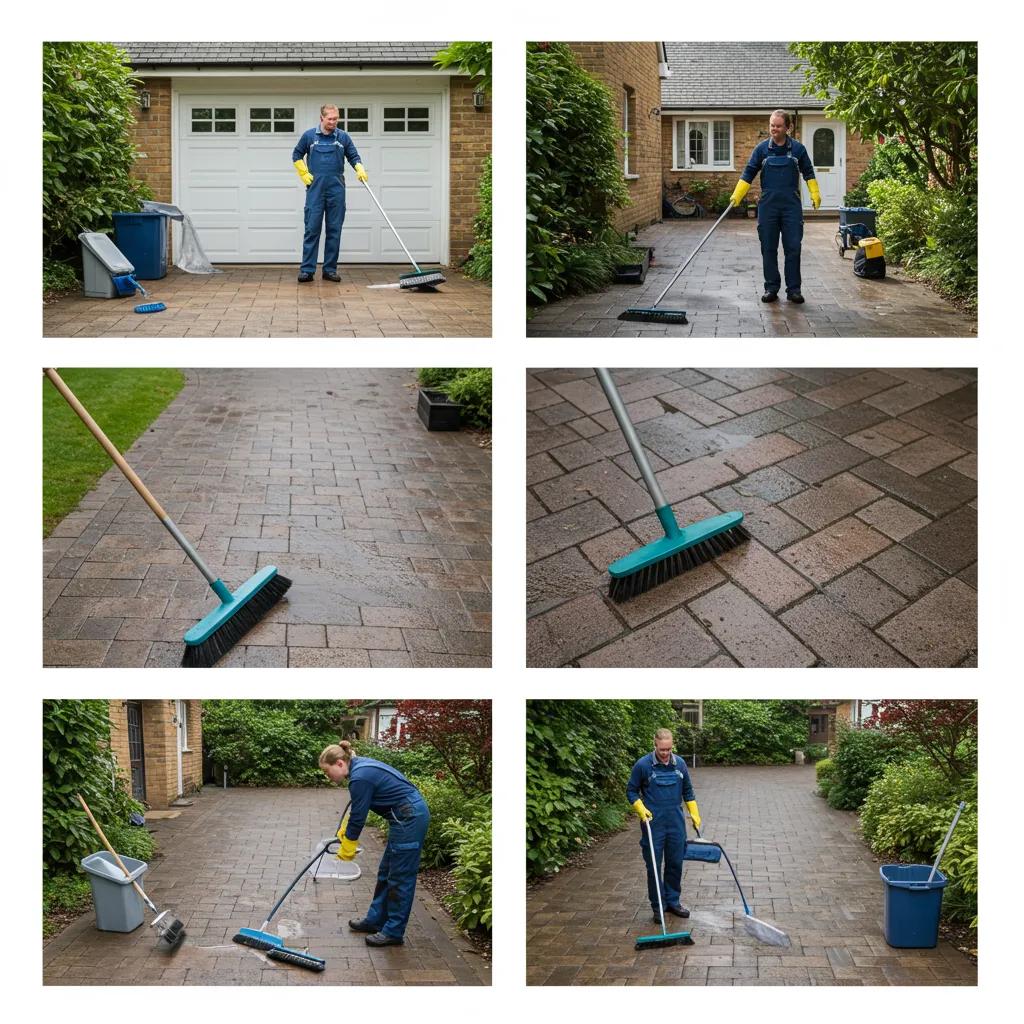
Maintaining a cleaned driveway includes routine sweeping, prompt spot treatment of spills, seasonal rinses, and scheduled professional inspections to preserve results and reduce long-term costs.
Maintenance tasks map to simple frequencies and benefits that keep surfaces functional and attractive, and professional paver cleaning and sealing can be scheduled after initial restoration to protect the investment. The following table outlines maintenance tasks, recommended frequency, and the primary benefit to help homeowners plan.
| Maintenance Task | Frequency | Benefit |
|---|---|---|
| Sweep and rinse | Weekly to monthly | Prevents debris buildup and reduces staining |
| Spot-treat spills | Immediately | Minimizes permanent staining and simplifies future cleaning |
| Professional cleaning/seal | Annually to biennially | Restores appearance and extends surface longevity |
How Often Should You Schedule Concrete Cleaning for Best Results?
For most Long Island driveways, schedule professional cleaning every 12–24 months, depending on shade, tree cover, and traffic; high-traffic or heavily shaded areas benefit from annual service to prevent biological regrowth. Regular scheduling prevents deep-set stains and reduces the need for aggressive treatments that can stress the surface.
Adapting frequency to local conditions and driveway use balances cost with long-term preservation, which leads to the benefits of sealing for additional protection.
What Are the Benefits of Paver Cleaning and Sealing for Driveway Longevity?
Paver cleaning and sealing, including joint stabilization, protect against sand loss, weed growth, staining, and freeze-thaw damage, thereby improving durability and reducing the frequency of repairs. Joint Stabilizing Sealer binds sand to resist erosion, while surface sealers enhance color and repel oil and water-borne contaminants.
These protections result in lower maintenance costs and a longer aesthetic lifespan for paver driveways when applied after thorough cleaning. For homeowners considering this protection, discussing Paver Cleaning and Sealing options during a free estimate ensures the right product and timing.