Benefits of Choosing Professional Driveway Cleaning Services
Professional driveway cleaning delivers cleaner, safer, and longer-lasting results than most homeowner attempts because trained crews combine diagnostic experience, calibrated equipment, and targeted chemistry to remove stains without damaging surfaces. This article explains why DIY pressure washing and rented-equipment approaches often fail to fully remove oil, mold, algae, and rust while increasing risk of surface damage and personal injury.
You will learn the hidden risks of DIY cleaning, the key benefits professionals bring—including soft wash chemistry and eco-friendly products—and how a professional service workflow achieves superior stain removal and protection. The piece maps the practical steps a trained crew uses, compares costs and long-term value between DIY and professional approaches, and closes with actionable maintenance practices homeowners can use to preserve results.
Throughout, we reference safe driveway cleaning methods, soft wash driveway vs pressure wash distinctions, and eco-friendly driveway cleaners to help you evaluate professional driveway cleaning options.
What Are the Hidden Risks and Limitations of DIY Driveway Cleaning?
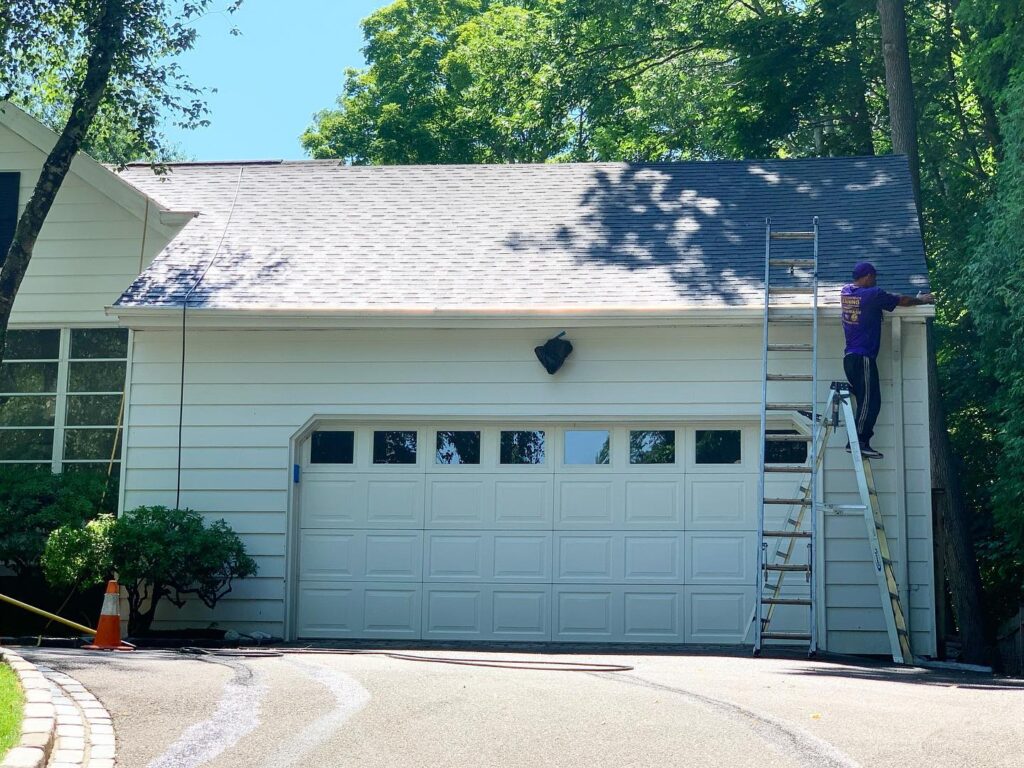
DIY driveway cleaning refers to homeowner attempts using consumer pressure washers, rental equipment, or store-bought chemicals to clean concrete, pavers, or asphalt. The mechanism that often undermines DIY efforts is mismatched pressure or incorrect chemical use, which either fails to reach stain depth or strips surface binders and joint sand. The specific result is surface etching, mortar wash-out, or persistent staining that reduces curb appeal and may require costly repairs. Understanding these limitations helps homeowners decide when professional driveway cleaning is a better investment.
Top DIY risks homeowners should know:
- High-pressure misuse can etch concrete and dislodge joint sand.
- Incorrect detergents or dwell time leave residues and fail to kill organic growth.
- DIY work often exposes homeowners to chemical and slip hazards.
- Time and cleanup often exceed initial expectations and add hidden costs.
These risks point directly to why professional approaches emphasize method selection and surface protection, which we will examine next.
| Method | Attribute | Typical Outcome |
|---|---|---|
| DIY pressure washing (home units) | Pressure-focused, variable nozzles | Surface abrasion, uneven cleaning, possible damage |
| Rental equipment + consumer chemicals | Short-term power without expertise | Incomplete stain removal, potential runoff issues |
| Professional cleaning (softwash/pressure) | Calibrated equipment + targeted chemistry | Deep stain removal, surface protection, reduced damage risk |
This comparison shows DIY approaches trade training and chemistry for convenience, often producing inferior outcomes that require further intervention. The next sections break down how common DIY actions cause specific damage mechanisms.
How Does DIY Pressure Washing Risk Damage to Your Driveway?
DIY pressure washing risks damage because consumer units and incorrect nozzle selection produce pressures and spray angles that exceed a surface’s tolerance. High PSI or narrow-angle nozzles concentrate force and can remove cement paste, wash out joint material, or create pitting on concrete and sand loss between pavers. The immediate result is uneven texture, weakened joints, and higher vulnerability to freeze-thaw cycles or water ingress. Recognizing these mechanical effects clarifies why professionals match nozzle selection and pressure to material type before starting.
This mechanical risk naturally leads to homeowner safety concerns, which are addressed by professional protocols.
What Safety Hazards Should Homeowners Know About DIY Cleaning?
Homeowner safety hazards include slips on wet surfaces, ladder falls, and chemical exposure from concentrated detergents or degreasers. High-pressure spray can penetrate skin or throw debris, posing injury risks that most DIYers underestimate. Environmental runoff of untreated chemicals can also harm landscaping and local waterways if not mitigated. These hazards show why trained crews use protective equipment, containment measures, and eco-friendly cleaners when performing driveway cleaning.
Understanding safety hazards clarifies why DIY methods are often less attractive when factoring personal risk alongside property outcomes.
Why Is DIY Driveway Cleaning Often Ineffective Against Stubborn Stains?
DIY approaches often fail on stubborn stains because concrete and pavers are porous and trap hydrocarbons and organic pigments below the surface. Effective removal requires targeted chemistry—degreasers for oil, chelating agents for rust, and biocides for algae—plus correct dwell time and agitation to lift deep-set contaminants. Short contact times, diluted DIY mixes, or inappropriate mechanical action leave residues and staining behind. This chemistry-driven limitation underlines the value of professional-grade detergents and application methods.
Advanced Methods for Removing Oil, Grease, and Rust Stains from Concrete and Asphalt
Methods, compositions and kits for masking and subsequent removal of oil, grease, rust and other stains from a variety of rough solid surfaces, including, but not limited to stone, concrete, asphalt, stucco brick, and ceramic. The methods include coating the stains with an opaque or translucent thin film of a composition that makes the stain practically indistinguishable against the background, exposing the coated stain to the elements, such as, sunlight, air, moisture, resulting in spontaneous transformation, degradation and subsequent removal of the stains from the solid surfaces.
The compositions include a photocatalyst by itself or the photocatalyst combined with at least one of, a sensitizer, a dopant, a mediator, a co-reagent, a pigment and a binder. The role of a photocatalyst is to produce highly reactive species or radicals and initiate the degradation of a stain upon exposure to elements, such as, sunlight, air and ambient humidity. Artificial light sources can be use
Recognizing chemical limitations leads directly to the advantages professionals bring with specialized products and systems.
How Does Time and Effort Compare Between DIY and Professional Cleaning?
DIY cleaning demands significant homeowner time for prep, operation, and cleanup, often stretching over a full weekend and requiring physical labor. Professionals compress the same scope into hours by using industrial-grade equipment, trained teams, and efficient workflows that reduce homeowner disruption. Hidden tasks—post-clean sealing, joint stabilization, and runoff management—often extend DIY projects and add unexpected costs. That time-and-effort imbalance is a primary practical reason many homeowners choose professional driveway cleaning.
Reducing homeowner time commitment is one of the tangible benefits of hiring a trained crew, which we unpack next.
What Are the Key Benefits of Professional Driveway Cleaning Services?
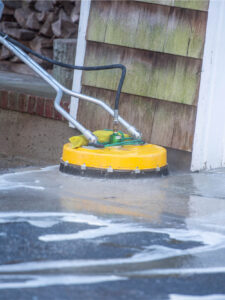
Professional driveway cleaning services deliver superior outcomes by combining diagnostic expertise, calibrated equipment, and specialized chemistry to remove stains thoroughly while preserving surface integrity. The mechanism behind professional advantage is method selection: technicians evaluate material and stain type, then apply low-pressure soft wash chemistry or controlled pressure washing with appropriate nozzles. The result is more complete stain removal, minimized surface damage, and enhanced curb appeal that lasts longer than typical DIY results. These benefits also reduce long-term repair needs and protect property value.
| Service Method | Feature / Tool | Benefit / Outcome |
|---|---|---|
| SoftWash Systems™ | Low-pressure application + detergents | Kills organic growth without surface damage |
| Targeted pressure washing | Industrial-grade machines + nozzle control | Removes deep oil and rust stains effectively |
| Joint stabilizing and sealing | Joint Stabilizing Sealer application | Prevents sand loss and extends paver life |
These method-to-benefit mappings show how professional techniques address both stain removal and surface protection, which many homeowners cannot replicate. For homeowners seeking a specific provider example, Gulf2Bay Softwash demonstrates these advantages in practice.
How Does Gulf2Bay Softwash’s 20 Years of Expertise Improve Results?
Gulf2Bay Softwash’s decades of field experience enable accurate diagnostics and tailored treatment selection for each driveway material and stain. Experienced technicians recognize subtle signs—porosity, joint condition, stain chemistry—and choose soft wash chemistry or calibrated pressure accordingly. That applied expertise reduces callbacks and leads to more durable aesthetic outcomes. Practical experience therefore translates directly into higher first-pass success rates and better long-term appearance.
What Makes SoftWash Systems™ and Eco-Friendly Products Superior?
SoftWash Systems™ combine low-pressure application with proprietary detergents to remove mold, algae, and organic stains without blasting away surface binders. Eco-friendly products such as Trident Products reduce harmful runoff and protect surrounding landscaping while still delivering effective cleaning. This combination provides a safer driveway cleaning method compared with brute-force high-pressure techniques that risk etching. The environmental and surface-protecting advantages make soft wash chemistry a preferred option for many residential properties.
Hard Surface Cleaners: Components and Their Functions
In cleaning of hard surfaces several different types of cleaners can be used. Among the most important components of them are the tensides, whose soil removal ability is enhanced with softeners (complexing agents), solvents, and, depending on the soil, alkalies or acids. The products may also contain disinfectants that destroy microbes and prevent their reproduction. Additional compounds that make the product easier to use or improve its storage life or appearance are also used. Among these are, e.g., foam control agents, preservatives, fillers, dyes, and fragrances. Each component has its special function; however, they also interact.
How Do Professionals Achieve Superior Removal of Oil, Mold, and Algae Stains?
Professionals pair stain-specific chemistries with mechanical action and proper dwell time to extract contaminants from porous surfaces. Degreasers are used for hydrocarbons, biocides for organic growth, and chelating agents or rust removers for metal stains; technicians apply, allow penetration, and then agitate and rinse. The outcome is reduced residual staining and longer-lasting cleanliness compared with short, high-pressure attempts. Combining chemistry and technique is the core reason professionals outperform DIY approaches.
How Do Professionals Ensure Safety and Protect Your Property?
Professional crews implement containment, plant protection, and low-pressure application where appropriate to prevent damage to landscaping, windows, and mortar joints. Trained teams also use personal protective equipment and follow protocols that reduce homeowner liability and injury risk. These precautions preserve adjacent surfaces and comply with environmental stewardship when eco-friendly products are used. Prioritizing safety therefore reduces downstream repair costs and environmental impact.
What Long-Term Benefits Do Professional Services Provide for Curb Appeal and Property Value?
Regular professional cleaning restores a driveway’s appearance and delays surface deterioration, supporting stronger curb appeal and easier resale positioning. Professionally cleaned and sealed surfaces resist staining and joint loss, which extends pavement life and reduces the frequency of costly repairs. The long-term economic effect is improved property presentation and potentially higher perceived value during a sale. Establishing a maintenance schedule with professionals therefore yields both aesthetic and financial returns.
How Does Gulf2Bay Softwash’s Driveway Cleaning Service Work?
Gulf2Bay Softwash’s driveway and concrete cleaning service follows a diagnostic-first workflow that selects soft wash or targeted pressure based on surface and stain assessment. The mechanism begins with an on-site inspection to identify material, staining, and adjacent sensitivities, followed by protection of landscaping and selection of eco-friendly detergents. Technicians then apply the appropriate method, rinse, and recommend optional joint stabilization or sealing to preserve results. This structured approach delivers predictable, safe outcomes that homeowners can verify.
- Inspect the surface and identify stain types and material.
- Protect plants, vehicles, and adjacent surfaces with containment.
- Apply soft wash solutions or calibrated pressure as required.
- Rinse, perform post-clean inspection, and recommend sealing or joint stabilization.
How Does Gulf2Bay Ensure Quality and Customer Satisfaction?
Gulf2Bay Softwash ensures quality through post-job inspections, before-and-after documentation, and clear communication about any recommended follow-up such as sealing. Technicians confirm results with homeowners and provide care guidance to maintain appearance. This accountability reduces uncertainty and supports homeowner confidence in the service performed. The documented inspection process also helps homeowners compare results against expectations.
Which Areas in Long Island Do We Serve for Driveway Cleaning?
Gulf2Bay Softwash serves residential properties across Suffolk County and Nassau County on Long Island, focusing on local climate and seasonal patterns that affect staining and maintenance needs. Local service delivery allows crews to schedule routine maintenance and respond to region-specific issues like algae growth in shaded coastal areas. Homeowners in these counties can therefore access regionally informed cleaning recommendations. For particular scheduling or service questions, homeowners should reference local service listings.
How Does the Cost of Professional Driveway Cleaning Compare to DIY?
A direct cost comparison weighs upfront DIY expenses against professional pricing and the long-term value of correct treatment and avoided repairs. Professional pricing on Long Island typically ranges from $100 to $350, with an average example of $210 for a 600 sq ft driveway; the final price varies by material, stain severity, access, and optional sealing. DIY approaches may appear cheaper initially but often require repeat treatments, equipment rental or purchase, and potential repair costs from surface damage. Evaluating lifecycle costs reveals that professionals frequently deliver better long-term value despite higher upfront fees.
| Approach | Typical Range / Example | Long-term Value |
|---|---|---|
| DIY supplies or rental | Varies by rental or product choice | Low upfront, higher risk of repeat work or repairs |
| Professional service | $100–$350; average $210 for 600 sq ft | Higher first cost, lower long-term maintenance and repair needs |
| Professional + sealing | Service plus Joint Stabilizing Sealer option | Best long-term durability and appearance retention |
What Is the Typical Price Range for Professional Pressure Washing in Long Island?
Typical professional price ranges on Long Island fall between $100 and $350 depending on driveway size, stain complexity, and access constraints, with the example average of $210 for a 600 sq ft driveway. Factors that increase cost include heavy oil contamination, extensive joint repair needs, and sealing requirements. Knowing price drivers helps homeowners budget and compare quotes effectively. These regional pricing patterns support the value argument for hiring experienced professionals.
How Do Professional Services Offer Better Value Over Time?
Professionals reduce the frequency of necessary cleaning and prevent damage that leads to costly repairs, delivering lifecycle savings compared with repeated DIY attempts. A single correct professional treatment plus periodic maintenance and sealing can replace multiple ineffective DIY sessions and avoid repair bills from surface damage. For homeowners planning multiple exterior services, providers sometimes offer bundle discounts that improve overall value. For example, bundled service discounts can lower per-service cost and simplify maintenance scheduling.
What Are the Best Practices for Maintaining a Clean Driveway After Professional Cleaning?
Maintaining a driveway after professional cleaning is straightforward but benefits from consistent, small actions that preserve results and delay re-cleaning. The mechanism of long-term maintenance is preventing reintroduction of contaminants—sweeping, immediate spot-treatment, and controlled vehicle fluid management—to keep surfaces cleaner between professional visits. Combining homeowner habits with occasional professional maintenance and sealing delivers the best balance of appearance and protection. Below are practical lists and product notes to guide ongoing care.
- Sweep debris frequently and remove organic matter that fosters algae growth.
- Use absorbent materials and degreasers promptly for oil and grease spots.
- Avoid harsh household chemicals that can damage sealers or mortar joints.
- Schedule professional cleaning before staining becomes deeply set.
How Can Homeowners Extend the Life of Their Driveway Cleaning Results?
Homeowners extend results by adopting four core habits: regular sweeping, prompt spot treatment of spills, avoiding pressure washing with improper equipment, and applying sealing when recommended. These actions limit stain penetration and joint erosion while keeping surfaces more resistant to organic growth. Simple choices—like using eco-friendly cleaners when needed—also protect landscaping and local drainage. Consistent maintenance therefore multiplies the value of professional cleaning.
When Should You Schedule Regular Professional Driveway Cleaning?
As a rule of thumb, many homeowners schedule professional driveway cleaning annually or biennially depending on traffic, shading, and local climate conditions that influence algae and staining. Signs that indicate an earlier cleaning include visible staining, slippery algae, or oil that does not respond to spot treatment. Working with a local provider ensures timing aligns with seasonal conditions on Long Island. Proactive scheduling prevents stain entrenchment and preserves curb appeal.
How Do Eco-Friendly Products Support Sustainable Driveway Maintenance?
Eco-friendly cleaners such as Trident Products reduce harmful runoff and protect surrounding plants while still providing effective stain removal, because they target organic growth and break down contaminants with reduced toxicity. When paired with Joint Stabilizing Sealer to lock joint sand in place, eco-friendly products help sustain appearance without repeated harsh treatments. Choosing these products supports local landscaping health and aligns with environmentally conscious maintenance plans. Sustainable product choices therefore complement professional cleaning and sealing strategies.
Maintaining the balance of effective cleaning and environmental care ensures long-term results and protects property investment.