Why Now Is the Best Time to Protect Your Hardscape
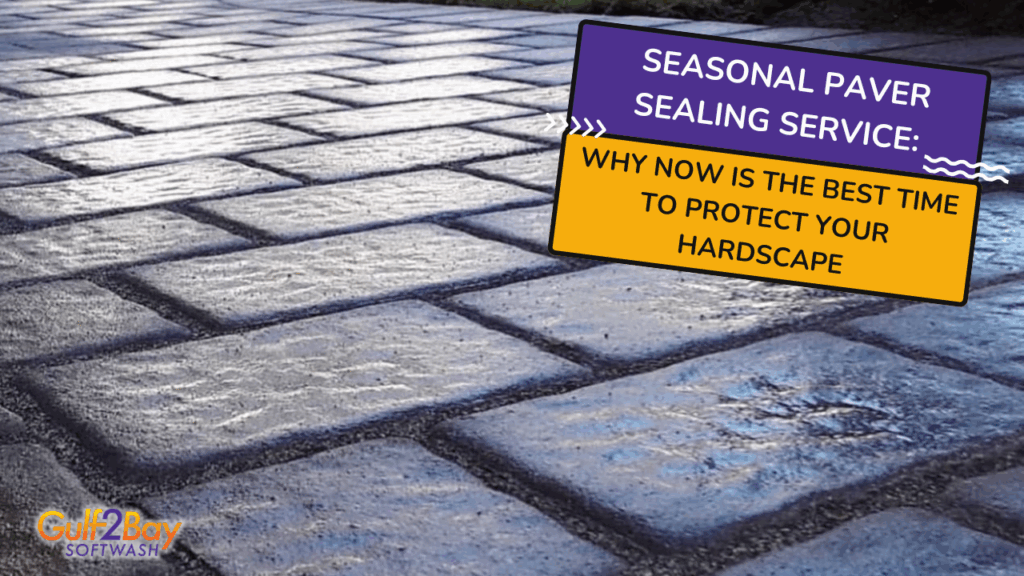
Getting your pavers sealed at just the right time means lasting protection and a serious curb appeal boost. That’s why homeowners should safeguard their patios, driveways, and pool decks before stains or erosion even think about setting in.
This guide breaks down how our seasonal paver sealing service acts as a shield against stains, weeds, moss, fading colors, and general wear and tear. We’ll also pinpoint the sweet spots for timing in both Long Island and Southwest Florida.
You’ll learn all about the awesome benefits of sealing, the perfect weather windows, why Gulf2Bay Softwash’s eco-friendly SoftWash system is a game-changer, what goes into the cost, and some handy maintenance tips to keep your hardscape looking its best for years to come.
What Are the Key Benefits of Seasonal Paver Sealing Service?

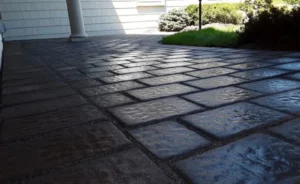
When we apply our seasonal paver sealing service, we’re essentially giving your pavers a protective coat that sinks into their pores. This blocks out water, oils, and dirt, which means superior stain resistance, fewer weeds popping up, and colors that really pop.
Homeowners get a tougher defense against Mother Nature, richer paver tones, and way less upkeep down the road.
Before we get into the nitty-gritty, check out these main perks:
- Supercharged Protection: Our sealant creates a barrier that shrugs off stains, stops weeds in their tracks, and keeps moss from taking hold.
- Revitalized Look: A top-notch sealer brings back your pavers’ original vibrancy and gives them that consistent, attractive “wet look” finish.
- Built to Last: Sealed pavers stand up better to scuffs, harsh freeze-thaw cycles, and UV rays, meaning they’ll serve you well for much longer.
These advantages really set the stage for how sealing tackles common hardscape headaches and makes them last.
The Importance of Sealing Pavers: Longevity and Maintenance Benefits
Studies show that properly sealing your pavers creates a solid shield against environmental elements like rain, snow, ice, and UV rays.
This helps prevent unsightly efflorescence and keeps weeds from sprouting. Sealed pavers can maintain their structural integrity for 15-30+ years, a significant leap from unsealed pavers that often need replacing within 7-10 years.
This research backs up our claims about the enhanced protection, durability, and extended lifespan that come with seasonal paver sealing.
How Does Paver Sealing Protect Against Stains, Weeds, and Moss?
Paver sealing works by forming a protective film that stops things like oil, grease, and tannins from soaking into the stone or brick. This barrier also blocks the sunlight and moisture that weeds and moss need to grow.
The result? Your hardscapes stay cleaner for longer and resist biological growth without needing harsh chemicals.
In What Ways Does Sealing Enhance Paver Color and Appearance?
A quality sealant deeply saturates the paver’s surface, bringing out its natural colors and contrasts. Think richer reds in brick, deeper grays in concrete, and more vivid veining in natural stone.
By locking in moisture and reducing dust, sealed pavers maintain a fresh, uniform sheen that boosts your home’s curb appeal and overall value.
How Does Sealing Extend the Lifespan of Your Hardscape?
Sealing helps your pavers last longer by protecting the joint sand from washing away and by limiting water that can cause cracks in cold climates or destabilize the base in wet areas. This fortified barrier keeps your paver system strong and reduces the need for repairs, giving you the best return on your investment.
When Is the Best Time to Seal Pavers in Long Island and Southwest Florida?
The right timing for paver sealing depends on temperature, humidity, and rain patterns to ensure the sealant cures properly and sticks well.
The ideal windows differ between the more temperate Long Island and the subtropical Southwest Florida, but both regions need dry conditions and moderate warmth for about 24–48 hours after we’re done.
What Seasonal Conditions Are Ideal for Paver Sealing?
The best conditions include daytime temperatures between 50°F and 90°F, humidity below 75%, and no rain in the forecast for at least two days. These parameters allow the sealants to bond completely and dry without trapping moisture underneath.
| Season | Temperature Range | Rain Risk | Recommended Region |
|---|---|---|---|
| Spring | 55–75°F | Low | Long Island |
| Fall | 60–85°F | Moderate | Southwest Florida (dry season) |
| Late Winter | 50–65°F | Low | Temperate climates |
These seasonal windows provide the controlled environment needed for the sealant to perform its best and last long-term.
A Practical Guide on When to Seal Pavers
Ideal conditions for sealing pavers usually mean daytime temperatures between 50 and 90 degrees Fahrenheit, with ground temperatures ideally 50°F or above, and dry weather expected for 24-48 hours post-application.
Applying sealer when it’s too hot can make it dry too fast and become brittle, leading to cracks. Conversely, cold temperatures can prevent it from penetrating and adhering properly.
This information confirms our recommendations for the best seasonal conditions and temperature ranges needed for effective paver sealing, highlighting how crucial proper curing is.
How Do Local Climate Factors Affect the Timing of Sealing?
Long Island’s freeze-thaw cycles mean we need to seal in spring or fall, avoiding the extreme cold or wet winters. In Florida, the humidity and summer thunderstorms push sealing projects into the drier winter and early spring months. Adjusting our schedule to fit each region’s weather patterns ensures the sealant cures perfectly and prevents common application issues.
How Does Gulf2Bay Softwash’s Eco-Friendly SoftWash System Improve Paver Sealing?
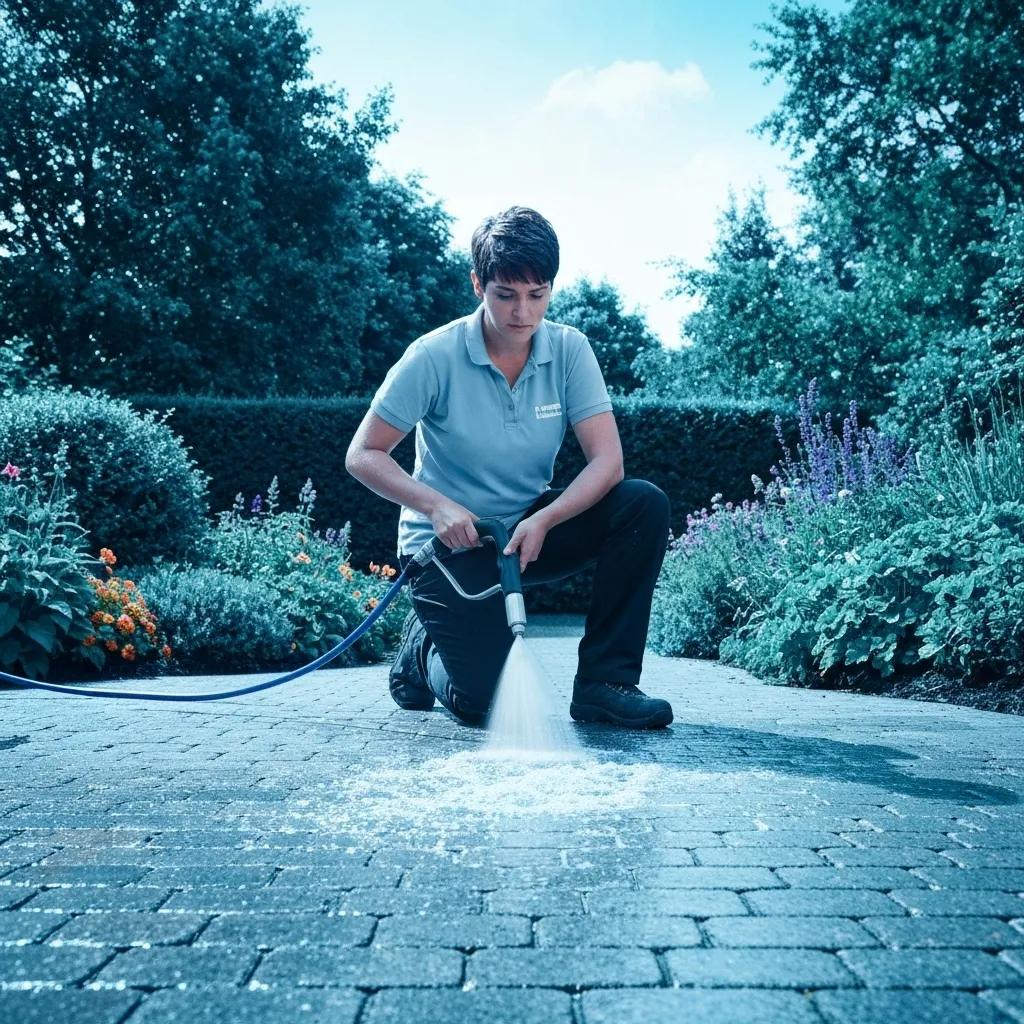
Gulf2Bay Softwash takes paver cleaning and sealing to the next level by combining low-pressure, biodegradable solutions with expert joint stabilization and sealant application.
This all-in-one approach preps surfaces more gently than pressure washing, while also boosting how well the sealant sticks and how long it lasts.
What Is Soft Washing and How Is It Different from Pressure Washing?
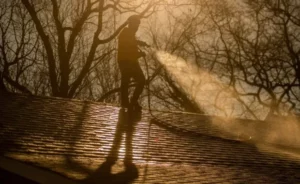
Soft washing uses a controlled, low-pressure spray of gentle, eco-friendly detergents to dissolve algae, mold, and grime without damaging your paver surfaces. High-pressure washing, on the other hand, can strip away joint sand, remove old sealant, and even chip paver edges, leading to uneven sealing and potential structural problems.
Soft Washing vs Power Washing: Which Is Better For What?
Soft washing uses low-pressure water mixed with biodegradable cleaning agents to gently lift away contaminants like algae, mold, and dirt, making it ideal for delicate surfaces. High-pressure washing, which can range from 500 to over 3,300 PSI, can harm paver adhesives, etch brick, and dislodge materials. This makes soft washing a gentler yet highly effective alternative for cleaning pavers.
This information clearly explains the difference between soft washing and pressure washing, supporting our point that soft washing is a superior, less damaging method for getting pavers ready for sealing.
How Does SoftWash Enhance Sealant Longevity and Surface Protection?
By removing contaminants at a microscopic level and stabilizing the joint material before sealing, SoftWash creates the perfect surface for the sealant. This maximizes sealant penetration and bonding strength, extending its protective performance by up to 50% compared to standard cleaning methods.
What Are the Typical Costs and Factors Influencing Paver Sealing Prices?
The price for paver sealing depends on the size of the job, the type of pavers, how we clean them, and the quality of the sealant used. Knowing these details helps homeowners budget accurately and get quotes that offer real value.
Which Factors Affect the Cost of Paver Sealing Services?
Here are the main things that influence the price:
- Size of the Area – Bigger surfaces need more sealant and take more time, increasing the overall cost.
- Paver Material – Natural stone often requires more expensive, specialized sealants compared to concrete or brick.
- Condition of the Surface – Extensive cleaning, re-sanding joints, or making repairs adds prep time and resources.
- Sealant Quality – Premium water-based or solvent-resistant sealers cost more upfront but offer longer-lasting protection.
These factors all play a role in the final price, so clear communication about your specific needs ensures an accurate quote.
How Can Homeowners Get an Accurate Paver Sealing Quote?
Homeowners can get precise estimates by providing measurements, details about their paver type, and scheduling photos for virtual assessments. A professional on-site evaluation will confirm the surface conditions and weather considerations, leading to a clear proposal with a breakdown of costs.
How Long Does Paver Sealer Last and When Should You Reseal?
A single application of high-quality sealer typically lasts two to five years, depending on how much foot traffic it gets, sun exposure, and how well it’s maintained. Watching for signs of wear and keeping up with regular cleaning will ensure the protection stays at its best.
What Signs Indicate It’s Time to Reseal Your Pavers?
You’ll know it’s time to reseal when you notice:
- A Dull Look – The glossy finish fades, and paver colors seem muted.
- More Stains – Spills or dirt soak in instead of beading up on the surface.
- Washed-Out Joint Sand – You see noticeable gaps between pavers as the sand erodes.
What Maintenance Tips Help Extend the Life of Sealed Pavers?
Routine care keeps your sealant performing well through:
- Gentle sweeping to remove debris that can scratch sealant films.
- Annual soft washing to clear away buildup without causing damage.
- Quickly cleaning up spills to prevent permanent discoloration.
Sealing your pavers at the right time and with the right method creates a tough shield that enhances color, prevents damage, and makes maintenance a breeze. Gulf2Bay Softwash’s eco-friendly SoftWash system combines specialized cleaning with top-tier sealants for superior protection and value.
By planning your project around the best seasonal windows, understanding what affects the cost, and following our recommended upkeep, homeowners in Long Island and Southwest Florida can enjoy hardscapes that look newer and last longer.
Investing in professional paver sealing now protects your surfaces from environmental stress and boosts your property’s appeal for years to come.