Top Reasons Long Island Roof Cleaning Is Essential for Year-End Home Care
A year-end roof cleaning is a targeted home-maintenance step that removes algae, moss, lichen, and other organic growth that accelerate wear on shingles and roofing materials. Homeowners will learn why timing matters on Long Island, what benefits an eco-friendly soft wash delivers, how cleaning protects health and energy bills, and what to expect from a professional service visit. Long Island’s coastal humidity, salt air, and seasonal storms create ideal conditions for roof contaminants to take hold, and addressing them before winter reduces freeze-thaw damage and hidden leaks.
This article maps the most important reasons to schedule roof cleaning as part of year-end home care, explains the mechanisms behind soft washing, connects cleaning to cost and insurance implications, and outlines the step-by-step expectations when hiring a certified soft wash provider. Read on for practical checklists, comparison tables, and clear guidance that helps you prioritize roof cleaning during the late-fall to early-winter window.
Why Is Year-End Roof Cleaning Crucial for Long Island Homes?
Year-end roof cleaning proactively removes biological growth and debris that weaken roofing materials and create failure points during winter storms. Removing algae and moss reduces moisture retention on shingles and prevents ice-dam formation when temperatures drop, which lowers the risk of leaks and costly repairs. Cleaning at year-end also gives homeowners a clear opportunity to inspect flashings, gutters, and roof-mounted systems before freeze-thaw cycles expand minor damage. For Long Island properties exposed to salty air and frequent seasonal storms, this timing turns routine cleaning into preventative maintenance that preserves roof integrity into the colder months and beyond.
Long Island climate factors that make year-end cleaning essential include shore-driven humidity, storm-driven salt deposition, and seasonal temperature swings that encourage regrowth and structural stress. These combined stresses mean cleaning before winter is a practical way to limit damage and extend service life. After explaining why timing matters, the next section examines the specific mechanisms and homeowner benefits of soft wash roof cleaning.
How Does Long Island’s Climate Affect Roof Health?
Long Island’s climate combines high summer humidity, periodic heavy rain, and coastal salt spray, which together accelerate growth of algae (Gloeocapsa magma), moss, lichen, and mold on roof surfaces. These organisms retain moisture against shingles and shakes, breaking down protective granules on asphalt shingles and causing wood shakes to lift and trap water. Storm-driven debris and salt can abrade surfaces and accelerate corrosion on metal flashings and gutters, increasing maintenance needs. Understanding these climate-driven processes clarifies why targeted cleaning and protective treatments are more than cosmetic—they are material preservation strategies that reduce future repair costs.
What Makes Year-End the Best Time for Roof Cleaning?
Year-end timing captures the period after summer/fall growth and before prolonged winter freeze-thaw and snow events, making it ideal for both cleaning and inspection. With foliage down and gutters clearable, technicians can access roof planes more easily and identify damaged flashing or shingle loss that might otherwise be hidden. Performing cleaning before the cold season also reduces the chance that trapped moisture will freeze and expand, which can enlarge small defects into significant leaks. Scheduling roof work at year-end therefore combines remediation of seasonal buildup with prevention of winter-specific damage, setting the stage for lower maintenance demands the following spring.
The practical implications of timing lead naturally to choosing the right cleaning method for Long Island homes, which the next section explores in depth.
What Are the Key Benefits of Soft Wash Roof Cleaning in Long Island?
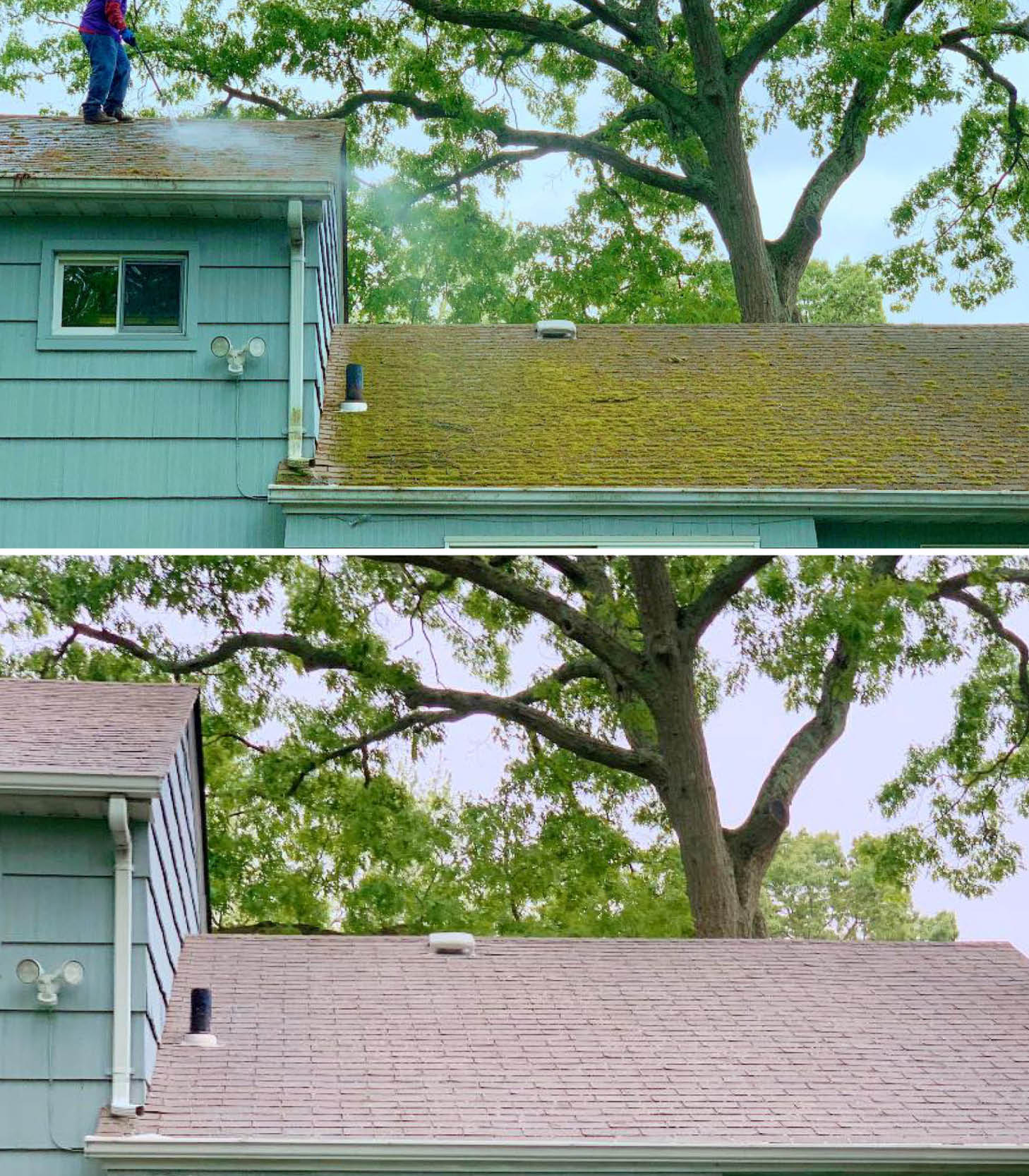
Soft washing delivers several distinct homeowner benefits:
- Damage Prevention: Low-pressure application avoids granule loss and material erosion common with high-pressure cleaning.
- Extended Roof Life: Sanitizing root systems reduces biological degradation and helps shingles last longer.
- Curb Appeal: Removing dark streaks and stains restores consistent roof color, boosting property presentation.
- Environmentally Sensitive: Biodegradable solutions lower risk to plants and surrounding surfaces compared with harsh chemicals.
These benefits recommend soft washing as the preferred method on Long Island; next we break down how soft washing physically extends roof life.
| Contaminant | Typical Effect on Roof | Result After Soft Wash |
|---|---|---|
| Algae (G. magma) | Dark streaks, granule loss on shingles | Sanitized surface, reduced re-staining for months |
| Moss | Lifting of shingles/shakes and trapped moisture | Root removal, restored drainage, fewer ice-dam risks |
| Lichen | Hard patches that trap moisture | Surface removal and inhibited regrowth |
| Mold & Mildew | Potential spore release, staining | Lowered spore counts, improved appearance |
This table shows how addressing specific biological entities with soft wash techniques produces measurable material and aesthetic improvements.
How Does Soft Washing Extend Your Roof’s Lifespan?
Soft washing extends roof lifespan by chemically breaking down the root structures of algae, moss, and lichen rather than relying on abrasive force that can strip protective coatings. Biodegradable sanitizing agents penetrate and deactivate organisms at their attachment points, allowing safe rinsing without dislodging shingle granules or damaging wood fibers.
Over time, reducing organic growth prevents moisture entrapment and the chronic wetting cycles that accelerate rot and material breakdown. With proper application and periodic maintenance, soft washing contributes to measurable longevity improvements and can delay the need for expensive re-roofing projects.
Can Soft Washing Improve Curb Appeal and Property Value?
A clean, uniform roof significantly improves first impressions and supports better listing photos or seasonal presentation during holidays, open houses, or property assessments. Removing dark streaks, green patches, and debris restores consistent roof color and complements freshly maintained siding and landscaping.
Potential buyers and appraisers often interpret a well-maintained roof as a sign of overall property care, which can increase buyer confidence and perceived value. Pairing roof soft washing with gutter and house washing amplifies the whole-home curb appeal effect, presenting a coherent, well-cared-for exterior that supports stronger market positioning.
A quick reference to benefits by entity:
| Benefit Area | Attribute | Value |
|---|---|---|
| Aesthetics | Visual uniformity | Increases curb appeal and listing attractiveness |
| Durability | Biological removal | Slows material degradation and reduces repair frequency |
| Environmental | Chemical profile | Uses biodegradable agents that minimize landscape impact |
How Does Roof Cleaning Protect Your Home and Save Money?
Roof cleaning reduces long-term costs by preventing small issues from becoming major failures that require repair or replacement. Removing organisms that trap moisture reduces shingle delamination, rot on wood components, and the formation of ice dams that can cause interior water damage.
Health-related savings may occur when mold and mildew sources are reduced at the building envelope, helping lower indoor air quality risks tied to outdoor spore loads entering ventilation systems. Energy savings arise when clean roof surfaces reflect more sunlight and avoid the heat absorption associated with dark biological staining, which can modestly lower cooling loads in warmer months.
Homeowners should consider both direct and indirect savings:
- Direct savings from avoided repairs and extended roof service life.
- Health-related value through reduced spore sources that can impact indoor air.
- Energy-related reductions in cooling demand when reflective properties are preserved.
Below is a concise table that ties specific protective actions to homeowner outcomes.
| Protective Action | Financial/Health Impact | Typical Value |
|---|---|---|
| Mold removal | Reduced indoor spore load | Lowers indoor air risk |
| Clean roof surface | Improved reflectivity | Potentially lowers cooling costs modestly |
| Debris removal | Prevents clogged gutters/ice dams | Reduces leak-related repair costs |
Why Is Mold and Mildew Removal Important for Family Health?
Mold and mildew on roofing surfaces contribute spores that can enter attic and living spaces through vents, gaps, and HVAC intakes, adding to overall indoor allergen loads. While outdoor spores are normal, large localized sources near intake points can raise exposure for sensitive individuals and exacerbate respiratory conditions. Professional roof cleaning reduces these surface reservoirs and helps limit seasonal spikes in spore presence, which is particularly relevant for households with allergies or asthma. If homeowners suspect active indoor mold growth beyond roof-surface contributions, they should consult qualified remediation professionals for testing and targeted remediation.
How Does a Clean Roof Improve Energy Efficiency and Lower Bills?
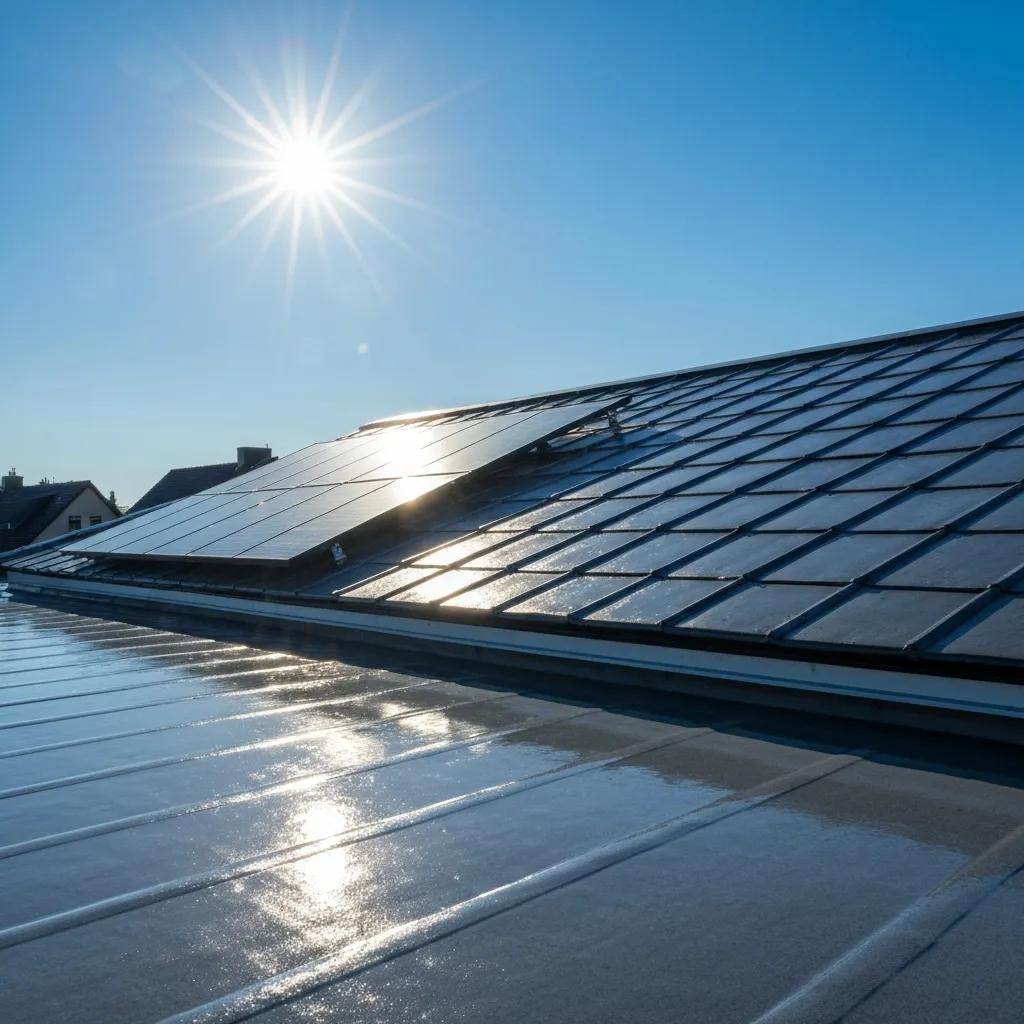
Dark biological staining increases solar absorption on roof surfaces, causing higher heat transfer into attic spaces and increasing cooling loads during warm months. Cleaning restores reflective qualities of roofing materials, helping maintain designed thermal performance and reducing the workload on attic insulation and HVAC systems. While energy savings vary by climate and roof orientation, maintaining a clean surface is a low-cost measure that supports other efficiency efforts like insulation upgrades and ventilation. For year-round benefits, combine seasonal cleaning with attic-level improvements to maximize efficiency gains.
Does Roof Cleaning Affect Homeowner’s Insurance Compliance?
Routine maintenance, including roof cleaning and documented inspections, can support insurance compliance by demonstrating proactive care that limits preventable damage. Some policies require policyholders to maintain their property to reduce risk; keeping records of professional cleaning, photographs before and after service, and receipts can be useful when submitting claims for unrelated storm damage. Homeowners should review specific policy language or consult their insurer regarding maintenance obligations and retain documentation after any professional service. Proper record-keeping enhances claims credibility and supports the preventative value of year-end roof care.
The link between maintenance and documentation frames what homeowners should expect when hiring professionals, which the next section explains in detail.
What Should You Expect from a Professional Long Island Roof Cleaning Service?
A professional roof cleaning service follows a clear, safety-focused process: initial roof inspection, targeted low-pressure soft wash application with biodegradable solutions, controlled rinsing, and post-service inspection with photographic documentation. Technicians trained in certified soft washing methods prioritize material compatibility, protect landscaping and gutters, and apply treatments that sanitize root systems to delay regrowth.
Homeowners should expect a walkthrough before work begins, clear communication about timing and safety precautions, and an after-service report that notes any roof concerns discovered during cleaning. When selecting a provider, look for experience with local roof materials and an emphasis on environmentally safe practices.
Below is a step-by-step EAV outline describing typical service steps and homeowner impact.
| Step | What Happens | Expected Time / Homeowner Impact |
|---|---|---|
| Inspection | Technician assesses roof condition and identifies hazards | 15–30 minutes; identifies repairs needed |
| Pre-protection | Covering plants and outdoor assets, securing gutters | 10–20 minutes; reduces runoff risk |
| Soft wash application | Low-pressure application of biodegradable solution | 20–60 minutes depending on roof size |
| Rinse & inspection | Gentle rinse and final inspection with photos | 15–30 minutes; homeowner receives documentation |
What Is the Science Behind Gulf2Bay’s Eco-Friendly Soft Washing?
Gulf2Bay Softwash applies industry-standard soft washing methods using low-pressure delivery of biodegradable sanitizing agents that target the root structures of algae, moss, and lichen. These solutions chemically degrade organic attachments and inactivate spores, allowing safe rinsing without abrasive force that damages shingles or wood shakes.
Gulf2Bay emphasizes eco-friendly formulas and trained technicians to protect landscaping and reduce environmental impact while achieving a deeper, longer-lasting clean. Homeowners can expect a measured application, precautions for sensitive areas, and documentation of the work performed that supports maintenance records and potential insurance needs.
How Does Soft Washing Compare to Pressure Washing for Long Island Roofs?
Soft washing and pressure washing differ fundamentally in mechanism and risk: pressure washing relies on high-velocity water to remove surface dirt but can strip shingle granules, lift shingles, and void warranties, while soft washing uses chemical action at low pressure to sanitize without mechanical damage.
For most Long Island roof materials—especially asphalt shingles, cedar shakes, and delicate tiles—soft washing is the safer, more effective long-term approach because it prevents abrasion and reduces regrowth. Homeowners should avoid high-pressure methods on roofing and choose certified soft wash providers to preserve material warranties and longevity.
- Confirm the provider uses low-pressure soft wash methods and biodegradable solutions.
- Ask for a pre-service inspection and post-service photos for your records.
- Clear access pathways and secure pets prior to arrival.
These preparatory steps help ensure a smooth, documented service experience and set expectations for outcomes. For Long Island homeowners seeking certified soft wash expertise, Gulf2Bay Softwash offers eco-friendly soft washing performed by trained technicians and provides free quotes to evaluate needs and timing; to request a free quote, contact Gulf2Bay Softwash by phone.
Planning year-end maintenance? Review our Long Island roof cleaning cost guide for current price factors.