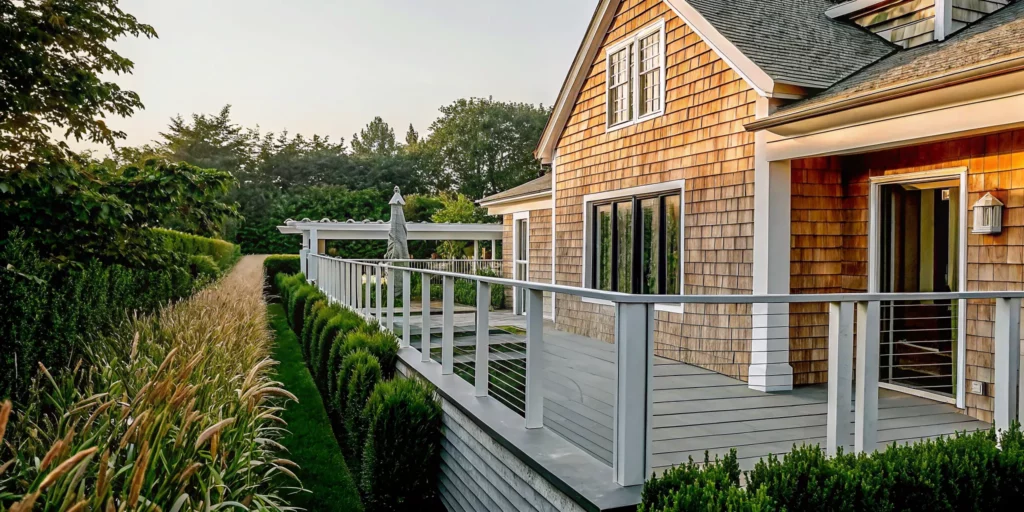
Real cedar siding on a Long Island home faces a tough fight against salt, sun, and moisture. Proper cedar siding restoration stops this damage and brings back the natural beauty of the wood. Fixing these surfaces requires a deep knowledge of wood science and local weather.
Cedar siding restoration is an expert process that uses low-pressure soft washing and safe cleaners to remove harmful mold while preserving wood strength. Unlike standard power washing which can shred soft fibers and drive water into the boards, this method kills spores at the root without causing damage. Keeping moisture levels low is vital. Excessive water in wood is the main cause of rot and peeling finishes, according to research from UMass. Soft washing uses one-third the water of old methods to provide a safe way to bring back the beauty of the wood. This approach protects your Long Island home for years and ensures the results last through many harsh coastal winters. The service often includes a long-term warranty to give you peace of mind.
Every home on the coast has its own set of problems. You need to know how the salt and sun change your wood before you start any work. Next, we look at Understanding the Unique Weathering of Long Island Cedar Siding. The path begins with
Cedar Siding Restoration: Understanding the Unique Weathering of Long Island Cedar Siding
Homes on Long Island face some of the most intense weather in the country. The mix of high humidity, salt air, and strong sun creates a harsh environment for cedar wood. Without regular care, these coastal factors can quickly age your siding. Understanding how these elements work is the first step in successful cedar siding maintenance tips for local homeowners.
Coastal humidity and wood rot
Water is the primary cause of almost all wood siding problems. High moisture levels often lead to peeling paint, rot, warping, and deep cracks. Wood is a porous material that acts like a sponge when it gets wet. On Long Island, the air stays damp for much of the year, which keeps the wood from drying out. This constant wetness can lead to serious decay and structural issues over time. Experts note that excess moisture is the root of most wood building material failures.
Sapwood versus heartwood decay
Not all cedar wood is the same when it comes to durability. Heartwood is the older, inner part of the tree. It contains natural chemicals that help it resist rot and insects. Sapwood is the newer, outer part of the tree that is now common in modern siding. This sapwood absorbs water much faster than heartwood. It also lacks the natural preservatives that keep older cedar strong. This makes modern siding more prone to decay if it is not protected properly.
The role of protective finishes
A good finish does more than just make your home look nice. Its main job is to protect the wood from light and moisture. Sun and rain work together to break down the wood fibers on the surface. Once the finish fails, the wood is left open to the elements. Proper maintenance and reapplying finishes on a regular cycle are vital steps. This process ensures your cedar siding stays in good shape and lasts for decades.
Why Standard Pressure Washing Is Destructive to Cedar Wood
Standard pressure washing uses raw force to blast away dirt. While this works for stone or brick, it is too harsh for soft wood. Cedar is a soft wood that needs a gentler touch. High pressure can quickly turn a simple cleaning into a costly repair job.
Damage to wood fibers
When water hits cedar at high pressure, it acts like a sharp saw. The force rips the wood fibers and raises the grain. This creates a fuzzy texture on the surface of your siding. These tiny splinters trap dirt and make it harder for new stain to stick. The wood becomes much like a sponge that drinks in water and dirt.
The intense blast can also strip away the oils that protect the wood. Once these oils are gone, the cedar becomes dry and brittle. It may crack or warp much faster than it would with safe care. This damage often ruins the look of the home and lowers its value. Homeowners may find that their siding looks aged and worn just a few weeks after a high-pressure wash.
Loss of protective finishes
Pressure washing does more than just hurt the wood itself. It also destroys the stains and sealants that keep your home safe. High force can peel these layers off in jagged patches. This leaves the wood open to sun damage and rain. Once the finish is gone, the wood has no shield against the harsh air of Long Island.
A good finish should shield the wood from light and wet weather. When the finish fails, rays from the sun break down the wood cells. The wood will then turn grey and lose its natural strength. Fixing these surfaces requires careful cleaning before new stain is added. This step is vital to ensure the new finish bonds well to the wood.
Hidden risks of water rot
High-pressure streams often drive water deep into the gaps between boards. This moisture gets trapped behind the siding where it cannot dry. Based on experts at UMass Amherst, moisture is the root cause of almost all wood siding problems. Trapped water leads to mold, mildew, and deep rot that you cannot see from the street. Over time, this rot weakens the very frame of the house.
Once water enters the wood, it can also reach the inner walls of your home. This can lead to paint peeling on the inside and damp insulation. Finding these issues early is a key part of expert cedar siding restoration. Waiting too long can mean you need to replace whole sections of wood. This is why low-pressure methods are the only safe way to clean cedar.
How Specialized Soft Washing Preserves Cedar Siding at the Molecular Level
The Science of Soft Washing
Modern professional cedar restoration services use a method called soft washing to protect your home. This process is not just about looks. It targets the roots of living growth that eat wood fibers. Most issues with wood come from too much moisture that stays trapped in the siding. When water sits, it lets mold and algae grow. These pests feed on the wood and cause rot. Soft washing stops this at a deep level without the force that harms wood. It kills the spores so they do not come back soon.
The tech behind this method relies on safe soaps. These soaps go deep into the wood grain. They find the tiny roots of moss and mildew. Once the soap hits these roots, it breaks them down. This means you do not need to scrub the wood. Scrubbing can leave marks or thin out the boards. By using a soft touch, we keep the wood whole. This is key for homes near the sea where salt and damp air are common. It keeps the siding strong for a long time.
Step-by-Step Restoration Process
The process follows a set path to ensure the wood stays safe. Each step works to clean the wood while keeping its strength. We take care to treat every board with the same level of detail.
- We apply a low-pressure spray of soap and water. This mix has safe, green cleaners that break down dirt and grime.
- The cleaning mix sits on the wood. It soaks into the pores to kill mold and algae at the root. This step takes time to work but gives the best results.
- We use a soft rinse to wash away the dead spores. This uses far less force than a standard power washer. It keeps the wood fibers flat and smooth.
- The wood dries slowly. This stops the wood from warping or cracking due to sudden stress. A slow dry is much better for the wood than a fast blast of air.
- We check the wood for any missed spots. A final look ensures that all the growth is gone. This leaves the wood ready for a new coat of stain or sealer.
Why Low Pressure Matters
Old tools use high force to blast dirt away. This force can shred wood grain and raise fibers. It also drives water deep into the wood. This water can stay there for a long time. Experts at Oregon State University note that sapwood rots fast because it drinks water quickly. If you force water into these pores, you invite decay from the inside. Soft washing uses low pressure to avoid this risk. It uses only one-third the water of a standard pressure washer. This keeps the wood dry and helps your cedar siding restoration last for many years. You get a deep clean that saves the wood from the inside out.
High pressure can also strip away the real oils in cedar. These oils are what keep the wood from rotting in the first place. When you blast the wood, you take away its best defense. Soft washing works with the wood, not against it. It removes only what should not be there. This leaves the real beauty of the wood intact. Owners find that their siding looks new without the risk of cracks or splits. It is the best way to keep your home safe and pretty at the same time.
Can Cedar Siding Be Restored to Its Original Beauty?
Most homeowners believe that gray or black cedar siding is beyond help. They worry that the silver patina means the wood is rotting. However, cedar has unique natural traits that make cedar siding and fence restoration a very real option. Even wood that has been left alone for years can look new again with the right care. This species is famous for its excellent weathering habits, which allow it to hold up well under harsh sun and rain.
The science of wood brightening
The path to a fresh look starts with a deep clean and a pH change. When wood turns gray, it is because of sun damage and tiny spores on the surface. We use wood brighteners to fix this. These brighteners often use oxalic acid to lower the pH of the wood. This process removes the gray color and opens the pores of the cedar. Once the pores are open, the wood is ready to take in a new finish.
A good brightener does more than just clean the surface. It helps the wood fibers relax and lets the natural red or gold tones shine through again. This step is vital if you want your siding to look like it did when it was first built. Without brightening, any new stain will look dark or muddy.
How finishes protect your home
The final goal of any project is to keep the wood safe. Finishes on cedar siding do two main jobs. First, they make the home look great. Second, they shield the wood from light and water. These two things are the biggest threats to the health of your siding. Light breaks down the wood cells, and water can lead to rot or cracks.
Choosing the right finish keeps the wood from drying out. It acts like a seal against the rain. When you restore your cedar, you are not just making it pretty. You are adding a layer of safety that helps the wood last for many more decades. This proactive care is the best way to avoid the high cost of full siding replacement.
| Product Type | Primary Purpose | Key Action | Frequency |
|---|---|---|---|
| Wood Cleaner | Remove dirt and mold | Lifts surface stains | Every 1-2 years |
| Wood Brightener | Restore color and pH | Neutralizes and opens pores | During restoration |
| Penetrating Stain | Seal and protect wood | Blocks UV and water | Every 3-5 years |
The Role of Premium Finishes like Sherwin-Williams WoodScapes
Applying a high-quality finish is a key step in cedar siding restoration. A good finish does two main things. It makes the wood look great and protects it from the sun and rain. Without this layer, light and moisture will quickly break down the wood fibers. According to research from the University of California, these finishes are vital to stop the wood from degrading over time.
How premium finishes protect wood
Cedar is a soft wood that acts like a sponge. If it stays wet, it can rot, warp, or crack. Premium finishes like Sherwin-Williams WoodScapes are made to bond with the wood. They block UV rays that turn cedar gray. They also stop water from soaking into the grain. Using the right finish can extend the life of your siding. Proper care and cedar siding maintenance tips help keep the wood strong for many years.
Why WoodScapes is a top choice
Many homeowners make the mistake of using standard paint on cedar. Paint creates a thick film that traps water inside the wood. This leads to peeling and rot. WoodScapes is a breathable finish. It lets moisture escape while still blocking new water from getting in. This “breathable” quality is what stops the finish from peeling. It keeps the wood healthy and reduces the need for frequent repairs.
Choosing between stain types
When you restore your siding, you can choose from different stain types. Semi-transparent stains show the natural grain of the wood. They offer a classic look but need more frequent care. Semi-solid stains have more pigment. They provide better protection against the sun and hide small flaws in older wood. The reapplication cycle for these finishes can range from one year to ten years. Your choice depends on the look you want and how often you plan to maintain it.
How to Choose the Best Maintenance Cycle for Your Home
Choosing the right care plan for your cedar siding is a key part of home care. You must think about the type of stain you use to keep the wood safe from sun and rain. Experts note that maintenance cycles for cedar can range from as short as one year to as long as ten years. This wide gap depends on whether you choose a light oil or a thick solid stain. A clear finish may look nice but often needs work every two years to stop graying. By contrast, a solid stain can last much longer before it starts to peel or fade.
Things that change your cedar schedule
Your home’s spot plays a big role in how often you need help. Long Island homes face salt air and wet air that can speed up the growth of mold. If your cedar siding sits in the shade, it will stay damp longer and may need care more often. You should check your siding once a year for signs of rot or small cracks. Finding these issues early makes the cedar siding maintenance tips you follow much more useful. Regular checks help you plan for a full clean before real damage starts.
The Gulf2Bay building legacy
We bring a deep level of skill to every job on the island. Our team grew from a 40 year building legacy in the Hamptons. This history means we know more than just how to wash a wall. We know how cedar siding is put up and how it acts as a shield for your house. Our local roots help us see what a house needs based on its age and style. We use our past in building to make sure your home stays strong for years to come. Our goal is to give you a result that stays beautiful through the tough New York winters.
Peace of mind with a 5 year warranty
We want our clients to feel safe when they invest in their homes. That is why we offer a top tier 5 year warranty on our work. This plan ensures that your cedar siding and fence restoration stays fresh and free from mold. If you sell your home, the next owner can keep this protection too. This adds real value to your home in the Long Island market. Our warranty shows our trust in the soft wash method we use. It gives you a clear path for home care without the stress of hidden costs.
Frequently Asked Questions
How much does it cost to refinish cedar siding?
Costs to fix cedar siding change based on the size of the home and the state of the wood. Most Long Island homeowners pay between two and five dollars per square foot for a full fix. This price covers cleaning, brightening, and the use of top finishes. Getting a quote from an expert makes sure you get the right price for your exact home needs.
How long does the cedar siding restoration process take?
A full fix usually takes three to five days to finish. The time depends on the weather and the size of the house. The work starts with a deep soft wash to kill mold and algae. Next, the wood must dry before a brightener is used. Finally, a top finish like Sherwin-Williams WoodScapes is put on the siding to protect it from the sun and rain for a long time.
Is oxygen bleach safe for cedar siding?
Yes, oxygen bleach is a safe way to clean cedar siding without hurting the wood. Unlike harsh bleach, which can strip the color and weaken the wood, oxygen bleach breaks down mold safely. Research from the University of California shows that using the right cleaners is vital to protect wood from light and water. This method keeps your siding strong and looking new for years.
How long does a cedar siding warranty last?
Gulf2Bay Softwash offers a top 5-year warranty for their wood work. This warranty gives homeowners peace of mind by covering the cleaning and the strength of the finishes. If you sell your home, the warranty can go to the new owner. This adds value to your house. According to the company website, this program is part of a long legacy of serving high-end homes in the Hamptons.
Ready to Restore Your Long Island Cedar Siding?
Leaving weathered cedar siding untreated allows destructive mold, mildew, and moisture to degrade the soft wood fibers, leading to deep structural rot and costly siding replacement bills. By taking action to restore your home today, you can eliminate organic growth and preserve your siding with our premium, eco-friendly low-pressure soft washing and protective staining treatments. Our specialized Hamptons restoration process penetrates deep into the wood pores. Bringing back the natural golden warmth of your siding and ensuring high-end curb appeal that stands up to harsh coastal elements for years to come.
Ready to preserve your beautiful Long Island home and restore its natural curb appeal? Call (631) 557-5484 to schedule your free cedar restoration assessment today.