Green algae growth on your Hamptons home needs more than a blast of high-pressure water. Blasting siding with 4,000 PSI often forces water behind the boards and causes rot. I use low pressure to kill bacteria without damaging your property.
What is soft washing? It is a low-pressure cleaning method that uses biodegradable solutions to remove mold, algae, and dirt from exterior surfaces. Power washing uses high-force water to blast away grime, but soft washing uses less than 100 PSI. The cleaning agents kill bacteria at the root, which keeps your siding clean for four to six times longer. According to gulf2baysoftwash.com, this process uses only one-third of the water that power washing needs. The biodegradable chemicals break down into carbon and water within twenty days, making it safe for your plants. This method is the safest way to clean vinyl, cedar, and asphalt shingles without the risk of surface damage or water leaks behind your walls.
If you want to protect your home, you must understand how this system works for you. I will show you why low pressure beats high-force water every time. My guide on What Is Soft Washing explains the technical details you need. The path begins with understanding the core chemistry behind this gentle method.
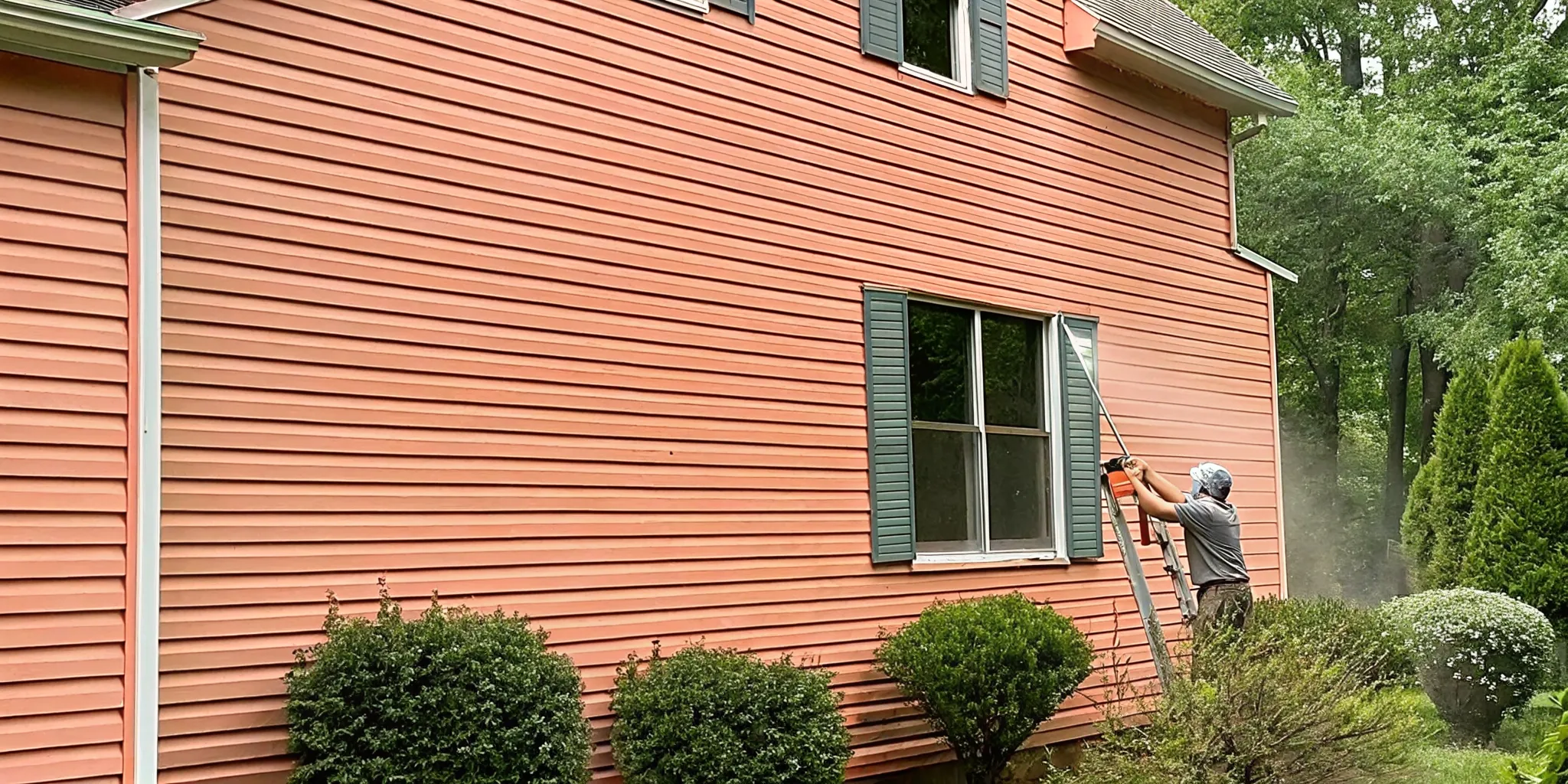
What Is Soft Washing?
Soft washing is a cleaning method that uses low water pressure to clean the outside of your home. It uses a mix of safe soaps and cleaners instead of high pressure to remove dirt and stains. While a standard pressure washer blasts water at high speeds, soft washing uses water under 100 PSI. This is about the same pressure you get from a garden hose with a spray nozzle. It is a safe way to clean without any risk of damage.
I use this method because it is safe for your siding, roof, and other soft surfaces. The soaps do the hard work of killing mold and algae. You do not have to worry about water stripping your paint or denting your siding. It is the best way to get a deep clean that lasts. Many pros now use soft washing for house siding because it protects the value of your home.
How the process works
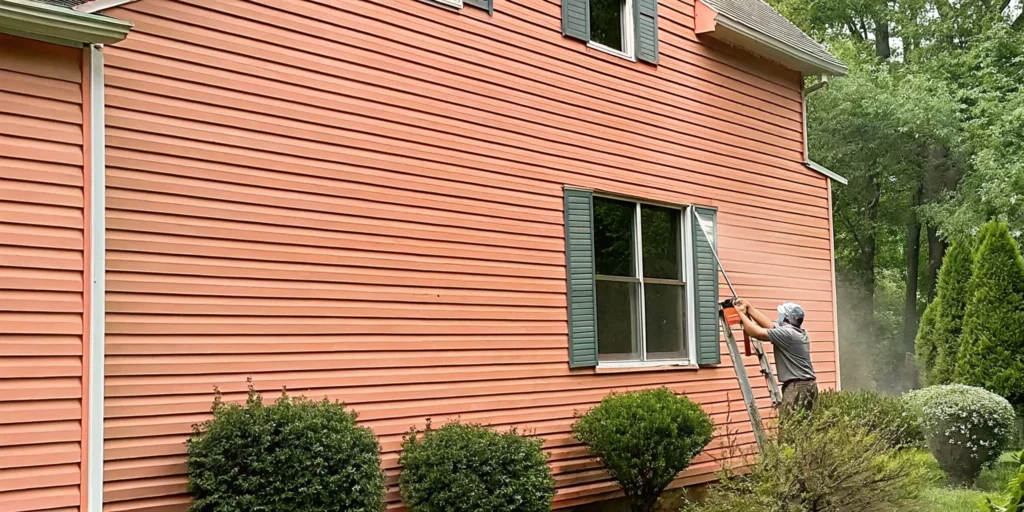
The soft wash process has three main steps to get your home clean. First, I apply a water-based mix to the surface. This mix includes safe soaps that target growth like moss and mildew. Once the soap is on the wall, I let it sit for a set dwell time. This allows the cleaners to soak into the surface and kill the roots of the stains. It stops the growth from coming back as fast as it would with a simple rinse.
The final step is a low-pressure rinse to wash away the soap and the dead mold. This leaves your home looking new without any high-pressure blast. We use pumps that do not need gas to run. This system is quiet and keeps your yard clean. For more info on how this helps your roof, you can read about soft washing for roof cleaning on my site.
Safe and green cleaning
The soaps we use are safe for your family, pets, and plants. I use SoftWash Systems products that are safe for the earth. These cleaners meet all EPA rules. They break down into carbon and water within 20 days. This means you can have a clean house without harming the land here on Long Island. It is a win for your home and the environment.
This method also kills the source of the stains. Mold and algae can grow back fast if you only wash the surface. Soft washing kills them at the root so your home stays clean for a long time. According to the epa.gov site, using safe cleaners helps protect our water and land. It is a smart choice for any homeowner who wants a clean look and a safe yard. Call me if you want this for your home.
Soft Washing vs. Pressure Washing: Key Differences
Many folks think pressure washing is the only way to clean a home. They see a high power blast and think it works best. But high pressure can ruin your siding or roof. It only strips the surface and leaves germs behind to grow back fast. Here is how soft washing and pressure washing compare.
| Factor | Soft Washing | Pressure Washing |
|---|---|---|
| Pressure (PSI) | Under 100 PSI | 1,000 to 4,000 PSI |
| Water Usage | 60 gallons per hour | 180 to 480 gallons per hour |
| Cleaning Action | Soap kills bacteria | Water force blasts dirt |
| Results Last | 4 to 6 times longer | Stains return quickly |
| Surface Safety | Safe for all surfaces | Can erode and damage |
Safe pressure levels
Pressure washing uses a lot of force. It hits walls with up to 4,000 pounds of pressure per square inch (PSI). That force can strip paint or crack siding. My soft wash method keeps the pressure under 100 PSI. That is about the same as a garden hose. It is safe for vinyl, brick, and wood.
High pressure only moves dirt around. It does not kill the germs that make your house look dirty. Soft washing uses safe soaps to kill mold and algae at the root. This is why our results last much longer. We stop the growth instead of just rinsing it off.
Saving water and time
Soft washing is good for the Earth and your wallet. It uses about 60 gallons of water per hour. This is only one-third of what a pressure washer needs. Some big units use up to 480 gallons in an hour. Picking the right tool saves thousands of gallons on one job.
You also get a clean home for a longer time. Because we kill the bugs, your siding stays clean 4 to 6 times longer. Pressure washing leaves spores behind. Those spores start growing once the water dries. With soft washing, you do not need to clean as often to keep your home looking new.
Summary takeaways
The main difference between soft washing and pressure washing is how they work. One uses force and the other uses science. Force can damage your home. Science kills the dirt and keeps it gone. If you want to protect your siding and save water, soft washing is the best choice for you.
What Surfaces Can Be Soft Washed?
You can use soft washing on almost any part of your home outside. It is a gentle way to clean without the risk of high-pressure damage. Most people ask professional exterior cleaning services what surfaces are safe for this method. The answer is that it works on both hard and soft parts. About 85% of experts now use this method because it is safe and lasts a long time.
Safe for Siding Materials
Vinyl and aluminum siding are easy to clean with low pressure. Soft washing also works well on brick, stucco, and stone. High pressure can crack stucco or blast the mortar out of brick joints. Soft washing avoids these risks. It is the best choice for soft washing for house siding like cedar shake or painted wood. The low-pressure water does not force its way behind the siding panels.
This keeps your walls dry and safe from rot or mold growth inside the home structure. If you have a composite deck or a log home, this method is safe for those too. My cleaning solutions are 100% biodegradable. They break down into carbon and water in just 20 days. These cleaners are EPA and VOC compliant, so they do not hurt your plants or pets.
I recommend a full wash every one to three years to keep these surfaces looking new. This is vital for homes near the water or in shaded areas. Salt and damp air can cause growth to build up fast. Soft washing kills that growth at the root. This is why it is the top choice for siding care on Long Island.
Safe for Roofing Materials
Cleaning your roof is a delicate job. Soft washing is the only safe way to clean asphalt shingles without causing damage. It also works on metal, clay, slate, and concrete tiles. High pressure can blast the grit off your shingles. This can void your roof warranty and shorten its life. Soft washing uses a low-pressure rinse that is no stronger than a garden hose.
This method does more than just wash away dirt. It kills mold, algae, and moss at the root. This stops them from growing back for a long time. It is a smart move for soft washing for roof cleaning on Long Island. You get a clean roof that stays clean. Most roofers agree that high pressure is a bad idea for your shingles. Soft washing is the right tool for the job.
It works for flat roofs and steep roofs alike. Whether your home has metal panels or slate tiles, the process stays safe. I use the same gentle care for every roof I wash. This protects your home value and keeps your curb appeal high. Call me to set up a time to check your roof and siding surfaces today.
Why Soft Washing Is Safer for Your Siding
High-pressure water can hurt your home. Many power washers use 1000 to 4000 PSI to blast dirt. This force is often too strong for vinyl or wood siding. It can damage siding parts and strip away paint and sealers. This wear makes your home look old and weak. My soft wash method uses under 100 PSI to keep your home safe while getting it clean.
The goal is to protect your house. When you use too much pressure, you risk forcing water behind the siding. This can lead to mold and rot inside your walls. Soft washing avoids this risk. It uses a gentle spray like a garden hose to clean your house without any fear of harm. This keeps your home dry and safe.
Killing Bacteria at the Root
Soft washing is a better choice because it lasts 4 to 6 times longer than pressure washing. This is because my method kills bacteria at the root. High pressure only moves the grime around on the surface. It does not kill the living growth that causes black streaks and moss. Stains return fast when you only use a power washer because the roots stay alive.
You may ask what is soft washing compared to the old way. The main difference is that I use science to clean. The soap does the hard work so I do not have to blast your house. This helps soft washing stay safe for stucco and other soft surfaces. I suggest you clean your home every 1 to 3 years to keep it in top shape.
Chemical Safety
The soaps I use are safe for your plants and family. These solutions are 100% biodegradable. They break down into carbon and water in just 20 days. My cleaning products meet EPA and VOC rules. This means they meet strict rules for air safety. They do not have harsh smells that can hurt your pets.
I use battery-powered tools to apply these soaps. This means I do not need gas or oil to run my pumps. My process has no need for fuel. You do not have to worry about your lawn or your kids when I wash your home. I treat your property with the care it needs.
The Gulf2Bay Warranty
I am a SoftWash Systems Authorized Professional. This means I am trained and vetted to care for your house. I offer a 5-year transferable warranty that is the best in our field. This plan keeps your home spot-free for a long time. It is a big reason why my customers stay happy and trust my work.
This warranty stays with the house if you sell it. It shows that the work was done right. If any new growth appears, I will return to fix the issue. In the first year, your home will stay spot-free. In years two through four, you get a big discount on any touch-up work. You can trust that your home is in good hands with Gulf2Bay Softwash.
How Often Should You Soft Wash Your Home?
The Northeast climate hits Long Island homes hard. Moss, algae, and airborne grime build up faster here than in drier regions. Most homeowners need a soft wash every one to three years to keep their siding and roof in top condition. The right schedule depends on where your home sits and what surrounds it.
Factors That Affect Cleaning Frequency
Shade is the biggest factor. Homes under heavy tree cover stay damp longer, which feeds algae and moss growth. If your property has mature oaks or maples casting shade across the siding, you will likely need cleaning on the shorter end of that range, which is every year or two. Homes on the South Shore or near the ocean face salt spray and higher humidity. That coastal environment accelerates biological growth too. Properties that get full sun all day can often stretch to three years between cleanings.
Proximity to water matters just as much. Long Island homes near the Sound, the bays, or the Atlantic deal with more moisture and airborne nutrients that feed organic staining. Gulf2Bay serves communities across Nassau County, Suffolk County, and the Hamptons. Every location has its own climate pattern, and your service plan should match it. About 85% of professional exterior cleaning now uses soft washing because it handles these conditions better than high-pressure methods.
Signs Your Home Needs Soft Washing
You do not need to guess. Check your siding for dark streaks running down from the roofline. Those black streaks are Gloeocapsa magma, which is a bacteria that feeds on the limestone filler in asphalt shingles and vinyl siding. If you see green patches on your north-facing walls or shaded sections, algae is already established. A chalky white residue on vinyl siding means oxidation has set in, which happens when the UV protective layer breaks down.
Moss growing between roof shingles or in siding gaps is another clear sign. Moss traps moisture against the surface, which accelerates decay. If your home faces the street and you notice a dull, dingy look compared to when you moved in, it is time. A professional inspection costs nothing and gives you a straight answer. Call me at (631) 557-5484 and I will walk your property and tell you exactly what it needs.
Frequently Asked Questions
What chemical do you use for soft washing?
I use proven cleaning solutions that are safe for the earth and your home. These products from SoftWash Systems break down into carbon and water within 20 days. They meet all safety rules and kill mold at the root without hurt to your plants or siding.
How long does soft washing last?
My soft washing results last four to six times longer than standard pressure washing. Since the process kills algae rather than just washing it away, the clean look stays for two to three years. Most Long Island owners find that a wash every year or two keeps their home in top shape.
Is soft washing safe for my siding?
Soft washing is very safe for vinyl, brick, stucco, and cedar siding. The water flow is under 100 PSI, which is like the force from a garden hose. I use this method to clean deep without the risk of wear on your siding and will not strip away protective coatings like high pressure can.
Is soft washing a house worth it?
Yes. Soft washing is a smart choice that protects your home value and prevents repair costs. It uses less water than pressure washing and keeps your home clean for a long time. I even give a 5-year transferable warranty on my work, which is rare in this field.
What is the average cost to soft wash a house?
The cost to soft wash a home depends on the size and the type of siding. Most local jobs range from a few hundred to over a thousand dollars for large estates. You can get a clear price from me by asking for a free estimate for your specific property.
Are you ready to get your free soft washing estimate?
Leaving the dirt and mold on your house leads to damage that eats away at your siding and lowers your total home value every day. Waiting to clean your home only makes the problem worse and will cost you much more money to fix if you do not act now. You should set up your expert cleaning today to protect your home and keep it safe from the harsh Long Island weather for many years.
Are you ready to get started with your house cleaning project right away? Please Call (631) 557-5484 to schedule a free soft washing estimate for your Long Island home and stop all of the rot today.