Small black dots scattered across light-colored siding are not always dirt, insect residue, mildew, or algae. If they feel hardened and seem bonded to the surface, artillery fungus is a strong possibility. The source is often nearby wood or bark mulch, where the fungus develops and projects sticky spore masses toward light and reflective surfaces. Connecticut agricultural guidance notes that these spots can appear on siding and may be difficult to remove once established.
For how to remove artillery fungus from siding, start with a cautious test on an inconspicuous area, avoid scraping or aggressive pressure, and stop if the siding finish changes. Fresh material may respond better to gentle cleaning, but older spots can stain or damage the surface when forced. Widespread, elevated, recurring, or resistant spots are better evaluated by a professional soft-washing company.
Request a siding assessment from Gulf2Bay Softwash
The first step is confirming what you are seeing. Artillery fungus has a distinct pattern and appearance that separates it from ordinary organic growth, and that diagnosis determines how carefully the siding should be treated.
What Artillery Fungus Looks Like on Siding
Artillery fungus usually appears as scattered black, dark brown, or reddish-brown spots that look more like tiny dots of tar than a soft surface growth. The spots are hardened spore masses, often about 1 to 2 millimeters across. And they can adhere strongly to vinyl, painted siding, gutters, soffits, vehicles, and other nearby surfaces. The Connecticut Agricultural Experiment Station identifies persistent brown to black spots on house siding as a possible sign of Sphaerobolus species fungus: see the state fact sheet.
Why the spots show up on light siding
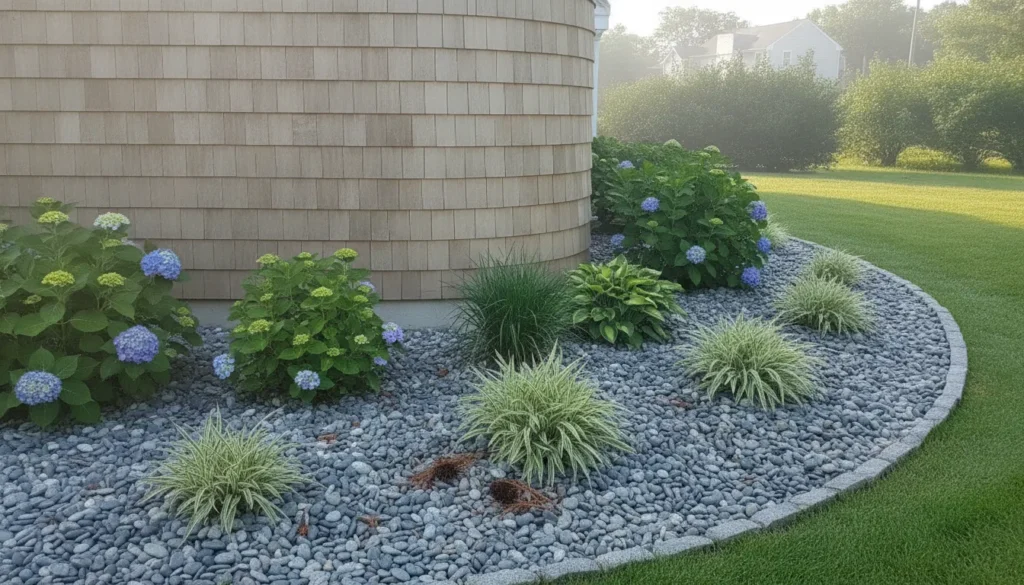
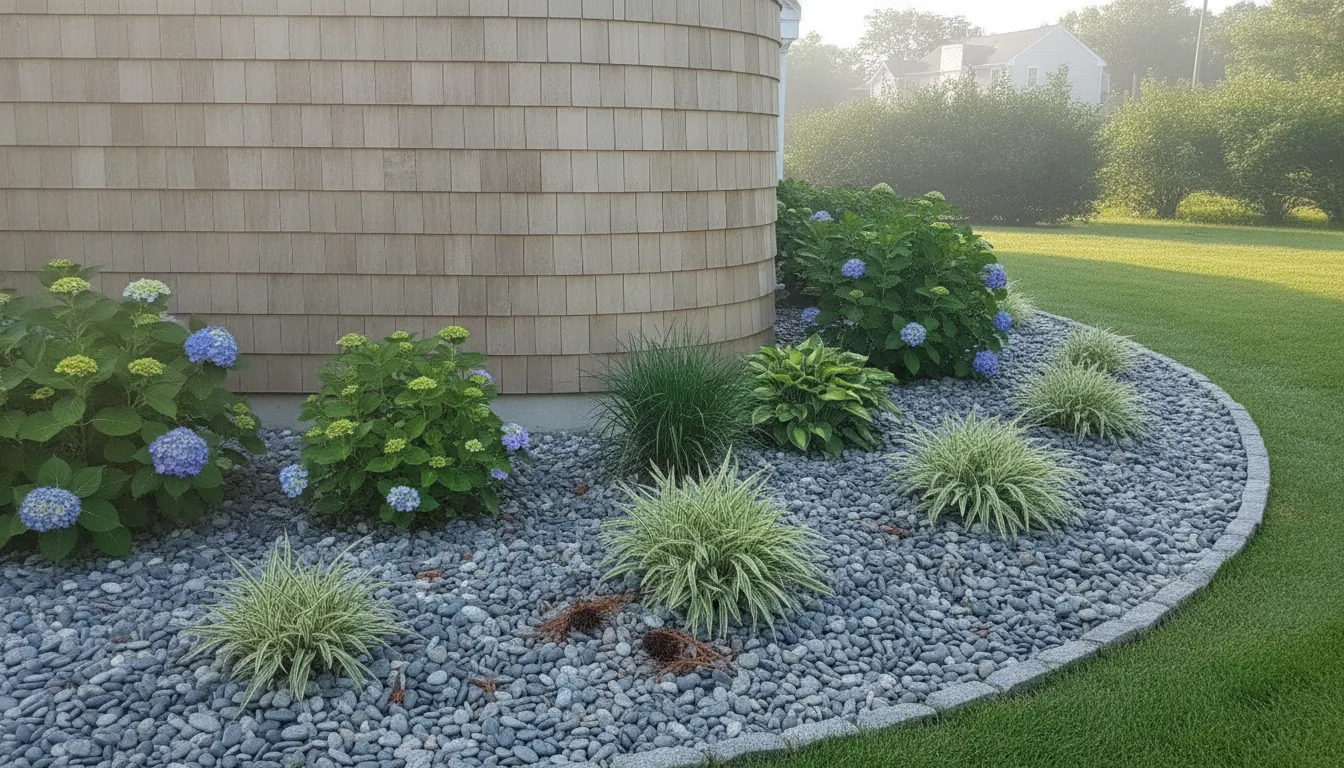
The source is often decomposing wood or bark mulch near the foundation. Artillery fungus develops on organic material, then directs its spore masses toward light or reflective surfaces. That makes white, cream, and other light-colored siding particularly revealing. Under the right conditions, spores can travel more than 6 feet vertically and over 20 feet horizontally. So spots may appear well above the mulch line or reach second-story areas.
Look for a pattern that follows the side of the home facing a mulched bed. North-facing or shaded walls may be more vulnerable because shade keeps the surface and nearby landscape damp. The fungus is associated with cool, wet conditions, but a diagnosis should be based on the spot pattern and texture rather than weather alone.
Artillery fungus versus mildew or algae
Artillery fungus is usually discrete and raised or crusted. Each spot stays in one place and may resist ordinary wiping because the spore mass bonds tightly to the surface. Mildew and algae typically look like a diffuse film, smear, or discolored patch. They may spread across damp siding and often appear green, gray, black, or brown rather than as hundreds of separate hardened dots. Compare the appearance with this guide to mildew and algae on siding.
Do not scrape or attack the spots simply because they look like dirt or insect residue. Established artillery fungus can stain siding, and aggressive removal can damage older or weathered material. If the pattern is widespread, high on the house, or difficult to identify, document it with close photographs and arrange a surface assessment before choosing a cleaning method.
How to Remove Artillery Fungus from Siding Safely
Removal depends on how long the spots have been attached and what the siding can tolerate. Fresh material may respond better to gentle cleaning before it dries. Older black spots can adhere so firmly that complete removal leaves a stain or damages the finish, especially on weathered siding. Treat the first attempt as a small surface test, not a promise that every spot will disappear.
Use a cautious, small-area process
- Identify the surface and choose a hidden test area. Confirm whether the siding is vinyl, cedar, aluminum, composite, or another material. Test behind a downspout or in another inconspicuous location first. If the finish changes, the test area becomes discolored, or the spot does not release with gentle handling, stop.
- Protect yourself and the surrounding area. Wear gloves and eye protection. Move outdoor furniture away from the test area, and account for nearby plants before applying any cleaner or rinsing. Avoid working in a way that sends loosened material onto vehicles, windows, or neighboring surfaces.
- Start with the least aggressive method. For a recent spot, use plain water and a soft, non-scratch cloth or brush with light pressure. Work on a small section rather than scrubbing the entire wall. A spot that has dried and hardened may not release safely, so do not keep increasing force when the siding begins to scuff.
- Rinse gently and inspect the result. Use a controlled rinse appropriate for the siding material. Look for discoloration, loosened coating, streaking, or water entering behind panels. If the spot remains bonded, leave it in place and reassess rather than escalating immediately to a harsher method.
- Stop when the risk exceeds the benefit. Do not aggressively scrape, use abrasive pads, or aim high pressure directly at the spots. Artillery fungus spore masses can stick tightly, and forceful removal may stain or damage siding. High pressure can also drive water behind siding or affect caulk, seams, and older finishes.
High-pressure cleaning is not a universal answer. Guidance from Penn State Extension notes that power washing may work only on brand-new vinyl siding with a remaining shiny surface. That narrow exception does not make it appropriate for aged vinyl, cedar, aluminum, or uncertain materials.
When spots cover multiple elevations, sit beneath soffits, reach second-story areas, or resist a careful test, a material-specific assessment is safer than repeated DIY attempts. The goal is to remove what can be removed without trading a small contamination problem for permanent siding damage.
When Professional Soft Washing Is the Safer Choice
A professional assessment makes sense when the spots cover a large area, reach upper siding, keep returning, or resist a cautious cleaning attempt. It is also the safer route when you cannot confirm the siding material or do not know which cleaning chemistry is appropriate. Artillery fungus adheres strongly, and aggressive scraping or pressure can leave a stain or damage the finish. The longer established spots remain, the harder removal may become.
What the assessment should cover
The process starts with identifying the exterior material and evaluating the contamination. Vinyl, cedar, brick, stucco, stone, composite, wood, and aluminum do not all respond the same way. Gulf2Bay’s house-washing guidance calls for selecting the treatment plan after assessing both the material and the level of contamination, rather than applying one formula to every surface.
Preparation matters just as much as the rinse. Plants and outdoor furniture are protected before cleaning begins. The solution is then applied with a low-pressure soft-washing method. Gulf2Bay’s documented process uses a biodegradable solution, allows appropriate dwell time, and follows with a controlled low-pressure rinse. This gives the treatment time to work without relying on force to blast the siding.
A final inspection checks the result and identifies spots that may be permanently bonded or require further evaluation. That is an important distinction: a careful cleaner should not promise that every mature mark will disappear on the first treatment.
For more background on safe siding cleaning methods, review how chemistry, dwell time, pressure, and rinsing affect vinyl. If you are weighing a DIY attempt against specialized help, this guide explains when to hire a soft washer.
How to Prevent Artillery Fungus from Returning
Start with the mulch next to the house
Cleaning the siding removes visible staining. It does not remove the landscape conditions that may be sending new spores toward the house. Artillery fungus is a decay organism associated with wood chips, bark chips, dead wood, and other decomposing organic material. Wood and bark mulch also hold moisture, giving decomposer fungi a suitable food source and environment.
Inspect the beds along the foundation, especially beneath areas where black spots are concentrated. Look for hardwood or bark mulch, decaying pieces, and matted or gray, bleached areas in the mulch. If the problem began after a landscaping change, treat that timing as a useful clue. Reducing or replacing wood-based mulch near the siding may lower the available source, but no landscape change can guarantee that spots will never return.
Manage moisture, irrigation, and shade
Keep irrigation from repeatedly spraying the siding or soaking foundation plantings. Check sprinkler direction, overspray, and areas where runoff collects after rain. Excessive rainfall or irrigation around foundation plantings can favor artillery fungus growth, so the goal is not to keep the bed permanently wet.
Shade matters as well. The fungus is reported to be more problematic on north-facing sides of buildings where shade maintains moist conditions. Inspect shaded elevations more often, particularly during cool, wet spring and fall weather. Trim vegetation only when it is obstructing airflow or keeping the wall damp; avoid aggressive pruning simply to chase a stain.
Removal and prevention are separate problems
Even a successful cleaning does not sterilize every nearby mulch bed or prevent future spores from reaching reflective siding. Conversely, changing the mulch or irrigation may reduce recurrence without removing spots that have already hardened onto the wall. Treat these as two connected but separate maintenance decisions.
Record where the spots appear, when they return, and whether the pattern follows irrigation or seasonal moisture. If new spots continue after landscape adjustments, or the siding material is uncertain, a surface assessment is safer than escalating pressure or scraping. For background on professional house and siding washing, review the cleaning process before choosing a treatment.
A Long Island Homeowner Decision Guide
Long Island homes face different cleaning decisions depending on the age, location, and spread of the spots. A few fresh marks near a mulch bed call for a different response than hardened spots across second-story siding. Use the pattern below to decide whether cautious homeowner cleaning is reasonable or whether a surface assessment is the safer next step.
Match the treatment to the condition
Use the pattern below to decide whether cautious homeowner cleaning is reasonable or whether a surface assessment is the safer next step.
| What you see | What it suggests | Practical next step |
|---|---|---|
| Light or new spots | A small number of marks, often near mulch or landscape beds. | Photograph the area, identify the siding material, and test a gentle cleaning method in an inconspicuous spot. Avoid scraping or forceful pressure. |
| Widespread or high spots | Marks across a wall, beneath soffits, or on upper-story siding. | Call for a professional assessment. Ladders, height, and aggressive cleaning can create more risk than the spots themselves. |
| Recurring spots | New black marks continue appearing after cleaning, especially beside wood mulch or in shaded, damp areas. | Address the likely landscape source and moisture conditions, then arrange a siding-safe cleaning plan if staining remains. |
| Uncertain material or chemistry | You cannot confirm whether the surface is vinyl, cedar, aluminum, composite, or another material, or you are unsure which cleaner is safe. | Stop experimenting. A pre-service assessment can match the treatment to the surface and contamination level. |
For homes in Nassau County, Suffolk County, Bay Shore, West Babylon, and the Hamptons, shaded or coastal exposure can make exterior maintenance more demanding. Gulf2Bay’s professional house and siding washing process uses material-specific assessment, plant and furniture protection, solution dwell time, and a low-pressure rinse. See the full list of Long Island service areas before arranging an evaluation.
Ask Gulf2Bay Softwash about difficult siding spots
Frequently Asked Questions
What does artillery fungus look like on siding?
It usually appears as tiny, hard brown or black spots that adhere tightly to siding, often near mulch beds. The spots are spore masses, not ordinary mildew or algae, and they may also appear under soffits, on gutters, or on nearby vehicles. Artillery fungus is associated with decomposing wood and bark mulch and is especially noticeable on light-colored siding. Connecticut Agricultural Experiment Station guidance identifies persistent brown to black spots as a possible sign.
How should I remove fresh artillery fungus from siding?
Test any method in a hidden area first. If the material is fresh, gentle soap, water, and a soft brush may help before it dries. Avoid scraping, abrasive pads, and aggressive pressure, because the spots can bond strongly and the siding can stain or become damaged. Established spots may not come off completely, especially from older or weathered siding, so stop if the surface or finish begins to change.
Will dish soap or vinegar damage vinyl siding?
Do not assume that a household product is safe for every siding finish. Test a small concealed area, follow the siding manufacturer’s care guidance, and rinse thoroughly. Vinegar or dish soap may not remove hardened spore masses, while scrubbing harder can create more damage than the original stain. If you are unsure about the siding material or cleaning chemistry, use a professional assessment instead of experimenting across the entire wall.
When should I call a professional soft-washing company?
Call when spots are widespread, high on the home, recurring, resistant to cautious treatment, or located on siding with an uncertain material or finish. A professional process should begin with a surface and contamination assessment, followed by plant and furniture protection, appropriate solution dwell time, and a low-pressure rinse. Gulf2Bay’s house-washing guidance describes this inspection, preparation, treatment, rinse, and final-check process for residential exteriors. Learn about professional house and siding washing.
Ready to Address Artillery Fungus on Your Siding?
Stubborn projectile spots can be difficult to remove without testing the siding and choosing a method suited to the material. Gulf2Bay Softwash can assess the contamination and recommend a careful next step for your home.
Request a siding assessment from Gulf2Bay Softwash for artillery fungus spots or difficult exterior contamination.