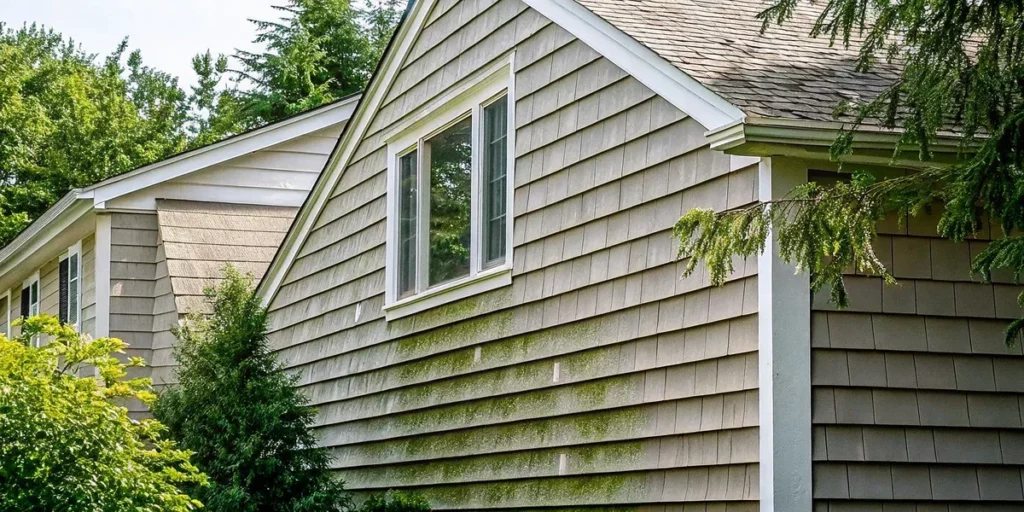
At Gulf2Bay Softwash, we know that green patches on north-facing walls are more than just an eyesore for Long Island homeowners. These stubborn spots signal a living, biological colonization that actively degrades building materials over time.
Algae on house siding Long Island forms when constant shade and high local humidity create a damp space for growth on your home exterior walls. These organisms thrive on north-facing walls because a lack of direct sunlight prevents moisture from drying after a heavy rain or thick and heavy dew. According to research on building bio-colonization, shaded spots allow tiny organisms to respond fast to rain and spread without the sun to stop them. This live colony causes lasting stains, but soft washing kills spores at the root using safe agents to keep your siding strong and looking new. Regular cleaning ensures your property stays bright and well protected against the high moisture levels found across the local Nassau County and Suffolk County areas.
Need professional help to eliminate green algae from your siding? Schedule your free Gulf2Bay Softwash siding inspection today or call us directly at (631) 894-6751.
Knowing why these pests choose certain parts of your house is the first step toward a cleaner look. We will look at how wet spots and weather fuel this problem. The process begins with The Science of Shade: Why Algae on House Siding Long Island Thrives in the Dark. Here is how:
The Science of Shade: Why Algae on House Siding Long Island Thrives in the Dark
Many people on Long Island see green marks on their siding. These stains often show up on parts of the house that do not get much sun. If you spot algae on house siding Long Island, you are seeing a pest that loves the dark. Shade helps these growths spread fast across your walls. Without the sun to dry the siding, moisture stays in place and feeds the green film.
How shade traps moisture
Algae needs water to live. On Long Island, our damp air gives these pests plenty to drink. When your siding is in the shade, the sun cannot dry it after a rain storm. This creates a shaded microclimate where water sits for a long time. These wet spots are perfect for green algae to take root and grow. Wet walls are the best place for these pests to thrive and spread.
Rain and seasonal humidity keep shaded siding constantly damp. Without direct sunlight to dry these spots, a small algae patch can rapidly spread into a thick layer of green slime. Trapping moisture against your home and causing long-term damage.
The lack of natural UV light
Sunlight is a natural tool that keeps siding clean. The rays from the sun can kill small bits of algae before they become a big problem. But many homes have north walls that stay in the dark all day. These north-facing walls get very little direct light. This makes them easy targets for new growth. Without the sun to stop them, these pests can feed on the dust on your walls.
Trees and tall shrubs also add to the shade. When limbs hang close to your house, they block the wind and the sun. This stops air from moving across the siding to dry it off. On Long Island, the mix of salty sea air and high dampness makes this worse. The shade acts like a shield that hides the algae from the cleaning power of the sun. Keeping trees trimmed can help, but the shade remains a risk.
Protecting your siding from deep growth
Leaving algae on your home can lead to big issues. It is not just an ugly look; these growths can hurt the parts of your house. To stop the cycle, you need more than a quick spray. You should use expert house washing services from Gulf2Bay Softwash for the safe removal of algae and mold. Our soft washing process uses low pressure and safe, eco-friendly soaps to kill the spores so they do not come back as fast.
Many folks try to use high pressure to blast the green away. But this often leaves the roots behind. This lets the algae grow back even faster in the shade. The goal is to clean the surface and remove what the pests eat. By keeping your siding dry and clean, you can protect your home and keep it looking new for many years. Regular care is the only way to beat the shade.
Finding the Culprit: Is It Siding Algae, Mold, or Just Dirt?
People on Long Island often see dark or green marks on their siding. Our local air is damp. This damp air makes it easy for things to grow on your walls. But not every mark is the same. You need to know what you are looking at to pick the right way to clean it. Spotting the gap between algae, mold, and plain dirt is the first step in keeping your home safe.
Spotting green algae on house siding
The most common growth on local homes is green algae. It looks like a soft green film or a light fuzzy layer. You will often see algae on house siding Long Island homes have on the north side. This is because the north side of the house gets less sun and stays damp. These plants do not need soil to grow. They get what they need from the air and water. While it may look like a small issue, algae is a living thing. It is a pest that can eat away at your home walls over time.
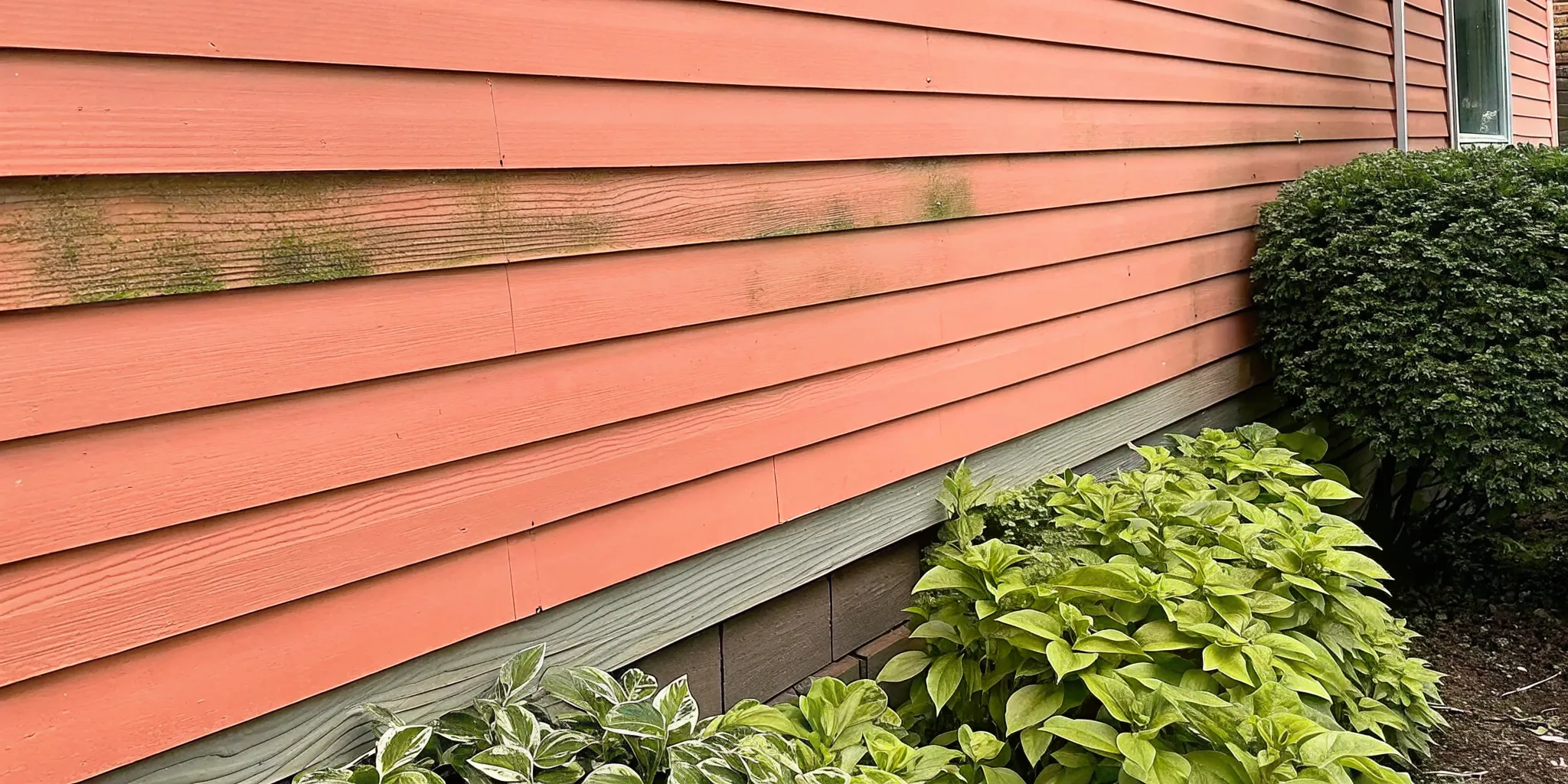
Rain makes this growth happen even faster. Lab tests show that algae growth on building walls reacts quickly to wet weather. When it rains, the algae take in the water and spread across the surface. This is common on older vinyl siding built before 2000. That type of siding can get brittle and trap more dirt and spores. If you see green streaks that get bigger after a storm, you have an algae problem. This growth can lead to stains that stay for good if you do not act fast.
How to find mold and mildew
Mold and mildew are not the same as algae. They often look like small black, gray, or brown dots. While algae looks like a flat coat, mold looks like a group of tiny specks that can grow into larger patches over time.
Mold grows well in dark spots with no fresh air. If you see dark marks under your roof line or near bushes, it might be mold. Unlike algae, mold can also cause health risks for your family if it gets inside the house. This is why many people in West Babylon and the Hamptons call for help early.
Mold is typically slimy or fuzzy with a musty odor, while mildew is a powdery white or gray surface growth. Both require safe, professional removal to kill the spores at the root. A simple rinse will not work; expert soft washing from Gulf2Bay Softwash is necessary to eliminate the roots without damaging your home.
Signs of dirt and dust
Sometimes the marks on your house are just dirt. This is common if you live near a busy road or a sandy beach. Dirt often looks like a thin gray or brown film. It covers large areas and does not have a clear shape. Unlike algae or mold, dirt does not grow or spread on its own. It just sits on top of the siding. You can often wipe it away with your finger to see the clean wall underneath. It is more common on flat surfaces where dust can settle easily.
Here are a few ways to tell if it is just dirt:
- Dirt has a gritty or sandy feel when you touch it.
- It does not have a bright green or deep black color.
- It stays about the same size even after a big rain storm.
- It wipes off easily with a wet cloth without leaving a stain.
Even if it is just dirt, you should still clean it. A thick layer of dust can trap moisture, leading to mold growth later on. Professional soft washing keeps your siding clear of grime, protecting your home’s beauty and long-term value.
Why Traditional Pressure Washing Can Ruin Your Long Island Home’s Exterior
Many people who own homes think high pressure is the best way to clean a house. It looks fast and strong. But using too much force can do more harm than good to your Long Island home. This is very true when you need safe removal of algae and mold on soft spots. High pressure can chip paint, break vinyl, and force water deep into your walls. For most local homes, high force is simply too harsh.
Damage to vinyl and wood siding
While vinyl and cedar siding are durable, they are not designed to withstand high-pressure blasting. Excessive pressure can crack brittle vinyl, splinter soft cedar, and cause costly, irreversible damage. A gentle, low-pressure approach is essential to keep your home safe.
Risk of water leaks and mold
High pressure forces water behind siding panels and through window seals. This trapped moisture cannot dry easily in Long Island’s humid climate, leading to hidden wood rot and mold. What starts as a simple cleaning can quickly turn into an expensive structural repair.
Surface cleaning vs killing the root
When you see algae on house siding Long Island weather is often to blame. Expert professional house washing services from Gulf2Bay Softwash treat the cause of the problem, not just the look. Shaded areas on your home create a small climate where algae thrive. High pressure only clears the top layer of this green film. It does not kill the growth at the root. Expert tests show that small life forms like algae grow fast after it rains. If you do not kill the spores, the green glow will come back in a few weeks. A soft wash from Gulf2Bay Softwash uses safe, biodegradable soaps to kill these pests for good.
Issues with stucco and delicate trim
Stucco is another material that does not like high pressure. The force can blast away the top coat and leave your home open to the rain and wind. This leads to stains and leaks that are costly to fix. Trim around windows and doors can also fail under high force. Using a soft wash method protects these parts. It cleans without the risk of a blast that could break seals. This keeps your home tight and dry through the local seasons.
The Solution: Safe and Effective Soft Washing for Long Island Homes
Many homeowners find algae on house siding Long Island properties a constant battle. High pressure might seem like the quick fix, but it often does more harm than good. Gulf2Bay Softwash offers a better way to keep your home clean and safe. Our soft washing method uses low pressure to apply special cleaners that treat the root of the problem. It is the best choice for a deep clean that lasts.
Killing organic growth at the root
Soft washing is not just about rinsing away dirt. It uses a mix of water and gentle soaps to kill living things like mold and mildew. These cleaners are safe for your yard and break down naturally. Unlike high pressure, this process stops the growth from coming back quickly. The method focuses on health as much as looks. By killing the spores, your siding stays clean four to six times longer than with basic washing.
Soft washing treats the biological source of the problem. By sanitizing the surface and killing the algae spores at the root, you break the growth cycle. This deep clean keeps your home looking fresh far longer, saving you time and maintenance costs.
Safe care for delicate siding
Your home has parts that need a soft touch. High pressure can crack old vinyl or strip wood. Professional house washing services use about 60 PSI. This is as gentle as a garden hose. It is vital for older homes on Long Island built before 2000. These homes often have sun-brittle siding that breaks easily. High pressure can force water behind the siding and cause mold inside your walls.
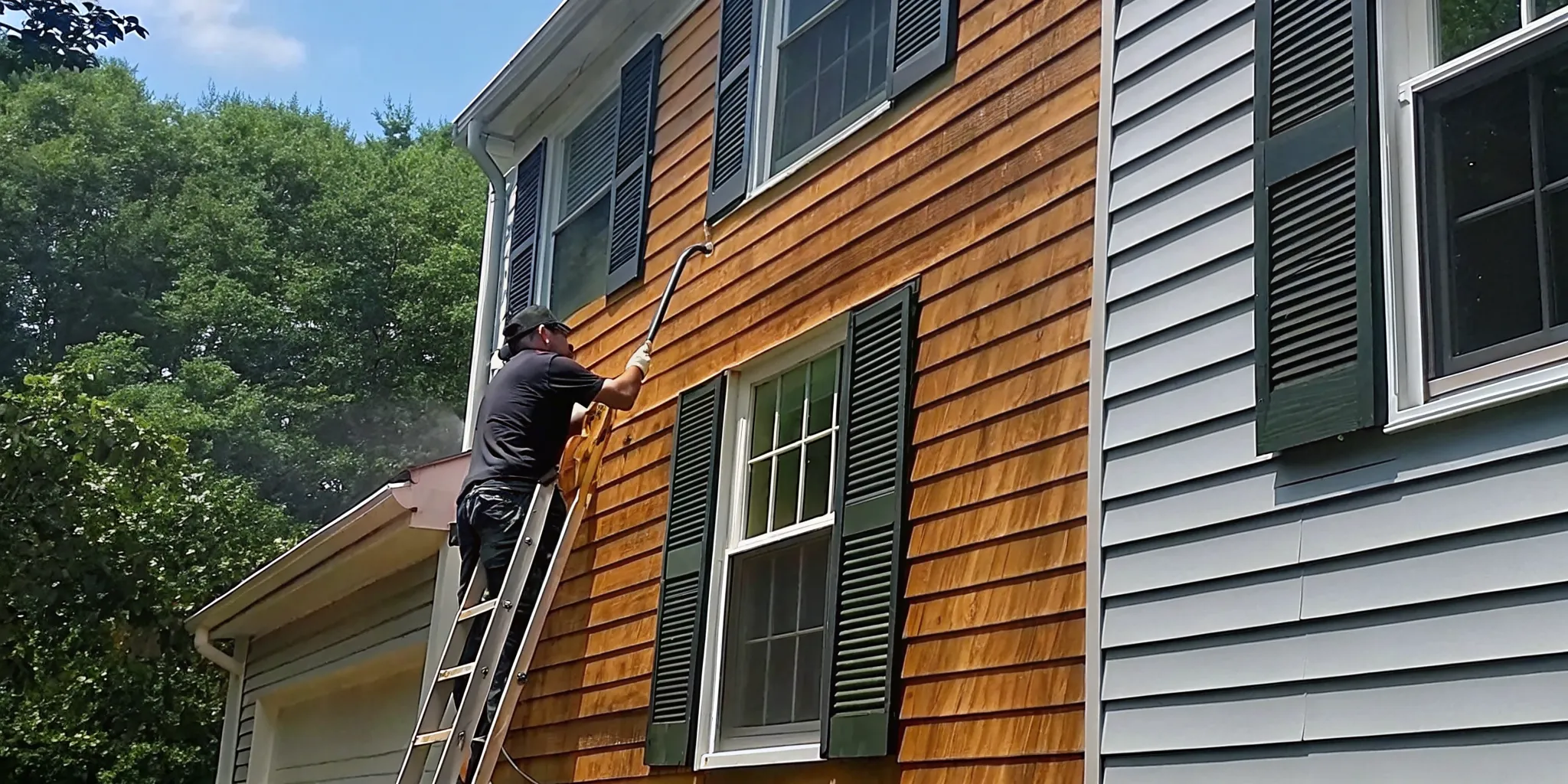
Soft washing removes stains without the risk of leaks or broken seals. It treats the siding with care while still getting rid of dark streaks. This helps protect the value of your property. If you leave algae alone, it can leave marks that never go away. Regular soft washing keeps your home in great shape. It is a smart move for any home owner in the Nassau or Suffolk area.
How soft washing compares to pressure washing
It helps to see the facts before you choose a cleaning service. Many people think all washing is the same, but the results vary a lot. High pressure uses force to blast away dirt. Soft washing uses science and safe cleaners to sanitize the surface. This chart shows why most experts prefer the soft approach for home exteriors.
| Feature | Soft Washing | Pressure Washing |
|---|---|---|
| Pressure Level. | Low (about 60 PSI). | High (up to 4000 PSI). |
| Cleaning Base. | Soap and cleaners. | Water force only. |
| Result Life. | 4 to 6 times longer. | Short term. |
| Material Safety. | Safe for all surfaces. | Can damage vinyl and wood. |
| Root Kill. | Kills spores at the root. | Blows off surface growth. |
Choosing the right method saves you time and money. While power washing is fast, it only clears what you see. Soft washing is a deep clean that protects your home for the long run. You can find more safe removal of algae tips to help your home look its best. This care keeps your siding bright and free of dark stains for years to come. It is the best way to maintain your home’s beauty.
Can Algae Permanently Damage Siding If Left Untreated?
Many homeowners think green streaks are just a cosmetic problem. But the truth is that algae on house siding Long Island is a living thing. These small plants do not just sit on the surface of your home. They actively feed on the parts that protect your house. Over time, this growth can lead to deep damage that is hard to fix. If you leave it alone, you may face big repair bills later.
The science of material decay
Algae and other growths like mold or moss respond fast to rain. When it rains, these organisms start to grow and spread across your walls. Shaded areas on your home create a microclimate that helps them thrive. In these cool spots, microorganisms can grow much faster than they do in the sun. They use the moisture to stay alive and multiply.
This growth depends on the type of material your home uses. On wood siding like cedar, algae traps moisture against the grain. This wet area causes the wood to rot and soften. Once rot starts, the wood loses its strength. You cannot just wash away rot; you must replace the wood. On vinyl, the algae can get under the laps and reach the wooden frame of your home.
Permanent stains and staining
As algae stays on your siding, it can leave deep, permanent marks. The growth can stain the parts so deep that normal cleaning will not work. This organic growth can cause permanent staining of siding if it stays for a long time. Once the color of the siding is ruined, you may have to paint or replace the wall. This is a common issue for older vinyl that has become brittle from the sun.
The green or black streaks are often a mix of green algae and cyanobacteria. Some of these organisms can survive even in dry weather. They wait for the next rain to start growing again. This cycle of growth and rest makes the stains harder to remove over time. The longer the algae stays, the deeper the roots go into the pores of your siding.
Structural risks for local homes
Long Island’s humid coastal climate makes algae growth a constant threat. If left untreated, green film can spread from siding to your gutters and roof, eventually leading to structural damage and indoor air quality concerns.
Protecting your home means more than just a quick rinse. You need a way to kill the growth at the root so it does not come back. Using high-pressure water can crack old siding or force water behind the walls. A better path is a gentle soft wash from Gulf2Bay Softwash that uses safe cleaners to stop the decay. Catching the growth early keeps your home strong for years.
How to Prevent Green Algae on Your Siding Year-Round
Algae on house siding Long Island homes is a common sight because of the wet air. Shaded walls create a dark microclimate that helps this green growth spread fast. When sun cannot reach your walls, water stays on the surface for a long time. You can keep your home looking new by managing how much light and water hit your siding.
Control Moisture and Sunlight
Green algae needs two main things to grow: shade and water. Trimming back large tree limbs lets more sun hit your house. This sunlight dries out the siding and makes it much harder for algae to take hold. You should also check that your gutters work well. When gutters clog, they can spill water right onto your siding. This steady dampness leads to fast growth that can be hard to stop.
North walls are a high risk spot for growth. In our part of the world, these walls see very little direct sun. This makes them stay wet longer after a rain storm or a foggy morning. By keeping these walls clear of bushes and dirt, you help them stay dry and clean. A dry wall is your best way to stop green stains.
Step-by-Step Plan to Stop Algae
You can use this simple plan to protect your home from green growth. These tasks are easy to do and can save you from big repair bills. Following a set path keeps your siding clear of algae through every season.
- Cut back tree limbs. Keep at least three feet of space between your home and any branches. This lets light and air move freely around your walls.
- Keep gutters clean. Clear out leaves and dirt two times a year. This makes sure that rain flows away from your house instead of soaking your siding.
- Check north walls. Look at the north side of your home once a month. Since these walls get less sun, they are often the first place algae will start to grow.
- Rinse with a hose. Gently rinse dust and pollen off your siding with a garden hose. Taking away this debris removes the food that algae needs to grow.
- Fix leaky pipes. Check outdoor taps and pipes for leaks. Even a small drip can keep a wall wet enough to start an algae problem.
- Book a soft wash. Get an expert soft wash once a year from Gulf2Bay Softwash. This kills spores at the root with safe, biodegradable agents to stop growth before it starts.
A yearly soft wash from Gulf2Bay Softwash is the best way to stop the cycle of growth. Many long-term algae prevention tips focus on killing spores before they spread. This method uses very low pressure and will not hurt your siding. Expert studies show that microorganism growth responds very fast to rain and high humidity. By keeping your walls dry, you protect the value and look of your Long Island home.
Don’t let algae permanently damage your home’s exterior siding. Contact Gulf2Bay Softwash online or call (631) 894-6751 to schedule your professional, low-pressure soft wash today!
Frequently Asked Questions
Does Long Island’s climate cause algae growth on houses?
Yes, the damp weather on Long Island helps algae grow. High humidity levels and coastal moisture create the perfect environment for algae, mold, and moss on house siding. According to research on building bio-colonization, these small living things grow fast after it rains. A professional, low-pressure soft wash from Gulf2Bay Softwash sanitizes the surface and stops the growth at the root, ensuring your siding remains protected.
Should I use bleach or specialized cleaner for siding algae?
You should use professional specialized cleaners instead of high-strength retail bleach. Strong bleach can dry out vinyl, splinter wood, and kill your plants. Gulf2Bay Softwash uses safe, mild, biodegradable cleaners that kill algae at the root. These proprietary soaps work much better than just surface washing, protecting your home and landscaping while keeping the green spots from coming back.
Can algae permanently damage siding if left untreated?
Yes, algae can cause real, permanent damage to your home. If left untreated, the organic growth can cause permanent staining of siding and can trap moisture against the substrate. Initiating rot on cedar or getting under vinyl laps to damage your home’s wood framing. Professional soft washing from Gulf2Bay Softwash prevents this decay and keeps your home value high.
Is pressure washing safe for Long Island home siding?
No, high pressure is not a safe choice for most siding. It can blast water behind the panels, leading to mold inside your walls, or crack and chip the surface. A soft wash method from Gulf2Bay Softwash is much safer. It uses low pressure (about 60 PSI) and the right eco-friendly soaps to eliminate green algae while keeping your home fully protected.
Schedule your professional house soft washing assessment
Leaving algae on your siding risks permanent damage, leading to expensive repairs. Organic growth spreads rapidly in Long Island’s damp air, making prompt treatment essential. By scheduling professional soft washing now, you eliminate spores before they take root deep in your walls. Our gentle, low-pressure professional house washing services from Gulf2Bay Softwash kill algae at the source without damaging your delicate siding, keeping your home pristine and protected for years.
Ready to schedule your professional house soft washing assessment? Call (631) 894-6751 to talk to a soft wash expert.