
Faded pavers can make a patio, driveway, walkway, or pool deck look older than the rest of the property. The good news is that many faded pavers can be brought back to life with the right sequence: inspect the surface, clean away embedded dirt and organic growth, replace missing joint sand, restore color where needed, and protect the surface with a quality paver sealer.
Quick answer: To restore faded pavers, start with a careful inspection and deep cleaning. Then stabilize the joints with fresh sand, address stains or color loss, and apply the right sealer for the finish you want. On Long Island and in the Hamptons, UV exposure, coastal moisture, salt air, freeze-thaw cycles, weeds, moss, and sand washout can all speed up fading, so cleaning alone is usually not enough for a long-lasting result.
Get a Free Estimate for Paver Cleaning and Sealing from Gulf2Bay Softwash if you want a professional assessment before investing more time into trial-and-error cleaning.
Can You Bring Faded Pavers Back to Life?
Yes, many faded pavers can look cleaner, richer, and more even after a proper restoration process. The final result depends on the paver material, how long the surface has been neglected, whether the color is only dulled by surface contamination, and whether the original pigment has broken down from age and sunlight.
Some patios only need a deep cleaning and protective sealer to look noticeably better. Others need joint sand replacement, stain treatment, and a color-enhancing sealer to bring back depth. Severely worn pavers may not return to a brand-new look, but restoration can still improve curb appeal and help protect the surface from future damage.
Before Restoration: Why Pavers Fade, Shift, and Lose Color
Before choosing a cleaner, stain, or sealer, it helps to understand why the surface looks dull in the first place. Fading is rarely caused by one factor. Most Long Island paver surfaces deal with several problems at once.
UV exposure and weathering
Sunlight gradually breaks down the surface appearance of many concrete and brick pavers. Patios, pool decks, and driveways with heavy afternoon sun often lose color faster than shaded areas. Rain, snow, ice, and freeze-thaw movement can also wear away the surface and make the color look flat.
Organic growth, dirt, and efflorescence
Moss, mildew, algae, leaf tannins, soil, and everyday grime can sit inside the pores of the paver. In coastal communities, salt air and moisture can make organic growth return faster. Some pavers also develop efflorescence, which is a white mineral residue that can make the surface look chalky or washed out.
Joint sand loss and movement
Missing joint sand is one of the biggest signs that cleaning alone will not solve the problem. When the sand between pavers washes out, weeds, ants, water intrusion, shifting, and edge chipping become more likely. A restored paver surface should not only look cleaner. It should also have stable joints that help the installation hold together.
How to Restore Faded Pavers Step by Step
The safest restoration plan follows the condition of the surface. Do not jump straight to sealing over dirt, weeds, stains, or loose joints. Sealer locks in the condition of the pavers, so the preparation work matters.
1. Inspect the surface before cleaning
Look for low spots, loose edging, cracked pavers, stains, heavy moss, drainage problems, missing joint sand, and previous sealer failure. If the surface has cloudy, peeling, or whitening sealer, it may need a different approach than an unsealed patio.
2. Deep clean the pavers safely
Remove loose debris first, then clean the surface with the right method for the material. Aggressive pressure can scar pavers, blow out joint sand, and force water under the surface. Gulf2Bay Softwash is known for low-pressure cleaning methods and biodegradable products that remove buildup without the unnecessary risk of blasting the surface.
For homeowners, a stiff brush and appropriate paver-safe cleaner may help with light soil. Avoid harsh experiments that can discolor pavers or damage nearby plants. If the surface has deep stains, heavy organic growth, or a previous sealer issue, professional cleaning is usually the better first move.
3. Replace and stabilize the joint sand
After cleaning and drying, missing joint sand should be replaced. Angular joint sand helps lock pavers together. Polymeric or stabilized sand can reduce weed growth, ant activity, washout, and movement when installed correctly.
This is where many DIY projects fall short. If sand is installed before the joints are clean and dry, or if it is not activated correctly, the finish can fail. When joint stabilization is a major concern, learn more about Gulf2Bay’s paver sanding and sealing services.
4. Restore color with the right sealer or stain approach
Some pavers regain depth once they are clean and sealed. A color-enhancing sealer can make the surface look richer, while a natural-look sealer protects without creating as much color change. In limited cases, staining or tinted products may be considered, but the surface condition and material need to be evaluated first.
5. Protect the surface with a paver sealer
Sealer helps protect pavers from water absorption, UV exposure, stains, and organic growth. It can also support joint sand stability when paired with the right sand and installation process. The best sealer choice depends on whether you want a natural finish, enhanced color, or a glossier wet-look finish.
How Much Does Paver Restoration Cost on Long Island?
Paver restoration pricing depends on surface size, paver condition, access, stain severity, sand loss, previous sealer problems, and sealer selection. Gulf2Bay Softwash generally quotes paver cleaning and sealing after assessing the project, but published service context places comprehensive cleaning and sealing around $0.50 to $2.00 per square foot depending on the work required.
A simple clean and seal on a well-maintained patio is usually less involved than a full restoration with heavy weed removal, joint sand replacement, stain treatment, and color enhancement. The most accurate path is to request an estimate so the surface can be evaluated before products or pricing are recommended.
After Restoration: What a Finished Paver Surface Should Look Like
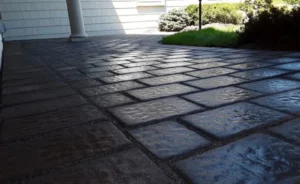
After proper restoration, pavers should look cleaner, more even, and more intentional. The color should have better depth, stains and organic buildup should be reduced, and the joints should look filled and stable. The finish should not look blotchy, cloudy, sticky, or uneven.
A finished surface should also drain properly and feel ready for normal use after the recommended cure period. If the patio looks good for a week and then weeds, haze, or washout return quickly, the preparation or joint stabilization step may have been incomplete.
DIY vs. Professional Paver Restoration
DIY cleaning can make sense for light dirt and small areas. It becomes riskier when the surface has deep stains, extensive moss, missing joint sand, old sealer, drainage issues, or a valuable outdoor living area where mistakes would be expensive to correct.
Professional restoration is usually the better choice when you want a predictable finish, proper joint stabilization, sealer selection guidance, and a maintenance plan. It also saves time, since cleaning, drying, sanding, sealing, and curing need to happen in the right order and under the right conditions. Seasonal timing matters too, so it helps to review the best time for paver restoration in Long Island before scheduling.
How Gulf2Bay Softwash Restores and Protects Pavers
Gulf2Bay Softwash serves homeowners and commercial properties across Long Island, including Suffolk County, Nassau County, and the Hamptons. The team focuses on exterior cleaning methods that protect the property while improving curb appeal.
A professional paver restoration project may include inspection, eco-friendly cleaning, treatment for organic growth or stains, joint sand replacement, stabilized sand installation, sealer selection, cure guidance, and maintenance recommendations. For larger properties, pool decks, driveways, and entertaining spaces, this process helps restore appearance while protecting the surface from avoidable wear.
Because every surface is different, Gulf2Bay can recommend whether your pavers need a clean and seal, sanding and sealing, color enhancement, or a more detailed restoration plan.
Frequently Asked Questions About Faded Paver Restoration
Will sealing pavers bring the color back?
Sealing can bring back color depth when the pavers are clean and the fading is partly caused by surface dullness. A color-enhancing sealer can create a richer look than a natural sealer. If the pigment is severely worn, sealing may improve the appearance but may not make the pavers look brand new.
How often should pavers be cleaned and sealed?
Many paver surfaces benefit from cleaning and sealing every few years, but the timing depends on traffic, sun exposure, moisture, trees, pool chemicals, salt air, and the type of sealer used. A professional inspection can help set the right maintenance schedule.
Can faded pavers be stained?
Some pavers can be stained or treated with tinted products, but it is not the first answer for every surface. Cleaning, joint stabilization, and sealer selection should come first. Stain should only be considered when the material and condition support it.
Should I use vinegar or household soap on pavers?
Use caution with household cleaners. Vinegar and strong cleaners can discolor some surfaces, affect nearby landscaping, or create uneven results. A paver-safe cleaner and proper rinse process are better choices for most homeowners.
When should I call a professional?
Call a professional if the pavers are heavily faded, stained, covered in moss, missing joint sand, shifting, or previously sealed with a failing product. You should also get help if you want a color-enhancing sealer or need the surface ready for guests, listing photos, or outdoor entertaining.
Get a Free Estimate for Paver Cleaning and Sealing
If your pavers look dull, washed out, or unstable, Gulf2Bay Softwash can help you choose the right restoration path. The team can inspect the surface, explain your options, and provide a clear quote for cleaning, sanding, sealing, or full paver restoration.
Get a Free Estimate and bring your faded pavers back to life with a process built for Long Island and Hamptons properties.