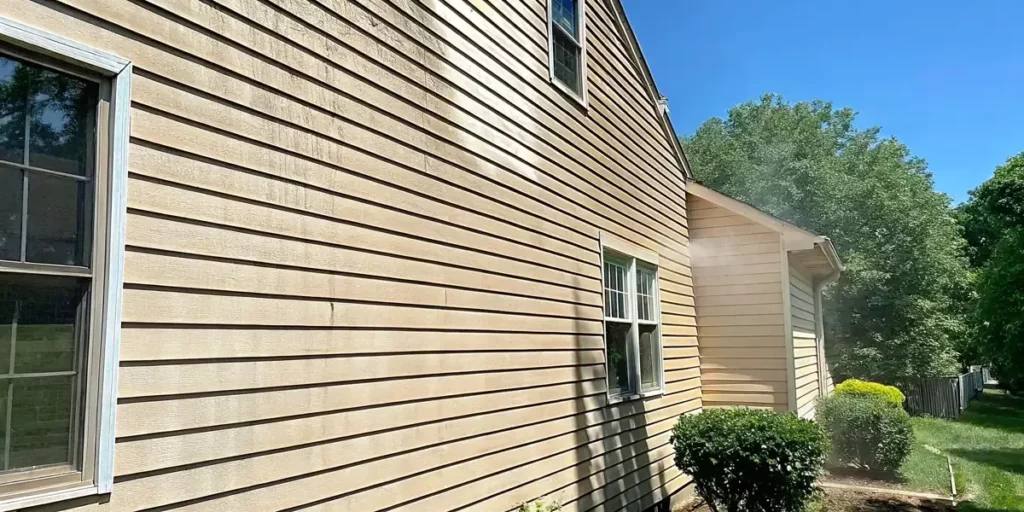
Fresh paint cannot form a reliable bond over a film of Long Island grime. Before the first brushstroke, siding needs to be clean enough for the painter to inspect, repair, and coat it properly.
Ready to prepare your Long Island home for painting? Get a Free Estimate from Gulf2Bay Softwash.
House washing before exterior painting Long Island homes removes dirt, algae, mildew, pollen, and other residue that can interfere with adhesion or hide defects. The right cleaning method prepares the surface without relying on aggressive water pressure. It also gives homeowners and painters a clearer view of loose paint, failed caulk, cracks, and damaged areas that need attention before coating.
Cleaning is not a substitute for scraping, repairs, priming, or the painter’s final readiness check. It is the first practical step toward a sound surface and a smoother painting project.
House Washing Before Exterior Painting Long Island: Why house washing before exterior painting matters
Exterior siding collects more than visible dirt. Shade and moisture can encourage algae or mildew. Wind carries pollen and airborne debris. Coastal exposure may leave additional residue on homes in parts of Long Island. Older painted surfaces can also develop a powdery film known as chalking. Painting over these materials can prevent the new coating from bonding directly to a sound surface.
A clean surface supports adhesion
Gulf2Bay Softwash helps homeowners create a cleaner starting point before paint preparation continues. Paint performs best when it can bond to a properly prepared substrate. If grime or organic growth sits between the coating and siding, the paint may be bonding to the contamination instead of the house. Washing removes this weak layer so the remaining preparation can be completed on the actual surface.
Cleaning reveals problems before they are covered
Dirt can disguise small cracks, loose coatings, failed caulk, and discoloration related to moisture. A careful wash often makes these conditions easier to identify. That gives the homeowner time to ask the appropriate contractor about repairs rather than discovering problems after painting begins.
Washing is one part of preparation
Even an excellent wash does not make every surface immediately paint-ready. Loose or peeling paint may still require scraping. Glossy areas may need sanding. Bare spots may need primer. Cracks, rot, open joints, and failed caulk may require repair. The painting contractor should determine the remaining preparation after the siding is clean and sufficiently dry.
How to plan a pre-paint house wash
Gulf2Bay Softwash recommends coordinating the cleaning and painting scopes before either crew arrives. Good coordination prevents the cleaning and painting crews from working at cross-purposes. Use this sequence to keep responsibilities clear.
- Inspect the exterior from the ground. Note visible organic growth, peeling paint, cracks, damaged siding, open joints, and areas where water may be entering. Do not disturb suspect coatings or climb to unsafe locations.
- Identify the siding materials. Vinyl, cedar, painted wood, stucco, brick, and mixed-material exteriors do not all respond to the same cleaning approach. Tell the cleaning provider about known repairs, additions, and fragile areas.
- Coordinate with the painter before washing. Ask what the painter expects from the cleaning step and which preparation tasks are included in the painting scope. Confirm who handles scraping, repairs, caulking, sanding, and priming.
- Schedule surface-appropriate cleaning. A professional should evaluate the material and contamination before selecting cleaners, pressure, and application methods. The goal is to remove buildup without forcing water behind siding or damaging a vulnerable finish.
- Allow conditions to guide drying. Drying varies with siding material, shade, ventilation, temperature, humidity, and weather. Avoid relying on a universal timeline.
- Have the painter confirm readiness. Before primer or paint is applied, the painting contractor should verify that the surface is sufficiently dry and complete the remaining preparation.
This sequence helps keep a cleaning service from being mistaken for paint preparation in its entirety. It also creates a clear handoff between providers.
Soft washing vs. high-pressure cleaning before paint
Cleaning power is not simply a matter of using more pressure. For many residential exteriors, a low-pressure soft wash combines appropriate cleaning solutions with gentle application. The solution addresses organic buildup while lower pressure reduces the risk of harming siding or driving water into vulnerable openings.
| Consideration | Surface-appropriate soft washing | Indiscriminate high-pressure cleaning |
|---|---|---|
| Primary approach | Uses appropriate cleaners and low pressure to loosen and remove buildup | Relies heavily on water force |
| Common residential use | Often suited to siding when selected after inspection | May be appropriate only for certain durable surfaces and conditions |
| Main concern | Solution, dwell time, and protection measures must match the material | Excess force can damage finishes or push water into gaps |
| Pre-paint goal | Remove contamination while preserving a sound substrate | Can remove material that should instead be evaluated and prepared carefully |
Gulf2Bay Softwash specializes in low-pressure house washing designed around the exterior being cleaned. Homeowners planning paint can learn more about professional house washing services and ask how the process will be adjusted for their siding.
No cleaning method should be used blindly over loose paint, deteriorated wood, open joints, failing seals, or known water-entry points. These conditions should be disclosed during the assessment so the providers can plan around them.
What should be checked on different siding materials?
Gulf2Bay Softwash evaluates the exterior material and its condition before recommending a cleaning approach. The right preparation depends on what covers the home. An exterior may also combine several materials, each with its own vulnerable details.
Vinyl siding
Vinyl commonly holds algae, mildew, dust, and pollen, especially in shaded areas. Cleaning should address the buildup without forcing water behind panels or disturbing loose sections. Look for cracks, warping, gaps, and oxidation. Review Gulf2Bay’s guide to vinyl siding oxidation removal to understand why oxidation deserves separate attention. If vinyl is going to be painted, the painter should also confirm that the selected coating and color are appropriate for the siding.
Wood and cedar
Wood requires careful handling because aggressive cleaning can roughen fibers, raise grain, or worsen deteriorated areas. Homeowners with natural wood can also review Gulf2Bay’s cedar restoration service when evaluating weathered material. Before washing, identify rot, split boards, loose paint, failed joints, and staining that may suggest moisture concerns. After cleaning, the painter or appropriate contractor should evaluate repairs, sanding, bare areas, and primer needs.
Stucco
Stucco can collect organic growth while also developing cracks or weak areas. A surface-appropriate wash should avoid worsening those defects. Cleaning may make hairline cracks or discolored areas easier to see, but an appropriate professional should evaluate repairs before painting.
Brick and masonry
Brick, mortar, and other masonry are porous and may retain moisture differently than siding. Efflorescence, deteriorated mortar, cracks, and persistent staining deserve evaluation. Cleaning should be chosen for the specific masonry and the type of buildup, then the painter should determine when the substrate is ready for coating.
Previously painted siding
Previously coated surfaces can include sound paint, chalking, peeling areas, and bare spots on the same wall. Washing should remove surface contamination without treating water force as a replacement for deliberate scraping and sanding. Once clean, the painter can judge which coatings remain sound and which areas need further preparation.
How to prepare your property for the cleaning visit
Gulf2Bay Softwash asks homeowners to share vulnerable areas and access concerns before cleaning begins. A little preparation helps the cleaning provider focus on the siding and protects items around the home. Walk the property before the appointment and point out anything that is loose, leaking, recently repaired, or unusually fragile. Share known concerns even if they seem unrelated to painting. An open window, failing seal, or damaged exterior outlet can affect how a nearby area should be cleaned.
Clear access around the exterior
Move portable furniture, decorations, grills, toys, and planters away from the walls when practical. Trim or tie back vegetation only when it can be done safely. Keep vehicles and other valuable items clear of the immediate work zone. Ask the provider how much access the crew needs instead of guessing.
Check openings and fixtures
Close windows and doors, and tell the provider about any that do not seal well. Identify exterior electrical fixtures, outlets, cameras, speakers, and other equipment. The cleaning professional can explain the protection measures planned for those areas. Homeowners should not cover or disconnect equipment unless instructed by the appropriate provider.
Document existing conditions
Take clear photos of peeling paint, damaged boards, cracks, failed caulk, and staining before work begins. This creates a useful reference for conversations with the cleaner and painter. It also helps both providers see which conditions existed before washing and which areas deserve another look afterward.
Once the cleaning is complete, walk the exterior again from a safe position. Note newly visible defects and share them with the painting contractor. This simple handoff makes it easier to plan repairs and remaining preparation before materials and crews arrive.
Want a professional assessment before paint preparation begins? Request a free estimate from Gulf2Bay Softwash.
Questions to ask before scheduling cleaning and painting
A few direct questions can prevent assumptions that lead to delays or incomplete preparation.
Questions for the cleaning provider
- What cleaning method do you recommend for each siding material on my home?
- How will you account for loose paint, damaged siding, open joints, or other vulnerable areas?
- How will landscaping, fixtures, windows, and adjacent surfaces be protected?
- What types of buildup do you expect the service to remove?
- What should I discuss with my painter before the wash?
Questions for the painting contractor
- What preparation do you expect to be completed before your crew arrives?
- Who is responsible for scraping, sanding, caulking, repairs, and priming?
- How will you determine that the siding is sufficiently dry and ready?
- Are there areas that should be repaired or protected before cleaning?
- What happens if cleaning reveals damage or widespread coating failure?
Share the answers between providers. Gulf2Bay performs exterior cleaning, not painting, so the painting contractor remains the right party to approve the final substrate and coating plan.
When should Long Island homeowners schedule the wash?
Gulf2Bay Softwash recommends leaving room between cleaning and painting for inspection, weather changes, and any repairs the painter identifies. The best schedule leaves room for inspection, cleaning, drying, repairs, and final paint preparation without forcing one crew to rush the next. Long Island conditions can change how that sequence unfolds. A sunny, ventilated wall may dry differently from shaded siding near dense landscaping. Porous wood or masonry behaves differently from vinyl. Humidity, rain, and coastal exposure can also affect the project.
Avoid choosing a fixed drying period from a generic rule. Instead, coordinate tentative dates with both providers and leave flexibility for weather and newly discovered repairs. The painter should make the final determination that the cleaned siding is sufficiently dry and ready for the next step.
Plan early if the exterior shows heavy organic growth, extensive peeling, damaged boards, cracked stucco, or failed caulk. Those conditions may require more than cleaning. Starting with an assessment gives homeowners time to assign the right work to the right professional.
What house washing does not replace
Gulf2Bay Softwash provides exterior cleaning, not painting, so the painter remains responsible for confirming the final coating plan. House washing removes surface contamination. It does not correct underlying defects or complete every task required for painting.
- Loose and peeling coatings: These often need controlled scraping and additional preparation after cleaning.
- Rot or damaged siding: Cleaning may reveal the problem, but an appropriate contractor must evaluate and repair it.
- Cracks and open joints: These may allow moisture entry and should be addressed before coating.
- Failed caulk: Old or separated sealant may need removal and replacement as part of the paint-preparation scope.
- Moisture problems: Persistent staining or recurring growth can signal a condition that cleaning alone will not solve.
- Primer and coating selection: The painter should choose compatible products and decide where primer is required.
The value of washing is that it creates a cleaner starting point and exposes conditions that deserve attention. Treating it as the first stage, rather than the only stage, supports better decisions. Learn more about soft washing versus pressure washing on Long Island and review the risks of power washing vinyl siding before choosing a method.
For ongoing exterior care beyond the paint project, Gulf2Bay also explains how professional house washing saves homeowners time and how soft washing can help with preventing mold on Long Island home exteriors.
Frequently asked questions
Should a house be washed before exterior painting?
Yes. Washing removes dirt, algae, mildew, pollen, and residue that can interfere with adhesion or hide areas needing repair. The painter should still complete any required scraping, sanding, caulking, repairs, and priming.
How long after house washing can exterior painting begin?
There is no single safe timeline for every home. Drying depends on the material, weather, shade, ventilation, and moisture conditions. Ask the painting contractor to inspect the siding and confirm readiness before applying primer or paint.
Is soft washing appropriate before painting siding?
Soft washing can be effective when the solutions and process are selected for the specific surface. Its low-pressure approach removes buildup without relying on aggressive force. The provider should inspect the siding and adjust around vulnerable areas.
Does house washing remove loose or peeling paint?
Washing may reveal failing paint, but it is not a substitute for proper paint preparation. Loose coatings and underlying defects need evaluation and appropriate preparation before the new coating is applied.
Who should coordinate the cleaning and painting schedule?
The homeowner should make sure both providers understand the sequence. Confirm responsibilities, share known concerns, and have the painter approve the cleaned surface before painting begins.
Prepare your Long Island home for a better painting project
A careful pre-paint wash removes the buildup that stands between the painter and the actual siding. Gulf2Bay Softwash can assess the exterior, recommend a surface-appropriate cleaning approach, and help create a cleaner starting point for the next phase of work.
Get a Free Estimate for house washing before your exterior painting project.