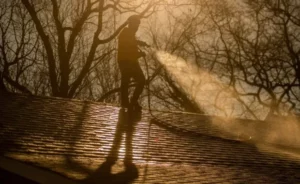

Traditional pressure washing systems use 2,000 psi and risk cracking delicate home exterior surfaces. For Long Island properties, selecting the wrong washing technique can lead to expensive structural repairs and ruined curb appeal.
Understanding soft washing vs pressure washing Long Island allows local homeowners to choose the safest and most efficient exterior cleaning method for their properties. As noted by the Iowa State University Extension, regular exterior cleaning prolongs siding life by removing mold when it starts to grow. Traditional high pressure cleaning relies on extreme force that can easily crack vinyl siding, strip paint, and force water beneath delicate building structures. In contrast, professional soft washing uses low pressure combined with biodegradable cleaning solutions to kill destructive organic contaminants at the very root. This gentle approach uses only one third of the water of traditional pressure washing while protecting sensitive surfaces from costly structural damage.
But how do you decide which method is best for each part of your home? Choosing between soft washing vs pressure washing Long Island: the safest choice by surface requires a careful look at the durability of each exterior material. The detailed breakdown begins with a surface-by-surface look at each method. For the broader service lineup, see our full Long Island exterior cleaning services.
Soft washing vs pressure washing Long Island: the safest choice by surface
Long Island homeowners face a constant choice when cleaning their property exteriors. Understanding the difference between soft washing vs pressure washing Long Island is vital for protecting your home. Traditional pressure washing uses high-force water to blast away dirt. But this high pressure can damage delicate materials. In contrast, soft washing uses low pressure and specialized solutions to clean safely. It targets the root of the problem without harming your siding.
Long Island climate challenges
Our local climate brings unique challenges to home maintenance. The salty ocean air and high humidity create a perfect breeding ground for organic growth. Mold and mildew thrive in damp, shaded areas with poor air circulation, which are common on local home exteriors. Over time, these pests can cause real damage. Regular cleaning helps prolong the lifespan of siding and keeps your home looking beautiful. But you must choose a safe method that does not force moisture deeper into your walls.
Siding and roofing damage risks
Using high pressure on delicate surfaces is a major risk. Pressure washing systems typically fire off 2,000 psi of water, which can strip and crack most exteriors. This intense force can easily damage siding, wood, and asphalt shingles by forcing water under the surfaces. To protect your property, you should use professional soft washing services for Long Island homes. This method uses low pressure to deliver biodegradable cleaning solutions safely. It uses only one-third of the water of traditional pressure washing, making it highly efficient.
Wood and roof preservation
Soft washing is the recommended choice for delicate surfaces like vinyl siding, cedar shake, asphalt shingles, and composite decking. For example, unfinished wood exposed outside will develop a soft gray patina due to ultraviolet light. But uneven wetting from rain can cause an unattractive blotchy look caused by mold. High pressure will strip and ruin this soft wood. In contrast, soft washing kills these contaminants at the root without damage. To keep your home safe, you should use safe soft washing techniques for Long Island roofs to clean delicate shingles. For Hamptons-specific roof considerations, see our roof cleaning guide for Hamptons cedar and shingles.
| Surface Material | Safe Method | Pressure Level | Key Benefit |
|---|---|---|---|
| Vinyl Siding | Soft Washing | Low Pressure | Protects seams and prevents water damage |
| Asphalt Shingles | Soft Washing | Low Pressure | Preserves shingles and kills moss at root |
| Cedar Shake | Soft Washing | Low Pressure | Prevents stripping and preserves wood color |
| Concrete & Brick | Pressure Washing | High Pressure | Blasts deep dirt from hard surfaces |
For most delicate Long Island surfaces, soft washing is the safer first choice. Pressure washing belongs on durable hardscapes when the operator uses the right nozzle, distance, and pressure setting.
Gulf2Bay Softwash uses safe low-pressure methods and biodegradable chemicals to clean your home. We know your property is your most significant investment. To give you peace of mind, we back our work with a 5-year transferable warranty. Do not risk damaging your siding or roof with high pressure. Schedule your free on-site estimate today to protect your Long Island home.
Why soft washing protects siding, cedar, roofs, and paint
Homeowners often face a choice between soft washing vs pressure washing Long Island residential structures. Standard pressure washing uses high force to blast dirt away from walls and roofs.
These machines can fire water at up to 2,000 psi. This high pressure can strip paint, crack vinyl, or destroy wood siding.
In contrast, soft washing uses low pressure combined with a biodegradable cleaning solution to treat delicate building materials. This gentle method removes dirt and organic growth without the risks of high pressure. It provides a safer way to clean the most vulnerable parts of your home.
Siding protection and water intrusion
High water pressure can easily force water under vinyl or wood siding panels. This trapped moisture creates a damp environment where mold and mildew thrive. These spores thrive in damp, shaded areas with poor air circulation. Regular exterior cleaning helps remove these organisms and can prolong the lifespan of siding materials.
Using the soft wash method keeps water from penetrating the seams of your home siding. The process relies on safe detergents to lift dirt and kill organic spores rather than blasting the surface. Long Island homeowners can use professional soft washing services for Long Island homes to maintain siding safely. This prevents costly structural water damage.
Many different parts of a home benefit from this gentle approach. Homeowners should understand which materials need special care during exterior cleaning. Some of the most common surfaces that require soft washing include:
- Vinyl siding and composite panels
- Cedar shakes and unfinished wood siding
- Asphalt roof shingles and clay tiles
- Painted wood trim and outdoor decks
Cedar and painted wood preservation
Wood is a soft, porous material that requires extra care during cleaning. When wood siding is exposed to moisture and improper cleaning, it can turn into an unattractive gray color due to mold and mildew growth. High pressure can also gouge cedar wood, split shakes, and strip away coats of exterior paint. Using the correct cleaning approach preserves the natural wood texture and keeps paint from peeling prematurely.
Soft washing uses low-pressure water streams and biodegradable cleaning solutions to treat wood. The gentle chemicals soak deep into the pores of cedar shakes to kill mildew at its source. This stops mold from returning quickly. It reduces the need for frequent washings while keeping wood siding looking clean and healthy.
Roof safety and asphalt shingles
Roofs are vulnerable to high pressure. Asphalt shingles are coated with fine granules that protect your home from ultraviolet rays. Blasting these granules off shortens the life of your roof. Heavy water pressure can also force water under shingles, leading to leaks and mold.
Soft washing provides a safe alternative that protects your roof. This process uses low-pressure equipment and biodegradable solutions to wash away black algae streaks and moss while killing organisms at the root. You can hire experts who offer safe soft washing techniques for Long Island roofs to clean shingles safely. This approach uses only one third the water of standard pressure washing.
When pressure washing makes sense for hard surfaces
Pressure washing gets a bad reputation, but it is not always a bad choice for exterior cleaning. For sturdy materials, high pressure is the most effective way to blast away deep grime. When comparing soft washing vs pressure washing Long Island homeowners must know which method fits each surface. Homeowners can hire professional soft washing services for Long Island homes to protect delicate siding, but sturdy concrete requires a stronger approach.
Suitable surfaces for high pressure
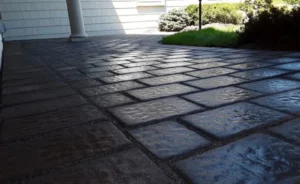
While soft washing protects soft wood and shingles, high pressure is perfect for hard materials. Concrete driveways, brick pavers, and natural stone walkways are great candidates. These sturdy structures can withstand strong water flow without cracking.
High pressure works best on these specific surfaces:
- Poured concrete driveways and garage floors
- Interlocking brick pavers on walkways or patios
- Solid granite, slate, and other natural stone hardscapes
Over time, outdoor hardscapes on Long Island gather thick layers of dirt and organic growth. According to experts at Iowa State University, mold and mildew spores thrive in damp, shaded areas with poor air circulation. This growth can make your walkways slick and unsafe. You can use a pressure washer to clean these tough surfaces.
Key settings and techniques
Using high pressure safely requires the right settings and the proper technique. You should never blast water at full force without checking the machine first. Most professional systems reach up to 2,000 psi, which can strip surfaces if used incorrectly.
To clean concrete safely, operators must use a wide spray nozzle. This nozzle spreads the water pressure evenly across the surface. They also keep the wand at a steady distance to avoid leaving marks on the stone. Moving the wand in sweeping, fluid motions ensures a clean finish.
Distance is just as important as the pressure setting itself. Holding the wand too close to a brick paver can chip the edges or wash away the joint sand. Professional cleaners maintain a distance of twelve to eighteen inches from the surface. This distance cleans the hardscape while protecting the joints.
When to avoid high pressure
Some areas of your home are too delicate for high-pressure washing. For example, traditional high pressure can damage vinyl siding, wood, and asphalt shingles by forcing water under the surfaces. Homeowners should use safe soft washing techniques for Long Island roofs and siding instead of high pressure. This choice prevents trapped water from leading to mold growth behind your walls.
In these cases, you should choose a low-pressure method instead. You can find expert soft washing solutions for Nassau County to clean these fragile areas safely. Soft washing uses low pressure and biodegradable cleansers to kill spores without harming your home.
How Long Island salt air and humidity change the cleaning plan
The sea breeze brings salt air and high humidity. These elements combine to create a sticky layer of coastal grime on local siding. Homeowners face a constant buildup of salt film that traps moisture and dirt. This unique climate requires a different approach when comparing soft washing vs pressure washing Long Island homes.
The sticky challenge of coastal salt and grime
The salty mist from the Atlantic Ocean and Long Island Sound coats siding, windows, and roofs. This salt layer acts like a magnet, catching airborne dust, pollen, and spores. When combined with summer humidity, this mixture creates a thick, sticky film. It does not just sit on the surface; it holds moisture against your home. This constant dampness creates the perfect breeding ground for destructive organic growth.
Mold and mildew thrive in damp, shaded areas with poor air circulation. According to the Iowa State University Extension, these spores are everywhere. They grow fast when moisture builds up. For example, uneven wetting by dew and rain can cause mold to form on siding. Over time, this organic growth will lead to a blotchy and unattractive look.
Why high pressure fails against coastal mold
Many homeowners think high pressure is the best way to clean this sticky mess. But standard pressure washing systems can use up to 2,000 psi. This extreme force risks stripping and cracking your home’s siding. It can also force water under siding, wood, and asphalt shingles, which causes hidden damage. Blasting the surface might make it look clean today, but it leaves the mold roots alive.
To safely remove this grime, you need a method that kills the organic growth at its source. That is why professional soft washing services for Long Island homes are the preferred choice. Soft washing uses low pressure and biodegradable treatments to gently dissolve the salt film and kill mold and mildew spores. This method cleans thoroughly without risking structural water damage.
Signs your home needs a gentle wash
How do you know when your exterior siding needs attention? You can easily look for a few clear signs.
- Green or black streaks on vinyl siding or roof shingles, which indicate active algae or mold.
- A dull, sticky film on windows and doors caused by salt air buildup.
- A blotchy gray appearance on wood siding, which suggests that mold is beginning to damage the fibers.
Regular cleaning to remove these contaminants is essential. Removing mold when it first starts to grow will prolong the life of your siding. Regular care keeps your house looking beautiful and protects your investment.
How does Gulf2Bay choose the right cleaning method?
We never guess when we clean your property. Every home on Long Island has unique needs. Our team looks at each job with great care. This thorough check helps us choose between soft washing vs pressure washing Long Island methods for your home. Our goal is always to clean your exterior surfaces safely and completely.
Our professional assessment standards
Choosing the right method is about protecting your home’s value. We check the surface first to see what material was used. Delicate surfaces like vinyl siding, cedar, or roof shingles need gentle methods. We use safe soft washing techniques for Long Island roofs to prevent damage. Hard surfaces like concrete can handle more force. This careful check keeps your home safe while getting it perfectly clean.
Regular exterior care is the best way to keep your home looking new. Indeed, removing mold and dirt can prolong the life of your siding. We want to help you get the most out of your home. Our team checks your property to find the safest cleaning path. We ensure you get a clean surface without any risk of structural damage.
Five steps to a restored exterior
We follow a clear path for every cleaning job. This process ensures high-quality results for your property every time we visit. Safety is our priority. Here is how our team chooses and uses the right method.
- We inspect every inch of your home exterior. Our team looks at the surface materials and checks for weak areas before we start.
- We find the exact type of dirt or growth. We spot whether you have simple dust, dark algae, green mold, or tough lichens.
- We shield your plants and property. Our crew covers your landscape, wets your grass, and blocks outlets to keep everything safe.
- We choose the right water pressure. We use low-pressure soft washing for delicate vinyl or wood, and save high pressure for hard concrete.
- We rinse the surface and check our work. We wash away all cleaning agents with clean water, then review the results with you.
Eco-friendly solutions and final steps
Our cleaning process is gentle on your home and the local environment. We use low-pressure methods and biodegradable cleaning agents. This process uses just one-third the water of standard washing. It kills mold and algae at the root. That is why we recommend professional soft washing services for Long Island homes.
You can trust our team to care for your home. We understand that your property is your biggest investment. Are you ready to get started? Schedule your free on-site estimate today to find the perfect plan for your exterior.
Is soft washing worth it for Long Island homeowners?
Long Island homes face harsh coastal weather that leaves exteriors dirty and stained. Homeowners often debate between different cleaning methods to restore their property. When comparing soft washing vs pressure washing Long Island residents must look at both the upfront cost and the long-term value.
Protecting delicate home surfaces
High pressure can easily ruin a home. Traditional systems blast water at up to 2,000 psi, which can strip and crack many exterior surfaces. This extreme force also risks pushing water beneath your siding, wood, or roof shingles. Soft washing avoids these risks by using low pressure to clean safely.
This gentle method is ideal for delicate materials like cedar shake, vinyl siding, and asphalt shingles. Regular cleaning removes harmful debris and helps keep your home looking nice. Choosing professional soft washing services for Long Island homes keeps your exterior intact while prolonging the life of your siding.
Treating algae and mold at the root
The coastal climate on Long Island brings unique challenges to home maintenance. High humidity and damp salt air create a perfect environment for organic growth. Because mold and mildew spores thrive in shaded spots with poor air flow, they spread fast. High pressure only blasts away the top of the stain.
Soft washing uses special biodegradable solutions that kill mold, algae, and lichens at their roots. Removing these growths early is crucial. The Iowa State University Extension shows that removing mold when it starts helps prolong the life of your siding. This keeps your home exterior from looking blotchy and worn.
Water efficiency and long-term savings
Many homeowners do not know that this process is highly efficient. It uses only one-third of the water used by standard pressure washing. Because the method relies on active cleaning solutions to melt dirt, it does not need blunt force. This helps you save water and protect your yard.
When you look at the total value, the choice is clear for luxury properties on Long Island and in the Hamptons. High-pressure damage is expensive to repair, but safe soft washing preserves your siding. If you want a lasting clean, using safe soft washing techniques for Long Island roofs and walls keeps your curb appeal high. Our work comes with a five-year transferable warranty to ensure your satisfaction. Schedule your free on-site estimate today.
Questions to ask before hiring an exterior cleaning company
Hiring an exterior cleaning company needs careful vetting. Your home is a major investment, so you must ask the right questions to prevent costly damage. Different surfaces need different care. You can find professional soft washing services for Long Island homes that protect your exterior. Learning about soft washing vs pressure washing Long Island options will help you make the best choice.
Cleaning methods by surface
First, ask which cleaning method the crew will use on each surface. High-pressure washing is risky for delicate siding and roof shingles. High-pressure systems can use up to 2,000 psi, which can crack or strip home exteriors. Instead, ask if they use low-pressure washing for sensitive materials. Soft washing is best for delicate vinyl siding, cedar shake, asphalt shingles, painted wood, and composite decking.
For your roof, ask about their cleaning technique. High-pressure water can damage shingles by forcing water under the surface. You should seek safe soft washing techniques for Long Island roofs to keep your shingles intact.
Safety and plant protection
Next, ask how the company protects your property and the surrounding plants. Soft wash solutions use chemicals to kill mold, mildew, and algae at the root. Because these solutions contain active cleaning agents, the crew must shield your landscaping. Ask if they pre-wet your plants, cover delicate shrubs, and rinse the soil during the process. You must also ask if they use biodegradable solutions to keep the runoff safe for the environment.
Safety goes beyond plants. Mold and mildew thrive in damp, shaded spots, and cleaning them can release harmful spores. Homeowners should make sure the crew wears safety gear when dealing with these hazards. Also, verify that the company has full liability and workers’ compensation insurance. If an uninsured worker gets hurt on your property, you could face legal or financial trouble.
Warranty and quote processes
Finally, ask about written warranties and how the team prepares quotes. A reliable company will stand behind its service. Some exterior cleaning crews only offer a one-year roof guarantee. In contrast, you can find a five-year transferable warranty when you hire Gulf2Bay Softwash. This warranty can add great value if you decide to sell your home.
You should also ask for a clear, written quote before any work starts. A trusted company will provide a detailed breakdown of costs rather than a vague verbal estimate. Regular exterior cleaning removes mold and helps prolong the life of your siding. A clear quote ensures you know what you are paying for to protect your home.
Frequently Asked Questions
Is soft washing better than pressure washing?
Soft washing is usually better for siding, roofs, cedar, painted wood, and other surfaces that can be damaged by high pressure. Pressure washing can still make sense for concrete, stone, pavers, and other hard surfaces. The best choice depends on the material, the buildup, and how much pressure the surface can safely handle.
Is soft wash worth the money?
Yes, soft washing can be worth it because it treats algae, mildew, and grime without the same surface risk as high-pressure cleaning. It can also help protect curb appeal and reduce the chance of water being forced under siding or shingles. For Long Island homes exposed to salt air and humidity, that gentler process matters.
How much does soft washing cost on Long Island?
Soft washing cost depends on the size of the home, the surface, the level of buildup, and access around the property. Avoid one-size-fits-all pricing if the company has not seen the home. The safest way to compare soft washing vs pressure washing Long Island options is to request an on-site quote.
Can you soft wash a roof instead of pressure washing it?
Yes. Roofs are one of the clearest cases for soft washing because asphalt shingles can be damaged by high pressure. A low-pressure roof cleaning process is built to treat algae, moss, mildew, and lichen without blasting the roofing surface. Gulf2Bay explains more on its Long Island roof cleaning page.
Request a free quote for the right wash method
Choosing between soft washing and pressure washing is easier when a trained team can see the surface, the buildup, and the risk points in person. Gulf2Bay Softwash helps Long Island homeowners protect siding, roofs, cedar, paint, and hardscapes with a method chosen for the material, not a one-size-fits-all blast of pressure.
If you are weighing soft washing vs pressure washing Long Island service options, request a free quote from Gulf2Bay Softwash. We will review your exterior, explain the safest plan, and help restore your home’s curb appeal with an eco-friendly process.