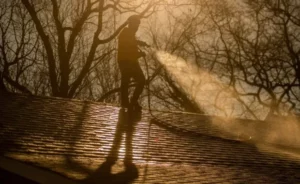

Yes, high-pressure or improperly directed water can damage a tile roof. It can crack clay or concrete tiles, damage finishes, and force water beneath the roof covering. The correct cleaning method depends on the tile manufacturer’s instructions, the roof’s condition, and a trained professional’s assessment; Gulf2Bay uses a carefully selected low-pressure approach for homeowners when it is appropriate for the specific tile system.
TILE-ROOF CARE
Protect Your Tile Roof
With a Professional Assessment
Get a trained assessment and a cleaning approach selected for your tile material, condition, and manufacturer guidance.
Key Takeaways
- Uncontrolled high pressure can damage tile roofs: Improperly directed water may crack clay or concrete tile, damage finishes, and force moisture beneath the roof covering.
- Clay, concrete, and asphalt shingles require different care: The correct method depends on the roofing material, its condition, and the manufacturer’s instructions.
- Warranty terms are manufacturer-specific: A cleaning method that conflicts with written maintenance guidance may affect warranty coverage, so check the applicable documents before cleaning.
- Professional roof cleaning on Long Island: A trained professional can assess the roof and select an appropriate low-pressure approach while protecting runoff areas and the surrounding property.
What Is Pressure Washing?
When you think about cleaning the outside of your home, pressure washing is probably the first thing that comes to mind. It’s a well-known method that uses a strong, high-pressure stream of water to blast away dirt, grime, algae, and other unwanted buildup from exterior surfaces. For years, it has been a common approach for tackling tough stains and making properties look fresh again.
While it can be effective, that intense power is also its biggest weakness. The same force that scours dirt from a concrete sidewalk can cause irreversible harm to more delicate materials. Understanding how pressure washing works is the first step to knowing when to use it and, more importantly, when to choose a safer alternative for your home.
How the Equipment Works
Pressure washing equipment is designed for one thing: power. It all starts with a motor that drives a pump, which takes regular water from a hose and forces it through a specialized nozzle at extremely high pressure. This creates a powerful jet of water that acts like a chisel, physically stripping away dirt, mold, and other debris from a surface. The pressure can be adjusted, but the entire method relies on using force to do the cleaning. This high-impact approach is what sets it apart from other cleaning techniques.
Common Uses for Pressure Washing
Because of its raw power, pressure washing is a popular choice for cleaning very hard, durable surfaces. It’s commonly used for sprucing up concrete driveways, sidewalks, stone patios, and other hardscapes that can withstand the intense force. It effectively removes tough stains, moss, and ground-in dirt, making these surfaces look much cleaner and more appealing. However, problems arise when this same method is applied to materials that aren’t built to take that kind of impact, like asphalt shingles, wood siding, and especially tile roofs.
Can Pressure Washing Damage a Tile Roof?
It can. The greatest risk comes from excessive pressure, poor nozzle control, unsafe roof access, or a method that conflicts with the tile manufacturer’s instructions. Tile material, age, existing cracks, finish, underlayment, and installation details all affect what is appropriate.
Cracked or Broken Clay and Concrete Tiles
Clay and concrete tiles are durable but can be brittle, especially when weathered or already compromised. Concentrated spray or foot traffic may crack, chip, or dislodge a tile and create an entry point for water. A trained cleaner should inspect the roof and avoid treating every tile system the same way.
Damage to Glazes, Coatings, and Concrete Tile Finishes
Improper pressure may etch a surface or damage a glaze, coating, or concrete-tile finish. That can change the roof’s appearance and increase its exposure to moisture and weathering. Manufacturer guidance should control the equipment, cleaner, and pressure used.
Water Intrusion Beneath the Tiles
Roof tiles shed water through an overlapping system; they are not designed for water to be driven upward beneath them. Improperly aimed spray can reach the underlayment, attic, insulation, and roof deck, increasing the risk of stains, rot, mold, or leaks.
What Do Tile Manufacturers Recommend?
Cleaning instructions vary by tile material, manufacturer, finish, roof condition, and warranty. Homeowners should identify their tile product and check its written care guidance before selecting a cleaning method.
Why Instructions Differ by Tile Material and Manufacturer
There is no universal pressure limit for every tile roof. For example, Eagle Roofing Products states in its concrete-tile maintenance guidance that water pressure should never exceed 1,200 PSI, a concrete-compatible cleaner should be used at the most diluted effective concentration, and the work should be completed by an experienced licensed, bonded, and insured contractor. That is a manufacturer-specific example, not a standard for every roof. Clay tile, other concrete tile, specialty finishes, and older systems may require different care.
How Cleaning Methods Can Affect Warranty Coverage
A cleaning method may affect warranty coverage if it conflicts with the manufacturer’s maintenance instructions or causes damage. It does not automatically void every tile-roof warranty. Review the actual warranty and care documents, keep records of professional work, and ask the manufacturer or roofing contractor when the requirements are unclear.
Common Myths About Cleaning Tile Roofs
When it comes to cleaning a tile roof, a few common beliefs can lead homeowners down the wrong path. These myths often sound logical, but they can result in serious, expensive damage to one of your home’s most important assets. Let’s clear up some of the confusion and look at why certain popular cleaning methods aren’t what they seem. Understanding the facts will help you make the best choice for protecting your roof and your home.
Myth #1: “High pressure is the fastest way to clean.”
It’s easy to see the appeal of pressure washing. It looks fast and seems to get instant results. However, this approach often provides a short-term fix that can create long-term problems. Blasting away at mold and algae with high pressure only removes the visible surface layer. It doesn’t eliminate the microscopic roots of these organisms. Because the source of the problem isn’t treated, the growth comes back faster and often thicker than before. This cycle forces you into more frequent cleanings, and each high-pressure wash puts your tiles at risk of damage, turning a quick fix into a recurring and costly headache.
Myth #2: “More pressure means a better clean.”
Many people assume that applying more force will result in a deeper, more thorough clean. When it comes to tile roofs, the opposite is true. Extreme pressure doesn’t just remove dirt; it can permanently damage the surface of the tiles. This process, known as etching, strips away the tile’s protective glaze and can even cut through the sealants and underlayment that keep your home dry. This makes the tiles more porous, causing them to absorb water instead of shedding it. A waterlogged tile is a perfect breeding ground for more algae and can lead to serious issues like leaks and structural decay.
Myth #3: “My roof tiles are tough enough.”
Roof tiles look solid and durable, but they are more delicate than you might think. The idea that they can withstand a powerful jet of water is a dangerous misconception. Tiles, especially older ones, can become brittle over time and are susceptible to damage from concentrated force. A pressure washer can easily crack, chip, or dislodge tiles, compromising your roof’s ability to protect your home. Even a small crack is an invitation for water to seep underneath, leading to rot and leaks. A professional cleaning approach always prioritizes the integrity of your tiles over the speed of the job.
What Is the Safest Way to Clean a Tile Roof?
The safest method is the one selected after inspecting the tile material, finish, roof condition, installation, and manufacturer instructions. For many residential tile roofs, Gulf2Bay’s professional low-pressure and soft-wash approach can remove organic growth without relying on uncontrolled high pressure, but no single method is appropriate for every tile system.
Professional Low-Pressure and Soft-Wash Cleaning
A trained professional can choose an appropriate cleaner, dilution, dwell time, rinse pressure, and spray direction for the roof. Learn more about professional roof cleaning on Long Island and how Gulf2Bay assesses residential roofs before cleaning.
Why Roof Condition and Runoff Protection Matter
Existing cracks, loose tiles, failed flashings, and worn finishes can change the safest approach. Professionals also protect landscaping and manage runoff based on the cleaning solution and property conditions rather than assuming any solution is universally safe.
How Often Should You Clean Your Tile Roof?
Knowing when to clean your tile roof isn’t about marking a date on the calendar. While a general guideline is every two to five years, the real answer depends on your specific environment. A home shaded by large trees in New York’s humid climate will likely need cleaning more often than one in a sunny, open area. The most important thing is to pay attention to your roof and act when you see the first signs of growth.
Regular, proper cleaning is one of the best investments you can make in your home’s longevity. In fact, consistent checks and using the right method, like soft washing, can help your tile roof last significantly longer. It protects the tiles from the destructive effects of algae, moss, and lichen. Instead of waiting for a set amount of time to pass, learn to spot the visual cues that your roof is asking for a refresh. This proactive approach not only keeps your home looking its best but also prevents small issues from turning into costly repairs. When it’s time for a professional touch, our roof cleaning services use gentle techniques to restore your roof safely.
Telltale Signs It’s Time for a Cleaning
Your roof will tell you when it needs attention. The most obvious signs are visual. Look for dark, blackish streaks running down your roof, which are typically caused by a type of algae called Gloeocapsa magma. You might also spot green, fuzzy patches of moss, especially in shaded areas or on north-facing slopes. Any visible layer of dirt, leaves, or grime is also a clear indicator. These growths aren’t just an eyesore; they trap moisture against your roof’s surface. This constant dampness can accelerate wear on your tiles and underlayment, potentially leading to leaks and water damage over time. If you spot any of these signs, it’s time to get a quote for a professional cleaning.
How to Maintain Your Roof Between Cleanings
A little upkeep can go a long way in extending the time between professional soft wash treatments. To keep your roof in great shape, start by looking at the surrounding landscape. Trim any tree branches that hang over or touch your roof. This simple step reduces the amount of leaves and debris that accumulate and also allows more sunlight to reach the roof, which discourages moss and algae growth.
Next, make a habit of keeping your gutters clear. Clogged gutters cause water to back up onto the edge of your roof, creating a damp environment perfect for organic growth. Regular gutter cleaning ensures water flows away from your home as it should. Finally, consider having your roof inspected periodically to catch small issues like a cracked tile before they become major problems.
When Should a Homeowner Call a Professional?
Call a professional when you see dark streaks, moss, algae, debris buildup, cracked or loose tiles, or signs of water intrusion. Roof cleaning combines fall risk with the possibility of damaging brittle materials or driving water beneath the tiles, so it is not a good DIY pressure-washing project.
A trained professional can identify the tile type, assess roof condition, review manufacturer guidance, protect runoff areas, and recommend whether low-pressure cleaning is appropriate. This assessment helps homeowners avoid a one-size-fits-all method and reduce the risk of preventable damage.
Related Articles
- Eco-Friendly Huntington Soft Washing – Gulf2Bay
- Roof Cleaning & Soft Washing in Long Island | Gulf2Bay
- 2024 Roof Cleaning Costs: Top Services & Essential Tips
- Avoid These Common Soft Wash Roof Cleaning Mistakes
A SUPERIOR CLEAN
Ready to Refresh
Your Property?
Gulf2Bay Softwash provides safe, eco-friendly exterior cleaning services that remove dirt, mold, mildew, and algae while protecting your home or business.
Frequently Asked Questions About Tile Roof Cleaning
Can you pressure wash a tile roof?
Some manufacturers permit carefully controlled water pressure under specific limits, while others require different methods. Uncontrolled high pressure and DIY pressure washing can crack tiles, damage finishes, and drive water beneath the roof covering. Follow the instructions for the actual tile product and use a trained professional.
What is the best way to clean a tile roof?
The best method depends on the tile material, finish, condition, and manufacturer guidance. A professional inspection should determine the appropriate cleaner, dilution, pressure, spray direction, and runoff protection. Gulf2Bay typically favors a low-pressure approach when it is suitable for the specific roof.
Is cleaning different for clay and concrete roof tiles?
Yes. Clay and concrete tiles can have different finishes, porosity, weathering patterns, and manufacturer requirements. Even tiles made from the same material can require different care, so homeowners should not rely on a universal pressure setting or cleaning solution.
Can pressure washing void a tile roof warranty?
It may affect coverage if the method conflicts with the manufacturer’s written maintenance instructions or causes damage, but it does not automatically void every warranty. Check the applicable warranty and care documents before cleaning.
How often should a tile roof be professionally cleaned?
There is no fixed schedule for every home. Shade, tree cover, humidity, roof pitch, tile condition, and the rate of organic growth all matter. Ask for an assessment when you notice visible streaks, moss, algae, debris buildup, or drainage concerns.