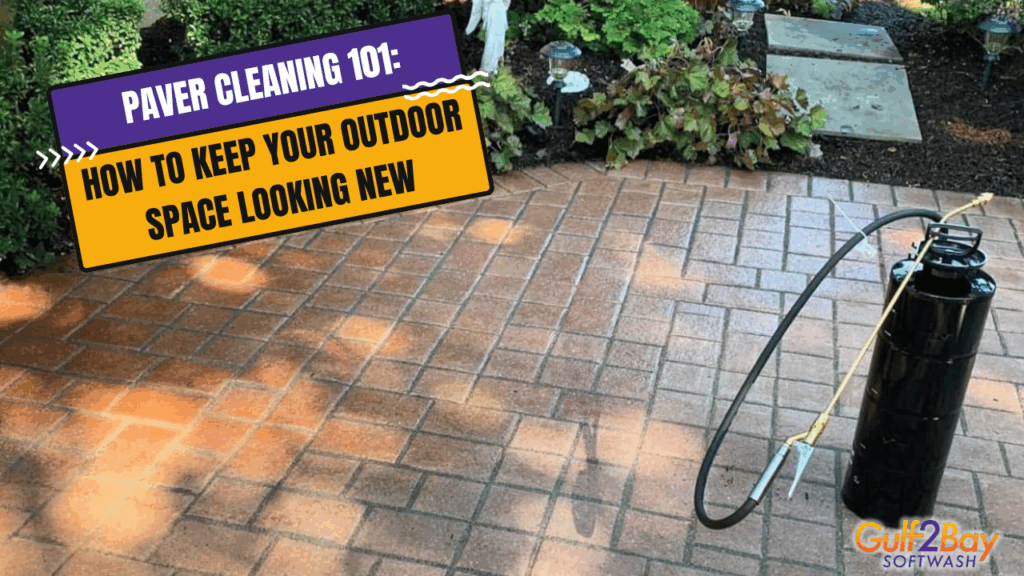
Paver Cleaning 101: How to Clean and Maintain Your Outdoor Space for Lasting Beauty
Maintaining clean, vibrant pavers transforms worn patios and driveways into inviting outdoor living areas, enhancing curb appeal and boosting longevity. Homeowners face discoloration from dirt, organic growth, and stubborn stains that compromise safety and appearance. This guide delivers practical paver cleaning & sealing solutions—from pressure washing and soft washing methods to stain removal and sealing—so you can restore hardscapes to like-new condition.
You will learn why regular cleaning matters, explore top cleaning techniques, tackle common blemishes, understand sealing benefits, and compare DIY versus professional costs.
Why Is Paver Cleaning Essential for Your Outdoor Space?
Effective paver cleaning removes embedded debris and biological contaminants, preserving surface integrity and preventing erosion. Routine maintenance enhances traction, reduces slip hazards, and stabilizes joint sand, thereby extending the life of interlocking pavers and protecting adjacent exterior frameworks like custom deck building installations from structural moisture traps.
What Are the Benefits of Regular Paver Cleaning?
Regular cleaning bolsters curb appeal, promotes safety, and safeguards structural stability by preventing weed growth.
- Enhanced Appearance: Restores original color and texture.
- Increased Durability: Eliminates grit that erodes edges.
- Slip Resistance: Reduces algae and moss buildup on walking surfaces.
- Property Value: Clean hardscapes contribute to higher resale appeal.
These advantages create a pristine foundation for advanced stain removal and sealing strategies.
How Do Dirt, Moss, and Stains Affect Paver Durability?
Dirt and organic films trap moisture, which accelerates freeze-thaw damage and joint sand displacement. Moss and algae degrade the surface, weakening the binder between paver units. Untreated stains from oil or rust penetrate pores and lead to permanent discoloration. Understanding these effects underscores the need for targeted cleaning techniques and protective treatments.
When Should Homeowners Schedule Paver Cleaning?
Annual cleaning before spring thaw prevents winter residue from causing irreversible wear. High-traffic areas may require semi-annual attention, while shaded or moist zones benefit from quarterly soft washing to inhibit organic regrowth. Timing alignments support proactive maintenance and prepare pavers for seasonal sealing applications.
What Are the Best Methods for Cleaning Pavers?
Paver cleaning methods vary by surface condition and contamination type, combining mechanical force and cleaning agents to revive hardscapes without damaging joints or textures.
How Does Pressure Washing Effectively Clean Pavers?
Pressure washing uses high-pressure water to blast away embedded dirt, loose sand, and light organic growth. Professionals adjust PSI levels and nozzle angles to avoid etching paver surfaces or displacing polymeric joint sand. This method yields an immediate, deep clean ideal for driveways and patios with heavy soiling.
When Is Soft Washing a Better Option for Pavers?
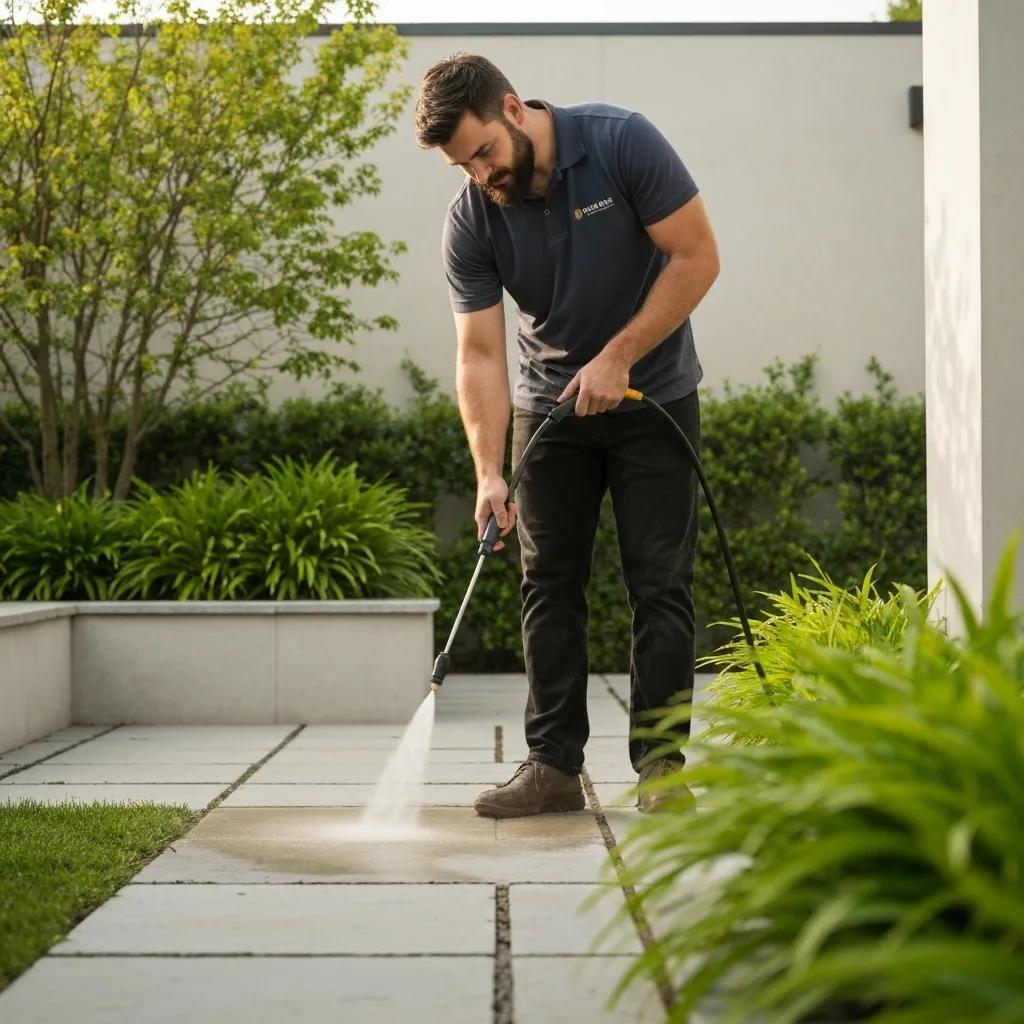
Soft washing employs low-pressure water and biodegradable detergents to dissolve mold, algae, and mildew without harming delicate stone or brick. It penetrates stains and sanitizes surfaces, preventing regrowth for months. Soft washing excels on aged pavers or those with sensitive finishes—similar to the delicate approach required for cedar restoration in the hamptons—preparing them for sealing without surface abrasion.
What Are Safe DIY Paver Cleaning Techniques?
Homeowners can maintain pavers with basic tools and household products before scheduling professional service.
Below is a quick reference for common DIY cleaners and their applications.
| Cleaning Solution | Active Ingredient | Ideal Use |
|---|---|---|
| Dish Soap | Surfactant | Light dirt and grease removal |
| White Vinegar | Acetic acid | Mild mineral deposits and algae |
| Baking Soda | Alkaline base | Neutralizing oil spots and grime |
These solutions support interim maintenance and set the stage for professional deep cleaning when needed.
How Can You Remove Common Paver Stains and Organic Growth?
Targeted stain-removal tactics bring pavers back to pristine condition by addressing the unique chemistry of each contaminant.
What Are the Most Effective Ways to Remove Moss, Algae, and Weeds?
Biological growth penetrates joints and degrades polymeric sand stability. Spraying a diluted sodium hypochlorite solution kills spores, followed by gentle scrubbing and rinsing to uproot weeds. After drying, replenishing joints with polymeric sand locks out moisture and inhibits future growth.
How Do Professionals Remove Oil, Rust, and Efflorescence Stains?
Expert cleaners apply specialty degreasers that bond with hydrocarbon molecules, emulsifying oil stains for pressure-wash removal. Rust is treated with chelating agents that convert iron compounds into soluble salts, while efflorescence is dissolved by mild acid washes that restore paver color without etching. These advanced products achieve deep-down cleaning that DIY options cannot match.
Why Is Polymeric Sand Important for Weed Prevention and Joint Stability?
Polymeric sand contains fine grains coated with polymers that activate when moistened, creating a semi-rigid joint that resists erosion, inhibits seed germination, and enhances load distribution. Proper joint filling after cleaning secures pavers and sustains the clean appearance achieved during professional maintenance.
Polymeric Sand: Enhancing Paver Durability and Preventing Weed Growth
Polymeric sand, a specialized mixture of fine sand and polymer additives, hardens when exposed to water, creating a strong, durable bond between pavers. This significantly improves the durability and stability of hardscapes, prevents weed growth and insect infestations by tightly filling joints, and resists erosion from weather conditions.
What Are the Benefits of Paver Sealing After Cleaning?
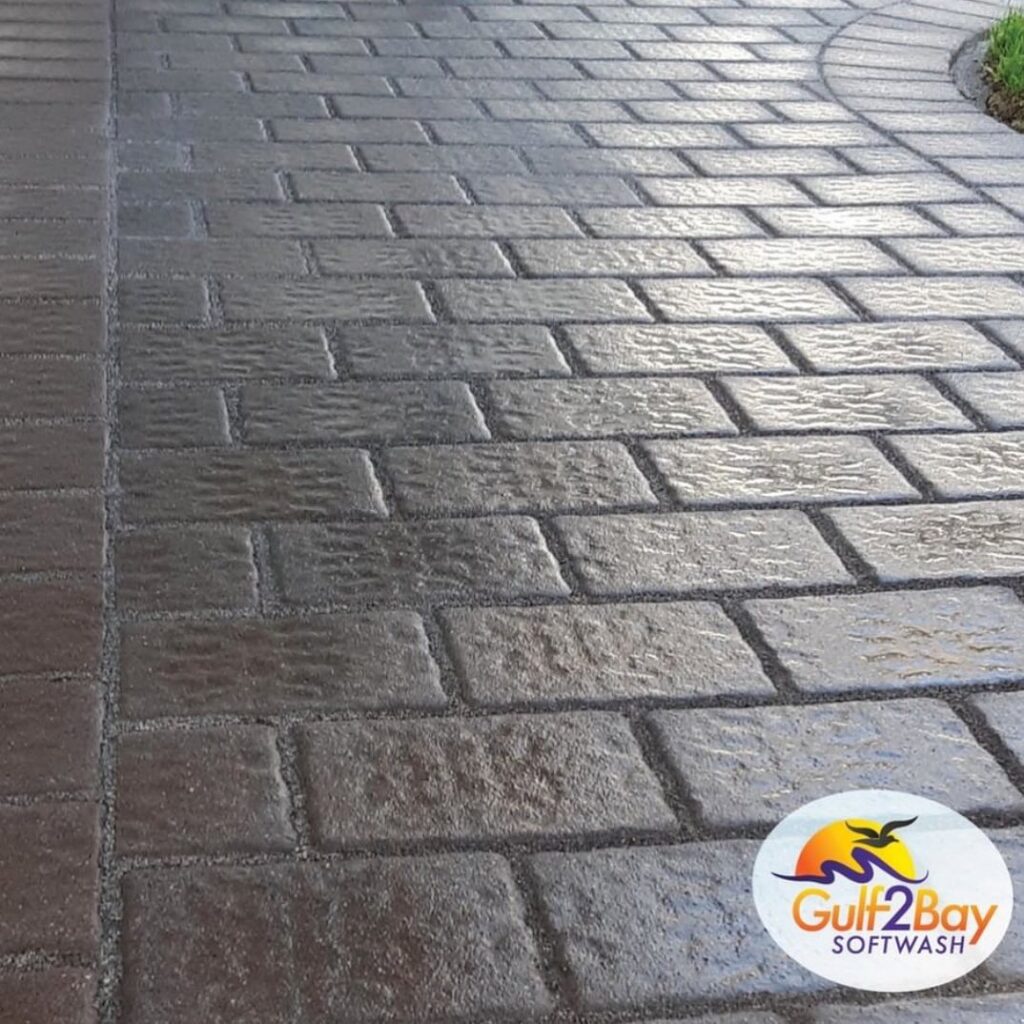
Sealing pavers locks in the results of cleaning by forming a durable barrier against contaminants and environmental damage.
How Does Sealing Protect and Enhance Pavers?
Sealing creates a hydrophobic layer that repels waterborne stains and reduces UV-induced fading. Color-enhancing sealers intensify natural hues and textures, while penetrating sealers preserve slip resistance. This protection simplifies future cleaning and maintains aesthetics for years.
The Benefits of Paver Sealing for Longevity and Aesthetics
Paver sealing creates a protective barrier that extends the lifespan of pavers by safeguarding against erosion, weathering, and stains. It also enhances their aesthetic appeal by intensifying color and luster, while making surfaces easier to clean and maintain. Regular sealing can significantly reduce long-term repair costs; much like professional deck restoration, it helps prevent issues like efflorescence and structural decay.
What Types of Paver Sealers Are Available?
| Sealer Type | Appearance | Protective Traits |
|---|---|---|
| Wet-Look Sealer | Glossy Finish | Intensifies color, repels waterborne oil |
| Natural-Look Sealer | Matte Finish | Preserves original texture, UV shield |
| Penetrating Sealer | Invisible | Maintains traction, deep moisture barrier |
Selecting the right sealer aligns with design goals, safety requirements, and maintenance schedules.
What Is the Professional Paver Sealing Process?
Experts begin by ensuring pavers are fully dry and free of residual cleaner. Sealant is applied evenly with specialized sprayers or rollers, ensuring uniform coverage across joints and surfaces. After a short curing period, a second coat locks in protection. This systematic approach guarantees longevity and consistent appearance.
How Much Does Professional Paver Cleaning and Sealing Cost?
Investing in professional service delivers a cost-effective balance of performance, time savings, and durable results.
What Factors Influence Paver Cleaning and Sealing Prices?
Pricing varies by square footage, stain complexity, equipment requirements, and sealer type. Deep-set oil or rust removal demands specialized chemicals and longer labor, while high-end decorative sealers carry premium material costs.
How Do DIY Costs Compare to Professional Services?
DIY cleaning supplies and equipment rentals average $100–$200 per session but carry risk of improper application and surface damage. Professional packages typically range from $0.50 to $2.00 per square foot, including staining, joint stabilization, and a manufacturer-backed warranty on sealant performance.
When Should You Hire Professionals for Paver Cleaning and Sealing?
Homeowners benefit most from expert intervention for large areas, intricate patterns, or severe staining. Professionals ensure correct pressure settings, chemical concentrations, and sealer compatibility—safeguarding long-term beauty and structural integrity.
Maintaining clean, sealed pavers not only revitalizes outdoor spaces but also preserves property value and reduces long-term upkeep. Partner with a trusted pressure washing service to experience efficient restoration, protective sealing, and the lasting beauty your home deserves. Please contact us today to certified paver cleaning specialist today to schedule an inspection and free estimate.