Coastal sun and salt spray will soon strip the dark tones from dense Brazilian hardwood. A common power washer will ruin these premium decks by raising the grain. Low-pressure soft washing and expert oils restore ipe deck beauty the right way.
The best way to restore ipe deck surfaces is a specific soft wash process under 100 PSI to kill mold without wearing down the dense fibers. Common pressure washing uses more than 800 PSI, which is enough force to cause lasting scars and fuzzy grain on premium hardwoods. My expert method combines safe cleaners with a brightener to open the wood pores before applying a deep-soaking Brazilian Rosewood Oil. According to research from Oregon State University, Ipe is prized because it stops rot and bugs. However, it still needs regular care to withstand the harsh sun and salt spray found on Long Island coastal properties. This deep approach ensures your deck stays strong and looks great for years.
Understanding the unique makeup of exotic hardwoods is the only way to avoid mistakes that ruin luxury decks. You cannot treat these woods like common pine or cedar. Here is what sets it apart.
Restore Ipe Deck: Why Is Ipe Deck Restoration Different From Standard Deck Cleaning?
Ipe deck restoration is much more than a simple wash. Most people treat every wood deck the same way. They use high pressure and basic soap. This works for pine but can ruin a premium Ipe deck. Ipe is a unique wood that needs a focused plan. To keep your deck in top shape, you must use methods that match its strength.
Ipe Deck Takeaway: Ipe wood is so dense that standard stains cannot soak in. High-pressure washing causes splinters and ruins the wood grain. Proper care uses low-pressure soft washing and deep oils to protect the wood from the inside out.
Call (631) 557-5484 today to schedule your free Ipe deck restoration assessment!
Ipe Wood Density and Strength
Ipe is a very tough wood that comes from the heart of the tree. It is so hard that it resists bugs and rot. Research from Oregon State University shows that Ipe has a great fame for strength in outdoor uses. This wood resists fungal and termite attacks. It is so dense that it is often compared to concrete or steel.
This density is a double-edged sword. It makes the deck last for a long time, but it also makes it hard to clean. Wood faces decay when left out in the salt air and wet weather of Long Island. Without the right care, even the strongest wood can start to break down. You need a plan for professional deck restoration that fits the wood’s unique traits.
Risks of High-Pressure Cleaning
Many cleaners make the mistake of using too much power. They think a hard wood needs hard pressure. This is not true. Ipe decks need expert, low-pressure care to avoid damage to the wood fibers. Standard pressure washing causes erosion that makes the wood look fuzzy. Once the wood is fuzzy, it can start to splinter. These splinters are a major risk for anyone on the deck.
A soft wash method with very low pressure keeps the grain safe while killing mold and moss. This keeps the grain safe while killing mold and moss. This method is much safer for the wood than blasting it with water. It keeps the wood surface smooth and ready for a new coat of oil. This is the best way to start your Ipe deck restoration project.
The Rapid Graying Process
All wood decks face damage from the sun. Ipe wood starts to turn gray as soon as it is out in the sun. This change happens fast as the sun breaks down the natural oils. In the Hamptons, the salt air makes this graying even worse. A standard cleaning might remove dirt, but it will not bring back the color. You need more than just a wash to fix the look of the wood.
Because Ipe is so tight, standard stains just sit on top. They do not soak in, so they peel off in a few months. This leaves your deck looking blotchy and weak. You must use a deep oil like Brazilian Rosewood Oil. This oil goes into the wood pores to feed the wood. It keeps the wood from drying out and maintains a luxury look for a long time.
What Does It Take To Restore An Ipe Deck?
Restoring a hardwood deck takes more than a simple spray and wipe. Ipe is dense and naturally resistant to rot, but it still needs the right care to look its best. A full restoration brings back the deep brown color. It also protects the wood from UV damage and coastal salt spray.
Prep and Deep Cleaning
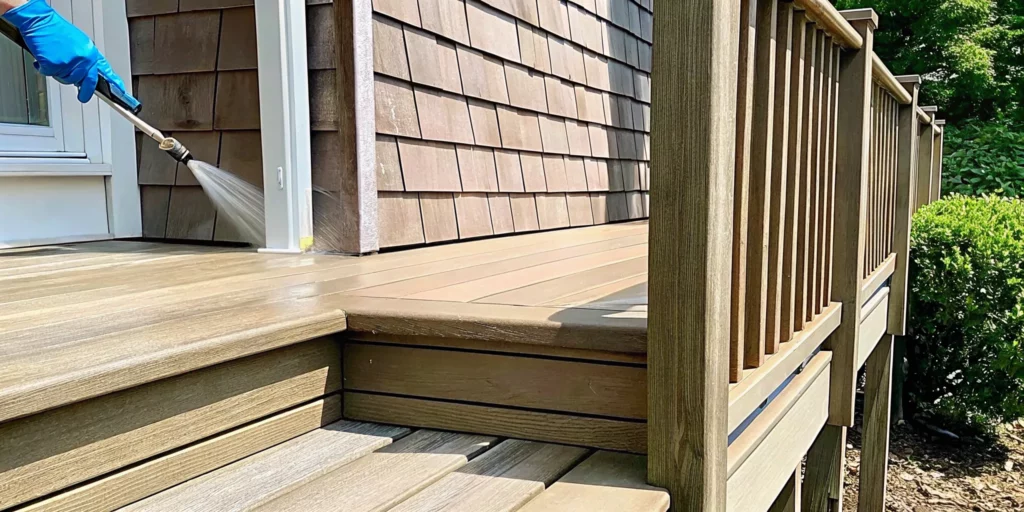
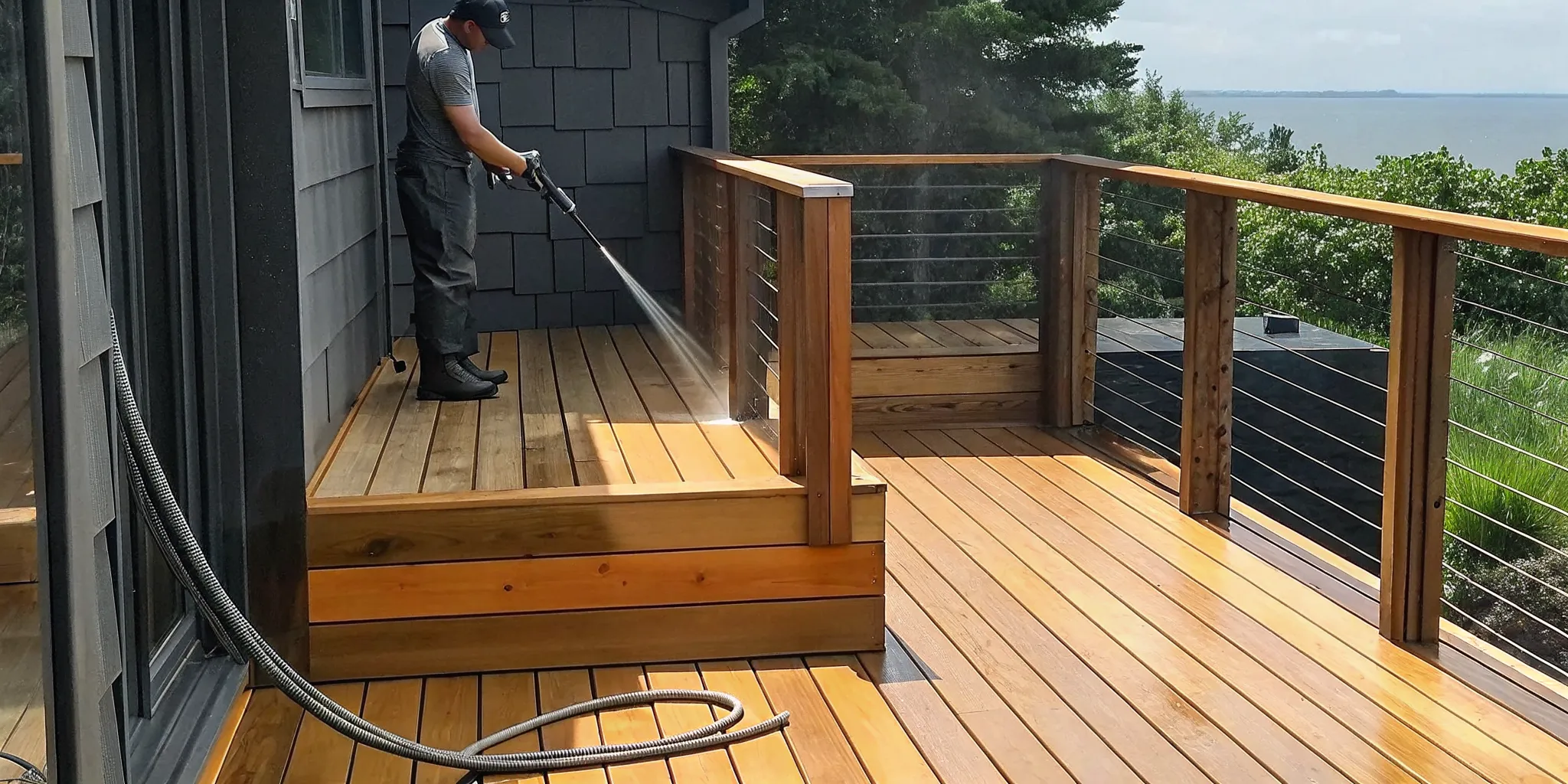
Every project starts with a professional soft wash. Low-pressure spray under 100 PSI applies safe cleaners. These kill mold, mildew, and algae at the root. This method is much safer than high-pressure washing, which can hurt the wood. These eco-friendly cleaning solutions meet EPA rules and break down within 20 days.
After the first clean, a brightener like oxalic acid is applied. This step is key because it balances the pH of the wood and opens the pores. It helps the oil treatment soak deep into the dense wood. You must let the deck dry for at least 48 hours before you add the oil.
Surface Smoothing and Protection
Once the wood is dry, the surface is sanded with 60 to 80 grit sandpaper. This removes any rough fibers from the cleaning. It ensures a smooth finish. Sanding also opens the grain so the wood can take the oil. The dust is cleared away before the finish is applied.
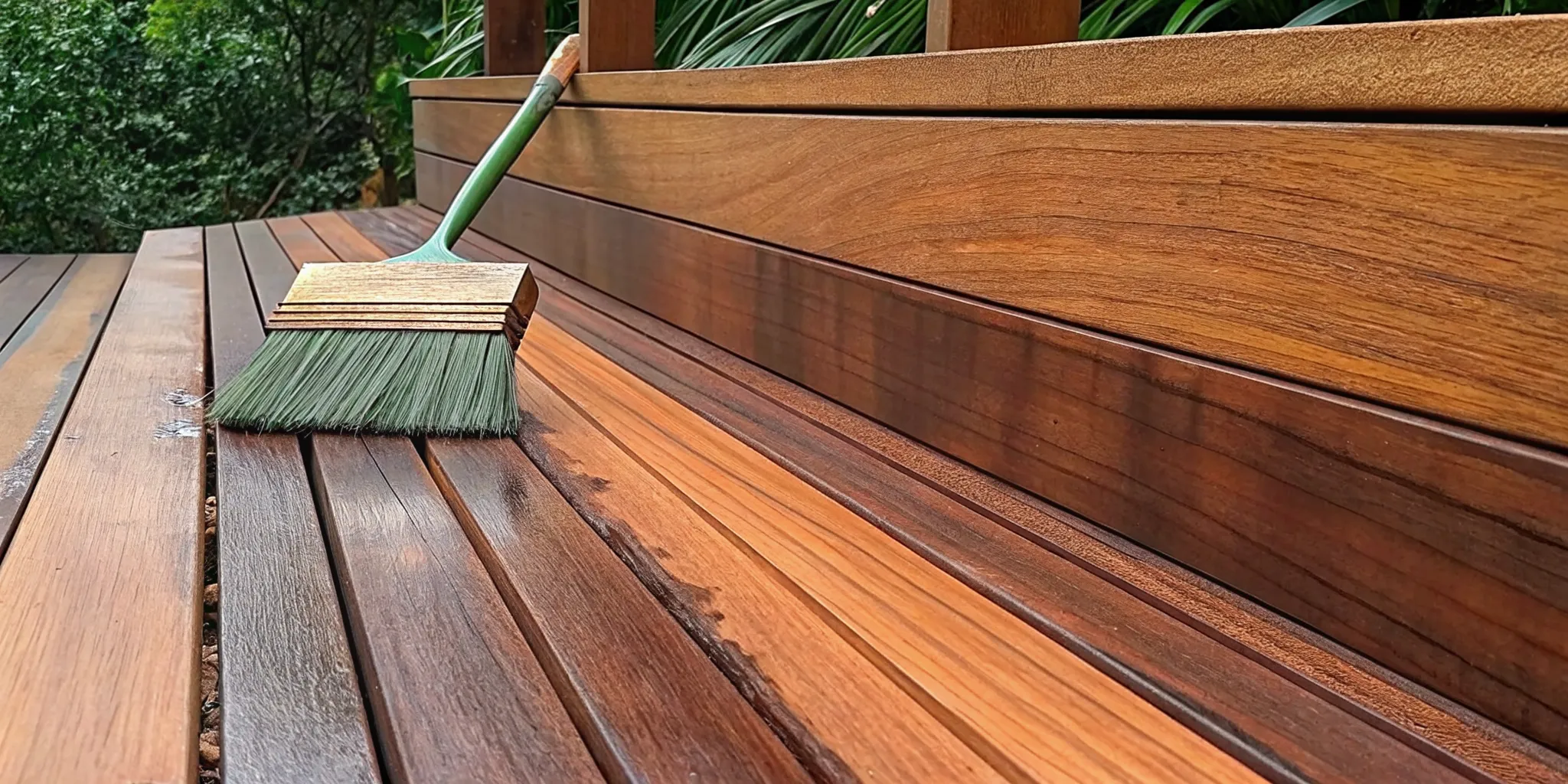
The final step is to apply a high-quality Brazilian Rosewood Oil. This is a penetrating finish that gives protection from within the wood. The oil is applied and the extra is wiped off after 30 minutes. This keeps the surface from being sticky as it dries.
- Soft wash the surface: Use low pressure and safe cleaners to kill all growth without harming the wood grain.
- Apply wood brightener: Use a pH-balanced mix to open the pores and neutralize the cleaners from the first step.
- Dry for 48 hours: The wood must be dry to ensure the oil can soak into the dense structure of the Ipe.
- Sand the deck: Use a 60-80 grit sander to smooth the wood and prep the grain for the oil.
- Apply Brazilian Rosewood Oil: Use a brush or pad to work the oil into the wood for deep, lasting protection.
- Wipe extra oil: Remove any oil that does not soak in after 30 minutes to prevent a sticky film.
Natural heartwood like Ipe is very resistant to fungi and termite attack. This is shown in research from Oregon State University. But regular care is still needed to keep it from turning gray. Professional deck cleaning vs deck restoration is often the choice between a quick wash and a total renewal.
Why Brazilian Rosewood Oil Works Best For Ipe
Ipe is one of the densest woods on the planet. Its grain is so tight that it can sink in water. This density makes it hard to treat. Most store-bought sealers sit on top of the wood. They form a film that will peel and flake within months. You must use a penetrating finish like Brazilian Rosewood Oil to restore ipe deck surfaces the right way.
Penetrating oil versus film sealers
Film-forming sealers act like paint. They create a plastic layer on the wood. Since Ipe is so dense, the sealer cannot grab hold. Sun and rain quickly break this bond. You end up with a mess of peeling strips. Brazilian Rosewood Oil works in a new way. It soaks into the pores of the wood. It feeds the fibers from the inside. This prevents the wood from drying out or cracking.
Naturally tough heartwood like Ipe has high resistance to fungi and rot. Research from Oregon State University shows that these woods last longest when their natural oils are safe. A penetrating oil adds to this defense. It does not trap wetness under a film. Instead, it lets the wood breathe while keeping water out.
Correct steps to apply oil
How you apply the oil is as vital as the oil itself. A brush or sprayer coats the wood. You must let it sit for about 30 minutes. This gives the oil time to dive deep into the pores. After 30 minutes, you must wipe off the extra oil. If you leave puddles, the deck will stay sticky. A clean wipe ensures a smooth look that won’t track into your home.
Timing matters for a result that lasts. You should re-apply the oil every one to two years. Coastal homes in the Hamptons or Bay Shore need more care. Salt air and heavy sun wear down the finish fast. Keeping up with Ipe deck maintenance saves you from a full sanding job later. It keeps the rich, dark brown color looking new year after year.
How Do Coastal Seasons Affect Your Ipe Deck?
Ipe heartwood is famous for its strength, but even the toughest wood faces tests on Long Island. Coastal air carries salt and moisture that can lead to mold. While Ipe resists rot and bugs, salt spray from the Atlantic can trap water on the surface. You must rinse your deck with fresh water after big storms to stop salt buildup.
Protecting Ipe from Summer UV Rays
The sun is the biggest threat to your deck color. UV rays break down wood fibers fast. Most wood starts to turn gray within 200 hours of sun exposure. For a south-facing deck, you may need to restore ipe deck finish every year. I apply a fresh coat of Brazilian Rosewood Oil in late spring to give your wood the best shield for the hot months.
Preparing for Winter and Freezing Temps
Winter prep is about keeping the wood dry and clean. Wet leaves and debris trap water against the grain. This can cause biological degradation over time. Clear all dirt and leaves before the first freeze. I check the oil seal in late fall. If water no longer beads on the surface, your deck needs a new coat of oil to block winter moisture from soaking in.
Managing Salt Spray and Humidity
High humidity and salt spray create a harsh setting for any exterior wood. Salt can pull moisture into the wood or leave a film that makes the surface dull. I recommend an annual cleaning as part of your exterior cleaning services plan. Regular soft washing kills mold at the root without the high pressure that damages dense Ipe fibers.
Can Power Washing Damage Your Ipe Deck?
Ipe is a tough wood. It resists rot and bugs better than most. But even this hard wood can fail if you treat it wrong. Many people think high pressure is the best way to clean a deck. This is a big mistake. Standard pressure washing often leads to lasting damage. Low-pressure methods keep your wood safe while getting it clean.
High pressure and fuzzy grain
Using too much force will ruin your deck. Pressure over 800 PSI is too much for Ipe. It tears the wood fibers apart. This creates a fuzzy look on the surface. These loose fibers soon turn into splinters. You can’t just wash this away. You would have to sand the whole deck to fix the wood. My soft wash system uses less than 100 PSI to avoid this mess. It cleans deep without any risk to your boards.
Soft washing is the only way to kill mold at the root. Standard pressure just moves the dirt around. This method keeps your deck clean for a long time. In fact, professional deck restoration with soft washing lasts four to six times longer than old ways. This saves you money and keeps your wood strong for years.
The 48 hour drying rule
Water is the enemy of a good finish. You must let the wood dry fully before you add any oil. Wait at least 48 hours. If the wood is still damp, the oil will not sink in. It will sit on top and turn into a sticky mess. This traps dirt and makes the wood look black. A moisture meter checks every board to make sure it is dry. Only then can the oiling step start.
Film forming vs penetrating oils
Most store stains do not work on Ipe. This wood is very dense. Most stains sit on the surface like a thin film. Sun and salt air make this film peel off in just a few months. Only high-quality oils that soak in are used on Ipe. Brazilian Rosewood Oil works best because it is a penetrating finish. It goes deep into the wood pores to give real care. This keeps the wood from drying out or cracking under the sun.
Coastal homes face hard weather every day. Salt and sun can break down even the best wood. Research shows that wood is at risk for decay in wet areas. My process stops this decay before it starts. Call me at (631) 557-5484 to set up a visit. I will show you how to restore your Ipe deck and get it back to its best look.
Professional Restoration Vs. DIY: What Is The Better Choice?
You may think about cleaning your own deck to save some cash. But Ipe is not like pine or cedar. It is a dense wood that needs expert care to stay in good shape.
If you use the wrong tools, you can ruin the wood in one day. Standard power washing often leaves scars on these hard boards. Choosing between a DIY job and hiring a pro depends on how long you want the results to last. My expert way keeps your deck looking new for years, not months.
Comparing DIY and Expert Care
Most store-bought goods fail on Ipe. They do not soak into the tight grain. Instead, they sit on top and peel off in months.
My way uses goods made for tough wood that last much longer. These oils soak deep into the grain to feed the wood. Here is how my expert work stacks up against a DIY job.
| Feature | DIY Approach | Gulf2Bay Professional |
|---|---|---|
| Cleaning Method | High-pressure washing | Low-pressure soft wash |
| Product Choice | Generic store sealer | Brazilian Rosewood Oil |
| Surface Prep | Basic rinsing | Chemical brightening |
| Drying Time | Guessed by eye | Strict 48-hour window |
| Warranty | None | 5-year warranty |
| Lifespan | 6-12 months | Long-term protection |
Why Expert Prep Is Key
The prep work is the most key part of the job. I use deck cleaning vs deck restoration ways that go deep into the wood. A plain wash leaves mold behind. This mold grows under your new oil and turns the wood black.
My soft wash kills mold at the root so your deck stays clean for a long time.
Wood is a real thing that breaks down in the sun and rain. In beach towns like the Hamptons, salt spray makes this worse. I use a chemical step to fix the pH of the wood after washing it. Ipe is very acidic by nature. If the pH is off, the oil will not bond to the wood.
Opening the Grain
My brightening wash brings the wood back to a neutral state. This also opens the pores of the dense grain. This step is why my work lasts much longer than a DIY job. You need the right mix of tools and chemicals to get the job done right.
The clock is watched closely. You must wait at least 48 hours after washing before you put oil on the wood. If the wood is still damp, the oil will trap water inside. This leads to rot and wood failure.
The wood is checked for dry spots before oiling starts. This care supports a 5-year warranty on every job.
Stop wasting time on fixes that do not work. The result is a deck that looks great and lasts for years.
Schedule a check with me today to see what an expert can do for your home. Call me at (631) 557-5484 to start your project.
Frequently Asked Questions
How do you restore a greyed Ipe deck?
To restore greyed Ipe, you must clean the surface with low-pressure soft washing to kill organic growth. Follow this with an oxalic acid brightener to open the wood pores and balance pH. Finally, apply a penetrating finish like Brazilian Rosewood Oil. This specific oil soaks into the dense grain to provide deep nourishment. According to Oregon State University, Ipe heartwood is naturally resistant to decay but requires proper care to maintain its appearance.
Can you sand Ipe wood decks?
Yes, you can sand Ipe decks to remove deep stains or smooth the grain. Use 60 to 80 grit sandpaper for the best results. Ipe is a very dense hardwood, so it wears down sanding discs quickly. Sanding creates a fresh surface that allows penetrating oils to bond better with the wood. Always sand in the direction of the grain to avoid visible marks. After sanding, you must remove all dust before applying any finish to ensure a clean and professional look.
What is the best finish for an Ipe deck?
The best finish is a penetrating oil-based treatment like Brazilian Rosewood Oil. Standard water-based stains often sit on top of dense Ipe and will peel within months. Penetrating oils soak into the wood fibers to protect against sun and salt. This is vital for Ipe deck maintenance on Long Island coastal properties. These oils do not form a film on the surface. This prevents the cracking and peeling common with cheaper sealers or thick outdoor paints.
Should you power wash an Ipe deck?
You should never use high-pressure power washing on Ipe. High pressure above 800 PSI can gouge the wood and cause fuzzy fibers or splinters. Instead, use soft washing with less than 100 PSI. This method uses specialized cleaners to kill mold and mildew at the root. Soft washing is safer for the wood and keeps the surface clean for much longer than traditional pressure washing. It protects the structural integrity of your high-end hardwood while delivering a deeper clean without the risk of damage.
How often does an Ipe deck need restoration?
Most Ipe decks need a maintenance oil coat every one to two years. Coastal properties in the Hamptons may require more frequent care due to intense sun and salt spray. Annual soft washing helps remove salt and prevents mold buildup between oiling cycles. Regular care keeps the wood from turning grey and maintains its rich brown color. Consistent professional deck restoration prevents long-term damage and ensures your deck remains a beautiful part of your home for many decades.
Ready to schedule your Ipe deck restoration?
Leaving your Ipe deck alone in the Long Island sun and salt air will turn the wood gray and cause deep cracks in the grain. You must act now with an expert soft wash to stop this damage before the hardwood becomes brittle and prone to rot from coastal weather. Booking your service today makes sure your deck is safe with Brazilian Rosewood Oil and fully ready for use as soon as warm summer arrives.
Ready to restore your Ipe deck today? Call me at (631) 557-5484 to schedule a free on-site check for your Ipe deck restoration. I will get your wood safe and ready for the next warm summer season. I am ready to help you save your deck from the elements right now.