Are you tired of pulling stubborn weeds from the cracks in your patio? Do you cringe at the oil stain on your driveway or notice your walkway’s color looking faded and dull? These common frustrations can make even the most beautiful hardscaping feel like a chore. Paver sealing is often presented as the ultimate solution, promising a clean, vibrant, and low-maintenance surface. While it can deliver on those promises, it’s not a magic fix for every situation. To decide if it’s the right path for you, it’s essential to weigh the sealing pavers pros and cons. This article will explore how sealing works, the protection it offers, and the long-term commitment it requires, giving you a clear picture of what to expect.
A SUPERIOR CLEAN
Ready to Refresh
Your Property?
Gulf2Bay Softwash provides safe, eco-friendly exterior cleaning services that remove dirt, mold, mildew, and algae while protecting your home or business.
Key Takeaways
- Sealing preserves your investment: A quality sealer acts as a protective barrier against stains, sun damage, and weed growth, which extends the life of your pavers and makes routine cleaning much simpler.
- Proper prep is non-negotiable: Pavers must be completely clean and dry before application. Sealing over dirt or moisture traps them underneath, which can cause a cloudy finish and prevent the sealer from bonding correctly.
- The right sealer affects appearance and safety: The product you choose determines the final look, from a natural matte finish to a vibrant gloss. It’s important to balance your style with practical needs, as high-gloss options can become slippery when wet.
How Does Paver Sealer Work?
Think of paver sealer as a protective shield for your patio, walkway, or driveway. It’s a liquid coating applied to surfaces like concrete, brick, or stone to guard against the elements and daily wear. The sealer works by either soaking into the paver’s porous surface or by forming a thin film on top. This creates a barrier that stops water, oil, and dirt from getting in, which helps prevent stains and damage. This simple step can make a huge difference in how your pavers look and how long they last.
What Sealant Does for Your Pavers
A quality sealant does more than just sit on the surface; it actively improves your pavers. By creating a barrier against moisture and oil, it helps prevent stubborn stains. It also offers crucial protection from the sun’s UV rays, which can cause paver colors to fade. Many sealers even enhance the colors, making them look richer and deeper. Another great benefit is that sealant helps lock the sand between your paver joints. This joint stabilization makes it much harder for weeds to grow, keeping your hardscapes looking clean with less effort.
Common Types of Paver Sealers
When you start looking at sealers, you’ll find two main categories: solvent-based and water-based. Solvent-based sealers are known for their strength. They penetrate deep into the paver to provide excellent protection against oil, grease, and sun damage, making them a great choice for driveways. They typically leave a glossy finish but have a strong odor during application. Water-based sealers, on the other hand, are more eco-friendly and have a much milder scent. They offer a more natural or low-sheen finish and are perfect for patios and walkways where you want less of a “wet look.”
Water-Based vs. Solvent-Based Options
Choosing between a water-based and solvent-based sealer comes down to your priorities. Water-based sealers are a fantastic, environmentally friendly option. They soak into the paver surface effectively and are easier to clean up. Because of their low odor, they are ideal for residential patios and pool decks. We often recommend eco-friendly products for this reason. Solvent-based sealers are the heavy-hitters, offering superior durability and stain resistance, especially for oil and grease. This makes them the go-to for high-traffic driveways or commercial spaces, though they require more care during application due to their strong fumes.
The Benefits of Sealing Pavers
If you’re wondering whether sealing your pavers is worth the effort, the simple answer is yes. Think of sealant as a protective shield for your investment. It goes far beyond just making your patio or walkway look nice; it’s a crucial maintenance step that defends against stains, weeds, and weather damage, ultimately saving you time and money on future repairs. Let’s walk through the key advantages of sealing your pavers.
Enhance Color and Curb Appeal
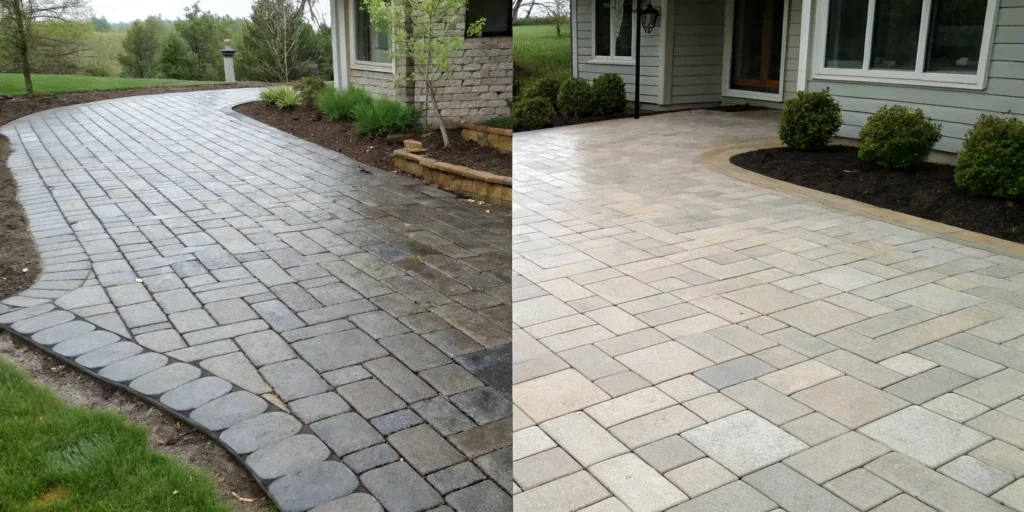
One of the most immediate benefits you’ll notice after sealing is how it revitalizes your pavers’ appearance. A quality sealer can deepen and enrich the natural colors of the stone, making them look as vibrant as the day they were installed. This effect can transform a dull, weathered patio into a stunning focal point of your outdoor living space. Whether you have a winding walkway or an expansive driveway, enhancing its color gives your entire property a fresh, polished look and a serious boost in curb appeal. It’s a simple step that makes a huge visual impact.
Protect from Stains, Moisture, and UV Rays
Your pavers face a daily barrage of potential stains from things like spilled drinks, oil drips, and fallen leaves. A sealer creates an invisible barrier on the surface, preventing these substances from soaking in and causing permanent discoloration. It also provides critical protection against moisture penetration, which can lead to damage during New York’s freeze-thaw cycles. Furthermore, sealant with UV resistance acts like sunscreen for your pavers, preventing the sun’s harsh rays from fading their beautiful colors over time. Our professional paver cleaning and sealing service ensures this protective layer is applied correctly for maximum defense.
Prevent Weed and Moss Growth
Are you tired of constantly pulling weeds from the cracks between your pavers? Sealing can be a game-changer. When applied, the sealer soaks into the joint sand, hardening it and locking it into place. This stabilized sand creates a solid barrier that makes it incredibly difficult for weeds, moss, and algae to take root. Not only does this keep your paved surfaces looking clean and uniform, but it also saves you from the tedious task of weeding. You get to spend more time enjoying your beautiful patio and less time maintaining it.
Simplify Cleaning and Maintenance
Because a sealed surface repels stains and organic growth, cleaning becomes much easier. Dirt, grime, and spills tend to sit on top of the sealed paver instead of penetrating it, allowing you to simply sweep or rinse them away. This protective layer means you won’t have to resort to harsh scrubbing or aggressive pressure washing that could damage the pavers themselves. Regular maintenance becomes a quick and simple task, and you can feel confident using our gentle, eco-friendly cleaning products to keep everything looking pristine without harming your landscaping or the environment.
Extend the Life of Your Pavers
Sealing is one of the best things you can do to protect your hardscape investment for the long haul. By shielding your pavers from moisture, UV damage, stains, and the physical pressure that causes erosion, a sealer significantly slows down the aging process. It helps prevent cracking, chipping, and fading, ensuring your patio, walkway, or driveway remains structurally sound and beautiful for many more years. Think of it as a small, proactive step that pays off by helping you avoid costly replacements down the road and preserving the value of your property.
What to Consider Before Sealing
Sealing your pavers is a fantastic way to protect your investment and keep your outdoor spaces looking sharp. But before you jump in, it’s smart to think through a few key points. Sealing is a commitment, not just a one-time task, and knowing what to expect will help you make the best choice for your property. From the long-term costs to the application process itself, a little bit of planning goes a long way. Taking these factors into account ensures you get all the benefits of a beautifully sealed surface without any surprises down the road.
The Cost of Application and Upkeep
Sealing your pavers isn’t a “set it and forget it” project. To keep them protected and looking their best, you’ll need to reapply the sealer every few years. Most professionals recommend resealing every three to five years, depending on factors like foot traffic, weather exposure, and the type of sealer used. Thinner sealers might break down faster, requiring more frequent attention. When you’re budgeting for this project, remember to account for both the initial application and the ongoing maintenance. Getting a professional quote can give you a clear picture of the upfront cost, helping you plan for future upkeep.
Understanding the Risk of Slippery Surfaces
Safety first, always. It’s important to know that some sealers, especially those that create a high-gloss or “wet” look, can make your pavers slippery when they get wet. This can be a real concern for pool decks, walkways, and any areas that see a lot of rain. The good news is that you have options. There are many types of sealers available, including eco-friendly products with anti-slip additives. When you work with a professional, they can guide you to the right choice for your specific needs, ensuring your pavers are both beautiful and safe to walk on.
How to Avoid Trapping Moisture
One of the biggest mistakes you can make is sealing pavers that aren’t completely dry. If moisture gets trapped between the paver and the sealer, it can lead to a cloudy, white haze called efflorescence. This happens when natural salts and minerals from the pavers are drawn to the surface and can’t escape. To prevent this, it’s crucial that your pavers are thoroughly cleaned and given ample time to dry out before any sealer is applied. A professional paver cleaning ensures all dirt, grime, and potential moisture issues are handled correctly from the start.
Know That Sealer Isn’t a Structural Fix
A good sealer can do a lot, but it can’t work miracles. It’s a protective topcoat, not a solution for underlying structural problems. If your pavers are uneven, cracked, or sitting on an unstable base, sealing them won’t fix those issues. Sealer can help improve water runoff and prevent water from seeping into the joints, but it won’t correct poor drainage or a faulty foundation. If you have significant structural concerns, it’s best to address them first. Services like masonry contracting can resolve these foundational problems before you invest in sealing the surface.
How Sealing Changes Your Pavers’ Appearance
Sealing your pavers does more than just protect them; it can completely transform their look. This is one of the most exciting parts of the process, but it’s also where you have some key decisions to make. The final appearance depends on the type of sealer you choose and the pavers you have. Think of it as the finishing touch that defines the character of your outdoor space. From a deep, rich “wet look” that makes colors pop to a subtle natural finish that’s all about understated elegance, the right sealer can bring out the best in your patio, walkway, or driveway. It’s not just a one-size-fits-all solution. The sealer that looks stunning on your neighbor’s brick patio might not be the best choice for your natural stone walkway. Understanding the different visual effects is the first step to making a choice you’ll love for years to come. Let’s walk through the different finishes, from wet vs. natural to matte vs. gloss, and see how they can change your pavers’ appearance.
Wet Look vs. Natural Finish
One of the most popular effects of sealing is the “wet look.” This type of sealer deepens and enriches the colors of your pavers, making them look vibrant and saturated, similar to how they appear right after it rains. It’s a fantastic choice if you want to make the natural beauty of the stone pop. On the other hand, you might prefer a more understated look. A natural finish sealer provides all the protection without significantly changing the color or appearance. It creates an invisible shield, preserving the original, dry look of your pavers while still guarding against stains and moisture. The choice really comes down to your personal style and the aesthetic you want for your outdoor space.
Matte vs. Gloss Sealers
Beyond the color saturation, you’ll also need to choose between a matte or gloss finish. A gloss sealer provides a shiny, reflective surface that can look very sleek and polished. However, it’s important to consider safety. A high-gloss finish can become slippery when wet, which might not be ideal for pool decks or high-traffic walkways. A matte sealer, in contrast, offers excellent protection with a non-shiny finish that preserves the natural texture and grip of your pavers. It’s a great all-around option that delivers durability without compromising safety. Our team can help you select the right finish based on your property’s specific needs and our range of eco-friendly cleaning and sealing products.
Color Changes by Paver Type
The final look also depends heavily on the type of pavers you have. Different materials, like concrete, brick, or natural stone, absorb sealer differently. Some sealers can darken the pavers or slightly alter their natural hue. This is why a professional application is so important; an uneven coat can lead to blotchy, inconsistent color. The good news is that a quality sealer also protects your pavers from the sun’s UV rays, which helps prevent the color from fading over time. To ensure you get the beautiful, uniform finish you’re hoping for, it’s always a good idea to get a professional quote and discuss the best options for your specific paver type.
When and How to Seal Your Pavers
Timing is everything, and that’s especially true when it comes to sealing your pavers. Applying sealer at the wrong time or in the wrong conditions can trap moisture, create a cloudy finish, or fail to bond correctly, leaving your pavers unprotected. Getting the timing and process right is the key to a beautiful, long-lasting finish that protects your investment. It’s about creating a durable, protective layer that will stand up to foot traffic, weather, and time.
The entire process, from the initial waiting period for new pavers to the long-term maintenance plan, requires careful attention. While it might seem like a lot to manage, breaking it down into clear steps makes it much more approachable. Understanding when to seal, when to reseal, and what conditions are best will ensure you get the results you’re looking for. Of course, if you want to take the guesswork out of it, a professional paver cleaning and sealing service handles all these details for you.
Sealing New Pavers: The Waiting Period
You just had beautiful new pavers installed, and you’re eager to protect them. I get it! But this is a case where patience is truly a virtue. It’s essential to wait 60 to 90 days after installation before applying the first coat of sealer. This waiting period allows any moisture from the installation process to evaporate. It also lets a natural process called efflorescence occur. That’s the white, chalky haze you might see appear on the surface. It’s just mineral salts coming out of the pavers, and you need to let them escape and be cleaned off before you seal. Sealing too soon will trap that moisture and haze underneath, creating a cloudy look that’s difficult to fix.
Know When It’s Time to Reseal
So, how do you know when your existing sealed pavers need a fresh coat? As a general rule, you should plan to reseal your pavers every 3 to 5 years to maintain the protective qualities. The exact timing depends on factors like foot traffic, exposure to the elements, and the type of sealer originally used. Pavers in a high-traffic driveway will likely need attention sooner than a quiet garden path. A simple way to check is to splash a little water on the surface. If the water beads up nicely, your sealer is still doing its job. If the water soaks in and darkens the paver, it’s a clear sign that it’s time to reseal.
Choose the Right Day for Sealing
You’ve prepped your pavers and you’re ready to apply the sealer, but first, check the weather forecast. The ideal conditions for sealing are mild and dry. Avoid applying sealer in the direct, intense heat of a summer afternoon, as it can cause the product to dry too quickly on the surface without properly penetrating and bonding to the paver. On the other hand, you also want to avoid cool, damp days, which can trap moisture and prevent the sealer from curing correctly. Look for a day with moderate temperatures and no rain in the forecast for at least 24 hours to ensure the sealer has ample time to set.
Plan for Regular Reapplication
Think of paver sealing as part of your home’s regular maintenance schedule, not a one-time project. Once you seal your pavers, you’ve committed to a cycle of reapplication to keep them looking their best. The frequency will vary based on the paver material and the specific sealer you use, but it’s an important step in protecting your investment for the long haul. Using high-quality, eco-friendly products can also influence performance and longevity. Staying on top of this simple task prevents stains, weeds, and weather damage from taking a toll on your beautiful hardscaping.
How to Prepare Your Pavers for Sealing
Proper preparation is the secret to a paver sealing job that looks professional and lasts for years. Think of it like painting a room; you wouldn’t just slap a new color over dirty, cracked walls. The same principle applies here. Taking the time to prep your patio, walkway, or driveway ensures the sealer adheres correctly and gives you that flawless finish you’re looking for. Rushing this stage can trap dirt, moisture, and stains, leading to a cloudy appearance or premature peeling.
Following a few key steps will set you up for success. You’ll need to start with a completely clean surface, inspect for any issues like damage or salt deposits, and choose a sealer that’s right for your specific pavers. It’s also wise to consider eco-friendly products and always, always do a small test patch first. Getting these details right beforehand will save you from headaches later and make sure your investment in sealing truly pays off.
Clean and Dry Your Pavers Completely
You can’t seal over dirt. The first and most important step is to get your pavers completely clean. Any lingering dirt, grime, or mildew will get trapped under the sealer, ruining the look and preventing a strong bond. While a pressure washer can work, it’s important to be gentle to avoid damaging the pavers or joint sand. A professional soft wash cleaning is often the safest and most effective method.
Once they’re clean, your pavers must be bone dry. Sealing over even a slightly damp surface can trap moisture, which often results in a cloudy, hazy finish that won’t go away. Depending on the humidity and sun exposure, you should wait at least 24 to 48 hours after cleaning before you even think about applying sealer.
Inspect for Damage and Efflorescence
With your pavers clean, take a walk around and inspect them closely. Look for any cracked or broken pavers that need to be replaced and any that have settled unevenly. It’s best to make these repairs before sealing. You should also check for efflorescence, which looks like a white, powdery film on the surface. This is just salt migrating out of the pavers, but it needs to be cleaned off.
If you seal over efflorescence, you’ll trap that white haze permanently. You can typically remove it with a stiff brush and a specialized cleaner. Addressing these small issues is a key part of our comprehensive service, ensuring a perfect canvas before any sealant is applied.
Choose the Right Sealer for Your Pavers
Not all sealers are created equal, and the right one for you depends on your paver material. Concrete, brick, and natural stone each have different levels of porosity, meaning they absorb sealer differently. Using the wrong type can lead to a blotchy finish or inadequate protection. You also have a choice in the final look, from high-gloss and “wet look” finishes that deepen colors to matte sealers that offer a more natural appearance.
We use high-quality, joint stabilizing sealers that not only protect the paver surface but also harden the sand between the joints. This helps lock everything in place and reduces weed growth and insect issues, giving you a more durable and low-maintenance surface.
Consider Eco-Friendly Options
If you’re concerned about the environmental impact of your home maintenance projects, you’ll be happy to know there are eco-friendly sealers available. Water-based sealers are a fantastic choice, as they have low VOCs (volatile organic compounds) and are less harsh than many solvent-based alternatives. They penetrate well into concrete pavers and provide excellent protection without the strong odor.
Choosing greener products is a simple way to care for your property while also being mindful of the surrounding environment. This commitment to effective and responsible solutions is a core part of our company philosophy. Water-based sealers are easy to apply and clean up, making them a great option for many residential projects.
Don’t Skip the Test Patch
Before you commit to sealing your entire patio or driveway, always perform a test patch. Find a small, out-of-the-way spot, maybe in a corner or behind a planter, and apply the sealer according to the directions. Let it dry completely so you can see exactly how it will look. This simple step allows you to confirm you like the color enhancement and finish before you’ve done the whole area.
A test patch is your final quality check. It ensures there are no unexpected reactions with your specific pavers and that the final result is what you envisioned. If you’re feeling unsure about any part of the preparation or sealing process, it’s always a good idea to get a professional quote.
Is Sealing Pavers Worth It for Your Property?
So, you’re looking at your paver patio or walkway and wondering if sealing is really worth the effort. It’s a great question, and the answer really comes down to weighing the benefits against the long-term commitment. For many homeowners in New York, where our properties face everything from summer sun to winter ice, sealing can be a game-changer for both appearance and durability. It’s an investment in your home’s curb appeal and longevity.
On one hand, sealing acts like a shield for your pavers. A quality sealer helps protect your pavers from oil spills, dirt, and moisture, which makes cleanup a lot easier. Think of it as an invisible barrier that keeps stains from setting in. Many people also love how a good sealer can deepen the colors of their pavers, making them look richer and more vibrant. It can also inhibit weed growth and moss from taking root in the joints between pavers, which means less time spent pulling weeds.
On the other hand, it’s not a one-and-done project. Sealing requires upkeep. Depending on the sealer and how much foot traffic your pavers get, you’ll likely need to reapply it every three to five years to maintain protection. It’s also important to know that sealer won’t fix bigger issues like an unstable base or poor drainage; it’s a protective layer, not a structural repair. If you’re considering taking on the project, the cost of materials and the time for proper application are also factors.
Ultimately, deciding to seal comes down to your goals. If you want to preserve that fresh, vibrant look, prevent stubborn stains, and simplify your cleaning routine, then sealing is a fantastic choice. If you’re ready to see what a professional sealing can do for your space, our team can help you choose the right product and get the job done right. You can always get a quote to explore your options and decide what’s best for your property.
Related Articles
- #1 Expert Professional Paver Cleaning and Sealing Services
- #1 Paver Cleaning and Sealing Services: Get the Most From Your Outdoor Space
- How to Extend the Life of Your Pavers with Paver Cleaning and Sealing – Gulf2Bay Softwash
- Professional Paver Sealing: Winter-Proof Your Outdoor Spaces This Christmas 2025
- #1 Paver Sealing in Long Island NY: Extend the Life of Your Hardscape
A SUPERIOR CLEAN
Ready to Refresh
Your Property?
Gulf2Bay Softwash provides safe, eco-friendly exterior cleaning services that remove dirt, mold, mildew, and algae while protecting your home or business.
Frequently Asked Questions
How often do I really need to reseal my pavers? As a general guide, you should plan on resealing your pavers every three to five years. However, this isn’t a strict rule. High-traffic areas like a driveway might need attention sooner than a quiet garden path. A simple way to check is to splash a bit of water on the surface. If the water beads up, the sealer is still working. If it soaks in and darkens the paver, it’s time to schedule a reapplication.
Will sealing my pavers make them slippery, especially around a pool? This is a great question and a valid safety concern. Some sealers, particularly high-gloss types, can reduce traction when they get wet. The good news is that you have plenty of other options. Matte finish sealers provide excellent protection without creating a slick surface. There are also specific products with anti-slip additives designed for areas like pool decks and walkways, ensuring you get all the benefits of sealing without compromising safety.
What happens if I decide not to seal my pavers at all? If you choose not to seal, your pavers will be more exposed to the elements. They will be more likely to develop stains from things like oil, fallen leaves, or spilled drinks. Their color may fade over time due to sun exposure, and the sand in the joints will remain loose, making it an open invitation for weeds and moss to grow. While unsealed pavers can still last a long time, they will require more frequent and intensive cleaning to keep them looking good.
I just had new pavers installed. Can I seal them right away? It’s best to be patient and wait about 60 to 90 days before sealing new pavers. This waiting period is important for two reasons. First, it allows any moisture from the installation to fully evaporate. Second, it gives time for a natural process called efflorescence, which is when white mineral salts can appear on the surface. You need to let this happen and clean it off before sealing, otherwise, you risk trapping moisture and a cloudy haze under the sealer.
Can I just apply sealer over dirty pavers to make them look clean? Unfortunately, no. Applying sealer over dirt, grime, or mildew is one of the biggest mistakes you can make. The sealer will trap all that debris underneath, resulting in a blotchy, dirty-looking finish that you can’t fix without stripping it all off. More importantly, the sealer won’t bond correctly to a dirty surface, meaning it will likely fail and peel away much sooner than it should. A thorough cleaning is the most critical first step to a successful sealing job.