On Long Island, exterior wear is not just cosmetic. Salt air, moisture, algae, and mildew steadily change how a home looks and how well its surfaces hold up. That matters before a buyer ever steps through the front door. Many sellers ask whether exterior cleaning increase home value Long Island properties before listing.
Schedule a free exterior cleaning estimate today and get a clear picture of what your home needs before listing.
Yes, professional exterior cleaning can increase home value for Long Island homeowners by improving curb appeal, slowing premature deterioration, and presenting the property in sale-ready condition. One analysis found that homes with excellent curb appeal sold for 7% more than comparable homes with poor curb appeal: source.
The work is more than rinsing dirt from siding. Surface-safe soft washing, roof cleaning, paver sealing, and deck restoration address the materials buyers notice first while helping prevent avoidable repair costs. The right scope depends on the surface, the property’s exposure, and your timeline. Start with the areas that shape first impressions, then look at how cleaning protects the home’s longer-term value. Understanding how exterior cleaning increase home value Long Island homes starts with knowing which surfaces matter most.
How Exterior Cleaning Increases Home Value on Long Island
The value pathway is direct: a clean exterior improves the first impression. Supports the asking price, and shows buyers the property has been maintained before they ever step inside. Buyers form opinions within the first few seconds of seeing a home. Stained siding, dark roof growth, dirty walkways, and neglected entry surfaces create an immediate disadvantage.
Curb appeal creates measurable pricing leverage
Curb appeal is not just a seller’s preference. One analysis of Google Street View photos and sales data found that homes with excellent curb appeal sold for an average of 7% more than similar homes with poor curb appeal. In slower markets, when buyers have more room to be selective, that premium rose as high as 14%. Review the cited curb appeal research before deciding that cleaning is a cosmetic expense.
Real estate professionals see the same pattern. More than 75% of top agents surveyed said well-landscaped homes with strong curb appeal were worth 1% to 10% more than comparable properties without those improvements. Realtor.com summarizes the first-impression and curb-appeal findings.
Exterior cleaning does not guarantee a specific sale price. It removes avoidable objections and helps the rest of the property make its case. A buyer who sees a cared-for facade, roof, front walk, and patio is less likely to assume that hidden maintenance has been deferred.
Coastal maintenance protects the asset behind the appearance
Long Island’s coastal climate adds another part to the ROI calculation. Salt exposure, algae, and mold can build up faster on exterior surfaces, especially around Hamptons and other waterfront properties. Left alone, biological growth and moisture can contribute to premature deterioration. Cleaning is therefore maintenance, not simply preparation for better listing photos.
Use surface-appropriate methods. Low-pressure soft washing treats exterior growth without the aggressive force that can damage premium materials. That matters when the home has cedar, stone, slate, or exotic hardwood surfaces. For a practical maintenance plan, see how to maintain coastal home value against salt air and seasonal exposure.
Before listing, walk the property from the street as a buyer would. Clean the surfaces that shape the first impression, correct visible buildup, and address deterioration before it becomes a negotiation point. That is how exterior cleaning supports both presentation and long-term value.
Which Exterior Surfaces Have the Biggest Impact on Property Value?
Not every exterior surface contributes value in the same way. Some protect the structure, while others shape the first impression buyers form before they step inside. On Long Island, salt air, moisture, algae, and seasonal weather make surface-specific maintenance especially important. The goal is not to make every material look artificially new. It is to keep the property clean, sound, and cared for.
Roof
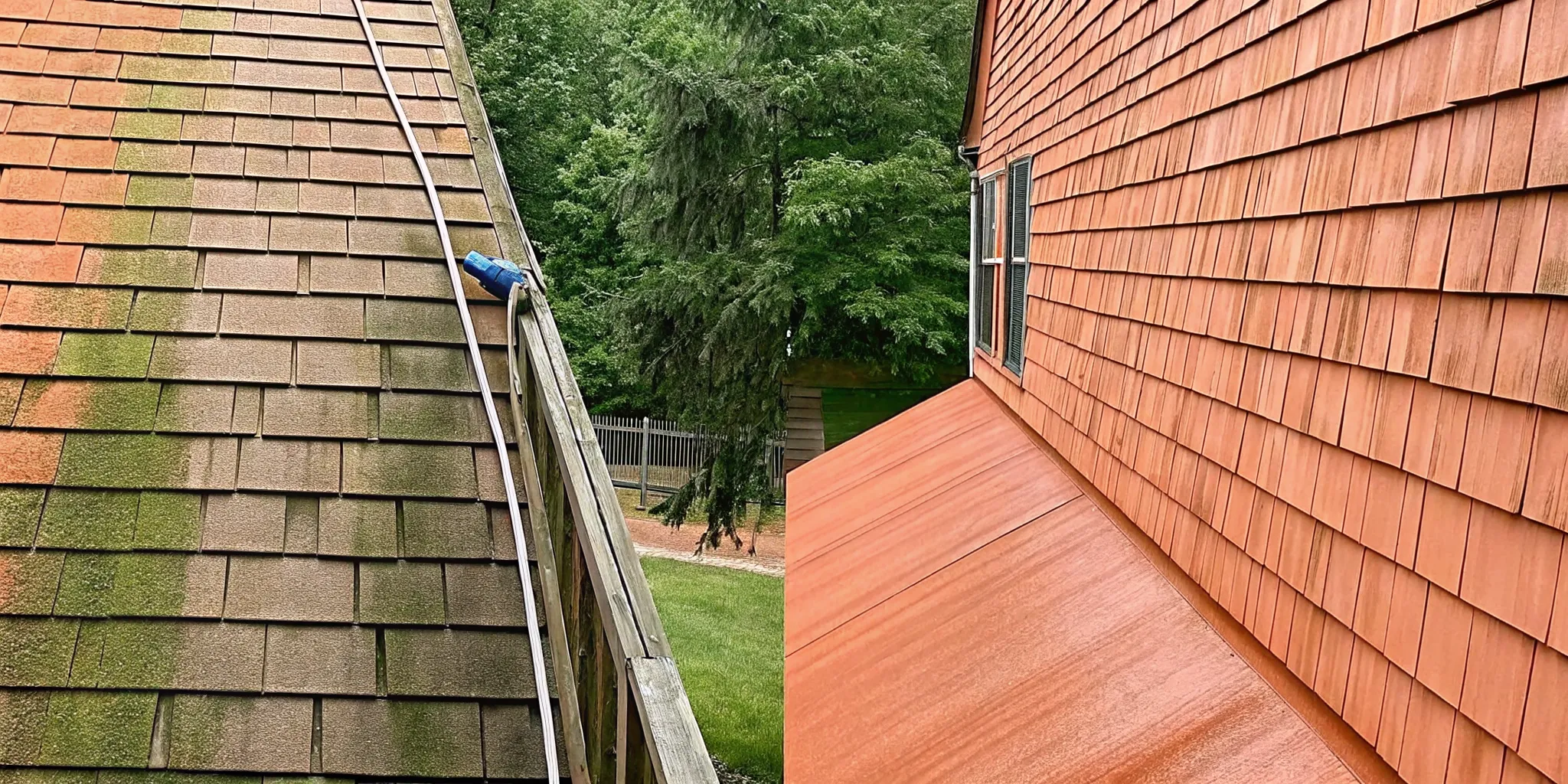
Moss and algae do more than discolor shingles. They trap moisture against the roof surface and can contribute to premature deterioration. Removing that growth helps extend shingle life and reduces the chance that a buyer sees the roof as an immediate expense.
Roof cleaning must be gentle. Aggressive water pressure can damage shingles and drive moisture where it does not belong. Use soft washing techniques designed for the material, not a one-method approach for every roof.
Siding
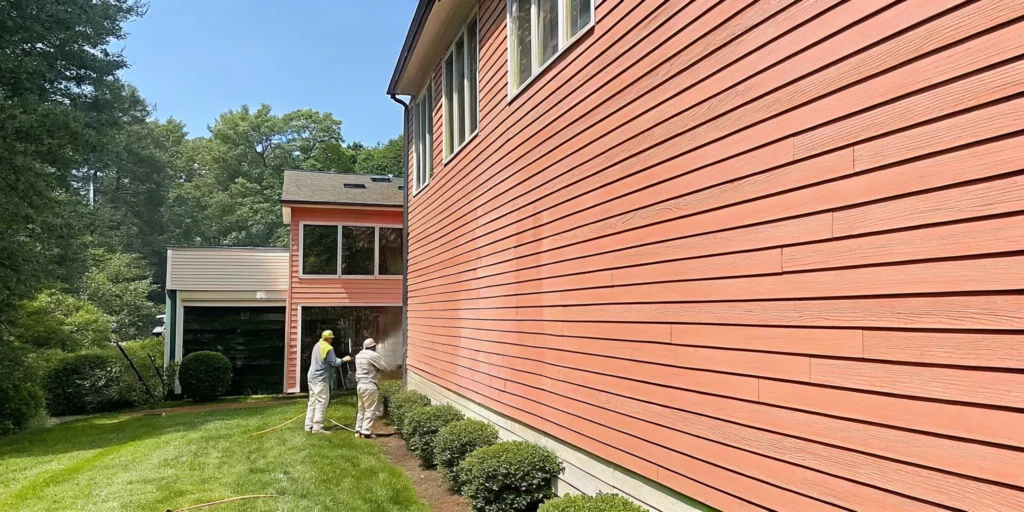
Clean siding gives listing photos and the street view a sharper presentation, but the maintenance benefit matters more. Cedar siding needs careful restoration because trapped moisture and biological growth can contribute to deterioration. Proper cleaning and treatment help preserve the wood instead of stripping or gouging it.
When cedar has dulled, weathered, or developed surface growth, the right process can restore cedar siding aesthetics while protecting the material underneath. Vinyl and other siding materials also benefit from low-pressure cleaning that removes growth without forcing water behind the panels.
Deck and Patio
An Ipe or other Brazilian hardwood deck represents a significant investment. Replacing that material is costly, so routine restoration is asset protection, not a cosmetic indulgence. Low-pressure cleaning followed by appropriate oiling helps preserve the wood’s appearance and usable life.
Keep the distinction clear: restoration, cleaning, staining, and sealing protect an existing deck. They are not the same as deck construction.
Paver Sealing
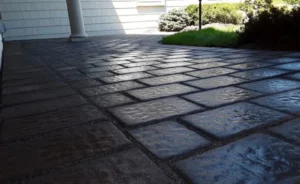
Unsealed pavers can lose color, collect weeds, and suffer erosion in the joints. Sealing helps limit weed growth, slow erosion, and preserve the finished appearance of patios, walkways, and drive areas. That keeps hardscape maintenance from becoming a visible repair issue during a sale.
Driveways and Walkways
Concrete cleaning removes the dark buildup and organic staining that make an otherwise well-maintained property look neglected. Clean approaches frame the home, improve buyer perception, and create a more consistent presentation from the curb to the front door.
Choose the method by surface and condition. Soft washing uses specialized low-pressure cleaning for delicate exterior materials, while concrete may require a different treatment plan. The right process prevents premature deterioration and protects the value built into every exterior surface.
Soft Washing vs. Pressure Washing: Why Method Matters for Home Value
Exterior cleaning can improve a property’s presentation, but the wrong method can damage the surfaces that make a Long Island home valuable. Cedar siding, slate roofing, and Ipe decking require controlled treatment rather than maximum force. Surface damage, trapped moisture, and shortened material life work against the value you are trying to protect.
What soft washing does
Soft washing combines low-pressure application with cleaning solutions that address algae, mildew, and other organic growth at the cellular level. That matters because rinsing away visible staining alone does not address the growth beneath the surface. With the right dwell time and a controlled rinse, the result lasts substantially longer than a surface-only cleaning, often measured in years rather than a few weeks.
The method is suited to delicate exterior materials, including cedar and slate. It also gives technicians more control around trim, joints, landscaping, and older surfaces. For a coastal property exposed to humidity, salt, and recurring organic growth, that controlled approach helps preserve the finish instead of repeatedly stressing it.
What pressure washing can do
High-pressure water has a legitimate place on some hard, durable surfaces, but it is not a universal exterior-cleaning method. Used on cedar, slate, or Ipe, excessive pressure can strip protective coatings, scar the surface, drive water behind siding, or damage the material’s grain. Water forced into wall cavities can create conditions for rot that are difficult to detect until repairs become extensive.
That is a poor trade for a luxury home. A quick visual improvement is not worthwhile if it shortens the life of the siding, roof, or deck underneath.
| Method | Strength | Risk on premium surfaces | Best use |
|---|---|---|---|
| Soft washing | Low-pressure cleaning solution treats organic growth at its source. | Lower risk when the solution, dwell time, and rinse are matched to the material. | Cedar, slate, siding, roofs, and other surfaces requiring controlled care. |
| Pressure washing | Fast removal of surface soil from suitable hard surfaces. | Can scar materials, strip finishes, or force moisture behind exterior assemblies. | Selected durable surfaces only, with pressure adjusted to the material. |
If the goal is to choose professional exterior cleaning services that support home value, start with the surface, not the equipment. The safest method is the one that removes the problem while preserving the material beneath it.
Wondering which exterior cleaning method fits your Long Island home? Get a free estimate and surface assessment from Gulf2Bay Softwash to protect your property value.
When to Schedule Exterior Cleaning Before Listing Your Long Island Home
Do not wait until the listing is live to address a weathered exterior. Cleaning should happen early enough for surfaces to dry, landscaping to recover, and your photographer to capture the property at its best. Use this schedule to coordinate the work without compressing every pre-sale task into one stressful week.
A practical pre-listing schedule
- Start planning four to six weeks before photography. Walk the property in daylight and note algae on siding or roof areas, dull pavers, dirty concrete, stained fencing, and tired deck surfaces. If the home is in the Hamptons or used as a second home, review this curb appeal for second homes checklist before choosing the service sequence.
- Book the cleaning two to four weeks before listing photos. This window gives soft washing, roof cleaning, paver sealing, window cleaning, and deck restoration time to settle into a natural finished appearance. It also leaves room to correct a missed surface without delaying your photographer or launch date.
- Choose spring or fall when possible. These seasons generally provide a more comfortable working window than the heat of midsummer or unpredictable winter conditions. Spring cleaning removes the buildup left by winter and presents the home strongly for the active selling season. Fall cleaning is useful for sellers preparing an autumn or early spring launch, before leaves and winter weather obscure the results.
- Coordinate cleaning before final landscaping and photography. Schedule exterior cleaning before mulch, planting, and decorative staging are finalized. Keep the photographer after all surfaces are dry and the yard is reset. Do not schedule a roof or siding treatment the day before photos if the property still needs touch-up work.
- Bundle the full refresh when the exterior needs more than one service. Gulf2Bay offers a 10% multi-service bundle discount for a complete pre-listing property refresh. Combining related work can produce a more consistent result across the roof, siding, walkways, pavers, windows, and outdoor living areas than addressing only the most visible stain.
Get a site review before the listing timeline gets tight. An expert can identify the surfaces that will show most clearly in photos and set an order of work that protects your launch date.
The Cost of Exterior Cleaning vs. the Cost of Neglect
A cleaning invoice is easy to compare with the cost of doing nothing. That comparison is incomplete. The real question is what the exterior is protecting: roofing, siding, decks, masonry, and the resale value tied to their condition.
The preventative cost is predictable
For many Long Island homes, a professional exterior cleaning project falls in the $500 to $1,500 range, depending on the surfaces, access, and amount of buildup. That investment removes algae, moss, dirt, and other contaminants before they keep holding moisture against the material. Proper maintenance prevents premature deterioration and reduces the chance that a cleaning job turns into a repair project. It also keeps the property presentable between major improvements, which matters when buyers are judging the home from the driveway and listing photos.
Roof neglect becomes a larger bill
A roof can represent a $30,000 or greater replacement decision on a premium Long Island home. Algae and moss are not just visual defects. Growth can retain moisture and contribute to premature wear. Once shingles, flashing, or roof edges have deteriorated, cleaning alone will not restore them.
Do not wait until a roof looks damaged from the street. Schedule surface-safe maintenance while the problem is still biological buildup, not failed roofing material.
Premium decks and siding need protection
An Ipe or other Brazilian hardwood deck can represent a $50,000 or greater asset when replacement, labor, and material costs are considered. Letting weathering and organic growth progress without cleaning and oil-based restoration can leave the boards gray, dry, and vulnerable to deeper deterioration.
Cedar siding carries the same lesson. Aggressive methods can damage the surface, while the right low-pressure soft washing approach removes contaminants without treating a premium exterior like concrete. The objective is to preserve the material, not simply make it look clean for a week.
Neglect costs more when you are preparing to sell
Deferred exterior maintenance can force sellers to spend under deadline, accept visible defects in listing photos, or negotiate against themselves after an inspection. Cleaning cannot guarantee a higher sale price, but it can protect the condition buyers expect and keep preventable deterioration from becoming a negotiating point.
Think of exterior cleaning as asset protection. Spend a controlled amount now to preserve expensive surfaces, instead of paying for remediation after rot, decay, or failed finishes have spread.
Frequently Asked Questions
How does professional exterior cleaning increase home value?
It improves the property’s first impression while helping prevent premature deterioration. Clean siding, roofs, walkways, and outdoor living areas signal consistent maintenance to buyers and help the home present well in listing photos and showings.
Does curb appeal really impact home value on Long Island?
Yes. A clean exterior shapes a buyer’s first impression before they enter the house. On Long Island, removing coastal buildup from visible surfaces can make a property look better maintained and more ready for the market.
What exterior surfaces should I clean before selling?
Prioritize the roof, siding, gutters, driveway, walkways, pavers, deck, and other areas visible from the street or in listing photos. Roof and siding cleaning improve presentation, while deck restoration and paver sealing protect valuable exterior features.
Is soft washing safer than pressure washing for delicate surfaces?
Yes. Soft washing uses low-pressure chemical cleaning, making it suitable for delicate materials such as cedar and slate. High pressure can damage premium surfaces, creating repair costs instead of improving the home’s condition.
How often should a Long Island home be professionally cleaned?
Many homes benefit from annual or twice-yearly service, depending on coastal exposure and the amount of algae, mold, and salt buildup. A home near the water or beneath heavy tree cover may need more frequent attention than a less exposed property.
Ready to improve your Long Island home’s curb appeal?
A well-maintained exterior gives buyers a stronger first impression and helps present the property at its best when listing time arrives. Schedule a free exterior cleaning estimate and get a clear plan for the surfaces that matter most.