Neglected cedar siding and salt-crusted windows on a coastal home can lead to lasting damage and rot. Expert Hamptons second home exterior cleaning is the best way to fix winter wear before the summer begins. You can keep your home beautiful and clean with a set care plan.
Hamptons second home exterior cleaning is a key part of guarding your luxury coastal estate from salt air and disuse. This work involves soft washing siding to kill mold at the root, cleaning windows to remove salt, and clearing gutters of dirt. These steps stop mold from eating away at costly cedar shakes while you are away, and clean homes sell for about 7% more than similar ones. A full checklist helps you find hidden issues early and keeps your property ready for summer fun while protecting its high value. Routine care ensures that your siding, roof, and decks stay in top shape so you can enjoy your time at the beach.
Keeping up a large home from a far away place needs a clear plan to make sure no detail is missed. We will now cover the most vital Hamptons second home exterior cleaning priorities. The list of key tasks begins with
Hamptons second home exterior cleaning priorities
Owning a second home in the Hamptons is a dream, but the coast is harsh. When you are away, salt air and wet winds can damage your house. You need a clear plan for exterior cleaning for Hamptons second homes to keep it safe.
Checking the right things in the right order helps you find small issues before they get worse. Salt air is a constant threat for East End homes. It can wear down wood and stone if left alone. A seasonal check ensures your home stays in top shape while you are away.
Why the check order matters
Most owners clean what they see first. But for a home that sits empty, you should look for hidden risks first. Homes with great curb appeal often sell for 7% more than other houses.
This value stays high only if you stop mold and rot from the start. A top-down check ensures you do not miss leaks that could ruin your walls. Starting at the top also prevents dirty water from running over areas you just cleaned.
Your outside cleaning checklist
Use these steps to get your home ready for your next stay. It covers the most vital parts of your home.
- Check the roof and gutters for leaves and moss. A clear roof lets rain flow away and stops leaks when big storms hit the coast.
- Look at the siding on the north side of the house. This spot gets less sun, so mold and mildew can grow fast in the shade.
- Wash the windows and screens to remove salt. Salt from the sea can scratch glass if it stays on for too long in the sun.
- Clean decks and stone paths to remove green algae. A clean deck is safer to walk on and helps the wood or stone last much longer.
- Check the yard for branches that touch your roof. Trimming trees helps air move, which keeps the outside of your house dry and clean.
- Inspect the base of the house and vents. Clearing dirt and webs helps keep air flowing and stops dampness from rising into your floors.
Salt air and damp spots
The ocean air has salt that eats at paint and metal. If your home is empty for months, this salt builds up and causes rust. You should set a firm exterior cleaning schedule for second homes to rinse these salts away.
Soft washing is the best way to do this without hurting your paint. It uses low pressure and safe soaps to kill moss at the root.
Shade also causes problems for many Hamptons homes. High trees create dark spots where water stays on your siding. Keeping these areas clean helps stop rot and pests. When you keep the sun and air on your walls, your house stays bright and strong for years. Regular care protects your home and gives you peace of mind while you are away.
Start at the roof, gutters, and drainage
The top of your house is your first line of defense. For a Hamptons second home exterior cleaning, the roof and gutters need the most care. Salt and damp air often cause mold to grow fast on these spots. If you leave these pests alone, they can eat away at your roof parts. A fixed check is key. This is why you should look at your roof at the start and end of each season.
Inspect the roof and valleys
Debris like leaves and pine needles often get stuck in the roof valleys. These spots hold water, which helps living growth thrive. Dark streaks on your roof are usually a sign of algae, not just dirt. It is key to find mold and mildew early. Left alone, they cause deep damage. Trimming back trees that hang over the house can also help keep the roof dry and clean.
You should never use high pressure to clean a roof. Strong water jets can rip off bits or crack old tiles. We use a gentle soft wash method. It kills the roots of algae and moss. This method keeps your roof safe and makes the clean last much longer. For homes with wood roofs, you can learn more about exterior cleaning for Hamptons second homes and how we handle fine shingles.
Clear the gutters and downspouts
Gutters must be clear to move water away from your home. When they clog, water can spill over and damage your siding or soak the ground near your base. It is best to clear them twice a year, most times in late spring and late fall. Check for loose parts or leaks while you are up there. Make sure the downspouts are not blocked so water can flow out freely.
- Remove all leaves, twigs, and bird nests from the troughs.
- Flush the downspouts with water to test for clogs.
- Look for signs of sagging or rust on the gutter hangers.
- Clean the outside of the gutters to remove dark stains.
Inspect the drainage system
The job is not done until the water is safely away from the house. Check where your downspouts end. They should lead water at least five feet from your walls. If you have hidden drains, make sure they are not full of dirt or roots. Poor drainage can lead to wet basements or shifts in the ground. Keeping this system in good shape protects your home’s structure for years to come.
How should you inspect cedar siding?
Cedar siding gives a classic look to homes in the Hamptons. But coastal air and salt can wear down the wood over time. You should check your siding once or twice a year to keep your home in top shape. Regular checks help you find small issues before they become big, costly repairs. A well kept home outside can even increase the value of your home by up to 7 percent.
Looking for salt and moisture signs
Salt air can leave a thin film on your cedar boards. This film traps moisture against the wood fibers. Look for gray or silver spots on the siding. This often means the wood has weathered and lost its seal. Moist wood is a prime spot for pests and rot to start. For owners of a second home, these signs are easy to miss during the off season.
You should also check the areas where two boards meet. Moisture often hides in these cracks and corners. If you see dark streaks or wet spots that do not dry, it might be time for a deep clean. Keeping the surface dry and clean is a key part of exterior cleaning for Hamptons second homes. This step helps protect your home while you are away.
Finding mold and mildew growth
Mold and mildew thrive in damp and shady areas. You will often find these growths on the north side of your home where there is less sun. Check for green or black fuzzy spots on the cedar. These growths can eat into the wood if you leave them alone. They can spread fast in the humid air of Long Island.
To prevent this, trim back any trees or bushes that touch your house. Proper air flow and clear space help the siding dry out after a storm. Experts say you should wash your siding every year to stop mold from causing long term damage. This care helps your siding last longer and stay beautiful.
Checking for physical wood damage
Look for signs of wood rot or soft spots in the cedar. Press on the wood with a finger or a small tool. If the wood feels soft or crumbles, it has likely rotted. You should also look for warped boards or nails that are popping out. These issues can let water get behind the siding and into your walls.
Do not use high pressure to clean your cedar siding. High pressure can strip the soft fibers of the wood and cause long scarring. Instead, use a soft washing method to kill mold at the root without hurting the wood. This gentle path is part of being good stewards of your home and the local nature.
Regular care is the best way to keep your cedar looking fresh. By catching issues early, you save money on repairs and keep your home safe from the weather. A clean and sturdy outside ensures your home is ready for you to enjoy whenever you visit.
Check decks, railings, and outdoor living areas
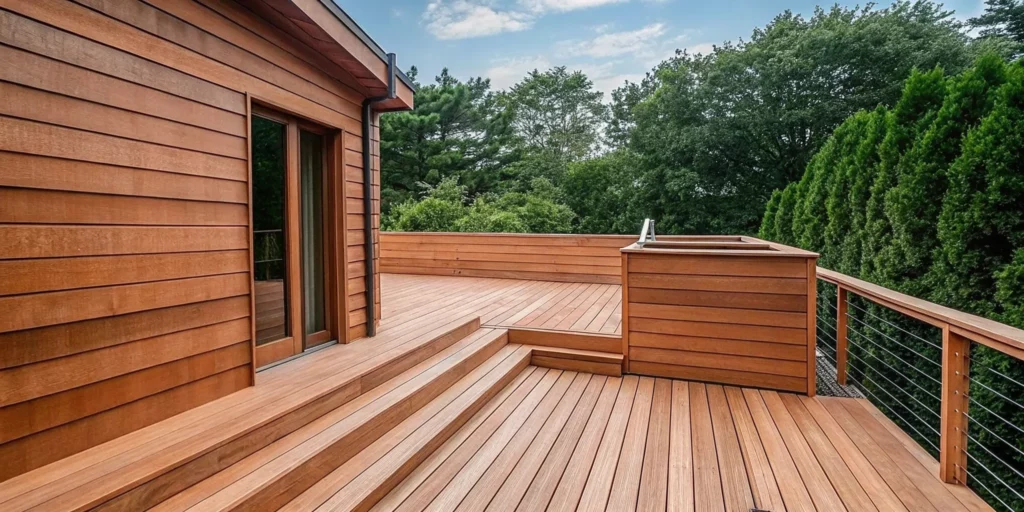
Decks and outdoor spaces are the heart of a Hamptons home during the summer. But high humidity and salty air can take a toll on expensive woods like IPE or Brazilian hardwood. Over time, moisture leads to mildew and a dull gray look that hides the natural beauty of the grain. Keeping these areas safe and clean is a key part of your seasonal exterior cleaning checklist for a second home.
Protect luxury hardwood and cedar
Exotic woods like IPE are prized for their strength and look. However, they need specific care to prevent graying and wear. Standard pressure washing can tear the wood fibers and leave permanent marks. Instead, soft washing uses low pressure and safe cleaners to lift grime without damage. This method ensures your deck stays strong and ready for guests all season long.
For homes with cedar details, a gentle touch is even more important. Mold and algae can grow deep in the wood pores in shaded spots. Experts suggest annual cleaning to prevent damage from these growths. This keeps the wood from rotting and helps your finish last much longer than it would with neglected surfaces.
Inspect railings and stairs
Safety is the top goal when checking railings and stairs. Rust on metal parts or green slime on wooden steps can make a deck dangerous. Soft washing kills these slippery contaminants at the root. This is much better than just blasting the surface with water. Regular care helps you find small issues like loose boards or weak railings before they become big repair bills.
If you have furniture on your deck, check for marks or stains underneath. These spots trap moisture and can lead to uneven fading or rot. Moving items and cleaning the whole floor ensures a uniform look for your exterior cleaning for Hamptons second homes. A clean deck not only looks better but also makes the whole property feel more inviting and well-kept.
| Deck issue. | Traditional pressure. | Professional soft wash. |
|---|---|---|
| Surface mold. | May remove visible growth. | Uses a surface-appropriate treatment. |
| Hardwood care. | Can gouge IPE fibers. | Prioritizes a gentler approach. |
| Water use. | Relies on force and water volume. | Relies on dwell time and rinsing. |
| Results. | Focuses on visible surface soil. | Addresses the material and contaminant. |
| Damage risk. | Too much force can cause damage. | Settings are matched to the surface. |
Do windows, pavers, and walkways need attention?
When you think about Hamptons second home exterior cleaning, the siding and roof often come to mind first. But the other parts of your yard need just as much care. Windows, stones, and paths face the same salt air and damp winds. If you let these areas go, they can look bad or become a safety risk. Taking care of these small spots ensures your home is ready for your next stay.
Clear views and salt removal
Salt air is a part of life near the sea. Over time, salt forms a cloudy film on your window glass. This film does more than just block your view of the beach. Removing this grit keeps your views sharp and your home bright.
It can also trap wet air against the window frames. This often leads to rot or rust if you do not wash it off. A full seasonal exterior cleaning checklist should include washing the glass, screens, and tracks.
Clean windows make your home feel fresh. When you arrive for a long trip, you want to see the sky and sea clearly. Removing the salt also helps your window seals last longer. It is a simple step that protects your home while making the space feel better.
Keeping the frames clean stops dirt from building up in the cracks. Over time, that dirt can cause real harm to the wood or metal. Expert care now saves you from costly repairs later. It keeps your windows working well for many years.
Safe and clean paths
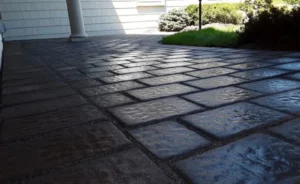
Walkways and drives are the first things guests see when they pull up to your house. Over the winter, moss and algae can grow in the cracks of your stones. These growths love damp and shady spots, mostly on the north side of your home where there is less sun. This green film is very slick when it gets wet.
It makes walking to your front door a risk for you and your guests. Proper Hamptons property exterior cleaning maintenance involves more than just a quick spray. Expert soft washing kills these growths at the root so they do not come back next week.
This process keeps your stone and brick looking like new for a longer time. It also helps stop weeds from taking over the gaps between your stones. Clean paths keep your home looking neat and safe all year long. It gives you peace of mind every time you walk outside.
Pool areas and water flow
The area around your pool needs extra care before the summer starts. Salt from the air and pool water can sit on the pool deck. This can cause the stone to wear down or fade over time. It is best to plan for expert paver cleaning and sealing to keep the surface strong.
A good seal acts like a shield against the sun and salt. It also helps the stone shed water so it does not pool in the wrong spots. This keeps the stone from getting water stains or cracks. It is a vital part of keeping your pool area safe for bare feet.
Check your paths and pool deck for good water flow too. Leaves and dirt can block the small gaps between stones. When water cannot flow away, it can sit against your house or under the deck. This can lead to cracks or moving stones.
Clearing these gaps and keeping them sealed keeps the ground firm. It ensures your outdoor space stays pretty and ready for summer fun. Taking these steps now means less work when you want to relax. Your home will be the best spot for your next big bash.
How does salt air change the cleaning schedule?
Coastal life offers great views, but the air carries salt and moisture that can harm your home. Salt air is sticky. It grabs dust, pollen, and sand as they blow by. This mix forms a layer on your siding and windows. Over time, salt can eat into paint and wood. If you leave it too long, it causes real damage. Most experts say you should wash your siding every year to prevent this harm. For a beach house, you might even need to check it more often.
How salt and shade work together
Salt does not work alone to damage your home. Shade and moisture also play a big part. North-facing walls get less sun, so they stay damp longer. This damp spot is where mold and mildew thrive. When salt traps moisture against the wall, these growths spread fast. You may see green or black spots on your shingles. These spots are more than just ugly. They can rot the wood if they stay there. Proper soft washing for delicate second homes is the best way to clear these pests without hurt to the surface.
Spotting the signs of salt buildup
You should look for signs that salt is hurting your home. Check your windows for a cloudy film that does not wipe away fast. Look at metal parts like door handles or lights. If they look dull or have pits, salt is at work. On wood or siding, look for “chalking.” This is a white dust that comes off when you touch the wall. If you see these signs, it is time for an expert clean. Clean homes sell for about 7 percent more than dirty ones. Keeping a fresh look protects your asset.
Timing your expert clean
A planned Hamptons second home exterior cleaning ensures your property stays safe while you are away. Most owners pick a spring or fall exterior cleaning schedule for second homes to keep up with the sea air. Spring is a great choice to clear winter salt and prepare for summer guests. Fall is also smart to remove summer sand and salt before the cold sets in. If your home sits empty for long periods, debris can pile up in corners. Wind-driven salt can hide in cracks. This care helps you find small issues before they turn into big, costly repairs.
Build a seasonal exterior care calendar
A set schedule helps protect your home through every season. For owners who do not live on-site full time, a plan stops small issues from becoming big repairs. You should set up a routine that accounts for the harsh salt air and shifting weather of the coast.
Spring and summer arrival prep
Spring is the best time for seasonal exterior cleaning checklist tasks to prepare for your arrival. You should look for winter debris in gutters and salt on siding. Cleaning these areas early stops mold from taking root as the weather warms up.
Mold and mildew thrive in damp areas with poor air flow, especially on the north side of a house, according to Iowa State University. Trimming plants back from the house and washing siding every year can help it last longer. This ensures your home is ready for guests and stays in top shape all season.
Fall closing and winter checks
As the peak season ends, your focus should shift to closing the home for the cold months. Fall is the right time to clear gutters one last time to stop ice dams. You should also check for loose roof shingles or cracks in stone that could let water in during winter storms.
Winter vacancy can hide issues like storm damage for weeks. It is helpful to have a local pro do a quick check after big winter storms. This oversight helps you catch leaks or broken limbs before they cause costly damage inside while you are away.
When to call a professional
While some basic tasks are easy to do, a full exterior cleaning schedule for second homes often needs expert tools. A pro check is smart every year or two to deep clean soft surfaces like cedar or pavers. This is key for exterior cleaning for Hamptons second homes where salt and sand are constant threats.
Professional soft washing kills pests at the root and can last much longer than old methods. Well-kept homes sell for about 7% more than similar homes that lack curb appeal, based on research from the University of Texas at Arlington. Keeping a clean exterior also makes buyers less wary about hidden systems like the HVAC or foundation.
Frequently Asked Questions
How often should a second home in the Hamptons be professionally cleaned?
Experts say you should wash your home siding every year. This regular care helps stop mold and mildew from causing long term harm. According to Iowa State, yearly cleaning can make your siding last much longer. For Hamptons homes, salt air and damp air make this yearly check even more vital. It keeps the house looking new and stops costly damage before it starts.
Why is soft washing recommended for Hamptons coastal properties?
Soft washing uses low pressure and safe soaps to clean. This method kills mold and tiny plants at the root instead of just blasting them away. It is better for cedar walls and roofs that high pressure might hurt. Gulf2Bay Softwash says this way provides a clean that lasts four to six times longer than old ways. This is very good for homes near the salt water.
How do I prepare my Hamptons second home for exterior cleaning while away?
You should check that all windows and doors are shut tight before the crew gets there. Move any lawn chairs or loose items away from the house walls. It also helps to trim plants and trees that grow too close to the siding. Keeping these spots clear helps stop mold from growing. A pro team can do the work while you are out, but clear paths help them work fast.
Does professional exterior cleaning increase the value of a Hamptons home?
Yes, a clean house makes a big difference in how much it is worth. Homes that look great from the street often sell for more money. Research shows that well kept homes can add about 7 percent to the sale price of a house. This makes yearly washing a smart move for owners who want to get the most out of their home sale.
Ready to request an exterior cleaning quote?
Skipping your home care can lead to costly repairs and lower property value over time. Leaving salt and mold on your siding will wear down the materials and cost more to fix later on. Book your soft wash now to stop damage before it starts and keep your house in top shape for the season. Our team can help you get your yard and exterior looking fresh in just one visit. Starting your care now means you can relax and enjoy your time at the shore without worrying about chores or big fix-it jobs. It is the best way to protect your home and keep it safe from the harsh sea air. We use safe tools to clean every part of your house from the roof down to the driveway.
Ready to request an exterior cleaning quote? Visit our website to request an exterior cleaning quote.