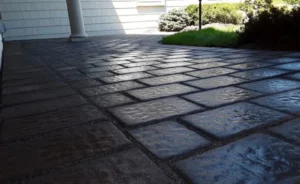

Long Island pool decks can turn slick before the first summer gathering begins. Algae and winter staining do more than dull concrete or pavers; they make every wet step harder to trust.
Pool deck cleaning Long Island homeowners schedule before summer removes the organic buildup, algae, and staining that collect on concrete and paver surrounds. After cool, damp months, a deck can look dingy and become slippery once warm pool water and barefoot traffic return. Published research on algae-colonized brick pavement found slippery conditions hazardous to people, which matters beside a swimming pool. Professional soft washing treats growth at the source with low pressure suited to concrete and pavers, helping protect the poolside surface and your summer plans. For homeowners in Nassau, Suffolk, and the Hamptons, scheduling before opening day means a cleaner, more welcoming surround when friends and summer guests arrive.
The right timing and method depend on shade, staining, surface material, and how your family uses the pool area. Next is Pool deck cleaning Long Island homeowners should plan before summer, the first step toward a safer, cleaner opening. Here’s how.
Pool deck cleaning Long Island homeowners should plan before summer
Pool deck cleaning Long Island homeowners plan before summer should start with a close inspection. Before chairs, towels, and guests return to the pool area, check the walking surface dry and after it gets wet. Look for tracked-in debris, leaf marks, dark patches, and areas that feel slick under careful footing.
If the deck needs care before swim season, Get a Free Estimate before regular pool use begins. Planning early gives you time to address the deck before gatherings and busy weekends add more foot traffic.
What to check before swim season
Start at the spots that stay damp or collect debris: shaded edges, steps, furniture legs, planting beds, and paths from the lawn. Then check common walking routes around ladders, gates, and seating. These areas show what bare feet and wet traffic will meet during summer use.
- Dry leaves, pollen, or dirt packed into corners and joints.
- Dark or green-looking patches near damp, shaded edges.
- Wet areas that feel slick during a cautious walk-through.
- Staining on pavers or concrete near the waterline and furniture.
Do not dismiss a slick-feeling area as a cosmetic concern. Bare feet and swimwear can bring skin into contact with damp poolside surfaces. A report available through the National Library of Medicine links recreational exposure to a marine cyanobacterium with dermatitis.
Why an early cleaning plan helps
A pre-season check keeps the decision simple: clean visible buildup before the deck becomes a daily path around the pool. Inspect damp spots, shaded edges, debris pockets, and walking routes. These places can reveal stains or slick-feeling surfaces before outdoor time starts in full.
The surface also matters. Pavers and concrete should be cleaned with care, not treated as though every deck needs the same approach. Homeowners with paver surrounds can review professional pool deck cleaning options that fit those outdoor surfaces.
A cleaner start for outdoor time
Gulf2Bay Softwash uses a low-pressure soft washing approach for pool decks. The goal is to clean concrete, pavers, or natural stone without harsh pressure against the surface. Once the deck is inspected and cleaned as needed, it is ready for everyday summer use.
What are the signs your pool surround needs cleaning?
A pool surround rarely changes all at once. More often, you first notice a shaded edge turning green, a damp path that feels slick, or pale pavers losing their even look. Pool deck cleaning Long Island services are worth considering when these warning signs appear. Review the surface before busy pool days begin.
Green or dark growth in damp areas
Look first where water lingers: beside steps, along coping, beneath planters, and near shaded borders. Green film or dark patches can point to organic growth on concrete or pavers. It may start in small spots, then become easier to notice after rain or routine pool use.
Pay close attention to the route people take from the water to chairs or the house. The CDC Model Aquatic Health Code treats injury prevention at public aquatic facilities as a mix of design, education, and enforcement. At home, noticing buildup early is one simple part of sound poolside care.
A slippery feel when the deck is wet
A surface can look acceptable while dry and feel different once wet. Walk slowly in bare feet only when it is safe to do so, or test a small damp area with care. If a usual walking path feels slick, it is time to address the buildup rather than ignore it.
Cleaning can remove surface grime and growth, but it does not repair loose pavers, cracks, poor drainage, or worn materials. If you see those problems, arrange the right repair review as well as cleaning.
Stains and grime around daily-use spots
Leaves can leave brown or dark outlines after sitting on a damp surround. You may also see grime around furniture legs, umbrella bases, fence lines, steps, and the pool edge. These marks make an otherwise neat pool area look patchy before the season has even started.
Surface type matters when those signs appear. Concrete, pavers, and natural stone should be assessed with their material in mind. Homeowners with concrete surrounds can learn more about concrete pool deck cleaning before deciding on the next step.
A spring poolside checklist
After winter, inspect the entire surround in daylight and again after it gets wet. Check the areas below before guests and regular swim days put more use on the space.
- Green film or dark growth along shaded, damp edges.
- Slick-feeling walkways once water reaches the deck.
- Leaf outlines or organic stains across pavers and concrete.
- Grime beneath chairs, planters, umbrellas, and equipment.
- An uneven, dull, or patchy look after winter exposure.
When several signs appear together, a professional assessment can help match cleaning to the surface. It also helps separate removable buildup from wear or damage that needs a different solution.
Concrete and paver pool decks need surface-specific care
No two pool surrounds wear in the same way. On Long Island, a concrete deck may show broad stains across one solid slab. A paver surround can hold similar buildup while also showing change along joints and borders. Good pool deck cleaning Long Island homeowners can trust starts by identifying the surface before work begins.
Concrete slab conditions
Concrete gives a cleaner an open surface to inspect. Staining, dark growth, worn spots, and cracks can be seen across the slab. Before concrete pool deck cleaning, the team can note patched areas, coping edges, drains, and nearby plant beds. These details help guide care around the pool’s hardscape.
A concrete pool surround also meets other materials at key points. The edge near coping or expansion joints deserves attention because loose grit and organic buildup may collect there. A full walk-around can separate surface staining from a repair concern that cleaning alone will not fix.
Paver joints and borders
Pavers call for a different inspection. Each unit has edges, and the joints between units are part of the deck condition. A cleaner should look for buildup in those lines, shifting units, low areas, and border movement before choosing a cleaning plan.
This is also why paver pool surrounds should not be treated as one plain slab. Homeowners comparing care options can review Gulf2Bay’s guide to professional pool deck cleaning for paver surfaces. It helps connect visible joint concerns with the material underfoot.
| Inspection point. | Concrete pool deck. | Paver pool surround. |
|---|---|---|
| Surface layout. | Continuous slab areas. | Separate units with joints. |
| Areas to review. | Cracks, patches, drains. | Joints, low units, borders. |
| Edge focus. | Coping and expansion joints. | Restraints and poolside borders. |
| Cleaning decision. | Plan around slab condition. | Plan around joints and movement. |
A safer poolside assessment
Moist outdoor walking areas deserve routine attention before family and guests use the pool. The CDC Model Aquatic Health Code describes injury prevention at public aquatic facilities through engineering, education, and enforcement. A private pool has different rules, but clear inspection of its walking surface is still a sound habit.
For Nassau, Suffolk, and Hamptons homes, the useful question is not whether all decks need identical treatment. First, identify whether the pool surround is concrete or paver. Then note its edges, joints, and visible condition before cleaning begins.
How can low-pressure cleaning protect adjacent finishes?
Pool deck cleaning on Long Island involves more than lifting visible soil from a walking surface. Pool surrounds meet coping, joints, planting beds, furniture, fencing, and nearby siding. A method suited to one material may be a poor fit along its edges.
A surface-first cleaning plan
Gulf2Bay Softwash describes its soft washing services as a low-pressure exterior cleaning approach. For a pool deck, that choice matters because the cleaning area can include concrete, pavers, or natural stone. Low pressure is selected with adjacent finishes in mind, rather than treating every surface the same way.
Before work begins, a professional can identify the deck material, coating, prior sealing, staining, and repaired spots. That review helps shape the cleaning plan and flags areas that may need added care. Homeowners can also read about concrete pool deck cleaning for hardscape context.
Edges, joints, and coping
Joints and coping are part of the work area, not small details to overlook. Mortar lines, sand-filled paver joints, sealants, and the rim near the pool may respond differently from the broad deck face. An on-site review lets the crew note loose pieces, worn joints, or finish changes before cleaning begins.
- Check whether pavers, concrete, or stone meet another finish at the pool edge.
- Note stained areas beside coping, expansion joints, drains, and equipment pads.
- Discuss coatings or repaired areas so they are included in the cleaning plan.
Landscaping and usable space
Poolside surfaces rarely stand alone. Planters, grass, shrubs, outdoor kitchens, umbrellas, and lounge furniture may sit beside the cleaning area. Moving loose items and reviewing nearby plants creates clear access. It also helps the crew choose a careful work path.
Moisture and shade can leave organic buildup where people walk, set towels, or move chairs. The goal is not a forceful pass over every surface. It is a method chosen after the deck and its surroundings have been checked.
The CDC Model Aquatic Health Code presents injury prevention at public aquatic facilities as a mix of engineering, education, and enforcement. A residential pool is different, but the lesson is useful: cleaning supports care, rather than replacing all upkeep.
For pool deck cleaning, Long Island homeowners can discuss surface type, edges, planting beds, and furniture before scheduling. This creates a plan based on the whole poolside setting, not only the most visible stain.
When should you schedule pool deck cleaning on Long Island?
Spring planning before the first swim
The best time to plan pool deck cleaning Long Island service is before regular pool use begins. A calm spring check gives you time to spot changes and discuss the surface. You can then choose a cleaning date without working around swimmers or a full patio setup.
Start when the deck is easy to view and dry enough to walk safely. Do not test slick areas underfoot or try harsh cleaners first. The CDC Model Aquatic Health Code focuses on preventing illness and injury in aquatic settings. That makes visible hazards worth addressing before pool use starts.
A simple seasonal scheduling checklist
Use these steps after winter weather fades and before pool gatherings begin. They help a cleaner understand the space. They also keep your preparation simple and safe.
-
Inspect from a safe position in spring. Walk only on dry, stable sections. Look for leaf marks, green growth, dark patches, or dirt near coping and steps. If an area looks slick, note it rather than crossing it.
-
Mark shaded or slow-drying areas. Notice where trees, fences, furniture, or the home keep sunlight off the deck. Check for damp spots near planters, drains, and pool equipment. These details can help shape the service discussion.
-
Confirm the deck material. Tell the cleaning team whether the surface is concrete, pavers, stone, or a mixed surround. For paver surfaces, review professional pool deck cleaning details before you ask about care.
-
Ask what should be moved. Leave heavy furniture, planters, and pool items in place until the provider gives instructions. Moving wet or bulky items without a plan can create a trip risk. It can also cover spots that need review.
-
Book before active pool use. Pick a service window before parties, pool-opening tasks, or daily swimming make access harder. Ask when the deck can be used again. Your household can then plan around the work.
Choosing the booking window
For many Long Island homes, spring scheduling leaves room before outdoor routines are in full swing. Nassau and Suffolk County properties have different shade, tree cover, and patio layouts. Your timing should follow what you see on your own deck.
If you notice dark growth or broad staining, share photos and your surface type when you request service. Note any spots that stay damp after nearby areas dry. To plan ahead of pool season, Get a Free Estimate and discuss a practical date for your home.
Keeping your poolside space ready for summer gatherings
A simple readiness check
A clean pool surround stays guest-ready when care is simple and steady. Before friends arrive, walk the path from the house to the water. Look for leaves, blossoms, seed pods, damp patches, and tracked soil. Check seating areas and steps where people may gather or walk.
Remove loose organic debris with a broom or leaf blower before it mats down. Wipe spills, then move planters or furniture long enough to see the surface below. This short check helps you spot changes early, without turning each gathering into a major project.
When a surface needs more attention
Pay attention when green growth returns in the same shaded edge or near a drain. Notice dark patches that stay damp after nearby areas dry. Poolside moisture and foot traffic call for care, since wet areas affect how guests move around the space.
The CDC Model Aquatic Health Code addresses public aquatic venues, not private backyards. It still supports a practical idea: injury prevention around aquatic spaces relies on more than one safeguard.
Standing water, slow drainage, recurring organic growth, or stains that remain after light cleanup merit review. Avoid aggressive do-it-yourself washing on an unknown surface. A trained provider can assess the material and conditions before recommending a suitable cleaning approach.
Cleaning care, not full restoration
Routine poolside care keeps an already cleaned surround neat through active summer use. It means clearing debris, spotting damp zones, and arranging service when buildup returns. For information on surface-aware exterior care, review Gulf2Bay Softwash services.
That focus differs from broad paver restoration. Restoration may address faded appearance, shifted areas, joint material, sealing, or other repair goals. Pool deck cleaning Long Island homeowners plan for summer is narrower. It centers on cleanliness and a comfortable setting for everyday use.
If an upcoming gathering makes timing important, start with a visual check before setting out furniture. Note where debris gathers and whether damp patches return after dry weather. To discuss your surface and scheduling details, Get a Free Estimate.
Between visits, keep the routine light and repeatable. Clear fresh leaves, keep access paths open, and look again after storms or busy weekends. Small checks show when simple upkeep is enough and when professional review is the sensible next step.
Frequently Asked Questions
Why do pool decks on Long Island need professional cleaning?
Long Island pool surrounds collect moisture, organic debris, and staining during months of limited use. Algae on paved surfaces can create a slippery walking area, as documented in a study of algae-colonized pavement. Professional cleaning uses a surface-appropriate method to remove buildup while reducing unnecessary stress on concrete, pavers, or natural stone before regular summer foot traffic begins.
What types of pool deck materials can be cleaned on Long Island?
Pool deck cleaning on Long Island can address concrete, concrete pavers, natural stone, and travertine-style surrounds, depending on condition and installation details. The method should match the material. Low-pressure soft washing targets organic growth without relying on harsh force. This approach helps avoid disturbing paver joints or wearing vulnerable poolside surfaces.
How often should I have my Long Island pool deck cleaned?
There is no single schedule for every pool deck. Check the surround each spring, before heavy pool use, and after long damp periods. If algae, dark organic film, leaf stains, or slippery patches appear, cleaning should not wait for a calendar date. Shaded decks, frequent splash zones, and pavers that hold moisture may need attention sooner than sunny, well-drained areas.
Is pool deck cleaning necessary before opening for the season?
Yes. A pre-opening cleaning removes winter debris, leaf marks, and organic buildup before wet feet and regular traffic return. It also gives homeowners time to identify loose pavers, damaged joints, or areas that stay damp. For concrete or paver surrounds, schedule cleaning before furniture is arranged and before the pool area becomes part of daily summer use.
Ready to schedule your pool deck cleaning?
Waiting until summer guests arrive can leave algae buildup underfoot and make your pool surround look neglected when it should feel welcoming. Starting now gives you time to prepare your outdoor space before busy weekends, family gatherings, and regular pool use fill your calendar. A planned cleaning visit before the season begins lets you address stained or slippery concrete and pavers without a rushed, last-minute cleaning decision.
Ready to schedule your pool deck cleaning before swimming days, weekend cookouts, and visiting guests add pressure to your maintenance plans? Get a free estimate to schedule service now and prepare your outdoor space before the first sunny weekends bring regular traffic around your pool area.