Efflorescence is the white, chalk-like mineral film that appears when moisture transports soluble salts through concrete or masonry pavers and then evaporates at the surface. Aggressive acids, wire brushes, and uncontrolled pressure can alter color, expose aggregate, or displace joint sand. Learning how to remove efflorescence from pavers safely begins with identifying the deposit and using the least aggressive treatment that works.
Concerned about white mineral deposits on a valuable patio or driveway? Request a professional paver assessment from Gulf2Bay Softwash before applying a harsh cleaner.
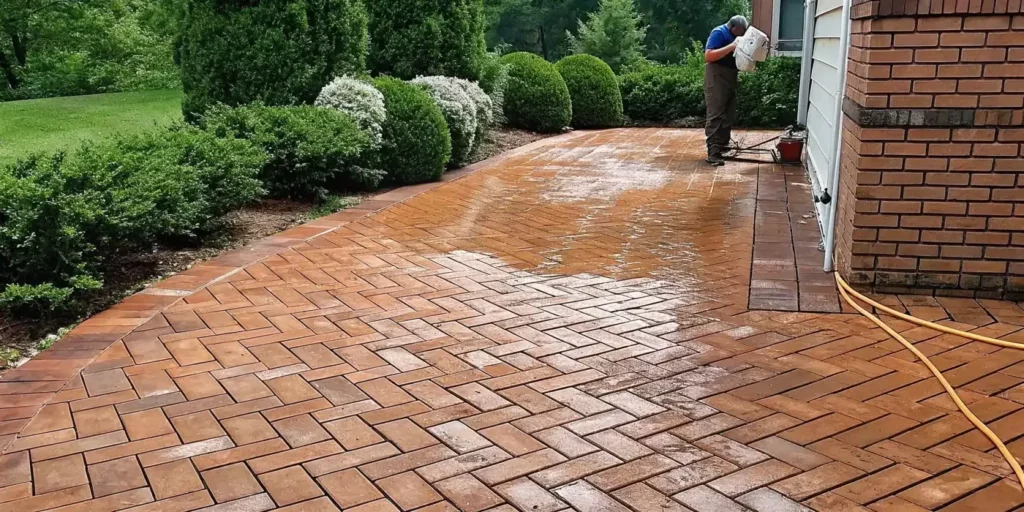
To remove efflorescence from pavers without surface damage, begin when the pavers are completely dry, brush away loose deposits. Test a paver-compatible cleaner in an inconspicuous area, follow its dilution and dwell-time instructions, agitate gently, and rinse thoroughly. Allow the entire installation to dry before evaluating the result. If the film returns repeatedly, investigate drainage, trapped moisture, joint condition, and sealer compatibility before repeating treatment.
This guide helps Long Island homeowners distinguish efflorescence from mold, hard-water deposits, and sealer haze. It also explains which DIY methods can permanently change a premium paver installation and when professional cleaning, joint-sand restoration, or resealing is the more responsible next step.
How to remove efflorescence from pavers safely
Safe removal is a controlled process, not a contest of pressure or chemical strength. Start with dry mechanical removal, then escalate only to a manufacturer-approved, paver-compatible cleaner after a successful test patch. Protect adjacent landscaping, follow the product label exactly, keep the solution from drying on the surface, and rinse completely.
Some new concrete pavers release residual salts during normal weathering, and light deposits may diminish naturally. However, persistent or recurring efflorescence can indicate moisture moving through the paver system. In that case, cleaning the visible film without assessing drainage or joint condition may offer only a temporary cosmetic improvement.
The first dry sweep
Before you get the stones wet, start with a dry brush. This is a simple way to get rid of the loose salt. Use a stiff brush to scrub the areas with the most white stains. Do not press too hard as you work. You want to lift the dust off the top of the pavers. This step is best when the ground is fully dry. If you wet it first, the salt might melt back into the stone where you cannot reach it.
After you sweep, use a leaf blower to clear the dust away. Do not let the dust sit on the grass or in the joints. Clearing this loose layer makes the next steps much easier for you. It also lets you see where the salt is most thick. You can find more paver cleaning guidance on our blog to help you plan your work. Clear plans lead to better results for your yard.
Safe steps for cleaning
Once you have swept the area, you can move on to a liquid cleaner. You should use a product made for pavers. Some people try to use vinegar, but a pro cleaner works better and is safer for the stone. High acid levels in some soaps can eat the stone. Follow this path to get the best results without any risk to your patio.
- Test a small area first. Use the cleaner on a spot that is hard to see to make sure it does not change the color of your stone.
- Wet the rest of the pavers with a hose. Do not let water pool in low spots, but keep the stones damp as you work.
- Mix your cleaner with water based on the label rules. Never use a mix that is too strong for the job.
- Spread the mix over the salt stains. Work in small sections so the soap does not dry out before you can scrub it.
- Scrub the area with a soft brush. This helps the cleaner break down the mineral bonds on the top of the pavers.
- Rinse the area with a lot of clean water. Make sure all the soap and salt are gone before the stone dries.
- Let the patio dry for a full day. You will only know if the salt is gone once the stone is bone dry.
Check your results
Wait for the stones to dry fully before you check your work. Sometimes the salt comes back as the water leaves the stone. This is normal for new pavers. You may need to do the steps one more time for tough spots. Be patient and do not rush the process. If you use too much acid, you could lose the smooth top of the pavers. That kind of harm cannot be fixed easily.
If the stains keep coming back after many cleans, it might be time to look at your yard drainage. Water sitting under the pavers is the main cause of the salt. You can also talk to a pro about paver joint-sand and sealing service. Sealing the stones helps keep water out. This stops the minerals from reaching the top in the future. A good seal keeps your patio looking great for years to come.
Is the white residue efflorescence or something else?
You may see white marks on your stone and think it is just dirt. These spots are often a sign of a deeper process called efflorescence. It starts when water moves through the stone. When that water dries, the salt stays behind as a white haze. This is a major issue for homeowners on Long Island who love a clean look.
Knowing what you are looking at is the first step to a clean patio. Not every white mark is salt. Some stains can harm your stone if you treat them the wrong way. You need to tell the difference between salts, mold, and haze from old sealers. Proper paver cleaning guidance can help you find the right fix for your specific problem.
How to spot real efflorescence
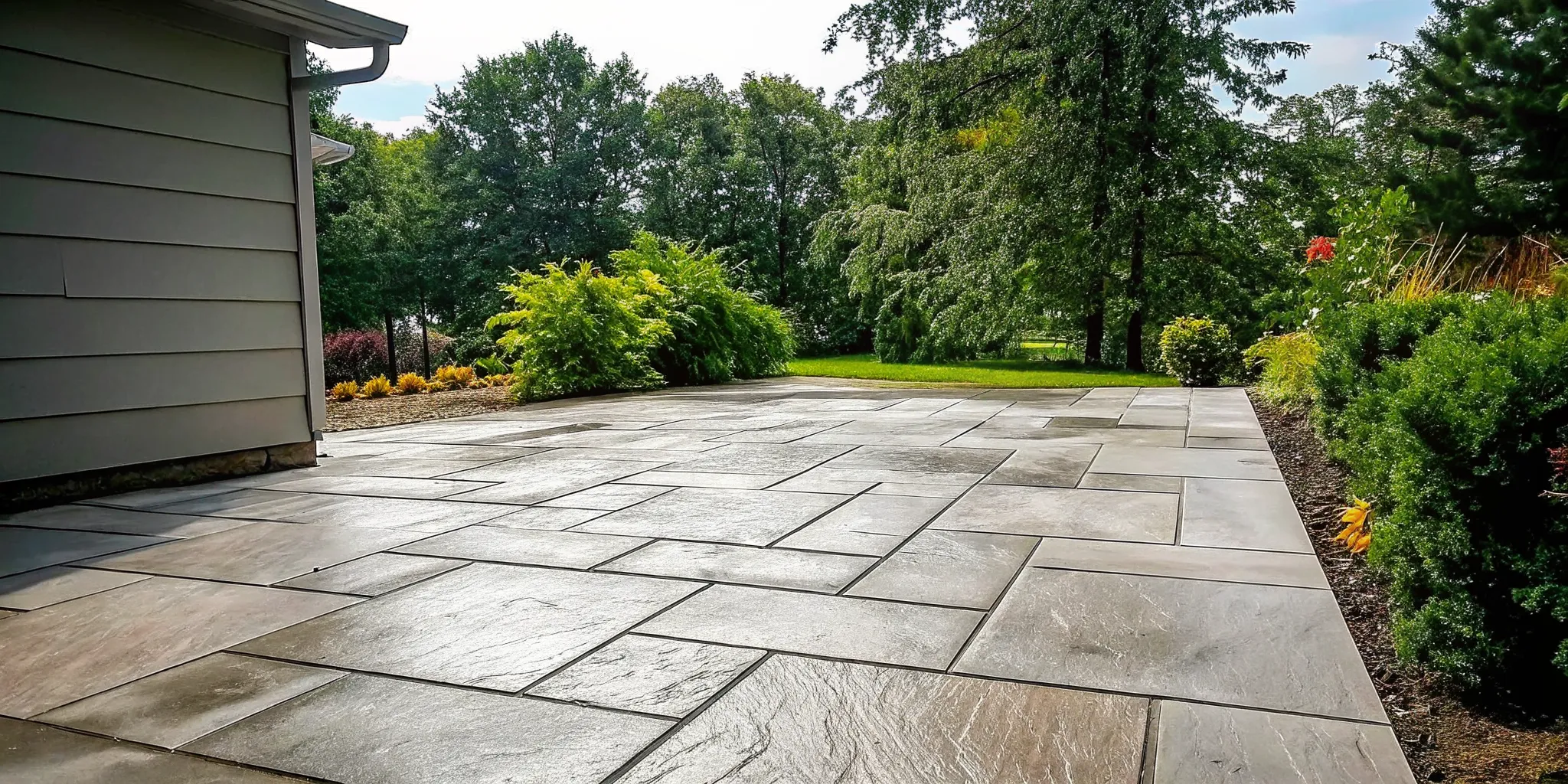
True efflorescence has a unique look and feel. It usually shows up as a fine white powder or a thin, cloudy film on the surface of your pavers. If you touch it, the mark may feel gritty or rub off on your finger like chalk. It often appears after a big rain or a long damp spell. This is because moisture carries the salts from inside the stone to the outside.
Pros say that efflorescence is just salt that water brings to the top. The salt can also look like a white ring or a blotch that covers a large area. It does not grow in clumps like mold. It also does not have a slimy feel like algae. If the white marks look like they are part of the stone and do not wash away with a light spray, they are likely salt. Using a professional paver restoration options service can help stop these salts from coming back.
Common look-alikes on your pavers
Other things can look just like salt stains. Mold and algae are the most common things people mistake for these marks. Mold often looks like fuzzy spots and can be white, grey, or green. Unlike dry salt, mold is a living thing that needs a damp home to grow. The EPA notes that mold can grow on almost any surface if there is enough moisture and air.
Another common cause is sealer haze. This happens when a sealer does not bond well with the stone. It creates a cloudy, white film that looks like salt but feels like plastic. You cannot wipe sealer haze away with your hand. You also have to watch out for hard water stains or dried mud. These can leave white crusts that look like salt but are just dirt from your yard or pool. The table below shows how to tell these marks apart.
| Type of Stain | Color and Look | Texture | Common Cause | Removal Tip |
|---|---|---|---|---|
| Efflorescence | White powder | Chalky and dry | Moving salts | Dry brushing |
| Mold or Algae | Green or grey | Fuzzy or slimy | Damp spots | Soft washing |
| Sealer Haze | White film | Hard and smooth | Bad bond | Chemical strip |
| Hard Water | White rings | Rough and stiff | Pool water | Acid wash |
Why the white stains return
You might clean your pavers only to see the white marks come back a week later. This happens because the salts are often deep inside the stone or the soil beneath it. Every time it rains, the water wakes up those salts and pulls them to the top again. It is a cycle that can last for many months. The porous nature of concrete and brick makes it easy for water to move through them like a sponge.
To stop this cycle, you must control the moisture. Good drainage is key to keeping your patio dry and salt-free. If water sits under your pavers, the salt will keep rising to the top. This is why many people choose to seal their stone after a deep clean. A good seal blocks the path of the water. But you must wait for the stone to be fully dry before you seal it. If you trap moisture inside, you might end up with more haze instead of a clear finish.
Not sure whether the film is efflorescence, sealer haze, or organic growth? Ask Gulf2Bay Softwash to assess the paver system before treatment.
Which DIY methods can damage pavers and joints?
Homeowners often want to save money by cleaning their own patios. But some common DIY steps can do more harm than good. When you look at how to remove efflorescence from pavers, you must be careful. Using the wrong tool or chemical can leave lasting marks. It can also weaken the structure of your walk or drive. It is vital to know which items to avoid to keep your home in top shape.
The risks of harsh acids and household cleaners
Many people use muriatic acid to clean stone. This acid is very strong and can eat away at the concrete surface of your pavers. It can also change the color of the stone in ways you do not want. This damage is often hard to fix and can lead to a rough feel that catches more dirt. If you use this acid, you must use it with great care and the right tools.
Vinegar is another common choice for home projects. While it seems safe, the high acid levels in some vinegar can harm the seal or the stone over time. Efflorescence is a white mineral deposit carried to masonry surfaces by moisture. You can read more about this at Unilock’s guide on efflorescence. If you use a harsh acid to remove it, you might strip the top layer of the paver. This makes the surface more likely to stain in the future. Always follow expert paver cleaning guidance to keep your stone safe and bright.
How high pressure and metal tools hurt paver joints
Pressure washers are powerful tools that can strip away dirt and mold. But too much force can blow the sand out of the joints between pavers. This sand is not just for looks. It keeps the stones in place and stops weeds from growing in the cracks. If the sand is gone, the pavers can shift or sink when you walk on them. This creates a trip hazard and looks messy.
Metal brushes are also a bad choice for most DIY paver work. The stiff wire can scratch the surface and leave small bits of metal behind. These bits can rust and cause orange stains that are very hard to get out. It is better to use a soft brush or a pro tool. A safe cleaner for pavers should be tested on a small hidden area first to ensure it does not harm the stone. You can learn about paver cleaning and resealing guidance to see how the pros handle these jobs without any risk of damage.
The danger of sealing too soon and poor drainage
Some owners try to seal their pavers as soon as they see white salt marks. This is a big mistake that can cost a lot to fix. If you seal over efflorescence, you lock the white film under the clear coat. This makes it very hard to clean the salt away without stripping the seal off first. You should wait for the salt to stop coming out before you apply any new seal to the surface.
Good drainage is also key to keeping your pavers in top shape for years. If water sits on the stones for too long, it will pull more salts to the surface through the pores. This leads to more white marks and can even cause the pavers to shift in the soil. Make sure your patio or walk has a slight slope to let water run off quickly. This simple step will help your outdoor space last much longer. It also stops the moisture cycle that causes most white salt marks to form in the first place.
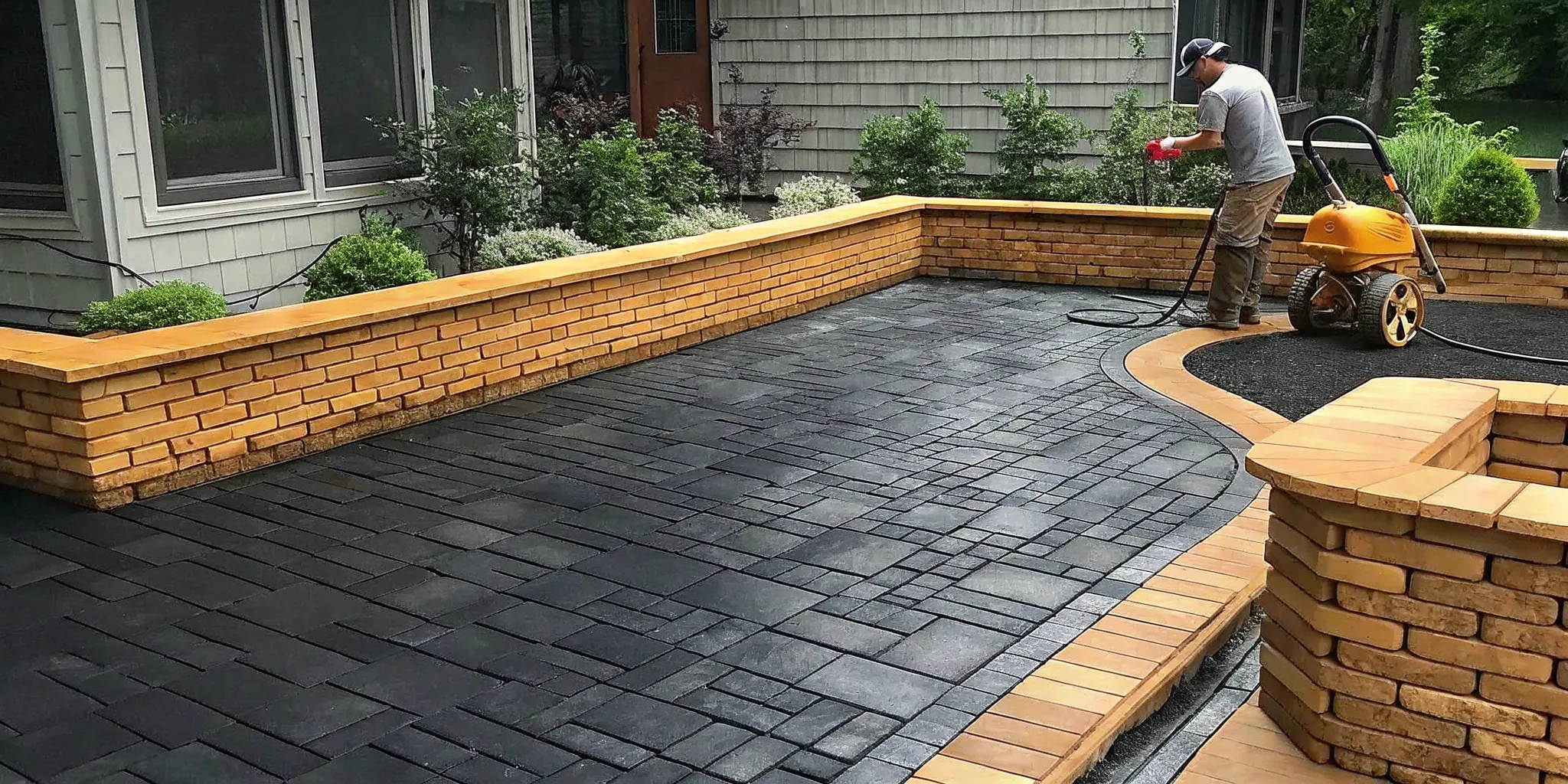
When should you call a paver cleaning professional?
Call a professional when a test patch changes the paver color, the deposit returns after complete drying. The installation includes a failed or unknown sealer, or cleaning would disturb deteriorated joint sand. Recurring white deposits can also justify a broader assessment of drainage and moisture movement rather than another surface-only treatment.
Gulf2Bay Softwash can evaluate the paver material, joint condition, surrounding landscaping, and likely source of the residue before recommending a treatment. This measured approach is especially important for large driveways, premium patios, and installations where an aggressive DIY attempt could create a visibly uneven finish.
Handling stubborn white salt stains
One of the most common issues homeowners face is a white, chalky film on their stones. This is known as efflorescence. According to Unilock, efflorescence is a white mineral deposit carried to masonry surfaces by moisture. While it is not harmful to the stone itself, it can be very hard to get rid of without the right tools. It often comes back even after you think you have cleaned it all off.
Learning how to remove efflorescence from pavers often needs pro cleaners that break down the salt. If you use the wrong chemical, you could etch the stone or kill your lawn. A pro knows how to mix the right solution for your specific type of paver. They also make sure the runoff does not harm your garden or your plants. This level of care is hard to match when you are working on your own with store-bought soaps.
Spotting drainage and joint issues
If you see white stains or moss coming back shortly after you clean, you may have a bigger problem. Repeat deposits often show that water is trapped under your pavers. This could be due to poor drainage or a failing base. A pro can spot these red flags and suggest a long-term fix before your patio starts to shift or sink. Fixing the root cause is the only way to stop the stains for good.
Gaps in your paver joints are another sign that it is time for expert help. When the sand between your stones washes away, weeds and ants can move in fast. Pro teams use high-powered tools to clear out old debris and install fresh sand. This step is vital for the strength of your walkways and driveways. It also makes the surface look much cleaner and more even across your entire yard.
Protecting your stone with expert sealing
Once your pavers are clean, you need to keep them that way. Many people try to seal their own stones but end up with a cloudy or peeling finish. This usually happens because the stone was not fully dry or the sealer was not put on evenly. A professional paver sanding and sealing service makes sure the job is done right the first time. They use tools that apply the sealer in a smooth, thin layer.
Pros use high-grade sealers that protect against UV rays and oil spills. They also test each product on a small spot to make sure it looks great before they start the whole job. This careful approach helps your outdoor space stay beautiful for years. If you are tired of fighting stains and weeds, call an expert. It is the best way to get a like-new look for your home. You will save a lot of work and get a result that lasts much longer.
Frequently Asked Questions
Will vinegar remove efflorescence from pavers?
Vinegar is a mild acid that can help dissolve white mineral salts on your pavers. You should mix it with water and apply it to a small spot first to check for any color changes. According to Unilock, testing a small area ensures you do not harm the stone surface. Rinse the area well with clean water after use to prevent damage to the joints.
Does efflorescence go away on its own?
Yes, these white salt deposits will often wash away over time as weather cycles occur. Rain and snow can slowly move the salts out of the stone. However, this process can take months or even years to finish. If you want a clean look now, you can use specialized tools and cleaning products. Proper paver cleaning guidance helps you manage the look of your patio safely without waiting for nature.
Can you seal pavers with efflorescence?
You should never apply sealer over white mineral deposits. Sealing the salts will trap them under the clear coat and make them very hard to remove later. It is best to clean the pavers and wait for them to dry fully before sealing. If you need help with this step, you can hire a team for professional paver sanding and sealing. This ensures your stones look great and stay protected for a long time. For detailed information on choosing the right sealer, read our comprehensive paver joint stabilizing sealer guide.
Can pressure washing remove efflorescence?
A pressure washer can remove white salt buildup, but you must be careful. High pressure can damage the stone or wash away the sand in the joints. It is better to use a soft wash method or a stiff brush with water. Always use low pressure to avoid making the surface rough. Professional cleaners often use special soap to dissolve the salts safely. This helps your patio look new without causing any permanent harm to the masonry.
Ready to get a professional paver cleaning assessment?
Persistent white salt buildup can signal recurring moisture movement through the paver system. If you wait too long, these mineral stains can become much harder to remove and may lead to costly cracks in your stone. Letting the salt sit also makes your patio look old and dull. Taking care of your pavers right now will keep your outdoor space safe and help your yard look great for years. You can save time and money by fixing the issue before the weather gets worse. Our team uses safe methods to clean your stones and stop the salt from coming back. This helps keep your home value high and your driveway strong.
Ready to request a professional paver cleaning and sealing assessment? Call +1(631)894-6751 to talk to a specialist about professional paver sanding and sealing.