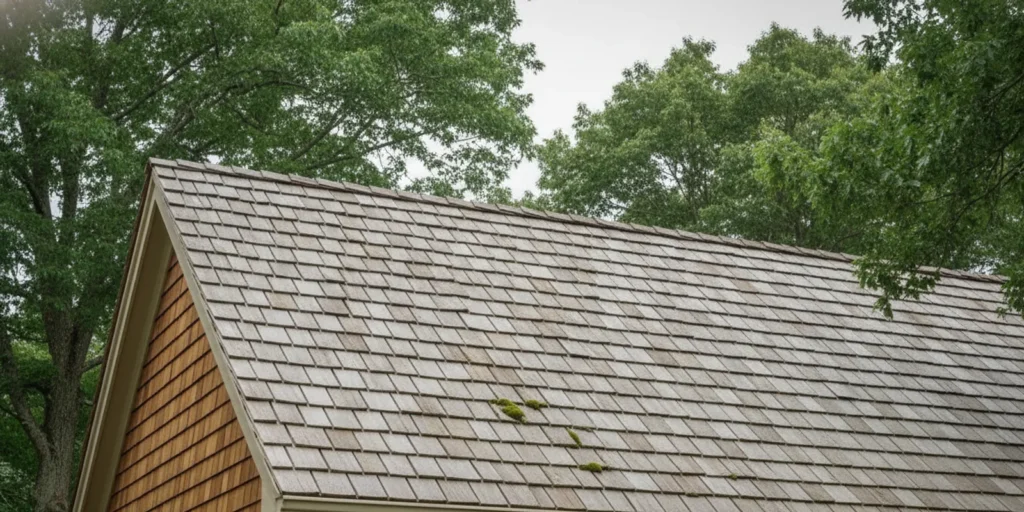
Should cedar shakes be sealed? Not automatically. A coating may be appropriate for some cedar roofs, but the right decision depends on the roof’s condition, its existing treatment, and whether the proposed product is compatible with the assembly. Cedar needs protection from weather, but it also needs a safe way to dry. Applying a coating without understanding those conditions can create problems instead of solving them.
Request a cedar exterior assessment
This guide focuses on cedar roof shakes. Cedar siding is a different application, and guidance for one should not be transferred to the other. If you mean cedar siding, review Gulf2Bay’s cedar restoration information and ask what approach fits the material and its current finish. For a cedar shake roof, use the steps below to organize the decision and identify when a roofing professional should inspect it.
Should cedar shakes be sealed, or left to weather naturally?
There is no one answer that applies to every cedar roof. Some homeowners prefer the natural weathering of untreated cedar. Others may consider a compatible treatment to address a particular maintenance goal, such as limiting water absorption or preserving a chosen appearance. Whether that treatment makes sense depends on the product, roof design, condition of the shakes, and the manufacturer’s directions.
“Sealed” can mean different things in a conversation. It may refer to a penetrating water-repellent treatment, a stain or finish that changes the color, or a film-forming coating that sits on the surface. Those products do not behave the same way. A product described as a sealer is not automatically suitable for a cedar roof, and one intended for siding or a deck may not be appropriate for roof shakes.
Start with the specific problem you want to solve. Are you trying to preserve a color, slow water uptake, address surface growth, or respond to leaks? A finish cannot repair a cracked or missing shake, correct a flashing problem, or restore a roof that has reached the end of its useful life. If there is water entering the home, loose material, or widespread damage, arrange a roof inspection before discussing a coating.
What does cedar need from a roof treatment?
Cedar is a natural wood material exposed to rain, sun, wind, and changing temperatures. A treatment should be judged not only by what it may add, but also by what it might interfere with. In particular, the roof must be able to manage moisture and dry as intended. A finish that forms an unsuitable surface layer, is applied over damp wood, or conflicts with an existing treatment can create a maintenance problem.
The Cedar Shake & Shingle Bureau’s guidance on underlayment and eave protection notes that rot and felting can prevent shakes and shingles from drying properly and cautions against covering the entire roof deck with non-breathable material. That bulletin is about roof assembly details, not a product recommendation for sealing shakes. It is useful context for one principle: cedar roofing decisions should preserve appropriate drying, and a roof coating should not be selected by label alone. Read the bulletin at Cedar Roof Underlayment, Interlayment and Eave Protection.
Wood’s appearance also changes with exposure. Cedar may weather to a gray tone, and a coating intended to maintain color will require a different plan from a treatment intended to leave the wood looking natural. No finish should be chosen just because a sample looks attractive on new wood. Ask how it will look on the existing roof and how future maintenance will work if the color or sheen changes unevenly.
What should you check before considering a sealer?
Before buying a product or booking application, gather enough information to describe the roof. A careful initial review helps you avoid treating a roof that first needs repair or a different kind of maintenance.
- Confirm the material. Make sure the roof is cedar shakes or shingles, rather than another wood product or a manufactured roof that resembles cedar. If you are unsure, have a qualified professional identify it before selecting a treatment.
- Look for active roof problems. From a safe location on the ground, note missing, split, curled, loose, or visibly deteriorated shakes, damaged flashing, sagging areas, and signs of water inside. Do not climb onto a steep or fragile roof to investigate. A coating is not a substitute for repairs.
- Find out what is already on the wood. Ask the previous owner, roofer, or maintenance provider about earlier stains, water repellents, or other coatings, if that history is available. Different finishes can be difficult to identify by appearance alone, so do not guess at compatibility.
- Consider moisture and drainage. Note areas that stay shaded, accumulate debris, or appear slow to dry. Keep gutters and roof drainage in view, but do not assume that a darker patch alone proves a leak or decay. A professional inspection can distinguish surface appearance from a roof defect.
- Define the result you want. Decide whether your priority is preserving a particular appearance, addressing a maintenance concern, or investigating a roof issue. A coating is not a universal solution for all three.
- Check product documentation. The written directions should identify the intended use, surface preparation, moisture limits, application conditions, maintenance interval if stated, and compatibility restrictions. If the directions do not clearly cover cedar roof shakes and your existing finish, pause and ask the manufacturer or a qualified roofing professional.
How do you compare sealing with other cedar roof choices?
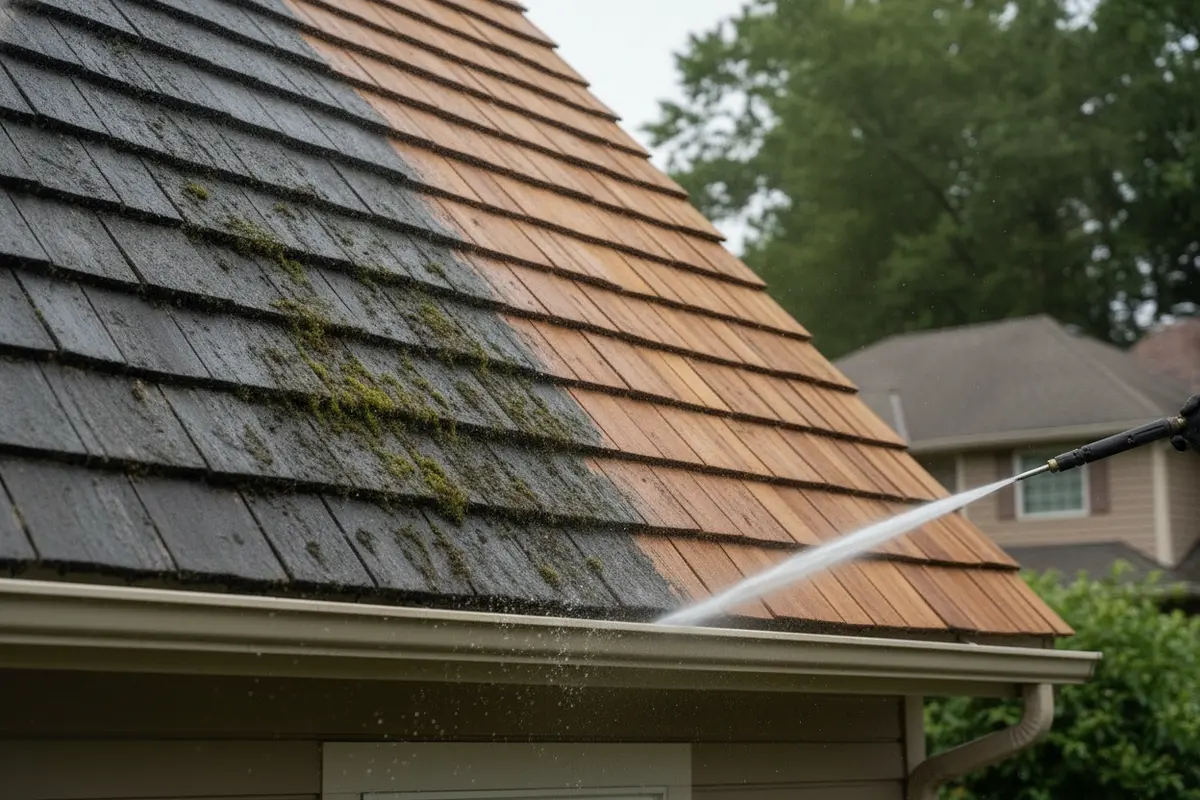
Sealing is one possible maintenance choice, not the default answer to every concern. Compare it with leaving sound cedar untreated, cleaning where appropriate, or arranging repairs. The table is a starting point for a conversation, not a substitute for an on-roof assessment when one is needed.
| Option | May fit when | What to confirm | Important limit |
|---|---|---|---|
| Leave the shakes untreated | The roof is sound and the owner accepts natural weathering. | That the roof is being maintained and inspected as recommended for its condition. | Untreated does not mean maintenance-free; visible damage still needs attention. |
| Apply a compatible treatment | There is a clear goal and product directions explicitly fit the roof material and existing finish. | Drying, preparation, compatibility, appearance, application method, and future upkeep. | A coating cannot fix damaged shakes, flashing, or leaks; an unsuitable product may create new concerns. |
| Clean the roof surface | Surface debris or growth is a concern and a professional determines cleaning is suitable. | Material condition, cleaning method, water management, and protection of surrounding areas. | Cleaning does not seal wood or repair a roof defect. Aggressive methods can damage a delicate surface. |
| Repair or replace affected areas | Shakes are missing, split, loose, or otherwise damaged, or the roof has a suspected defect. | Cause, extent, matching materials, flashing, and whether a roofer should assess the full roof. | Surface treatment is not a repair and should not delay investigation of water intrusion. |
For any proposed treatment, ask the provider to explain why it is suitable for your roof specifically. A reliable answer should connect the recommendation to the observed condition and the product’s written instructions. Be wary of a blanket recommendation made without identifying the material, checking the existing finish, or discussing how moisture will be managed.
How should you plan the decision from inspection to next step?
A deliberate sequence can make the choice clearer and prevent a surface treatment from getting ahead of needed roof work. First, write down what prompted the question. “The roof looks gray” is different from “water appeared near a ceiling after rain.” Note when the concern began, whether it changes after weather, and which roof area seems involved. These observations help a professional focus an inspection, but they do not diagnose the cause.
Next, separate appearance goals from performance concerns. If your main goal is to retain a warmer cedar color, ask about the expected color change, how evenly the existing shakes may take a finish, and what maintenance will be required later. If your goal is to address moisture, ask what evidence indicates that treatment is suitable and how it preserves drying. If the concern is a leak or loose material, prioritize a roofer’s assessment rather than choosing a finish.
Before approving work, request the product name and written instructions, the proposed preparation method, and a description of what areas will be treated. Ask how the provider will handle surfaces that are damp, damaged, previously coated, or difficult to identify. If the answer is “we will know once we start,” clarify what happens if the surface is unsuitable. Agreeing on a stop point before work begins can prevent a small uncertainty from becoming a whole-roof application.
Finally, keep a record. Save the product details, date of work, photographs taken from safe vantage points, and any maintenance guidance. If you later need repairs or another treatment, that information can help the next professional understand what was applied and when. Avoid assuming a product’s claimed service life applies to your roof without considering exposure and the actual written warranty or maintenance terms.
How can Long Island conditions affect cedar shakes?
Long Island roofs experience seasonal changes, wind-driven rain, strong sun, and coastal exposure. The exact conditions vary from one property to another. A roof near the coast, under tree cover, or beside buildings that limit airflow may not dry at the same rate as a more open roof. Shade, debris, roof pitch, ventilation, and upkeep can all affect the conditions a professional sees.
That does not mean every cedar roof in Nassau County or the Hamptons needs a sealer. Regional exposure makes a property-specific inspection more important, not less. The same product and maintenance schedule should not be assumed to suit every roof. Ask the person assessing it to identify any localized wet or shaded areas, describe the existing finish as far as it can be determined, and explain what evidence supports the proposed next step.
Keep roof maintenance distinct from cedar siding maintenance. A contractor’s experience with cedar siding does not by itself establish that a particular product is suitable for a cedar roof. Gulf2Bay describes its work and specialties on its residential exterior services page, and its company background includes cedar restoration expertise. When you contact a provider, be specific that you are asking about a cedar shake roof and confirm that the requested inspection or work is within its scope.
What questions should you ask before hiring someone?
Use a short, direct list when discussing the roof. The goal is to understand the reasoning and limits of the recommendation before any work begins.
- What did you observe that makes you recommend a coating, cleaning, repair, or no treatment?
- Is the product specifically intended for cedar roof shakes, and where do its written instructions say that?
- How will you determine whether the cedar is dry enough for the proposed work?
- Could the existing finish affect adhesion, appearance, or compatibility?
- How will the work preserve the roof’s ability to dry?
- What roof repairs or safety concerns should be addressed first by a roofing professional?
- What preparation, follow-up maintenance, and limits should I expect?
- What is included in the estimate, and what is excluded?
A provider should be able to explain the recommendation in plain language and distinguish cosmetic maintenance from roof repair. For related context on evaluating cedar after severe weather, see this guide to cedar restoration and storm damage. For roof-surface cleaning questions, Gulf2Bay also has information about soft-wash roof cleaning and common roof-cleaning mistakes. Neither topic should be mistaken for a recommendation to seal a cedar shake roof; confirm the material and scope before choosing a service.
When is sealing not the next step?
Do not start with a sealer if you have an active leak, damaged flashing, widespread split or missing shakes, or soft and deteriorated wood. Those conditions call for inspection and, where needed, repair by a qualified roofing professional. A coating may hide the appearance of a problem temporarily without resolving its cause.
It may also be sensible to wait when the product’s intended use is unclear, the wood is damp, or no one can verify what finish is already present. A careful pause is preferable to applying an incompatible product across a large roof. Ask for the recommendation, product information, and proposed preparation in writing. If the answer depends on a condition that cannot be assessed safely from the ground, arrange an appropriate professional inspection rather than attempting a close-up look yourself.
Homeowners considering cedar restoration can review the cedar service information and contact Gulf2Bay to ask whether the specific roof question fits its service scope. The company specializes in high-end exterior materials and cedar restoration, but the right next step for a roof depends on its condition and the work requested.
Discuss your cedar roof with Gulf2Bay
Frequently asked questions
Can you seal cedar shakes yourself?
It may be possible for an experienced homeowner to apply a product whose written directions clearly cover the specific roof material and existing finish. Roof access is a separate safety issue, and the product must be suitable for the roof. Do not climb onto a steep, wet, fragile, or unfamiliar roof. If you cannot confirm the product, condition, and safe application method, seek qualified help.
Does cedar turn gray if it is not sealed?
Cedar can change color as it weathers, including taking on a gray appearance. Whether to preserve a particular color is an aesthetic choice, but the finish used to pursue that result must still be appropriate for a roof and compatible with its condition. Color change alone does not establish that the shakes need sealing or replacement.
Can a sealer stop a cedar roof leak?
No surface treatment should be treated as a dependable repair for a leak. Water entry can involve damaged shakes, flashing, or another roof detail. Have the source investigated and repaired by a qualified roofing professional before considering cosmetic or preventive treatment.
Is roof sealing the same as cedar siding treatment?
No. Roof shakes and siding have different exposures, details, and product requirements. A product or method suitable for siding should not be assumed to suit roofing. Identify the material and confirm the product’s intended use before work is planned.
What should you remember about sealing cedar shakes?
Ask whether the proposed product fits the cedar roof, its current condition, and its existing finish—and whether the roof can still dry appropriately. Treat repairs and leaks as roofing issues, not sealing jobs. When the recommendation is based on an inspection, clear product guidance, and a defined maintenance goal, you can make a more informed choice than simply sealing every cedar roof by default.