A driveway can look clean while oil, algae, and moss continue working into its surface. On Long Island, moisture, coastal exposure, and freeze-thaw cycles give those contaminants more opportunities to stain concrete, weaken paver joints, and create slippery walking areas.
The benefits of pressure washing driveway maintenance go beyond curb appeal: removing organic growth and embedded grime helps protect concrete and pavers, reduce slip hazards, and extend the useful life of the driveway. The method matters. Low-pressure, surface-specific cleaning can remove contamination without etching concrete or disturbing nearby landscaping.
Microorganisms can contribute to the chemical and mechanical deterioration of construction materials, while moss roots may widen existing cracks and contribute to spalling, according to research on concrete biodeterioration and guidance from the Concrete Society. The practical question is what regular driveway cleaning protects first, and why the right technique makes the difference.
Call 844-422-9274 or get a free driveway cleaning estimate for your Long Island home today.
The Benefits of Pressure Washing Your Driveway Go Beyond Curb Appeal
A driveway is more than the first surface visitors see. It takes daily tire traffic, winter moisture, salt, oil drips, leaf debris, and the growth that thrives in shaded, damp areas. Cleaning it at the right pressure removes those contaminants before they become a surface-maintenance problem.
Cleaning protects the surface you already paid for
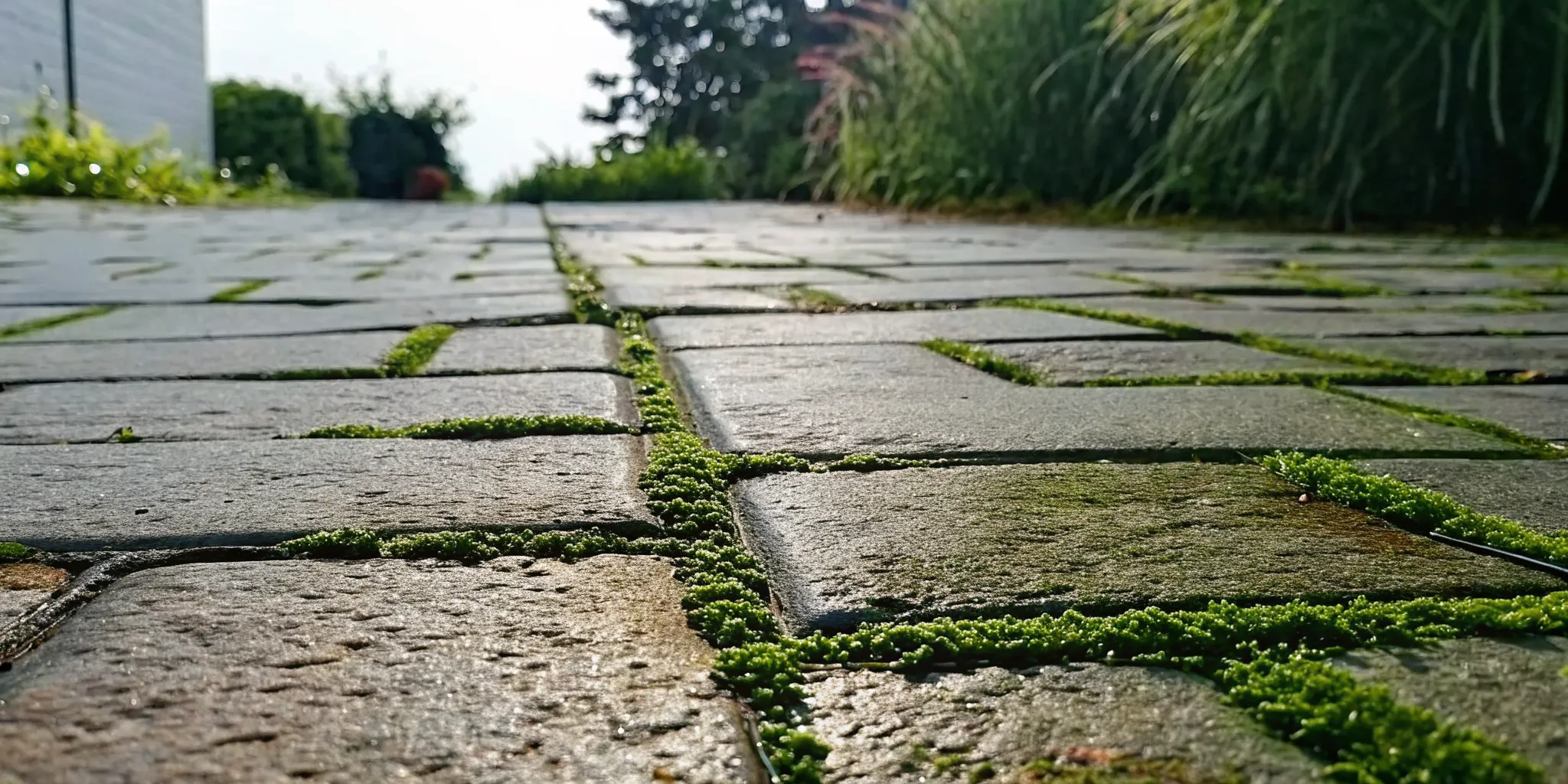
Concrete and pavers are durable, but they are not indestructible. Dirt holds moisture against the surface. Organic growth can work into joints, pores, and small existing defects. Oil and other residues can leave stains that become harder to remove the longer they sit.
That is why driveway cleaning should be treated as asset care, not a cosmetic reset. Removing buildup helps preserve the finish, keeps joints and edges visible for inspection, and gives you the chance to catch cracks, settling, or drainage problems before they become expensive.
Low pressure matters on Long Island properties
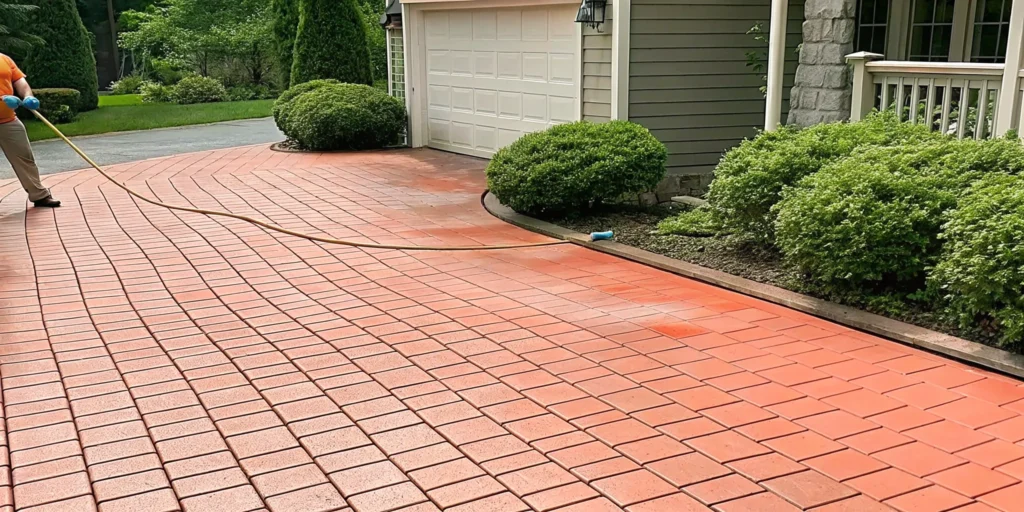
More force is not automatically better. High-pressure equipment can etch concrete, strip the surface, dislodge paver joint material, and damage nearby grass, beds, or delicate plantings. A specialized low-pressure application is designed to clean the surface without abusing it. Gulf2Bay’s documented method specifically uses low pressure to help prevent damage to concrete, pavers, and surrounding landscaping (source).
The goal is controlled removal, not the most aggressive blast possible. Surface type, condition, stains, drainage, and nearby landscaping should determine the method. That distinction is especially important on premium properties with decorative pavers, exposed aggregate, older concrete, or carefully maintained coastal plantings.
Longer-lasting results reduce repeat wear
Soft washing addresses biological contaminants at the root instead of only removing what is visible on top. According to Gulf2Bay’s service guidance, those results can last four to six times longer than traditional pressure washing (source). Longer-lasting treatment means fewer disruptive cleanings and less repeated mechanical stress on the driveway.
A clean driveway can also support broader property upkeep, including increasing curb appeal. But appearance is only the starting point. The more serious concern is what persistent green growth can do to concrete and pavers over time. The next section explains how moss and algae gradually turn a cleaning issue into potential surface damage.
How Moss and Algae Slowly Damage Driveway Concrete and Pavers
Green growth on a driveway is not only a cosmetic problem. Moss, algae, and other microorganisms can keep the surface damp, work into weak points, and gradually reduce the performance of the concrete or pavers beneath them.
Algae weakens the surface through chemical and mechanical action
Microalgae and moss contribute to what researchers call microbial biodeterioration. The process can create both chemical and mechanical degradation on construction materials, including concrete. In practical terms, biological growth can alter the surface while holding moisture against it, making a stained, slick driveway more difficult to maintain over time. Research published by Springer identifies microbial growth as a major cause of deterioration in construction materials.
That does not mean every green mark signals immediate structural failure. It does mean recurring growth deserves attention before it becomes embedded in the surface. Removing the visible film without addressing the biological source often leaves the driveway ready to discolor again.
Moss can enlarge cracks and contribute to spalling
Moss becomes more concerning when it establishes itself in existing cracks, joints, and small surface defects. As roots penetrate weak areas, they can create bursting stresses that increase crack size and may contribute to spalling, where pieces of the concrete surface break away. The Concrete Society explains how biological growth affects concrete, including the role of roots in widening cracks.
Long Island’s freeze-thaw cycles add another reason to remove growth promptly. Water held in cracks and porous joints can freeze, expand, and loosen already-weakened material. Moss does not cause every driveway crack, but it can help keep the area wet and give small defects more opportunity to worsen.
Pavers have their own weak points. Organic matter can collect in joints, encourage continued growth, and interfere with the stable, clean surface needed for maintenance. Before sealing, remove the growth and allow the system to dry properly. For ongoing care, see this guide to protecting paver surfaces. Concrete owners dealing with separate discoloration can also review removing rust from concrete.
Clean Driveways Are Safer Driveways for Your Family
A driveway is part of the route your family and guests use every day. When algae, moss, or other organic growth coats the surface, moisture can turn that route slick, especially after rain or coastal storms.
Why algae and frost increase the risk
Biological growth is not only a cosmetic issue. Research on construction materials identifies microorganisms as a cause of biodeterioration, creating chemical and mechanical changes on surfaces. The same research notes that outdoor biological growth can contribute to slipping hazards on exterior surfaces, including driveways. Read the research on biodeterioration and slip risks.
Long Island’s coastal climate adds another variable. A dirty surface can hold moisture in its texture and low spots. When temperatures drop, that moisture can frost or freeze across the walking path. Repeated freeze-thaw cycles make the surface less predictable underfoot, even when the driveway does not look dramatically damaged.
This is not a reason to panic over every green spot. It is a reason to deal with growth before the first icy morning, and to pay attention to areas that stay shaded or damp.
What a safer cleaning plan looks like
- Check the walking route from the front steps to the street, including edges where guests may step.
- Look for green film, black staining, moss, or slick patches that remain damp after the rest of the driveway dries.
- Schedule cleaning before seasonal freeze-thaw conditions, rather than waiting for a slip or cracked surface.
- Use a surface-appropriate method that removes contamination without damaging concrete, pavers, joints, or nearby landscaping.
For concrete and pavers, low-pressure application helps prevent the surface damage that high pressure can cause. The goal is a clean, stable surface, not an aggressively etched one. Once organic growth and embedded grime are removed, the driveway is also in better condition for the next maintenance step: preparing pavers for sealing and longer-term protection.
Driveway Cleaning Prepares Pavers for Sealing and Long-Term Protection
Sealer cannot correct a dirty paver surface. It can lock in the discoloration, organic growth, and residue already sitting in the joints and pores. Cleaning must come first, before any product is applied.
Why clean pavers before applying sealer?
Driveway cleaning removes moss, algae, soil, and other organic matter that interfere with even sealer coverage. It also exposes the actual condition of the pavers, including stained areas, damaged joints, and spots that need additional treatment.
Regular cleaning helps prevent moss and algae from compromising paver integrity and the structural stability of the surrounding surface. That is especially important on Long Island, where moisture, shade, coastal exposure, and seasonal weather can keep organic growth active.
The maintenance principle is straightforward: remove the growth before it has more time to settle into joints or exploit small weaknesses. Research on biological deterioration identifies microorganisms as a cause of chemical and mechanical degradation on construction materials, including concrete and masonry surfaces. Surface-specific cleaning methods address the contamination without treating every driveway like a generic concrete slab.
Sealing protects a prepared surface
Once the pavers are clean and fully prepared, sealing helps stabilize the appearance and supports easier ongoing maintenance. The preparation determines how the finished surface looks. Sealing over moss, algae, or embedded soil can make that damage permanent, leaving a patchy finish and trapping contamination beneath the coating.
For a detailed maintenance sequence, read this guide to sealing your paver driveway. If the surface needs both cleaning and protection, Gulf2Bay Softwash also provides paver cleaning and sealing for residential properties.
Clean first. Inspect next. Seal only when the pavers are ready.
Soft Washing vs. Pressure Washing: What Your Driveway Needs
Concrete and pavers need cleaning, but they do not need the same treatment as a commercial loading area. The right method removes algae, moss, and embedded grime without driving water into joints, etching the surface, or blasting nearby landscaping.
Match the cleaning method to the surface
Traditional pressure washing relies on force to strip growth from the top of the driveway. That can produce a fast visual change, but it may leave biological contamination behind and put unnecessary stress on aging concrete, paver joints, and decorative edges.
Soft washing uses low pressure with a compatible cleaning solution. The solution treats biological growth at the root instead of merely removing the visible layer. Gulf2Bay’s documented results last four to six times longer than traditional pressure washing, while the low-pressure application helps prevent damage to concrete, pavers, and surrounding landscaping.
| Consideration | Soft washing | Traditional pressure washing |
|---|---|---|
| Method | Biodegradable cleaning solution treats growth at the root. | High-pressure water removes surface dirt and growth mechanically. |
| Pressure level | Low pressure selected for the driveway material and condition. | Higher pressure creates more impact on concrete, pavers, and joints. |
| Water use | Uses approximately one-third the water of pressure washing. | Uses substantially more water for the same cleaning area. |
| Chemical compatibility | Uses 100% biodegradable, EPA-compliant cleaning chemicals. | Often depends primarily on water force rather than surface-specific treatment. |
| Longevity of results | Root-level treatment can last four to six times longer. | Surface removal can allow regrowth sooner. |
For residential paver and concrete driveways, low-pressure treatment is usually the more controlled choice. It addresses the cause of green growth while reducing the risk of surface damage and conserving water. Review these pressure washing driveway techniques before choosing a contractor or method for your property.
Pressure still has a place when a surface and condition call for it. The mistake is treating every driveway as if maximum force were automatically better. Surface material, joint condition, biological growth, and nearby plantings should determine the approach.
How Often Should Long Island Homeowners Clean Their Driveways?
For most Long Island homes, schedule a professional driveway cleaning at least once a year. Annual service removes dirt and organic growth before it becomes harder to treat, while giving concrete and pavers a cleaner surface before the region’s winter freeze-thaw cycle.
Clean before winter, not after damage appears
Fall is a practical time to clean. Moss and algae hold moisture against the surface, and repeated freezing and thawing can make existing cracks and weak areas worse. Cleaning before winter helps remove that organic buildup and gives the driveway a better starting point for the cold season.
Do not wait for the entire driveway to turn green. Low-pressure cleaning is designed to prevent damage to concrete, pavers, and nearby landscaping while removing the buildup that can compromise surface integrity. Regular maintenance is safer than aggressive cleaning after neglect.
Three times to schedule driveway cleaning
- At least annually: A yearly cleaning keeps ordinary dirt, algae, and moss from accumulating.
- Before paver sealing: Clean the surface first so the sealer can be applied to a properly prepared driveway. Dirt and organic residue left underneath can interfere with the finish.
- After severe storms or visible green growth: Heavy weather can leave behind soil, leaves, and moisture. Treat green growth when it appears rather than allowing it to spread.
These intervals are a starting point, not a rigid rule. A shaded driveway, a damp coastal property, and a surface surrounded by trees may need attention sooner. The real benefits of pressure washing driveway maintenance come from consistent, surface-appropriate care, not maximum water pressure. The next step is choosing a method that cleans thoroughly without treating premium concrete or pavers like an industrial slab.
Ready to find out what your driveway needs? Book your Long Island driveway cleaning today.
Frequently Asked Questions
What are the benefits of pressure washing a driveway?
Driveway cleaning removes surface grime, oil residue, algae, and moss before they become harder maintenance problems. It also improves traction, prepares pavers for sealing, and helps protect concrete and joints from ongoing organic buildup. The practical benefit is not only a cleaner entrance. It is a better-maintained surface with fewer avoidable safety and repair concerns.
Does pressure washing a driveway remove oil stains?
It can remove fresh and moderate oil staining, but results depend on the age, depth, and type of stain. Oil usually needs a targeted degreasing treatment before the surface is washed. Older stains may leave some discoloration even after proper cleaning, so avoid assuming that one high-pressure pass will restore the concrete completely.
How often should Long Island homeowners clean their driveways?
Once a year is a practical starting point for most Long Island homes, with additional cleaning after heavy storms, visible moss or algae growth, or before applying a sealer. Coastal moisture and freeze-thaw cycles can make buildup more persistent. Inspect the surface each season and address slippery growth or staining before it spreads.
Can pressure washing damage concrete or pavers?
Yes, excessive pressure or the wrong nozzle can etch concrete, loosen paver joint material, damage edges, and affect nearby landscaping. Surface-specific, low-pressure methods are designed to prevent damage to concrete, pavers, and surrounding landscaping. Read about pressure washing driveway techniques before choosing a method.
Ready to Refresh Your Long Island Driveway?
A properly cleaned driveway is easier to maintain and helps your home look cared for from the street. Book a driveway cleaning or pressure washing estimate with Gulf2Bay Softwash for your Long Island home. Contact Gulf2Bay Softwash online or call 844-422-9274 to discuss the surface and the right cleaning approach.