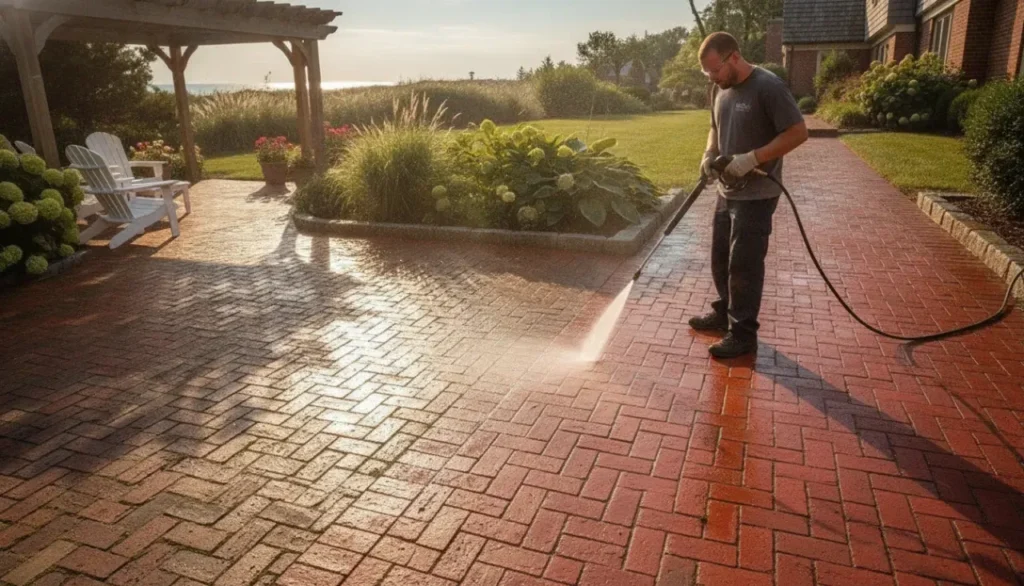
Sunlight and salt air turn rich, red Long Island brick pavers into a dull, chalky grey. This fading is not for good, but standard pressure washing will only make the damage worse. True restoration needs a more careful approach.
Professional brick paver color restoration is a specialized care process that cleans deep stains and seals the masonry to bring back its original, rich tone. Studies from academic researchers show that constant sun and salt exposure causes cumulative, irreversible color fading in outdoor masonry. To reverse this damage, professionals use low-pressure chemical washes to dissolve deep dirt and salt deposits without harming the delicate paver surface. They then apply a premium protective sealer to shield the block from UV rays, lock in the sand, and lock in the deep, renewed color. This complete care prevents future stains and keeps your custom patio and walkways looking clean and bright for years to come.
How do these tough stones lose their bright look in the first place? To find the right cure, we must understand the forces that bleach and stain your walkways. The path to a beautiful restoration begins with learning Why Brick Paver Color Fades.
Get a free brick paver color restoration quote from Gulf2Bay Softwash on Long Island
Why Brick Paver Color Fades
Brick pavers are built to last for decades on Long Island. But over time, they fade. Coastal salt air and harsh summer sun take a heavy toll on these hard surfaces. To fix this look, you must first understand why the color fades.
Sunlight and UV fading
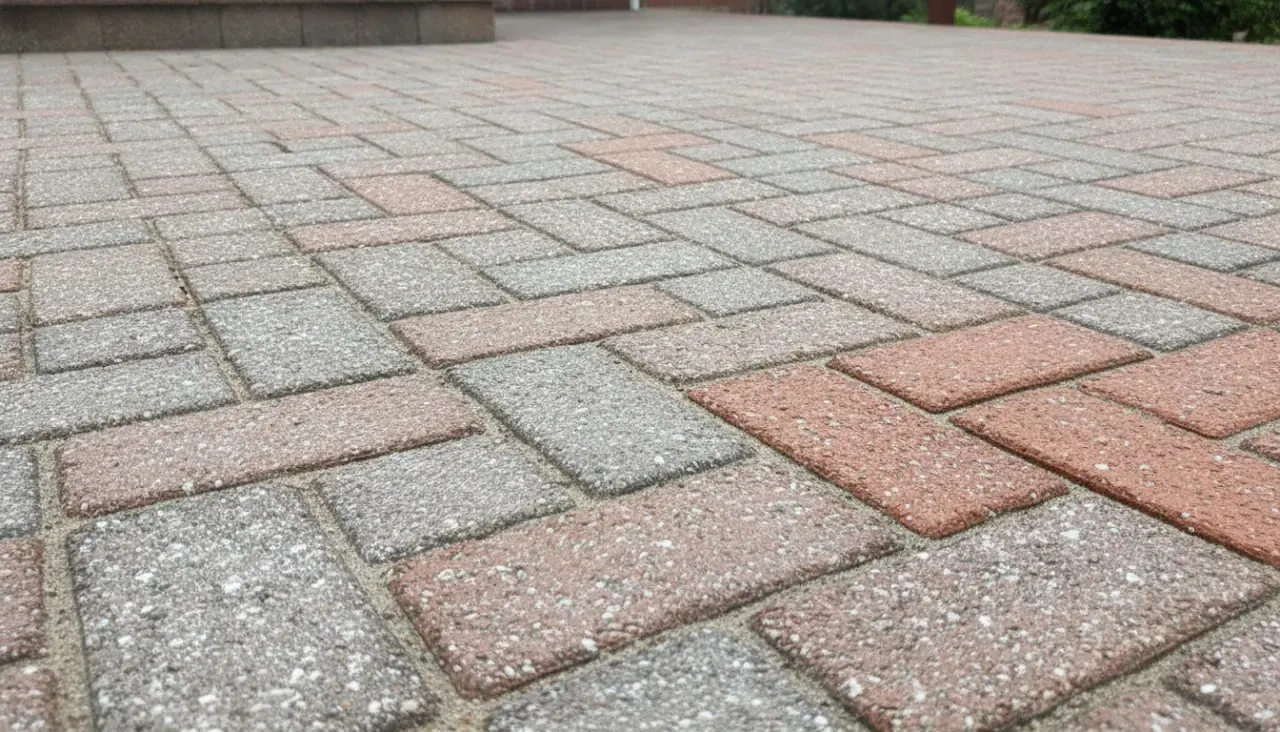
Sunlight is the main cause. Most pavers get their rich colors from added pigments. Constant light exposure causes permanent color fading in building materials. The UV rays break down bonds in the brick. Over the years, your warm patio turns a bland gray.
On the South Shore and in the Hamptons, pavers face intense summer sun. Without a shield, the stone surface wears down. The color pigment bleaches out. You must use a protective seal to block these UV rays.
White haze from salt air
Coastal homes deal with salt air every day. This salty air triggers efflorescence. It shows up as a dull, white haze on your brick. Research shows that salt efflorescence on pavers comes from cycles of salt drying and reforming inside the pores. This hides the true color.
When water carries salts to the top of the brick, it leaves a chalky coating behind. This white film ruins the look of your yard. You cannot just spray it away with a garden hose. True restoring paver color requires a deep chemical clean. This removes the salt buildup and lets the rich red or gray tones shine through once more.
Moisture and freeze-thaw damage
Long Island winters bring freezing cold and heavy wet snow. Brick is porous and acts like a sponge. Melting snow soaks deep into the stone. When that trapped water freezes, it expands by about nine percent. According to a federal technical bulletin, this freezing water expands and exerts strong pressure inside the brick. Over time, this constant force cracks the stone and peels the top layer away. This chipping leaves your patio looking patchy and worn.
As the surface breaks down, it becomes rough and loses its smooth finish. Dirt and algae find a home in these new tiny cracks. Once they set in, they block the natural tones of your stone. High-pressure washing will only make this cracking worse. You need a low-pressure wash and a solid seal to stop water from getting in.
Joint sand loss and weeds
Loose joint sand also ruins the look of your pavers. Strong winds and heavy rain wash the sand out. Once the sand is gone, weeds and moss take over the gaps. This green growth quickly stains the brick edges. Your beautiful patio soon looks old, worn, and faded.
How to Tell if Your Pavers Need Brick Paver Color Restoration
Brick pavers are a major part of your home curb appeal. Over time, salt air, harsh sun, and heavy rain take a toll on their look. If your driveway or patio has lost its shine, you must look for key signs. Here is my checklist to see if it is time to take action.
The Visible Signs of Fade
Your stone and clay surfaces tell a clear story when they start to break down. You can walk outside and inspect the surface on a dry day. Look for a dusty film that does not wash away with water. Here is what to check to see if your pavers need help.
-
Check for a dull or chalky film on the surface. Faded blocks often look dry, pale, and uneven instead of holding their deep red or brown tones. This chalky look shows that UV light has broken down the top layer of the clay.
-
Test for salt efflorescence. A white, powdery haze on your brick pavers is not just dirt. This film is salt efflorescence, which comes from water cycles that move salts through the porous stone. It leaves a stubborn, dull crust as the water dries.
-
Search for green and black spots. Algae, moss, and mold love to grow in wet joints and shaded spots. These growths leave deep dark stains that hide the brick tones and make the walkway slick. Simple washing will not kill the roots in the stone.
-
Inspect the joints for sand loss. If you see deep gaps between the blocks, your joint sand is washing away. When sand is gone, weeds grow fast and the blocks will shift and wobble. Gaps also let more water seep under the blocks, which ruins the base.
-
Watch how the stone acts in the rain. Faded blocks may look bright when wet, but they turn pale and dusty as soon as they dry. This change means the pores are wide open and absorb dirty runoff. Your hardscape needs a deep clean and seal to lock out the dampness.
Prepping Your Pavers for New Life
Before you can bring back the rich hues, you must clear away years of grime. I do not suggest standard high-pressure water, which can etch the clay. Call me to do it right. Instead, you should start with professional brick paver cleaning services. Specialist care lifts the deep dirt and prepares the pores to accept a fresh, protective coat. This prep work ensures your home entryway looks sharp and stays strong for years.
Cheap Pressure Washing vs. Professional Brick Paver Color Restoration
Many Long Island homeowners try to fix fading patios with a cheap pressure wash. It seems like a quick, low-cost fix. But blasting your stone or brick with high-pressure water can cause lasting harm. If you want a real, long-lasting professional paver color restoration, you must avoid harsh blasting.
The Hidden Dangers of High-Pressure Blasting
High-pressure streams can reach over three thousand pounds of force per square inch. This extreme power blasts away joint sand, etches the brick’s surface, and leaves the porous brick open to water. According to the National Institutes of Health, trapped water expands by nine percent when it freezes. This swelling creates inside pressure that cracks and spalls your pavers.
A cheap wash also fails to lift deep stains. It leaves behind mold and mildew roots. This means the dull, chalky look will return in just a few weeks. The high pressure can also ruin the slope of your patio, which leads to puddles and loose stones.
Why Sand Erosion Invites Weeds and Instability
When you blast a patio with high pressure, you wash out the sand between the joints. This sand holds your patio tight and keeps the stones from shifting. Without joint sand, weeds, moss, and ants will quickly take over your patio. Loose pavers will shift and sink, which ruins the flat surface of your patio.
The Science of Soft Washing and Sealing
Here is how I do it. Professional color restoration needs a safe, multi-step process. First, we use a mild soft wash with safe cleaners that dissolves deep grime, mold, and mildew without force. This method lifts deep stains and restores the bare stone without scratching the surface.
Cheap washes only clean the surface because they do not kill the algae and mold spores hiding deep in the stone’s pores. My soft-wash method uses green cleaners that target these pests at their roots. We let the cleaners work on the stone, then wash them away with a light, low-pressure rinse. This gentle process lifts grime and grease without causing any damage to the stone.
Sealing is the key step that blocks future damage. A high-quality sealer coats the brick’s surface, fills its pores, and prevents UV rays from fading the pigment. It also hardens the joint sand, which locks the stones in place and stops weed growth. Using a sealer every two to three years will keep your patio looking vibrant and clean.
| Approach | Cleaning Method | Risks | Result on Color | Sealant |
|---|---|---|---|---|
| Cheap Pressure Washing | High-pressure water only (3,000+ PSI) | Surface etching, joint sand loss, cracked pavers | Fades quickly, turns dull and chalky | None or cheap retail coat |
| Professional Restoration | Low-pressure soft wash and safe cleaners | None; gentle on stone and joints | Brings back deep, rich colors and locks them in | Premium joint-stabilizing sealer |
The Restoration Process That Brings Brick Paver Color Back
Faded brick pavers can make your whole yard look dull. True brick paver color restoration is a detailed job that takes more than a quick spray with a hose. Here is what I do to bring back that rich, fresh look. Proper restoration goes beyond simple cleaning by fixing the root causes of color loss before adding any sealer.
Deep Cleaning and Staining Treatments
Expert restoration begins with a deep cleaning to remove trapped dirt, grime, mold, and mildew. On Long Island, salt air and damp weather make these pests grow fast. If you just spray water, you leave the spores behind to grow under the new seal. A deep, chemical clean is the only way to kill them.
To get the best results, you must follow a clear plan. My process stops joint sand loss, cures mineral haze, and seals the brick. I use a multi-step sequence to renew the pavers on your Long Island property.
- Inspect and test: First, I check the patio for cracked bricks and loose joints. This helps find where the pavers need extra work.
- Low-pressure soft-wash: Next, I apply a mild, eco-friendly cleaner to break down dirt and algae. A gentle wash removes embedded grime without scraping the stone.
- Treat stains and efflorescence: I use targeted washes to clear dark grease stains and white salt haze. An expert wash dissolves these minerals to stop cycles of salt crystallization and dissolution that fade the brick surface.
- Re-sand the joints: After the pavers are clean, I sweep fresh joint sand into the gaps. This step strengthens the block system and stops erosion.
- Dry the surface: I let the bricks dry out fully before the sealing work starts. Moisture trapped inside can block the seal and cause a hazy look.
- Apply a quality sealer: Finally, I spray a top sealer over the bricks. This coats the surface to keep the joint sand in place and block UV rays.
Why Sanding and Sealing Matter
Proper restoration goes beyond simple cleaning. A simple wash might clear the dirt, but it does not fix joint sand loss or washout. For a complete fix, re-sanding joints after deep cleaning is a key step that keeps the surface stable. Without new sand, the bricks shift, weeds grow back, and water washes away the base.
Next, putting on a high-quality concrete sealer is needed every two to three years to protect pavers and prevent early fading. This clear layer shields the stone from strong UV rays and coastal salt air. Sealing also locks the joint sand in place. When you invest in restoring original paver tones, you protect your home value and keep the patio beautiful.
Long Island sun is harsh, and UV rays break down the binder in the paver color to cause a chalky surface. A quality sealer stops this damage by acting like sunscreen for your stone. It locks in the pigments so they stay bright for years. When you keep up with this care, you avoid the high cost of putting in a new driveway.
How Long Brick Paver Color Restoration Lasts
A deep brick paver color restoration brings back the rich look of your stone walk. But you must know how long these bright results will stay. A proper job goes far beyond a simple wash. Here is what I do. I fix the deep causes of color fade before I seal the stone. This means I fix lost joint sand, surface wear, and salt stains.
Sealer protection and fade resistance
Using a high-quality sealer is the best way to protect your brick. A good coat of sealer keeps the color rich and stops early fading. For most homes, this shield lasts for two to three years before you need to seal the walk again. This step keeps the stone safe from water and oil stains. Harsh sunlight is a main cause of color loss. Light from the sun causes long-term color changes and fading in building stone over time. You can learn how light fades brick in this study on photodegradation. A deep seal blocks these rays to keep your walk bright.
Long Island coastal conditions
The coast of Long Island has a harsh climate. Salt spray and damp air cause salt crystallization in the brick, which creates a white or dull haze. You can read about this salt wear in medical and science reports. This dampness ruins the look of the brick if you do not protect it. Other factors can also shorten how long your restoration lasts. Driveways and pool decks that get direct sun will fade faster than shady patios. Heavy foot traffic will wear down the seal over time. Poor yard drainage lets water pool on the stone, which washes away the seal.
Maintenance and re-seal schedule
To keep your yard bright, you need to follow a clear upkeep plan. I suggest a simple rinse with a garden hose once a month. This wash clears away salt, dirt, and leaves before they can stain the stone. Do not use a high-pressure washer, as it can strip away the seal. You should also plan for a new coat of sealer every two to three years. This timeline keeps the brick protected and stops color fade. If you wait too long, the stone will become dull and gray again. To learn more about the price of this upkeep, check out my guide on professional paver restoration.
Schedule your Long Island paver color restoration with Gulf2Bay Softwash today
Frequently Asked Questions
How do you bring color back to brick pavers?
You bring color back to brick pavers by doing a deep clean and applying a color-enhancing sealer. First, use low-pressure washing and mild cleaners to strip away dirt, mold, and salt stains. Next, fill the joints with fresh sand. Finally, apply a high-quality sealer to lock in the rich tones. Booking a professional paver restoration and sealing every two to three years, as suggested by This Old House, keeps your yard looking bright.
Can faded brick pavers be recolored?
Yes, faded pavers can look new again without replacing them. Over time, sunlight and salt air fade the brick color. Proper cleaning removes dirt and salt build-up that blocks the tones. Applying a color-enhancing wet-look sealer will help bring back the rich look. This professional paver color restoration treatment makes the deep shades stand out and shields the surface from future sun damage.
How do you fix discolored brick pavers?
Fixing discolored brick pavers needs finding the root cause of the staining. White, chalky stains are often salt deposits called efflorescence. You must use safe cleaning agents to dissolve these salt deposits without etching the concrete. Once the salts are gone, sealing the surface protects the brick and is the key to restoring paver color. The sealer blocks water from bringing more salt to the surface.
How do you bring color back to block paving?
You bring color back to block paving through a multi-step restoration. First, clean the surface with low-pressure washing to remove dirt and moss. High pressure can chip or damage the blocks. Next, brush new sand into the joints to hold the blocks in place. Finally, apply a deep-penetrating sealer to highlight the natural tones. A study in PMC shows that sealing is vital to stop salts from forming a dull white haze on the blocks.
Ready to Bring Back Your Brick Paver Color?
Leaving your faded brick pavers dirty and stained does far more than just hurt your home’s look in the Hamptons. Over time, harsh coastal salt air and wet weather break down the porous stone, leading to costly surface cracks and heavy weed growth. Getting professional paver cleaning and sealing now stops this deep damage before the cold weather makes it much worse.
Ready to book? Request your service online today to get a free brick paver color restoration quote and protect your surfaces. I can help you set up a custom care plan. My team will rinse away the salt and seal your stone. You can also call me now at 844-422-9274 to ask any questions. Gulf2Bay Softwash cleans and seals brick pavers across Long Island, from the Hamptons to Bay Shore, with the low-pressure care your stone deserves.