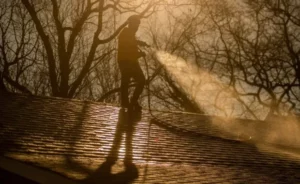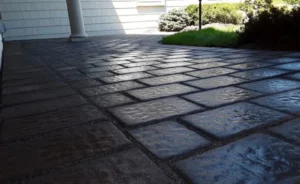
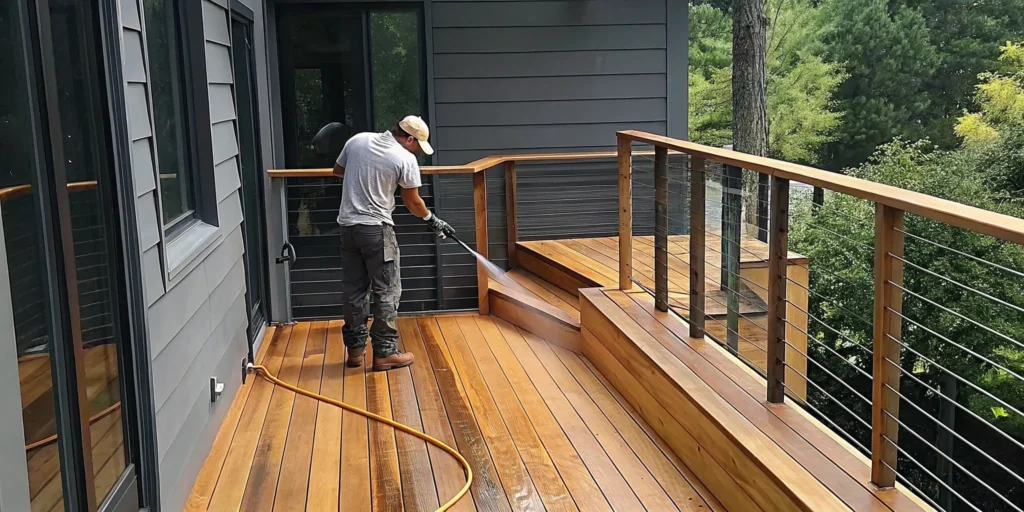
Long Island winter does not damage an exterior in one dramatic event. Freeze-thaw cycles, salt air, wind, and trapped moisture work across several months, turning small maintenance problems into cracked pavers, rotting deck boards, stained siding, and overflowing gutters.
Schedule your free fall winterization estimate today. Call 844-422-9274 or get your estimate online to protect your home before the first freeze.
For winterizing home exterior Long Island properties, clean contaminants before temperatures drop, clear gutters, seal paver joints. And treat cedar or hardwood decks so water and ice have fewer ways to cause damage.
Long Island’s damp climate supports mold, mildew, and algae through much of the year, so winter preparation starts with removing the moisture-holding buildup already on the property. Professional soft washing addresses those contaminants at the source and can last four to six times longer than traditional pressure washing. Giving exterior surfaces a cleaner starting point for the cold season.
The timing matters. Handle the vulnerable surfaces before the first hard freeze, then work through the areas where winter weather creates the greatest risk.
Why Winterizing Your Home Exterior on Long Island Matters
Winterizing your home exterior on Long Island means cleaning, sealing, and treating vulnerable surfaces before freeze-thaw cycles. Salt air, and trapped moisture cause cracks, rot, and structural damage that get worse through the cold months. Focus on cedar decks, paver joints, siding, and gutters.
Long Island winter weather does not damage a property in one dramatic event. It works through repeated freeze-thaw cycles, coastal salt exposure, snow, and trapped moisture. Water enters small gaps, freezes, expands, and leaves surfaces weaker when it melts.
Freeze-thaw cycles turn small problems into expensive repairs
Unprotected cedar, stone, pavers, and concrete absorb moisture before temperatures drop. Repeated freezing and thawing can widen cracks, loosen joints, and accelerate rot in exterior wood. Salt carried by coastal air and winter road treatment adds another source of surface deterioration, especially around driveways, walkways, and exposed masonry.
That is why fall is the practical window for winterizing home exterior Long Island properties. The work must be completed while surfaces can be cleaned, dried, treated, and sealed properly. Waiting for the first major snow or hard freeze leaves fewer good-weather days and turns preventive maintenance into emergency repair.
Moisture and organic growth do not stop in cold weather
Long Island’s coastal climate supports mold, mildew, and algae growth throughout the year, not only during warm summer months. Organic buildup holds moisture against siding, roofs, decks, and masonry. Before winter, remove that contamination instead of allowing it to sit under snow, ice, and repeated damp conditions. Soft washing addresses contaminants at the source and is reported to last four to six times longer than traditional pressure washing, helping reduce moisture-trapping decay.
Clean gutters before ice can create a larger problem
Leaves and roof debris restrict water flow when autumn ends. During freeze-thaw weather, blocked gutters can contribute to ice dams and allow trapped moisture to seep into the home. Stony Brook University guidance identifies regular gutter cleaning as an essential step in preventing ice dams and related water damage: review the home weather-damage guidance.
Winterization prevents different problems on each surface:
| Surface | Winterized | Not Winterized |
|---|---|---|
| Cedar / Ipe deck | Cleaned, oiled, sheds moisture. | Absorbs water, cracks, rots. |
| Paver joints | Sealed, resists salt and frost. | Water enters, expands, loosens pavers. |
| Siding | Soft washed, no trapped moisture. | Dirt and mildew freeze behind paint. |
| Gutters | Clear, water drains properly. | Blocked, ice dams form, water seeps in. |
Fall winterization is a coordinated exterior service, not a quick rinse. Clean and treat vulnerable surfaces, clear gutters, and protect existing wood before winter exposes every weakness. For cedar and hardwood decks, schedule deck restoration services before persistent cold and moisture make surface damage harder to correct.
How to Protect Cedar Decks and Ipe Hardwoods From Winter Damage
Protecting cedar decks and Ipe hardwoods on Long Island starts with low-pressure chemical cleaning to remove organic buildup. Brazilian Rosewood Oil application follows before winter freeze-thaw cycles cause cracking and rot. Skip pressure washing; it scars the wood.
Deck boards absorb moisture, dry unevenly, and move as temperatures change. On Long Island, repeated freezing and thawing can turn a neglected cedar deck or Ipe surface into a repair problem before spring arrives.
Why fall preparation matters
Moisture that remains in wood can freeze inside small checks and openings. As it expands, the surface becomes more vulnerable to cracking, warping, and rot. Skipping winter preparation also leaves mold, mildew, and organic buildup in place, giving moisture more places to collect during snow and rain.
Treating cedar and deck surfaces before winter helps prevent wood rot during freeze-thaw cycles. That is not a cosmetic step. It is part of preserving the boards, fasteners, railings, and structure you already have.
Clean the wood without damaging it
Deck restoration starts with low-pressure chemical cleaning, not pressure washing. High pressure can scar cedar, raise the grain, and force water into vulnerable areas. A controlled chemical treatment breaks down organic contamination while protecting the wood surface. Rinsing at low pressure then removes the residue without grinding away the material.
The same surface-specific approach matters on Ipe and other Brazilian hardwoods. These dense woods are durable, but they still weather under coastal sun, wind, salt exposure, and winter moisture. Cleaning must remove buildup without eroding the surface or leaving it rough and uneven.
Finish Ipe with Brazilian Rosewood Oil
Once the wood is clean and properly dry, Brazilian Rosewood Oil helps condition and protect Ipe and other Brazilian hardwoods. The application restores a more even appearance while giving the surface a deliberate protective treatment before the coldest, wettest part of the season.
Cedar requires its own maintenance plan, and every deck should be assessed for damaged boards, open joints, failing finish, and areas that hold water. Do not seal over contamination or trapped moisture. The preparation determines whether the treatment performs through winter.
For the complete process, see deck restoration and oiling. Protect the existing deck now, before freeze-thaw damage turns routine maintenance into replacement work.
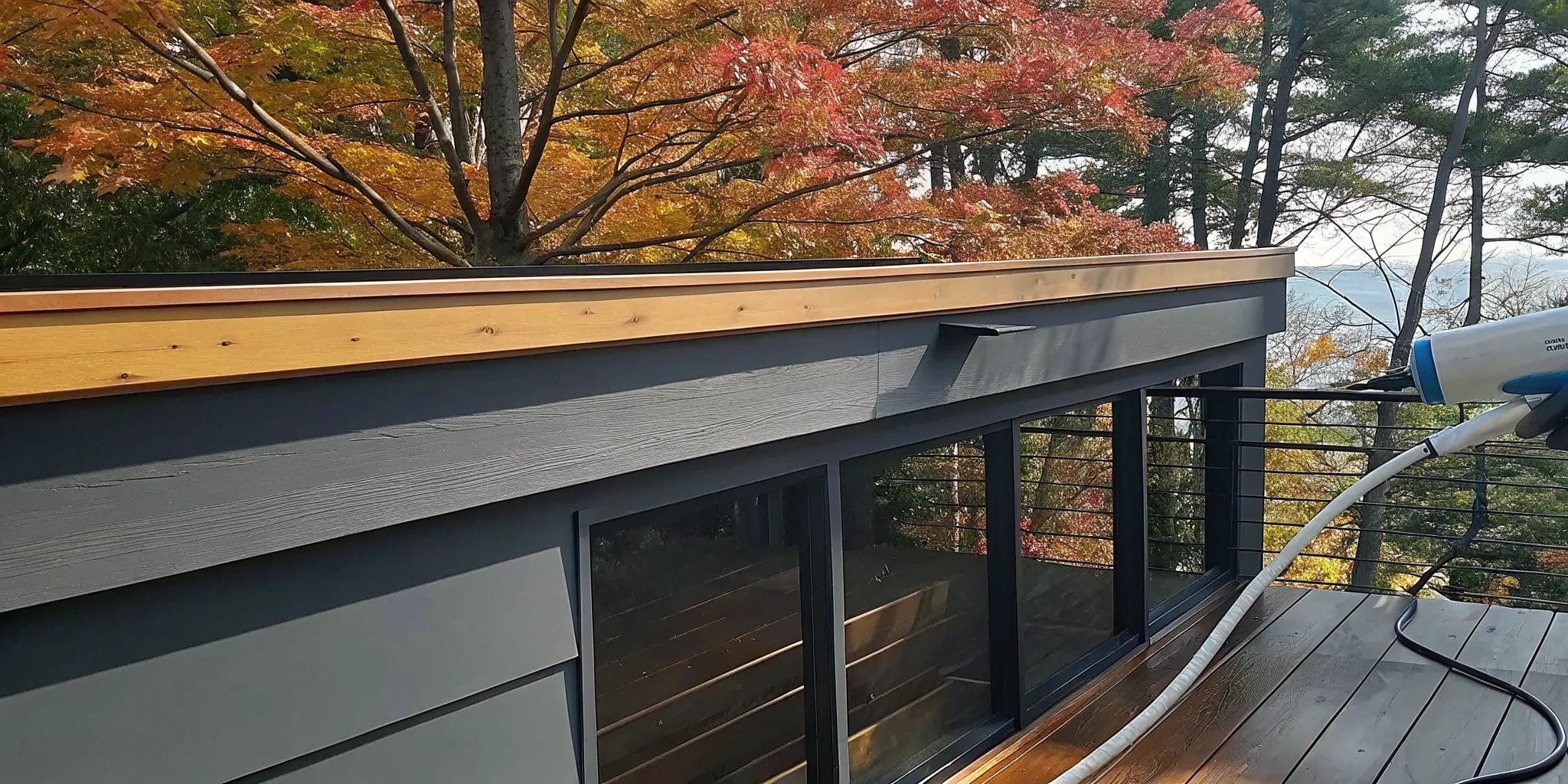
What Paver Owners Should Know About Freeze-Thaw Damage
Paver joints on Long Island absorb moisture that freezes, expands, and loosens the surface. Professional cleaning and sealing with a premium sealer like Trident before winter prevents salt damage and water penetration that cause uneven patios and walkways come spring.
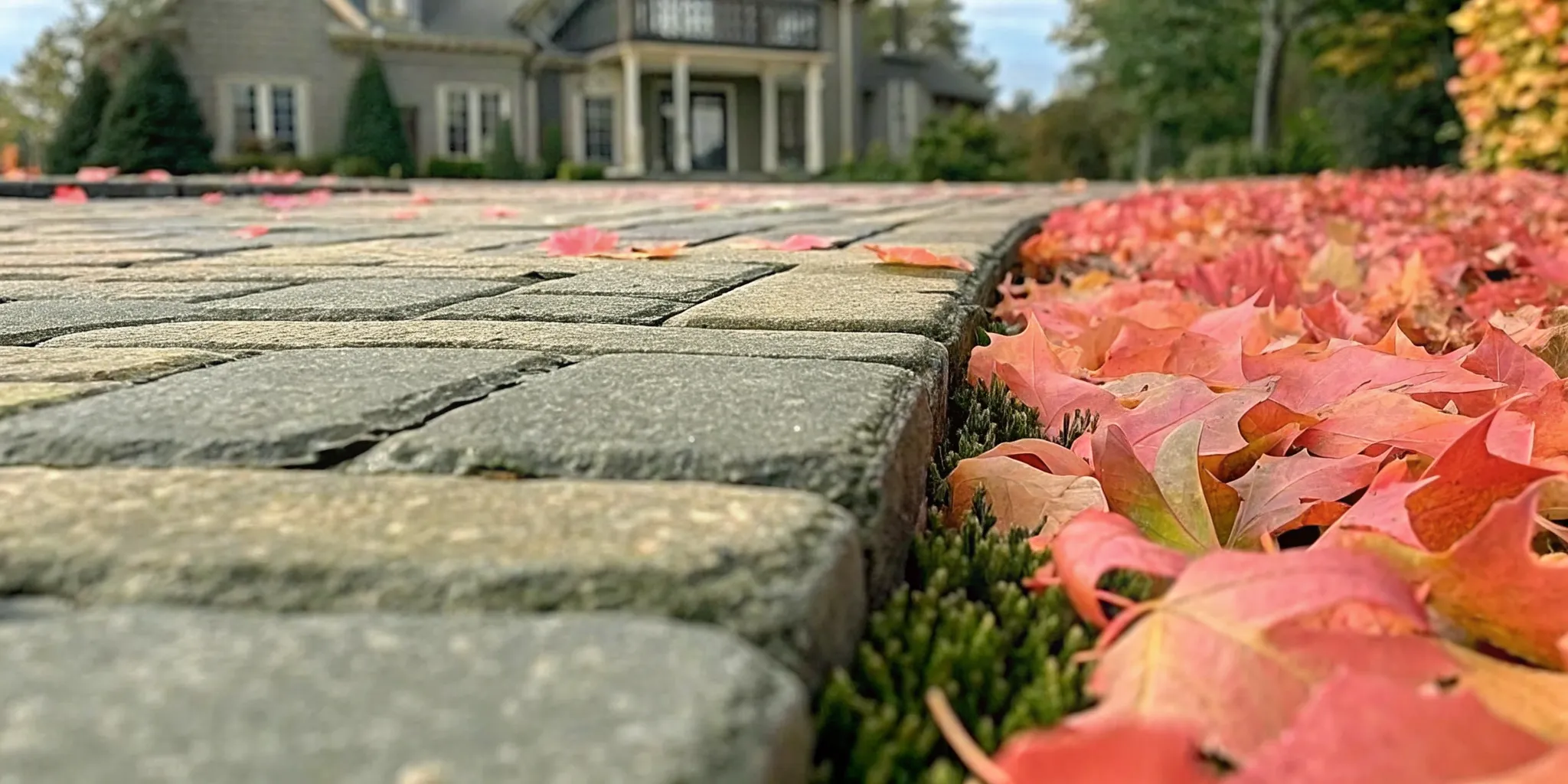
Winter preparation starts at ground level. Pavers, driveways, and walkways absorb moisture, collect salt, and take repeated stress as temperatures move above and below freezing. A fall cleaning and sealing service helps limit the damage before the first hard freeze.
Seal paver joints before frost reaches them
Unsealed paver joints are especially vulnerable to freeze-thaw cycles. Water enters the joint material, freezes, expands, and then leaves behind movement and gaps when it melts. Repeated cycles can loosen pavers, widen joints, and create low areas where more water collects.
Cleaning removes organic buildup, dirt, and old residue before the sealer is applied. The surface must be properly prepared and dry so the product can bond rather than trap contamination beneath it. Sealing before winter helps lock out moisture and reduces the pathway for salt to penetrate the joints.
Premium paver sealers such as Trident are used to help prevent salt damage and water penetration during the freezing months. That matters on Long Island, where coastal properties face salt exposure from both the surrounding environment and winter deicing products used on walks and drives. A sealed surface is not maintenance-free, but it is better protected than a neglected one.
Prepare driveways and walkways for salt exposure
Inspect concrete and paved surfaces in the fall, while cracks and deteriorated edges are easier to see and address. Remove leaves and standing debris from expansion joints, drainage paths, and surface edges. Do not spread more deicing salt than necessary. Excess salt can accelerate surface wear and damage nearby masonry, planting beds, and metal fixtures.
Concrete requires a surface-specific approach. Cleaning should remove grime without creating unnecessary etching, and any sealer should be selected for the concrete’s condition and exposure. Existing cracks, spalling, or settled sections may need repair before protection is applied. Sealing a failing surface does not correct the underlying problem.
Schedule the work before temperatures drop
Do not wait until snow, ice, or frozen ground makes preparation difficult. Give pavers and concrete time to dry after cleaning, then complete sealing during a suitable fall weather window. For a coastal property, professional paver cleaning and sealing can help protect high-traffic surfaces before winter moisture and salt begin working into the joints.
Preparing Siding, Gutters, and Windows for Cold Weather
Preparing siding, gutters, and windows for winter means soft washing organic growth off the siding. Clearing all gutters and downspouts, and cleaning coastal salt spray from windows before freeze-thaw conditions set in for the season.
Fall is the last practical window to clean the vertical and water-management surfaces around a Long Island home. Once temperatures drop, damp debris, mildew, and salt residue stay in place longer, while freeze-thaw cycles turn small maintenance problems into damaged paint, clogged drainage, and leaks.
Soft-wash siding before trapped moisture freezes
Long Island’s climate supports mold, mildew, and algae growth throughout the year. That contamination is not just a cosmetic problem going into winter. Dirt and biological growth hold moisture against siding. When that moisture freezes and expands, it can stress paint and vulnerable surface materials, particularly where existing cracks, failed caulk, or loose edges allow water behind the finish.
Use a low-pressure soft-washing method suited to the siding material rather than blasting the surface with high pressure. The goal is to remove the organic growth and the moisture-holding film without forcing water behind siding or damaging the finish. Schedule the work early enough for the exterior to dry completely before the first sustained freeze. For a material-specific cleaning plan, review our house washing services.
Clear gutters before the first freeze
Clean gutters in the fall, before the first freeze, and inspect the downspouts while the system is accessible. Leaves and roof debris restrict drainage, allowing water to sit and freeze inside the gutter. Regular gutter maintenance helps prevent ice dams, which can force trapped moisture into the home during freeze-thaw cycles. This is especially important beneath roof valleys and around sections that receive heavy runoff.
Check the roof edge and flashing at the same time. Proper flashing directs water away from vulnerable areas where the roof meets walls, chimneys, or other surfaces, helping reduce leak and water-damage risk. A cleaning appointment will not correct failed flashing, but it can expose areas that need a roofer’s inspection before winter weather arrives.
Remove salt spray from coastal windows
Homes near the Long Island coast also need window cleaning before winter. Salt spray, windblown grit, and organic residue can dry onto glass and frames, reducing visibility and leaving deposits that are harder to remove later. Clean the glass, sills, and accessible frame surfaces in the fall, then check weep holes and drainage paths for debris. Do not pressure-wash window seals or force water into the frame. Careful cleaning protects the view and gives you a clearer inspection of cracked glass, failed sealant, or deteriorating trim before cold weather settles in.
A Winterization Checklist for Hamptons Second Homeowners
Use the September-October window to prepare the property before the first freeze. The goal is simple: finish exterior maintenance while surfaces are workable, then leave the house ready for months of wind, salt air, rain, and freeze-thaw cycles.
- Schedule a fall soft wash and inspection. Start with the siding, roofline, foundation edges, walkways, and other areas where coastal moisture collects. Long Island’s climate supports year-round mold, mildew, and algae growth, so do not assume a clean-looking exterior is ready for winter. A low-pressure soft wash removes organic buildup without treating delicate cedar, masonry, or trim like concrete. Have the inspection include loose trim, cracked sealant, damaged flashing, surface stains, and areas where water may collect.
- Clean gutters and downspouts. Remove leaves, pine needles, and roof debris, then confirm that each downspout discharges away from the foundation. Clogged gutters contribute to ice dams and allow trapped water to seep into the home during freeze-thaw cycles. Review this when to clean gutters guide before the fall service is scheduled.
- Seal paver joints before temperatures drop. Clean the pavers first, repair visibly compromised joints, and apply an appropriate sealer while the surface is dry and temperatures remain suitable. A premium sealer, such as Trident, helps limit salt damage and water penetration during freezing months. This matters at entry walks, patios, pool surrounds, and driveways that will not be monitored regularly.
- Oil existing cedar and Ipe decking. Have cedar and Brazilian hardwood surfaces cleaned with the method suited to the wood, then treated before winter exposure. Proper care helps reduce the risk of rot and deterioration during repeated freezing and thawing. This is restoration and preservation of an existing deck, not construction. Check the Hamptons second home checklist for a broader seasonal walkthrough.
- Protect coastal landscaping from wind and salt. Inspect evergreens, newly planted shrubs, irrigation, and exposed beds. Winter sun and wind can increase foliage water loss while frozen soil prevents roots from replacing that moisture, leading to browning or even plant death. Cornell Cooperative Extension recommends protecting vulnerable plants from this winter injury. Avoid late pruning that encourages tender new growth, and arrange watering or wind protection before the property is closed.
- Secure furniture, fixtures, and loose exterior items. Store or tie down outdoor furniture, umbrellas, cushions, grills, planters, hoses, and decorative fixtures. Check gates, lighting, outdoor showers, and hose bibs as well. Photograph the completed property and leave the checklist with the caretaker or local maintenance contact. That record makes the next inspection faster when no homeowner is on-site.
Complete the work in one coordinated fall visit whenever possible. It reduces missed details and gives the property a clear maintenance baseline before winter weather arrives.
Frequently Asked Questions
When should I winterize my Long Island home’s exterior?
Schedule exterior preparation in early to mid-fall, before sustained freezing temperatures arrive. That timing leaves room to clean gutters, wash siding, treat deck surfaces, and seal pavers while the materials can dry and cure properly.
What exterior areas should be included in a winterization service?
Start with gutters, downspouts, siding, decks, paver surfaces, and exposed concrete. Clear debris from drainage systems, address organic growth, and protect porous or wood surfaces before snow, ice, salt, and repeated freeze-thaw cycles create larger repairs.
Does gutter cleaning really help prevent winter damage?
Yes. Clean, debris-free gutters help water drain instead of pooling and refreezing at the roof edge. Ice dams can trap moisture and allow it to seep into the home during freeze-thaw cycles, according to Stony Brook University. Read the source.
How do I protect a cedar or Ipe deck before winter?
Use surface-specific cleaning rather than aggressive pressure washing, then apply the appropriate protective treatment. Cedar and exotic hardwoods need specialized care to reduce moisture-related deterioration and wood rot during freeze-thaw cycles. Gulf2Bay uses low-pressure chemical cleaning and Brazilian Rosewood Oil for suitable hardwood decks.
Should pavers be sealed before winter on Long Island?
Sealing clean, dry paver joints before freezing weather helps limit water penetration and salt damage. Premium paver sealers, including Trident, are used for this winter protection. Repair or stabilize failing joints first so the sealer is applied to a sound surface.
Schedule Your Fall Exterior Winterization Estimate
Fall is the right time to identify exposed decks, pavers, siding, and gutters before freeze-thaw weather arrives. Schedule a free fall exterior winterization estimate and get a clear plan for protecting your Long Island home. Get your free estimate online or call 844-422-9274 to get started.